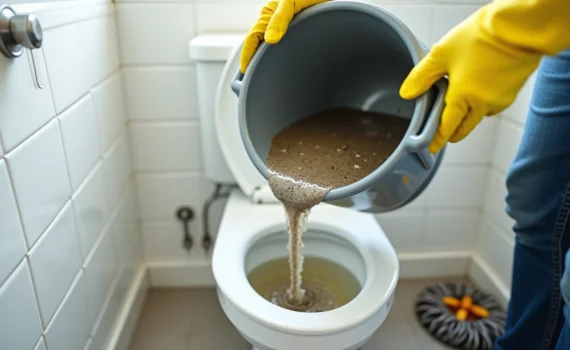
Mop water should be disposed of in a designated service sink, utility sink, or floor drain connected to the sanitary sewer system. These drains safely handle dirty cleaning water and debris. Never pour mop water into food preparation sinks, handwashing sinks, or storm drains. In homes, a toilet is acceptable […]
Yearly Archives: 2026
54 posts
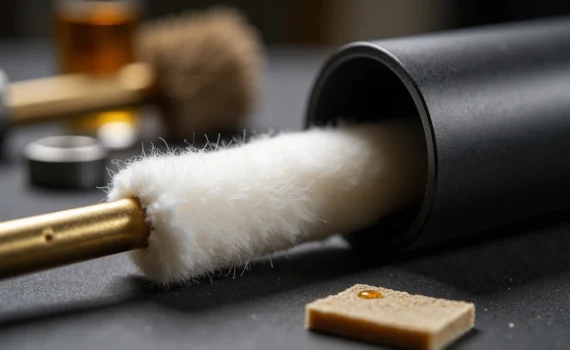
A bore mop is a soft cotton firearm-cleaning tool with a brass core used to apply lubricants, solvents, and rust preventatives inside a gun barrel. Bore mops remove loose fouling, clean chamber areas, and spread protective oils evenly. The soft cotton fibers protect the rifling and prevent scratches during routine […]
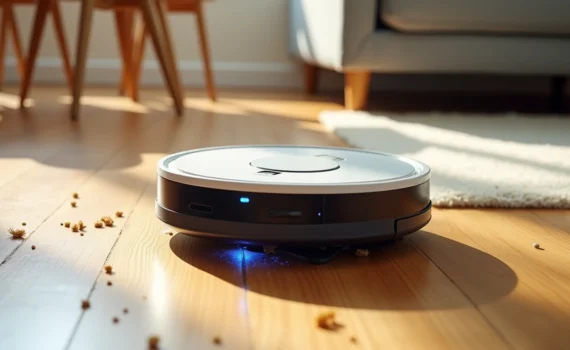
A robot mop is worth it for maintaining clean hard floors with minimal daily effort. Robot mops act as a set-and-forget cleaning solution that removes light spills, dust, and surface dirt. They do not replace deep manual scrubbing for heavy messes but reduce manual mopping frequency by maintaining consistent floor […]
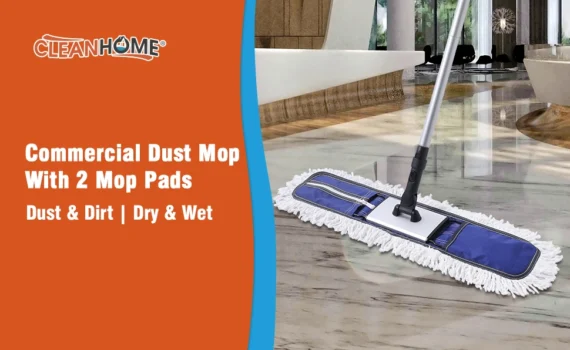
The best dust mop for concrete floors is an 18–36 inch flat microfiber mop. Microfiber fibers trap fine dust and debris without scratching polished or stained concrete. Synthetic closed-loop industrial mops also perform well on concrete surfaces in garages, warehouses, and residential spaces with heavy dust and dirt buildup. Why […]
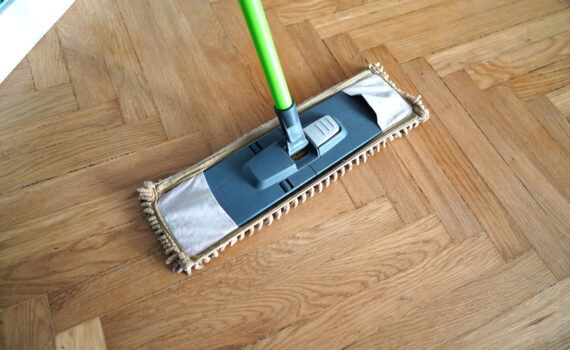
Hardwood floors should be mopped once per week to remove dirt, grime, and allergens without causing water damage. High-traffic areas such as kitchens and entryways require light damp-mopping every 3–7 days. Low-traffic rooms can be mopped every 2–4 weeks to maintain finish and cleanliness. How Often to Mop Hardwood Floors […]
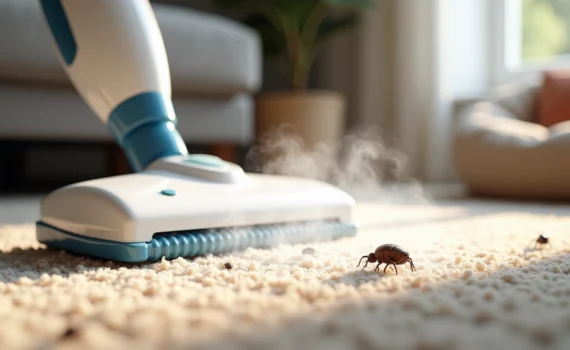
Yes, a steam mop kills adult fleas, larvae, and eggs instantly on contact. Steam temperatures exceed 200°F (93°C), which destroys fleas at all life stages without chemicals. Steam works best on sealed hard floors and low-pile carpets. Move the mop slowly over each section to allow heat to penetrate seams […]

No, you should not use a steam mop on LVP (luxury vinyl plank) flooring. Steam heat and moisture melt adhesives, warp planks, and damage the waterproof wear layer. Steam also penetrates seams, causing swelling and loosening. Clean LVP floors with a microfiber mop, warm water, and a mild, manufacturer-approved cleaner. […]
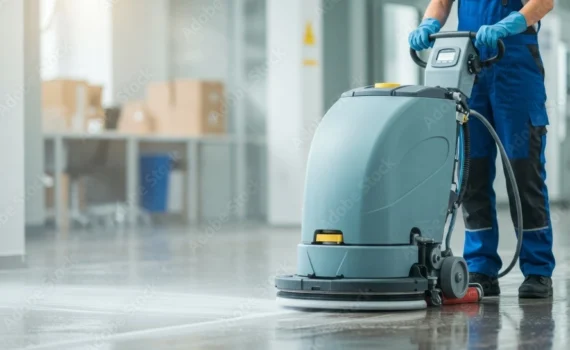
Yes, you can mop concrete floors, and mopping is a recommended maintenance method, especially for sealed surfaces. Clean concrete floors with a microfiber mop and a pH-neutral cleaner or mild detergent. Avoid excess water and acidic cleaners, as they erode concrete and strip protective sealants. Can You Mop Concrete Floors? […]
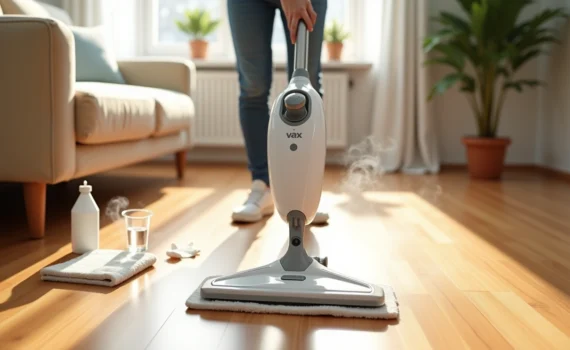
If your Vax steam mop is not working, the most common causes are limescale blockages, a clogged filter, airlocks, or an incorrectly fitted water tank. Fix the issue by descaling with a 50/50 white vinegar and water solution, cleaning the nozzle with a pin, reseating the tank, and checking that […]
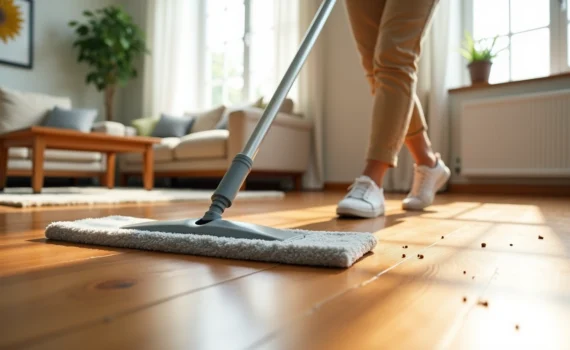
Dry mopping is a floor-cleaning technique that uses a dry microfiber or cotton mop head to remove dust, hair, and light debris without water or cleaning agents. Dry mopping works best for daily maintenance on hardwood, laminate, or tile floors and provides a quick alternative to sweeping, operating about 25% […]