Mop water should be disposed of in a designated service sink, utility sink, or floor drain connected to the sanitary sewer system. These drains safely handle dirty cleaning water and debris. Never pour mop water into food preparation sinks, handwashing sinks, or storm drains. In homes, a toilet is acceptable if the water contains no heavy debris.
Where Should Mop Water Be Disposed?
Knowing how to dispose of mop water properly starts with identifying the right drain in your home or facility. Each disposal location has its advantages and limitations based on plumbing design and what’s in your dirty mop water.
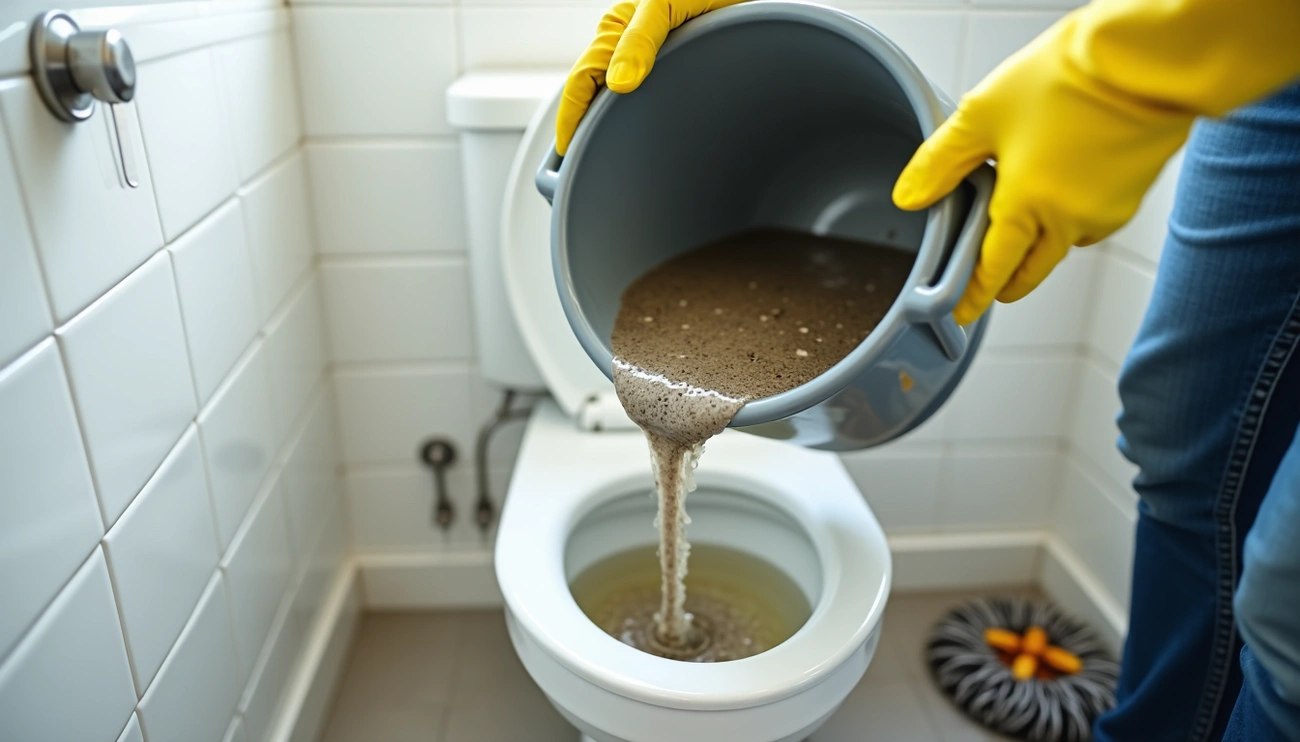
Toilet – The Safest Option
The toilet stands out as the best place to get rid of mop water. Pour the water slowly to avoid splashing, then flush immediately after disposal. The plumbing can handle dirt and cleaning products without issues. After dumping the water, clean the toilet itself since some dirty water may have splashed onto the bowl. I recommend this method when you’ve used cleaning products or when the water contains substantial dirt.
Service Sink or Utility Sink
A service sink should be used for disposing mop water in commercial and institutional settings. These sinks are specifically designed for waste water and cleaning solutions. Utility sinks and laundry sinks work well because they’re built to handle various types of wastewater. They feature bigger drains and tougher pipes compared to standard sinks, making them less likely to clog from debris in your mop water. Service sinks help prevent contamination and maintain health standards, particularly in food preparation areas.
Bathtub or Shower Drain
Your bathtub or shower drain serves as an acceptable alternative when a utility sink isn’t available. These drains typically handle water and small particles without trouble. Place a strainer or mesh cover over the drain to catch larger pieces that could cause clogs. After pouring the water, run clean water down the drain to wash away leftover dirt and cleaning residue.
Floor Drains
Floor drains offer another appropriate disposal option, especially in commercial buildings. Many facilities have floor drains or dedicated cleaning stations designed specifically for mop water disposal. These drains come equipped with filters to trap larger particles and debris.
Outdoor Disposal – When Is It Acceptable?
Outdoor disposal requires caution. Dumping mop water outside is against regulations in many areas, especially when cleaning products are involved. Pouring water on lawns or streets can harm the environment and result in fines. However, you may use mop water on plants or gardens if you’ve used eco-friendly, biodegradable cleaning agents without harsh chemicals. Always verify local regulations before choosing outdoor disposal.
Common Mistakes When Disposing Mop Water
Even when you know where should mop water be disposed properly, certain habits can undermine your efforts and create problems you didn’t anticipate.
Pouring Mop Water into Storm Drains
Storm drains are designed for rainwater and lead directly to rivers, lakes, or oceans without any treatment. When you dump dirty mop water into these drains, contaminants like detergents, disinfectants, grease, and chemicals reach natural waters untreated. These substances are toxic to fish, invertebrates, and plants.
Detergents and surfactants reduce dissolved oxygen levels and harm wildlife, while oily residue clogs storm infrastructure. In fact, this practice violates clean-water laws in many jurisdictions and can result in fines. Products like pesticides, paint, solvents, and cleaning supplies pose a threat by poisoning aquatic life.
Using Kitchen or Bathroom Sinks
Kitchen sinks should never be used for disposing mop water. The risk of contamination can make you sick, and pipes under kitchen sinks aren’t built to handle debris in mop water, which leads to clogs and plumbing issues. Bathroom sinks present similar problems. A service sink should be used instead, as these are designed specifically for wastewater containing cleaning solutions.
Dumping on Streets or Sidewalks
Pouring mop water on streets or sidewalks is generally illegal and environmentally harmful. This creates public-health and liability risks since the water flows into storm drains. Similarly, dumping on your lawn can damage the environment and result in fines if you’re caught.
Not Cleaning the Disposal Area Afterward
Wherever you dispose of mop water, clean the area afterward. Bathtubs, showers, and sinks accumulate dirt, soap scum, and bacteria if left uncleaned. This buildup creates unsanitary conditions that defeat the purpose of proper disposal.
Best Practices for Disposing Dirty Mop Water
Handling dirty mop water safely goes beyond knowing where to dump mop water. The physical act of disposal requires attention to prevent injuries and plumbing problems.
Use Proper Lifting Techniques
Emptying mop buckets involves movements that strain your body, including carrying heavy loads, bending at the waist, and awkward arm positions. Bend at the knees and keep your back straight when lifting. Use a semi-squat position as you lift the bucket.
Several strategies reduce strain when floor drains aren’t available. Lift the pail from the cart to the sink edge, supporting the weight on the sink as you empty it. Use a smaller container to bail out some water first.
Place a platform in front of the sink, lift the bucket onto it, then tilt and lever over the edge. Remove the wringer mechanism and use one hand to tilt the bucket, avoiding lifting the full weight. When the drain has a low barrier, use it as a pivot point to lever the bucket empty.
Strain the Water Before Disposal
If your water looks exceptionally dirty, strain it before disposal to avoid clogs. Additionally, vacuum or sweep your floor before mopping to remove larger debris, which makes disposal easier and reduces plumbing issues.
Choose Eco-Friendly Cleaning Products
Eco-friendly cleaning products cause less trouble if they end up in the wrong place and are gentler on plumbing. Plant-based, biodegradable formulations break down quickly after use without leaving toxins, and the post-use water is safe enough to water plants. If you have a septic system, be extra careful since bleach and similar products can disrupt the bacteria in septic tanks, leading to expensive repairs.
Clean Your Disposal Area
Clean the toilet, sink, or drain after disposing mop water. Bacteria growth and unpleasant odors develop when disposal areas aren’t maintained properly.
Understanding Why Proper Mop Water Disposal Matters
Understanding the consequences of improper mop water disposal reveals why this seemingly minor task deserves serious attention.
Health Risks from Contaminated Water
Contaminated water poses severe health threats. Unsafe water kills more people each year than war and all other forms of violence combined. About 1 billion people become sick annually from unsafe water. Waterborne pathogens from mop water include disease-causing bacteria and viruses that spread cholera, giardia, and typhoid.
In the United States alone, 3.5 million Americans contract health issues such as skin rashes, pinkeye, respiratory infections, and hepatitis from sewage-laden waters. Exposure to hazardous materials can lead to respiratory diseases, chemical burns, and long-term health complications.
Environmental Impact
Storm drains connect directly to ditches, streams, or lakes without treatment. Discharging dirty mop water into these drains pollutes surface and ground water. Chemicals that aren’t disposed of properly pass through wastewater treatment systems and enter drinking water or oceans, harming biodiversity.
Pollution impacts fisheries, plants, livestock, and contaminates food sources. Excess nutrients feed algae growth, producing deadly toxins that kill marine life and create dead zones where waters become devoid of life.
Plumbing and Septic System Protection
Debris in mop water accumulates gradually in pipe curves and bends, increasing blockage risks and reducing plumbing system lifespan. Chemical cleaners, bleach, and strong solvents harm plumbing seals, corrode metal parts, and kill beneficial bacteria in septic systems. Septic systems rely on bacteria for treatment, making harsh chemicals particularly damaging.
Conclusion
Proper mop water disposal protects your plumbing, prevents environmental contamination, and safeguards public health. The toilet remains your safest option for most situations, while a service sink should be used in commercial settings. Avoid storm drains, kitchen sinks, and outdoor dumping, as these create serious consequences. When you take a few extra seconds to dispose of mop water correctly, you’re making a responsible choice that benefits your home and community alike.