
Holiday Cleaning Cleaning Checklist for a Spotless Home

A holiday cleaning cleaning checklist helps you focus on the rooms and floor types that matter most before guests arrive. It saves time, reduces mistakes, and keeps your home looking polished without risking floor damage.
Holiday guests notice floors, entryways, and shared spaces fast, which is why a holiday cleaning cleaning checklist can make the season feel calmer and more organized. Instead of scrambling the night before people arrive, you can focus on the rooms and surfaces that matter most and clean them in a safer order.
This guide from FloorsMop breaks holiday prep into practical steps for different floor types, busy rooms, and last-minute touch-ups. It also highlights common mistakes to avoid, especially when you are working around wood, vinyl, tile, carpet, or specialty finishes.
- Prioritize visible spaces: Entryway, kitchen, bathroom, and living room first.
- Match care to flooring: Wood, vinyl, tile, carpet, and stone need different methods.
- Use less water: Especially on wood, laminate, and luxury vinyl.
- Avoid residue: Remove dust and grit before any wet cleaning.
- Ask for help when needed: Damaged finishes and specialty floors may need professional care.
Why a Holiday Cleaning Cleaning Checklist Matters in 2025
A holiday cleaning plan works best when it is focused, realistic, and easy to follow. In 2025, many households are balancing shopping, travel, cooking, and hosting, so a checklist helps you clean with purpose instead of repeating tasks or missing the areas guests actually see.
What readers want from a holiday-ready cleaning plan
Most people do not need a full-home deep clean right before the holidays. They need a clear plan that covers the visible, high-traffic spaces, protects floors from extra wear, and fits into the time they actually have.
That usually means simple priorities: remove dust, clear clutter, clean entry points, refresh bathrooms, and make floors look well cared for without over-wetting or using harsh products. If you want a broader seasonal plan, our monthly deep cleaning guide can help you build habits that make holiday prep easier.
How a focused checklist saves time, stress, and last-minute mistakes
A checklist reduces decision fatigue. You do not have to keep asking what comes next, which products to use, or whether the kitchen floor needs another pass.
It also lowers the chance of common holiday mistakes, like mopping too soon after sweeping, using too much water, or choosing a cleaner that leaves residue behind. For a related look at what tends to go wrong during seasonal cleanups, see our holiday cleaning mistakes guide.
Work from the top of the room down and from the least messy area to the most used one. That keeps dust and debris from landing on freshly cleaned floors.
Start with the High-Impact Areas Guests Notice First
When time is limited, begin with the rooms and surfaces that shape first impressions. Guests usually notice the entryway, living room, kitchen, and bathroom before they notice anything else.
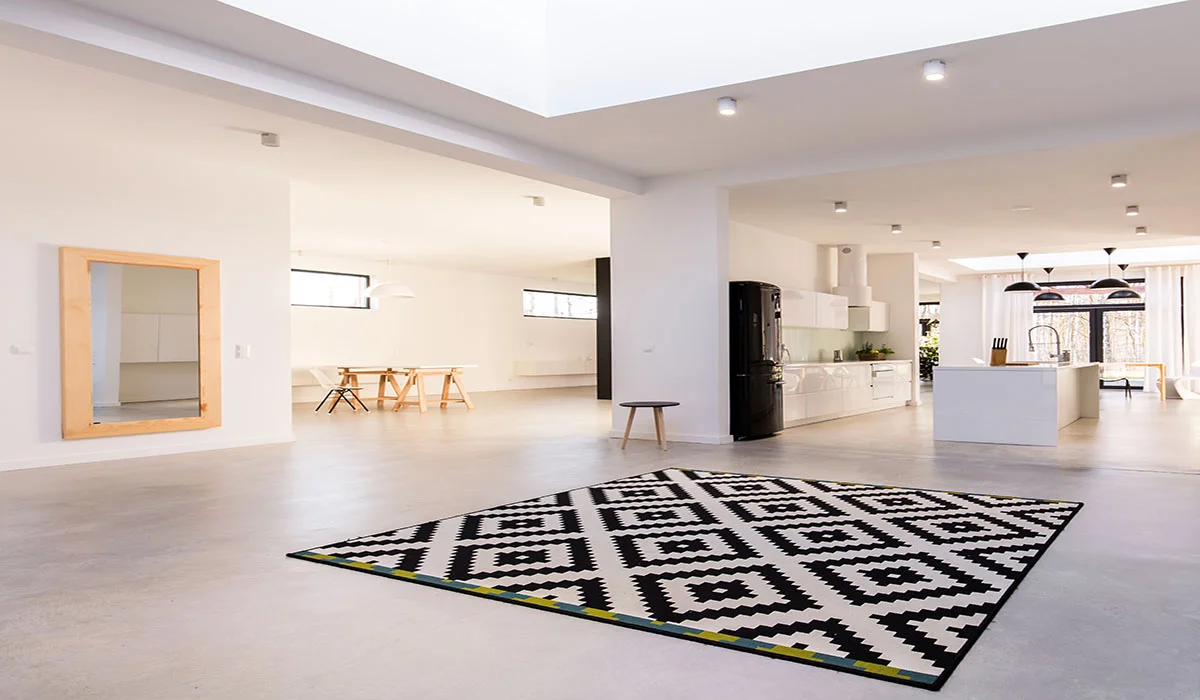
Entryway, living room, kitchen, and guest bathroom priorities
The entryway should feel clear, dry, and welcoming. Shake out mats, remove shoes or clutter, and clean the floor where dirt is most likely to collect.
In the living room, focus on visible dust, fingerprints, crumbs, and floor edges. In the kitchen, clean around appliances, the sink, and any spots where spills or foot traffic have built up. In the guest bathroom, make sure the floor, sink area, toilet base, and mirror are all fresh.
- Clear shoes, bags, and clutter from the entryway
- Vacuum or dust mop high-traffic floors
- Wipe visible marks on walls, doors, and baseboards
- Refresh the guest bathroom floor and fixtures
- Clean kitchen traffic zones near sink, stove, and fridge
Quick visual wins for a polished first impression
You do not need to make every corner perfect. Small visual improvements often matter more than a long cleaning session that no one notices.
Try focusing on shiny but safe results: clean floors, tidy mats, empty trash bins, and smudge-free surfaces. A dry, streak-free floor in the entryway can do more for the room than a dozen small tasks in hidden spaces.
Floor-by-Floor Holiday Cleaning Checklist for Every Surface Type
Different flooring materials need different care, especially during the holidays when foot traffic increases. The right method depends on the finish, sealant, texture, and moisture tolerance of the surface.
Hardwood floors: dust, damp mop, and finish-safe care
Hardwood floors usually look best when cleaned gently. Start with dust removal, then use a lightly damp mop if the floor’s finish allows it.
Avoid soaking the surface or leaving standing water behind. If you are unsure how often to clean hardwood during a busy season, our how often should you mop hardwood floors guide can help you choose a safer rhythm.
Do not flood hardwood floors with water or use a steam mop unless the flooring manufacturer specifically says it is safe. Excess moisture can damage the finish and may lead to warping.
Tile and grout: removing buildup without damaging sealant
Tile can handle more moisture than wood, but grout and sealant still need care. Use a cleaner suited to the tile type, then rinse or wipe away residue so buildup does not dull the surface.
For a more detailed method, see our how to mop porcelain tile floors guide. If grout lines are very dark, sticky, or discolored, the issue may be deeper than surface dirt and may need more than a quick mop.
Laminate and luxury vinyl: moisture control and streak-free cleaning
Laminate and luxury vinyl often look great with a minimal-water approach. Use a well-wrung mop or microfiber pad, and avoid cleaners that leave a cloudy film behind.
These floors can be especially sensitive to excess liquid at seams and edges. If you want more background on product compatibility, our steam mops and vinyl floors article explains why heat and moisture are not always a good match.
Carpeted areas: vacuuming, spot treatment, and odor control
Carpeted rooms need a different holiday plan. Vacuum slowly, pay attention to edges and traffic lanes, and treat spots before guests arrive so stains do not set in.
Odor control matters too, especially in rooms that hold pets, shoes, or food. Keep products light and test any spot treatment in an inconspicuous area first, since some fibers can discolor or react unpredictably.
Natural stone and specialty floors: what to avoid before the holidays
Natural stone, polished concrete, and other specialty surfaces can be beautiful but less forgiving than they look. Many of them need pH-appropriate cleaners and careful drying to avoid streaks or dullness.
If a floor has a specialty sealer, decorative finish, or older restoration work, check the care guidance before using a new holiday cleaner. When the surface is expensive or delicate, it is often safer to pause and ask a flooring professional than to guess.
Floor type is only part of the equation. Finish, sealant, age, and prior repairs can change how a surface reacts to water and cleaners.
Room-by-Room Holiday Cleaning Tasks That Make the Biggest Difference
Once the floor plan is set, narrow your attention to the rooms that will carry the most holiday traffic. A room-by-room checklist keeps the work manageable and helps you clean in the right order.
Kitchen cleaning checklist for cooking, spills, and traffic
The kitchen is often the busiest room during the holidays, so it usually needs the most focused attention. Start by clearing the floor, then clean under movable items and around the stove, sink, and fridge.
Wipe up sticky spots before mopping so they do not spread. If your kitchen floor gets frequent spills, a quick daily routine can help between bigger cleanings; our daily floor cleaning guide is a useful companion for that kind of upkeep.
- Clear floor clutter and small appliances
- Sweep or vacuum crumbs and dry debris
- Spot-clean grease near the stove
- Mop with a floor-safe solution
- Dry the floor fully before foot traffic returns
Bathroom refresh checklist for guests and quick touch-ups
Guest bathrooms should feel clean, dry, and easy to use. Focus on the sink area, toilet base, floor corners, and any splash zones near the tub or shower.
Use a cleaner that matches the floor material, and do not forget to dry the floor after mopping. In small bathrooms, excess water can linger and create streaks or a slippery surface.
Living and dining room cleanup for entertaining spaces
These rooms usually need more visual cleanup than heavy scrubbing. Dust shelves, vacuum rugs, remove crumbs from under tables, and clean the floor edges where dust tends to collect.
If you are hosting a meal, pay attention to dining chair legs and the floor beneath the table. This is often where scratches, crumbs, and spills show up first.
Bedrooms and guest spaces for overnight visitors
Guest rooms do not need the same level of attention as the kitchen, but they should feel fresh. Vacuum or dust mop the floor, wipe surfaces, and check for lint or dust near the bed and corners.
Keep the room simple and uncluttered so visitors have space for bags and shoes. If the room has hard flooring, a quick pass with a microfiber mop can make it look much more polished.
Common Holiday Cleaning Mistakes That Can Damage Floors
Holiday cleaning is often rushed, and that is when floor damage happens. Small mistakes can leave residue, dull finishes, or cause moisture-related problems that are harder to fix later.
Using too much water on wood, laminate, or vinyl
One of the biggest risks is over-wetting the floor. Wood, laminate, and many vinyl floors only need a lightly damp mop, not a soaking one.
Extra water can seep into seams, edges, and transitions. If you are trying to speed up cleanup, it is better to use a well-wrung microfiber mop than to add more liquid and hope for a faster result.
Choosing the wrong cleaner for sealed, polished, or textured surfaces
Not all cleaners are interchangeable. A product that works on tile may leave residue on laminate, and a strong degreaser may be too harsh for a polished finish.
Always check whether the cleaner is suitable for sealed floors, specialty finishes, or textured surfaces. When in doubt, test in a small hidden area first.
Skipping dust removal before mopping or vacuuming
If you mop before removing grit, you can drag debris across the surface and create streaks or micro-scratches. This is especially important on glossy floors and wood.
Start with dust mopping, sweeping, or vacuuming before any wet cleaning. That simple order change can make your holiday cleaning look much better with less effort.
Overlooking mats, felt pads, and entry protection during heavy foot traffic
Holiday guests bring in more dirt, moisture, and movement than usual. Without entry mats and furniture protection, floors can show wear quickly.
Check mats at the front door, patio door, and kitchen entrance. Make sure chair legs have felt pads if they are likely to move around during meals.
- Protecting floors during frequent guest traffic
- Reducing tracked-in dirt and grit
- Preventing chair scuffs and entry scratches
- Old mats that trap moisture underneath
- Worn felt pads that no longer protect well
- Dragging furniture without lifting it
When to Ask a Flooring Professional Before You Clean
Some holiday cleaning questions are simple, but others are worth handing off to a professional. That is especially true when the floor is expensive, damaged, or already showing signs of finish failure.
Signs of damaged finish, deep scratches, or stubborn residue
If a floor looks cloudy, sticky, uneven, or scratched through the finish, cleaning alone may not solve the problem. Repeated DIY cleaning can sometimes make the issue more noticeable.
Deep scratches, lifting edges, or residue that returns after every cleaning can point to a bigger flooring issue. In those cases, a professional can help identify whether the problem is surface buildup, finish wear, or actual damage.
Situations where professional cleaning or refinishing is safer than DIY
Professional help can be the safer choice for natural stone, older hardwood, heavily soiled grout, or floors with unknown coatings. It is also wise to ask for help if the manufacturer warranty has specific care rules.
When a floor has sentimental or financial value, it is usually better to be cautious. A professional assessment can save time if the cleaning needs are beyond standard maintenance.
How to decide between spot treatment, deep cleaning, or restoration
Start by asking whether the problem is isolated or widespread. A single spill may only need spot treatment, while dullness across the room may call for a deeper clean.
If the floor has permanent discoloration, recurring residue, or visible wear, restoration may be more appropriate than repeated scrubbing. When the answer is unclear, a flooring specialist can help you avoid making the damage worse.
Budget, Time, and Product Comparison for a Realistic Holiday Prep Plan
The best holiday cleaning plan is one you can actually finish. Budget, time, and product choice all matter, and the right balance depends on your home’s size, floor types, and how much hosting you are doing.
DIY cleaning supplies versus professional service costs
DIY cleaning is usually the most flexible option because you can choose products based on each floor type. It also lets you focus spending on tools you will use again, like microfiber pads, a vacuum with good edge pickup, and safe floor cleaners.
Professional service can make sense when time is tight or when the floor needs specialized care. If you are comparing options, a simple planning tool like the floor cleaning cost calculator can help you think through value before you commit.
Reusable pads, a quality microfiber mop, and a floor-safe cleaner often give better long-term value than buying several one-time products for one holiday cleanup.
Fast-clean checklist for busy households versus deep-clean weekend plan
If you only have a short window, focus on visible dirt, entry points, and guest spaces. That means vacuuming, spot cleaning, wiping surfaces, and refreshing bathrooms and kitchens.
If you have a full weekend, add baseboards, under-furniture edges, grout touch-ups, and room-by-room floor care. The difference is not just time; it is how much detail you can safely handle without rushing.
Best-value tools and products for different floor types
For most homes, the best-value tools are simple ones: a vacuum, microfiber dust mop, microfiber wet mop, soft brush attachment, and a cleaner matched to the floor. Specialty tools are useful only if your flooring actually needs them.
| Method / Product | Best For | Be Careful With |
|---|---|---|
| Microfiber dust mop | Daily debris, dust, and quick holiday touch-ups | Heavy grit that needs vacuuming first |
| Lightly damp microfiber mop | Wood, laminate, and vinyl floors with minimal moisture | Standing water and overuse of cleaner |
| Tile-safe floor cleaner | Kitchen and bathroom tile with normal buildup | Residue on polished or textured finishes |
| Vacuum with hard-floor setting | Carpet edges, rugs, and mixed-surface homes | Scratches if the brush setting is wrong |
Final Holiday Cleaning Recap for a Spotless, Guest-Ready Home
A good holiday cleaning cleaning checklist is less about doing everything and more about doing the right things in the right order. Focus on the rooms guests see first, protect your floors from moisture and grit, and choose products that fit the surface instead of forcing one method everywhere.
Simple priority order for the last 48 hours before guests arrive
In the final two days, start with clutter removal, then vacuum or dust mop, then spot-clean high-traffic areas. After that, refresh the kitchen, guest bathroom, entryway, and main living spaces.
Finish by drying floors fully, replacing mats if needed, and doing one last visual walk-through from the guest’s point of view. That final pass often reveals what still needs attention.
Key takeaways for keeping floors clean throughout the holiday season
Holiday floors stay cleaner when you prevent dirt from spreading, clean in short sessions, and match the method to the material. A little maintenance before and during the season is easier than one big cleanup after the damage is done.
Frequently Asked Questions
Focus on entryways, kitchens, bathrooms, living spaces, and guest rooms. Include floor-safe dusting, vacuuming, spot cleaning, and a final dry pass.
Start by removing dust and grit, then use a cleaner that matches the floor type. Avoid excess water on wood, laminate, and vinyl, and dry floors fully after mopping.
The entryway, kitchen, living room, and guest bathroom usually matter most. These are the spaces guests notice first and the ones that collect the most traffic.
Not always. Different floors can react differently to moisture, acidity, and residue, so it is safer to match the cleaner to the surface.
Ask for help if the finish is damaged, the floor has deep scratches, or residue keeps coming back. Professional guidance is also useful for stone, specialty finishes, or warranty-sensitive floors.
Use entry mats, clean up spills quickly, vacuum or dust mop often, and protect chair legs with felt pads. Small maintenance steps prevent dirt from spreading through the house.
