
Apartment Checklist vs Daily Floor Cleaning Which Wins

Apartment checklist cleaning wins for move-outs, inspections, and detailed floor presentation. Daily floor cleaning wins for routine hygiene, faster upkeep, and protecting floors from buildup over time.
When apartment cleaning gets busy, it is easy to blur the line between a move-out checklist and everyday floor care. In the apartment checklist vs daily floor cleaning debate, the winner depends on your goal: inspection-ready detail or steady day-to-day upkeep.
- Checklist cleaning: Best for inspections, move-outs, and visible detail.
- Daily cleaning: Best for routine hygiene and debris control.
- Floor type matters: Wood, tile, laminate, vinyl, and carpet each need different care.
- Common risk: Too much water or harsh cleaner can damage sensitive floors.
- Best strategy: Use daily upkeep plus checklist cleaning when standards are higher.
Apartment Checklist vs Daily Floor Cleaning: What Each Method Actually Covers
A move-out apartment checklist is built for the details people notice during inspections, walkthroughs, and lease endings. It usually goes beyond the floor surface itself and looks at edges, corners, baseboards, visible residue, and signs of wear that can affect a deposit or final impression.
Daily floor cleaning, by contrast, is designed to keep dirt from building up in the first place. It focuses on dust, crumbs, spills, and light soil that collect in busy homes, especially in kitchens, hallways, and entryways.
If you want a deeper look at routine upkeep, our daily floor cleaning guide explains the basics of keeping floors presentable without overworking the surface.
Defining a move-out apartment checklist for floors, baseboards, and visible wear
An apartment checklist usually treats floors as part of the whole room, not an isolated task. That means checking for scuffs, sticky spots, dust lines along the wall, and buildup where furniture or appliances sat.
It is less about “did I mop today?” and more about “does the entire floor area look clean, dry, and cared for?” That distinction matters when someone is judging the apartment at close range.
What daily floor cleaning is designed to maintain in busy homes
Daily floor cleaning is a maintenance habit. It keeps grit from scratching finishes, reduces visible mess, and helps floors feel cleaner between deeper sessions.
In many homes, that means a quick sweep, vacuum, or light mop in high-use zones rather than a full-room reset.
Why readers compare the two in 2025: time, effort, and cleaning results
People compare these methods because they solve different problems. One is about protecting time and energy during normal life, while the other is about producing a stronger final result when standards are higher.
For renters, owners, and busy households, the real question is often not which method is “better,” but which one fits the moment.
User Intent: Choosing the Right Approach for Renters, Owners, and Busy Households
The best choice depends on whether you are trying to maintain floors, prepare for a move, or get a space inspection-ready. A daily routine can keep a home under control, but it usually does not replace a checklist when the stakes are higher.
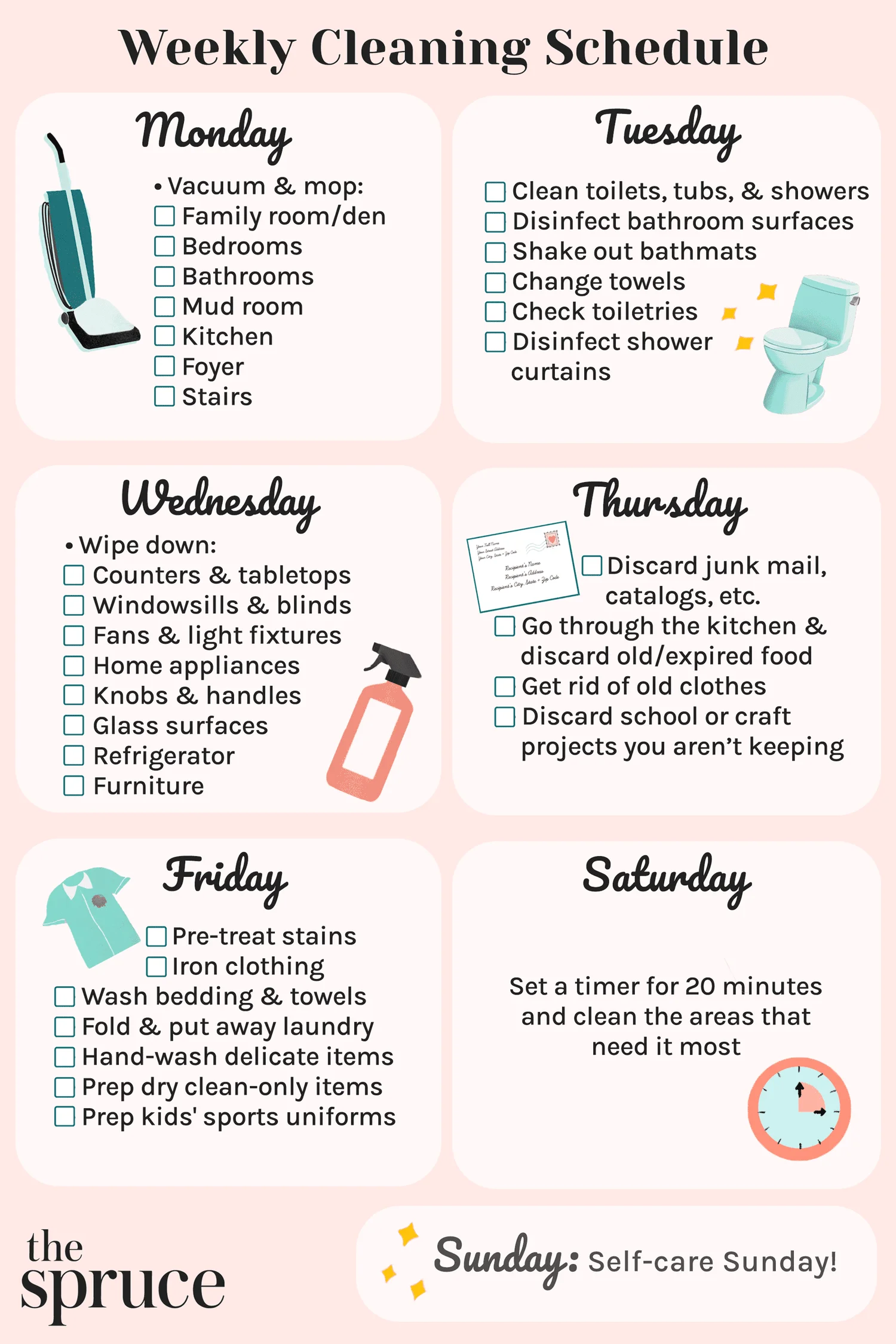
When people need a checklist approach before inspections, guests, or lease endings
A checklist approach is useful any time someone will look closely at the apartment. That includes move-out day, landlord walkthroughs, open houses, and situations where a guest will notice details you usually ignore.
It helps you slow down and inspect the floor from different angles, especially in corners and along trim where dust and residue hide.
When daily floor cleaning is the better fit for routine upkeep and hygiene
Daily floor cleaning is the better fit when the goal is simple hygiene and comfort. It works well for homes that collect crumbs, pet hair, tracked-in dirt, or kitchen spills throughout the week.
If you want to avoid common routine errors, our daily floor cleaning mistakes article is a helpful companion piece.
How lifestyle factors change the best choice: pets, kids, roommates, and high foot traffic
Pets, children, roommates, and frequent visitors all increase the amount of floor traffic. That usually means daily care becomes more important, because small messes accumulate quickly and can settle into seams or texture.
At the same time, those same homes often need a checklist-style deep clean more often because visible wear appears faster.
In high-traffic apartments, use daily cleaning to control debris and a checklist to catch the details that routine care misses.
Floor-Type Compatibility: Which Method Works Best on Hardwood, Tile, Laminate, Vinyl, and Carpet
Floor type changes the answer more than many people expect. A cleaning method that works well on tile may be too wet for wood, and a routine that looks fine on vinyl may not be enough for grout or carpeted areas.
Hardwood and engineered wood: avoiding excess water, grit, and finish damage
Hardwood and engineered wood usually respond best to dry debris removal first, followed by a lightly damp cleaner made for wood or a compatible neutral formula. Too much water can leave dull spots, swelling, or finish problems depending on the product and floor condition.
For these floors, daily cleaning is often about dust control and grit removal, while checklist cleaning should focus on careful spot treatment and edge detailing. If you are unsure about a product or finish, it is smart to ask a flooring professional before trying a stronger method.
Tile and grout: where checklist deep cleaning matters more than daily mopping alone
Tile can handle more moisture than wood, but grout lines collect residue that daily mopping often skims over. That is why checklist cleaning matters so much here: it lets you target lines, corners, and textured areas that hold soil.
Daily cleaning still helps, but it mainly keeps the surface presentable. It does not always remove the embedded grime that makes grout look dingy.
Laminate and luxury vinyl: safe cleaning habits that prevent swelling and dulling
Laminate and luxury vinyl often tolerate routine cleaning well, but they still need careful moisture control. Standing water, overly wet pads, and harsh cleaners can leave the surface dull or, in some cases, create edge issues over time.
For these floors, daily cleaning should stay light and controlled. Checklist cleaning can be more thorough, but only if the products are compatible with the manufacturer’s care guidance.
Carpeted apartments: what “floor cleaning” means when vacuuming replaces mopping
In carpeted apartments, floor cleaning usually means vacuuming, spot treating stains, and checking edges and transitions rather than mopping. A checklist may include baseboards, corners, and under-furniture areas, while daily care focuses on removing loose dirt before it settles deeper.
That difference matters because carpet can look tidy on the surface while still holding dust and debris below the pile.
What a Strong Apartment Checklist Includes for Floors
A strong apartment checklist looks at the floor from the perspective of a person doing a final review. The goal is not just cleanliness, but visual completeness.
Edge detailing, corners, under-appliance zones, and visible stain checks
Edges and corners often reveal whether a room was cleaned carefully. Dust lines, trapped crumbs, and dark buildup under appliances can stand out even when the center of the room looks fine.
Visible stain checks are equally important. A small splash mark near a cabinet or a dried spill by a doorway may be the kind of detail that routine cleaning misses.
Baseboards, vents, thresholds, and transition strips that inspectors notice
Inspectors and landlords often notice the transition between surfaces because it shows whether the whole area was maintained. Baseboards, floor vents, and threshold strips collect dust and grime that can make a room feel unfinished.
These are not always the first things a busy household cleans, but they can influence the final impression more than people expect.
- Vacuum or sweep every floor edge and corner
- Check under appliances and furniture for debris
- Wipe baseboards, vents, and threshold strips
- Spot clean stains, scuffs, and sticky residue
- Inspect grout, seams, and transition areas
Practical example: preparing a one-bedroom apartment for move-out or walkthrough
In a one-bedroom apartment, checklist cleaning might start with the kitchen floor, then move to the hallway, bathroom, and living room edges. Each room gets a slower review than it would during normal upkeep.
That approach helps you catch the little things that daily cleaning usually skips, like dust behind the trash bin or residue near the fridge.
A checklist is most effective when you clean, then inspect, then clean again only where needed. That second look often catches the missed details.
What Daily Floor Cleaning Includes and Where It Falls Short
Daily floor cleaning is the habit that keeps a home from drifting into visible mess. It is simple, repeatable, and usually easier to maintain than a full checklist routine.
Dust removal, spot cleaning, quick mopping, and debris control
Typical daily cleaning includes dry sweeping, vacuuming, spot wiping, and occasional light mopping in problem areas. The aim is to stop crumbs, hair, and soil from spreading through the apartment.
This is especially useful in kitchens, entryways, and hallways where dirt appears fast and gets tracked room to room.
How daily cleaning protects finishes and reduces buildup over time
Regular removal of grit matters because tiny particles can scratch delicate finishes over time. Even if the floor looks clean, dust and sand can still wear down the surface if they are left in place.
That is why a consistent daily habit can support floor longevity, especially in homes with pets or heavy foot traffic.
Practical example: a family kitchen and hallway maintenance routine
In a busy family home, daily cleaning might mean sweeping after dinner, wiping spills right away, and giving the hallway a quick pass where shoes track in dirt. That routine keeps the apartment livable without turning every night into a major project.
It also reduces the chance that a small spill becomes a sticky patch that needs scrubbing later.
Why daily care alone may miss deep grime, scuffs, and hidden residue
Daily cleaning is not designed to handle everything. It may leave behind residue in textured floors, dull film from product buildup, or scuffs that need targeted attention.
It can also miss hidden grime in corners, under furniture, and around fixtures, which is why a checklist deep clean still has a place.
Do not assume a clean-looking floor is fully clean. Hidden residue, edge buildup, and scuffs often show up only during a slower inspection.
Apartment Checklist vs Daily Floor Cleaning: Cost, Time, and Effort Comparison
Time and effort are usually the biggest reasons people choose one method over the other. Daily cleaning is lighter and easier to keep up with, while checklist cleaning takes more focus and often more supplies.
Time investment: 10-minute maintenance versus multi-hour checklist cleaning
Daily floor cleaning can often be done in a short window, especially if you are only handling one or two high-use areas. That makes it practical for weeknight routines and quick resets.
Checklist cleaning is more time-consuming because it includes inspection, detailing, and often repeat passes in corners or around fixtures.
Product and supply costs: microfiber mops, neutral cleaners, scrub tools, and extras
Daily cleaning usually relies on a basic set of supplies: a broom or vacuum, a microfiber mop, and a floor-safe cleaner. Checklist cleaning may call for extra tools such as detail brushes, grout scrubbers, or cloths for baseboards and thresholds.
The exact cost depends on what you already own and what your floors can safely handle.
Daily care often costs less up front, but checklist cleaning can save money later by reducing deposit deductions, repair needs, or premature replacement.
Long-term value: preventing damage, avoiding deposit deductions, and reducing replacement risk
Daily cleaning protects floors from gradual wear, while checklist cleaning protects you from avoidable surprises during a move-out review. Used together, they can lower the chance of damage that leads to extra expense.
If you want to estimate how much effort a larger clean might take, a floor cleaning cost calculator can help frame the decision, even if your final cost depends on room size and condition.
Common Cleaning Mistakes That Hurt Floors or Lower Results
Many floor problems come from well-intended cleaning done the wrong way. A method can be effective in theory and still cause dulling, residue, or damage if the basics are off.
Using too much water on wood or laminate
Excess water is one of the most common floor-care mistakes. Wood and laminate can react badly to standing moisture, especially along seams and edges.
Use only the amount of liquid the floor can safely handle, and dry the surface promptly if needed.
Skipping vacuuming or dry sweeping before mopping
If you mop before removing loose dirt, you may just move grit around or create a muddy film. Dry debris should come off first so the mop can clean instead of spread the mess.
This step is especially important in apartments with pets, entryway traffic, or textured flooring.
Choosing harsh chemicals that leave film or strip finishes
Some strong cleaners leave residue behind or affect the finish, especially on sensitive surfaces. Even if a product seems powerful, it may not be the safest choice for your specific floor.
When in doubt, choose a neutral cleaner that matches the floor type and follow the label carefully.
Ignoring grout lines, sticky buildup, and high-traffic zones
High-traffic zones often show wear first because they collect repeated soil and spills. Grout lines and sticky spots also tend to need more than a quick pass with a mop.
That is why checklist cleaning should include a closer look at the places daily care tends to overlook.
When to Ask a Flooring Professional Instead of Relying on DIY Cleaning
DIY cleaning is fine for routine maintenance, but some conditions call for expert assessment. If the floor looks damaged rather than merely dirty, cleaning alone may not solve the problem.
Signs of deep staining, warped boards, damaged grout, or worn finish
Persistent dark stains, soft or warped boards, cracked grout, and finish wear are all signs that the issue may go beyond surface soil. In those cases, more scrubbing is not always the answer.
Using the wrong product can make the problem harder to fix, so it is worth pausing before trying stronger chemicals or aggressive tools.
When professional assessment is smarter before move-out, sale, or restoration
If you are preparing for a move-out, selling a property, or restoring an older apartment, a professional opinion can help you avoid guesswork. That is especially useful with expensive flooring or surfaces under warranty.
When the floor is part of a larger decision, cleaning, repair, and refinishing may all need to be weighed together.
How a flooring pro can help determine whether cleaning, refinishing, or repair is needed
A flooring professional can usually help separate dirt, finish wear, and structural damage. That matters because each issue calls for a different solution.
If the surface is safe to clean, great. If not, getting the right advice early can prevent a small issue from becoming a bigger one.
Final Verdict: Which Wins for Different Apartment Cleaning Goals in 2025
There is no single winner for every situation. The best method depends on whether you need an everyday habit, a detailed final clean, or a mix of both.
Best for inspections and move-outs: checklist cleaning
When the apartment needs to look complete under close review, checklist cleaning wins. It covers the edges, transitions, and visible wear that daily cleaning is not designed to handle.
That makes it the stronger choice for inspections, lease endings, and walkthroughs.
Best for everyday hygiene and floor longevity: daily floor cleaning
For routine life, daily floor cleaning is the better choice. It keeps debris under control, supports better hygiene, and helps reduce wear from grit and buildup.
It is the method most people can sustain consistently, which is why it matters so much over time.
Best overall strategy: combine both for cleaner floors, less stress, and better results
The smartest approach is usually to use daily floor cleaning for maintenance and a checklist for deeper resets. That combination gives you cleaner floors without making every cleaning session feel overwhelming.
For apartment living, that balance is often the real win: less stress, better results, and fewer surprises when someone looks closely at the floor.
—
Frequently Asked Questions
Yes, a checklist is usually better for move-out day because it covers edges, corners, baseboards, and visible wear. Daily cleaning helps, but it usually does not catch the details that inspections notice.
Not usually. Daily cleaning is for upkeep and hygiene, while a checklist is for deeper detail and final presentation.
Hardwood, engineered wood, laminate, and some luxury vinyl floors need careful moisture control. Too much water or the wrong cleaner can cause dulling, swelling, or finish damage.
It depends on traffic, pets, and floor type. Busy homes may need deeper cleaning more often than low-traffic apartments, but the right schedule varies by surface and condition.
One of the biggest mistakes is using too much water or skipping dry debris removal before mopping. That can leave residue, spread grit, or damage sensitive floors.
Call a professional if you see warped boards, damaged grout, deep stains, worn finish, or any floor condition that may involve repair. That is especially smart before move-out, sale, or restoration.
