
Beginner Guide to Daily Floor Cleaning for Easy Results

Daily floor cleaning is easiest when you start with dry debris removal, then spot-clean spills, and only damp mop floors that can safely handle moisture. Matching the method to your floor type is the best way to get clean results without streaks or damage.
Daily floor cleaning does not have to be complicated to work well. With the right routine, a beginner can keep floors looking neat, reduce buildup, and avoid the common mistakes that lead to streaks or damage.
This beginner guide to daily floor cleaning walks through what to do, what to skip, and how to match your method to your floor type and home. Emma Whitmore from FloorsMop focuses on practical steps that are easy to repeat without overcleaning.
- Start dry first: Sweep, dust mop, or vacuum before any damp cleaning.
- Match the floor: Hardwood, laminate, tile, vinyl, stone, and concrete all need different care.
- Use less water: Light moisture is safer than soaking most floors.
- Keep it simple: A microfiber mop and approved cleaner are enough for most beginners.
- Know when to stop: Warping, loose tiles, or deep stains may need a professional.
What a Beginner Needs to Know Before Starting Daily Floor Cleaning
Daily floor care is less about deep scrubbing and more about staying ahead of the mess. A few minutes of attention can keep grit from scratching surfaces, reduce dust, and make the whole home feel cleaner.
It also helps floors last longer. Dirt, sand, crumbs, and sticky spills can wear down finishes over time if they sit too long or get ground in by foot traffic.
Why daily floor care matters for appearance, hygiene, and floor lifespan
Floors are one of the first places people notice dust and debris. In busy homes, daily cleaning keeps entryways, kitchens, and other high-use areas from looking dull by the end of the day.
There is also a hygiene benefit. Even if floors do not look dirty, they often collect tracked-in dirt, pet hair, food residue, and moisture that can make a space feel unkempt.
Just as important, routine care can help protect the finish. Less buildup usually means less need for aggressive cleaning later, which is especially useful for wood, laminate, and other surfaces that can be sensitive to excess moisture.
What “daily cleaning” should and should not include for beginners
For most beginners, daily cleaning should mean dry debris removal, quick spill cleanup, and light maintenance where needed. It should not mean heavy scrubbing or soaking the floor every day.
Think of it as a reset, not a deep clean. If the floor only needs a sweep and a spot wipe, that is enough for the day.
Do not assume every floor needs a wet mop every day. Too much water, too much cleaner, or too much scrubbing can create streaks, swelling, residue, or finish wear.
Matching your routine to your home’s traffic level and lifestyle
A home with kids, pets, and constant foot traffic will usually need more frequent touch-ups than a quiet apartment. Entryways and kitchens may need attention daily, while bedrooms may only need quick dust removal.
It helps to build your routine around the mess you actually get, not an ideal schedule. If your home brings in mud, sand, or pet hair, focus on those problem areas first.
Cleaning Tip
If you are short on time, clean the highest-traffic zones first. Entryways, kitchen paths, and bathroom floors usually make the biggest visual difference fastest.
How to Identify Your Floor Type and Choose the Right Daily Method
Before you start mopping, it is worth confirming what kind of floor you have. The same daily habit can be helpful on one surface and risky on another, especially when water or cleaner is involved.
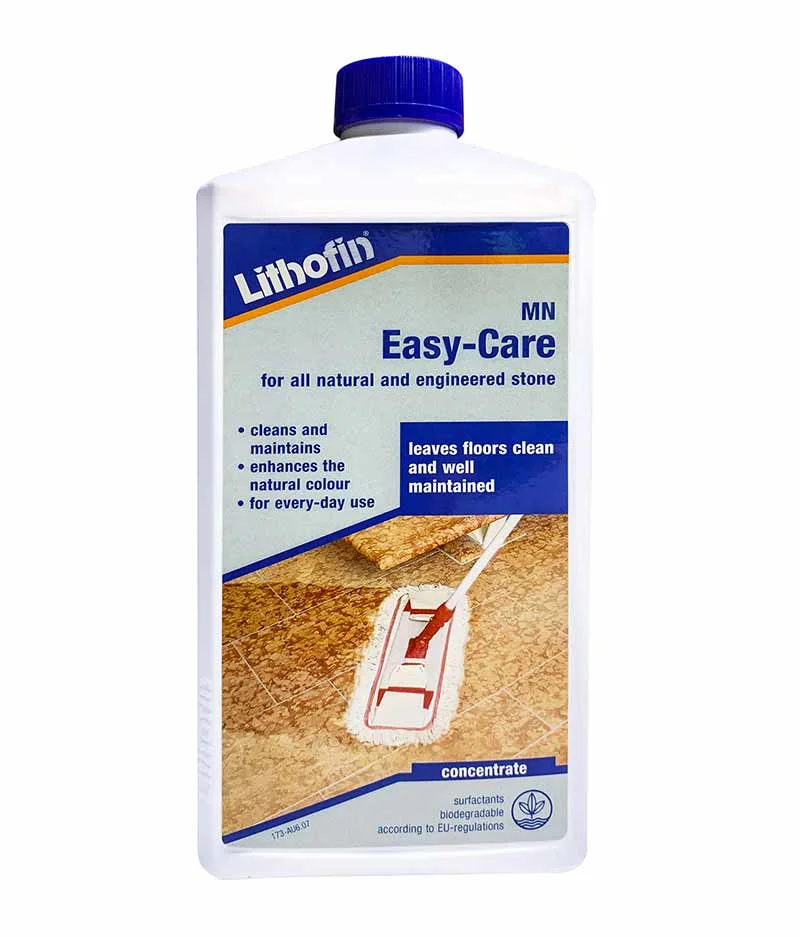
If you are not sure, check the room documentation, ask the installer if available, or look for care instructions from the manufacturer. That quick step can prevent avoidable damage later.
Hardwood, laminate, tile, vinyl, stone, and sealed concrete: basic compatibility
Hardwood often needs the most caution. Many wood floors can handle dry dusting and lightly damp cleaning, but standing water and harsh products are usually a bad match.
Laminate is similar in that it usually prefers minimal moisture. Tile and sealed stone are often more forgiving, though grout, sealants, and surface finishes can change what is safe.
Vinyl is generally easy to maintain, but it can still react badly to abrasive scrubbers or strong chemicals. Sealed concrete can be durable, yet it may still show residue if too much cleaner is used.
| Method / Product | Best For | Be Careful With |
|---|---|---|
| Dry microfiber dust mop | Hardwood, laminate, vinyl, sealed concrete | Heavy grit that may need vacuuming first |
| Light damp microfiber mop | Tile, sealed vinyl, some sealed wood floors | Unsealed wood, oversaturation, sticky residue |
| Vacuum with hard-floor setting | Most floor types | Beater bars or rough heads on delicate finishes |
| Neutral pH floor cleaner | Many sealed floors | Using too much product or mixing formulas |
Why one cleaning habit can help one floor and damage another
A habit like “just mop it every day” sounds simple, but floor surfaces do not all respond the same way. A wet mop may be fine on sealed tile, but it can leave hardwood looking dull or swollen at the edges if water lingers.
Even tools can matter. A rough scrub pad might remove grime from a durable surface, but it can leave fine scratches on softer finishes.
If your home has mixed flooring, it is normal to use more than one method. That is often safer than forcing one routine onto every room.
Quick beginner rule for reading manufacturer care instructions
Look for three things: whether the floor allows water, what cleaner type is approved, and whether there are any tool warnings. If the instructions mention “damp mop only,” take that seriously.
If the guidance is unclear, use the gentlest method first. Dry cleaning plus a lightly damp microfiber cloth is usually safer than starting with a saturated mop and strong detergent.
When care instructions conflict with general cleaning advice, the manufacturer’s guidance should win. That is especially important for warranties, specialty finishes, and newer flooring products.
Simple Daily Floor Cleaning Routine That Gets Easy Results
A beginner-friendly routine works best when it follows the same order each day. Start dry, treat spots, then damp clean only if the floor can handle it.
This sequence helps prevent grime from spreading and keeps the job quick. It also reduces the chance of streaks, sticky residue, and over-wetting.
Begin by removing loose dirt, crumbs, hair, and grit. A microfiber dust mop or a vacuum with a hard-floor setting usually works well for this first pass.
Wipe up spills as soon as you notice them, especially in kitchens and entryways. For sticky spots, use a lightly damp cloth or pad rather than scrubbing hard right away.
If your floor type permits it, use a lightly damp mop with a small amount of approved cleaner. The goal is to freshen the surface, not soak it.
Check for leftover moisture, especially near sinks, doors, and bathroom fixtures. A dry microfiber cloth can help remove streaks and speed up drying.
Step 1: Dry debris removal with sweeping, dust mopping, or vacuuming
This is the most important part for beginners because it prevents grit from turning into scratches. If you mop first, you may just push dirt around and create a muddy film.
Microfiber dust mops are often a good low-effort choice for daily use. Vacuums can be better when you have pets, crumbs, or larger debris, as long as the floor attachment is safe for the surface.
Step 2: Spot cleaning spills, sticky marks, and tracked-in dirt
Spot cleaning keeps daily maintenance manageable. A small spill handled right away is much easier than a dried stain that needs stronger cleaner later.
Use a soft cloth or mop pad and avoid aggressive scrubbing unless the surface can handle it. If a mark does not lift easily, pause and check whether the floor needs a different cleaner or a professional opinion.
Step 3: Light damp cleaning for floors that allow it
Not every floor needs this step every day. For some homes, a dry clean plus spot wipe is enough, while others may benefit from a light pass in kitchens or bathrooms.
If you do damp clean, wring tools well and work in small sections. The floor should look refreshed, not wet.
For readers comparing routines, our daily floor cleaning guide and how to mop a floor properly can help you refine the basics without overcomplicating the process.
Step 4: Drying and finishing touches to prevent streaks and slips
Drying matters more than many beginners expect. Leftover moisture can cause streaks on smooth floors and slippery patches in bathrooms or entryways.
Open a window if possible, use a dry cloth on edges and corners, and check for puddles around appliances or fixtures. Small finishing touches often make the floor look cleaner than the wash itself.
- Remove loose dirt first
- Spot-clean spills right away
- Use only light moisture when allowed
- Dry corners, edges, and traffic paths
Best Floor Cleaning Tools and Products for Beginners in 2025
For beginners, the best tools are usually the ones that make daily cleaning easy to repeat. A simple setup that you will actually use is better than a complicated kit that stays in the closet.
Look for tools that match your floor type and your storage space. The right combination can save time and reduce the chance of accidental damage.
Choosing between microfiber mops, spray mops, string mops, and vacuums
Microfiber mops are often the safest starting point because they pick up fine dust well and use little water. They are especially useful for homes that want quick daily maintenance.
Spray mops can be convenient for light cleaning, but they still need the right cleaner and careful use. String mops can work for some floors, though they are easier to over-wet if you are not paying attention.
Vacuums are excellent for dry debris, pet hair, and crumbs. Just make sure the head and setting are compatible with your flooring, especially on wood or delicate surfaces.
- Microfiber mops for fast daily upkeep
- Vacuuming before damp cleaning
- Spray mops for light, controlled use
- Over-wet string mops
- Vacuum heads that can scratch floors
- Spray bottles that leave too much cleaner behind
Safe everyday cleaners for common floor surfaces
In many homes, a neutral pH cleaner approved for the floor type is a reasonable everyday choice. Water alone may be enough for some spot cleaning, while others need a very small amount of cleaner to lift residue.
Always check whether the product is intended for your specific surface. A cleaner that works on tile may not be the best choice for sealed wood or specialty vinyl.
If you are unsure, avoid strong formulas and test in a small, hidden area first. That small pause can prevent dulling or residue buildup.
Budget-friendly vs premium cleaning setups: what is worth paying for
For most beginners, a good microfiber mop, a safe vacuum attachment, and one approved cleaner are enough to get started. You do not need a large collection of specialty products to keep floors presentable.
Higher-end tools may be worth it if they save time, last longer, or fit a difficult floor layout. But premium does not automatically mean safer for every surface.
Budget setups often work well when you keep the routine simple. Spending more can make sense for durable pads, better wringing systems, or a vacuum that handles your flooring without scratching.
Practical Examples of Daily Floor Cleaning by Room
The best daily routine changes by room because messes are not evenly distributed. A kitchen needs more spill control, while a bedroom usually needs more dust control than scrubbing.
Using room-specific habits can make the whole house easier to maintain without adding much time.
Entryways and mudrooms: handling grit, moisture, and heavy foot traffic
These are the most important rooms for stopping dirt at the door. Grit from shoes can scratch floors quickly, and moisture can leave marks near thresholds.
A daily sweep or vacuum, plus a quick wipe for wet spots, is usually enough to keep these areas under control. If you have a shoe rack or mat, that can reduce the cleaning load too.
Kitchen floors: grease spots, crumbs, and daily spill control
Kitchens usually need the most frequent attention because crumbs and spills happen constantly. Focus on the areas around the sink, stove, and prep zones first.
Light damp cleaning may be helpful here if the floor allows it, but grease and food residue should still be removed gently. Too much cleaner can leave a film that attracts more dirt later, which is why some readers also review why floor gets sticky after mopping before changing their routine.
Bathrooms and laundry areas: moisture management and slip prevention
These rooms often need more drying than scrubbing. Water splashes, detergent drips, and humidity can all make floors feel slippery or dull if they are ignored.
Check around toilets, sinks, washers, and door edges where moisture tends to collect. A dry cloth after cleaning can make a bigger difference than adding more product.
Living rooms and bedrooms: dust control and low-effort upkeep
These spaces usually benefit from regular dust removal rather than heavy cleaning. Pet hair, dust, and small debris often gather along baseboards, under furniture, and near walkways.
A quick vacuum or dust mop is often enough for daily maintenance. If you want a lighter routine that still feels consistent, our weekly mopping guide can help you decide what belongs in a weekly reset versus a daily touch-up.
Common Beginner Mistakes That Can Damage Floors
Most floor damage from daily cleaning does not happen because people clean too little. It usually happens because they use the wrong amount of water, the wrong product, or the wrong tool.
Knowing the common mistakes makes it easier to avoid them from the start.
Using too much water or leaving floors overly wet
Excess water is one of the biggest beginner mistakes, especially on wood and laminate. Even on more durable surfaces, standing water can leave streaks or seep into seams and edges.
Use a wrung-out mop or lightly damp pad, and dry problem areas right away. If a floor stays wet for a long time after cleaning, that is a sign the method needs adjusting.
Mixing the wrong chemicals or using harsh cleaners
Some cleaners are not meant to be combined, and some surfaces do not respond well to strong formulas. Bleach, ammonia-based products, and other harsh chemicals can be risky if they are not approved for the floor type.
When in doubt, keep it simple. Use one compatible cleaner, follow the label, and avoid mixing products in the bucket or spray bottle.
Scrubbing with abrasive tools that leave scratches
Scouring pads, rough brush heads, and gritty cloths can leave permanent marks on softer finishes. What looks like a stubborn spot may actually be a surface that needs gentler treatment.
If a mark does not come off easily, stop and reassess. You may need a different cleaner, more dwell time, or a professional recommendation instead of more pressure.
Skipping debris removal before mopping, which can spread grime
Mopping over crumbs and grit turns dry dirt into a muddy film. That usually makes the floor look worse, not better, and can leave streaks behind.
Always remove loose debris first. This single habit improves results more than almost any other daily floor care step.
Do not rush straight to the mop when the floor is dusty or gritty. Dry debris should come off first, or you may grind particles into the finish and spread residue around.
When Daily Cleaning Is Not Enough and You Should Call a Flooring Professional
Daily cleaning is useful, but it cannot fix every problem. Some signs point to surface damage, installation issues, or finish failure that needs more than routine care.
If you see changes that keep coming back after cleaning, it is worth asking for professional help before the damage spreads.
Signs of deeper damage: warping, dulling, stains, squeaks, or loose tiles
Warping, cupping, or lifted edges can suggest moisture damage or structural issues. Persistent dullness may mean the finish is worn down rather than simply dirty.
Deep stains, loose tiles, squeaks, or movement underfoot can also signal a problem beyond cleaning. At that point, routine mopping is unlikely to solve the root cause.
When refinishing, resealing, or repair is needed instead of routine cleaning
Some floors need a new protective layer, not more detergent. That is especially true for wood, stone, and other surfaces where the finish or seal has worn away.
If a floor looks clean but still feels rough, streaky, or patchy, a repair or reseal may be more appropriate than another cleaning cycle. For expensive surfaces, it is smart to ask before experimenting.
Situations where a pro can save time, money, and prevent permanent damage
A flooring professional can be helpful when you are dealing with warranty questions, unknown materials, or stains that do not respond to safe household cleaning. They can also advise on whether a product is compatible with your finish.
If you are managing a large home, commercial-style wear, or a floor you are unsure how to clean, professional guidance may prevent costly mistakes. That is often cheaper than repairing damage later.
Final Recap: Building a Beginner-Friendly Floor Cleaning Habit That Stays Easy
The easiest routine is the one you can repeat. For most beginners, that means dry debris removal first, quick spot cleaning second, and only light damp cleaning when the floor type allows it.
Once you know your floor surface and traffic patterns, daily care becomes much simpler. You can focus on the rooms that need attention most instead of trying to deep clean everything every day.
The simplest daily routine to remember
Think: remove dirt, clean spots, then lightly wipe only if needed. That order keeps the job manageable and helps prevent streaks and residue.
If you only remember one thing, remember to start dry. That single habit solves many beginner floor cleaning problems before they begin.
How to keep results consistent without overcleaning
Consistency matters more than intensity. A short daily reset often works better than occasional heavy cleaning that leaves floors wet, sticky, or scratched.
If your floor starts looking dull or tacky, the answer may be to use less product, not more. For more troubleshooting, see our guide on daily floor cleaning mistakes.
Encouragement for beginners to adjust the routine as the home changes
Your routine does not need to stay exactly the same forever. New pets, kids, weather changes, and different flooring all affect how often and how deeply you should clean.
Start simple, watch how your floors respond, and adjust as needed. That is the most practical way to build a floor care habit that stays easy over time.
Frequently Asked Questions
Most beginners should do a quick dry clean every day in high-traffic areas and spot-clean spills as they happen. Full damp mopping depends on the floor type and how much mess the room gets.
No, many floors only need debris removal and spot cleaning daily. Wood, laminate, and some specialty finishes can be damaged by too much moisture, so check care instructions first.
A dry microfiber dust mop or vacuum with a hard-floor setting is usually the safest starting point. Then use light spot cleaning or a lightly damp mop only where the floor allows it.
Streaks often come from too much cleaner, too much water, or leftover dirt that was not removed first. Using less product and drying the floor well usually helps.
Usually no, because different surfaces have different compatibility needs. Always check the label and your flooring instructions before using one cleaner throughout the home.
Call a professional if you see warping, loose tiles, deep stains, squeaks, or damage that keeps returning after cleaning. Professional help is also smart for expensive floors, warranty concerns, or unknown materials.
