
Beginner Guide to Monthly Deep Cleaning Made Easy

Monthly deep cleaning should focus on buildup in kitchens, bathrooms, entryways, and hidden floor edges while using floor-safe tools and minimal moisture. The safest beginner routine is to remove dry debris first, test products, and match your method to the specific floor type.
If you are new to home care, a beginner guide to monthly deep cleaning can make the process feel much less overwhelming. The goal is not to scrub everything perfectly in one day, but to tackle the buildup that weekly cleaning usually misses and protect your floors and surfaces along the way.
- Start with dry debris: Vacuum or dust mop before any wet cleaning.
- Match the floor type: Hardwood, tile, vinyl, stone, and laminate need different care.
- Keep moisture low: Too much water can damage many floors and leave residue.
- Clean high-buildup zones: Focus on kitchens, bathrooms, entryways, and under furniture.
- Ask for help when needed: Damage, warping, or stubborn stains may need professional advice.
What a Beginner Monthly Deep Cleaning Routine Should Actually Cover in 2025
A good monthly routine focuses on the places where dust, grease, moisture, and tracked-in dirt quietly collect. For most homes, that means cleaning beyond visible surfaces and paying attention to edges, corners, vents, baseboards, and floor areas that get skipped during quick tidy-ups.
Monthly deep cleaning also works best when it matches the way you live. A small apartment with one or two occupants will not need the same level of attention as a busy family home, a pet household, or a space with lots of foot traffic. If you want a broader system to build from, FloorsMop’s monthly cleaning guide can help you think through the full home-care picture.
Why monthly deep cleaning matters beyond weekly upkeep
Weekly cleaning helps keep dirt under control, but it usually only handles what is easy to see. Monthly deep cleaning is where you deal with buildup that can affect how your home looks, smells, and wears over time.
It can also reduce the chance that grime becomes harder to remove later. For example, grease in kitchens, soap residue in bathrooms, and fine dust under furniture can settle into surfaces and make routine cleaning less effective.
Think of monthly deep cleaning as maintenance, not punishment. A steady routine is easier on floors and finishes than waiting until dirt becomes embedded.
What “deep cleaning” means for different home sizes and lifestyles
Deep cleaning does not need to mean the same thing for every household. In a smaller home, it may mean one focused session covering floors, fixtures, and hidden dust spots. In a larger home, it may be smarter to split tasks across several days or one zone at a time.
Lifestyle matters too. Homes with kids, pets, allergies, or frequent guests often need more attention to entryways, floors, and soft surfaces. If your routine is already crowded, it may help to pair monthly tasks with your existing schedule rather than trying to create a separate cleaning marathon.
Monthly deep cleaning should be adjusted to your floor type, finish, and manufacturer guidance. What works on one surface can be risky on another.
Preparing Your Home: Tools, Products, and Safety Basics for First-Timers
Before you start, gather the basics so you are not stopping mid-task to hunt for supplies. A beginner setup should be simple, floor-safe, and easy to reuse each month.
It is also worth checking labels carefully. Some cleaners are fine for sealed tile or vinyl but too harsh for hardwood or natural stone, and some mops hold too much water for delicate floors.
Simple starter checklist for beginners
You do not need a huge supply closet to deep clean well. A small set of reliable tools is usually enough for most homes.
- Microfiber cloths and dusting pads
- Vacuum with attachments or a dust mop
- Bucket or spray bottle, depending on your floor
- Mild cleaner approved for your surface
- Soft scrub brush for grout or textured areas
- Dry towels for spot drying and finishing edges
If you want to keep floors cleaner between monthly sessions, pairing this routine with a lighter weekly habit can help. A simple weekly mopping guide can make monthly deep cleaning faster and less tiring.
Choosing floor-safe cleaners, mops, and microfiber tools
Microfiber tools are a smart starting point because they lift dust well and usually need less liquid than old-fashioned string mops. That matters for floors that dislike excess moisture, especially hardwood, laminate, and some vinyl products.
For cleaners, choose formulas made for the surface you are cleaning. A neutral cleaner is often a safer choice than a strong all-purpose product, but “gentle” does not automatically mean “safe for everything.”
- Microfiber mops and cloths on sealed floors
- Low-moisture cleaning on wood, laminate, and vinyl
- Soft brushes for grout and corners
- Very wet mops on moisture-sensitive flooring
- Abrasive pads on glossy or delicate finishes
- Strong chemicals on natural stone or unfinished wood
How to test products before using them on a full room
Testing a cleaner first is one of the safest habits a beginner can build. Use a small hidden area, apply the product as directed, and wait long enough to check for dulling, residue, discoloration, or swelling.
This is especially important for floors with special finishes, older surfaces, or repair history. If the product changes the look or feel of the test spot, do not use it on the full room.
Do not assume a cleaner is safe just because it is marketed as natural, plant-based, or multipurpose. Always verify compatibility with your exact floor type.
Room-by-Room Monthly Deep Cleaning Plan That Works
The easiest way to stay consistent is to clean room by room. That keeps the work manageable and helps you notice problems like sticky spots, moisture buildup, or dust collecting in the same areas every month.
A practical plan also makes it easier to spot when a room needs more than cleaning. Stains that keep returning, warped flooring, or recurring odor issues may point to a deeper problem.
Kitchen: grease, crumbs, baseboards, and hidden buildup
The kitchen usually needs the most attention because it combines food debris, grease, moisture, and heavy foot traffic. Start by removing dry crumbs from under appliances, along cabinet toe kicks, and around the edges of the floor.
Then wipe cabinet fronts, switch plates, handles, and baseboards. Pay special attention to the area behind trash bins and under sink cabinets, where spills and splashes often go unnoticed.
For greasy buildup, use a cleaner that is safe for your surface and follow it with a dry wipe if needed. On floors, remove dry debris first so you do not turn crumbs into a muddy film.
Bathrooms: grout, moisture, and disinfecting high-touch zones
Bathrooms need monthly attention because moisture can leave residue behind and encourage grime in grout lines, around toilet bases, and near sinks. Focus on the zones that get frequent contact, such as faucet handles, light switches, and door hardware.
For tile floors, grout often needs a soft brush and a cleaner suited to the tile and grout type. Avoid flooding the floor, especially near seams, transitions, or older caulk lines.
If you are disinfecting, follow product directions carefully. Disinfecting is not the same as general cleaning, and using too much product will not make the job better.
Living areas and bedrooms: dust control, corners, vents, and under furniture
Living rooms and bedrooms often look clean at a glance, but they collect dust where furniture meets the floor. Monthly deep cleaning should include under beds, behind sofas, around vents, and in corners where lint and pet hair gather.
Use a vacuum attachment or dust mop before any damp cleaning. That step helps prevent grit from scratching floors and keeps dust from spreading into the air.
In bedrooms, check baseboards, lamp cords, and closet edges. In living rooms, pay attention to coffee tables, media stands, and the floor beneath high-use seating.
Entryways and hallways: the most overlooked dirt traps
Entryways and hallways often collect the most tracked-in dirt, even though they are easy to overlook. Shoes, bags, umbrellas, and pet paws all leave behind grit that can wear on floors over time.
Monthly cleaning should include door mats, corners, trim, and the areas directly inside and outside the main entrance. If your home has a lot of foot traffic, these spaces may need more frequent attention than once a month.
Dry soil is one of the biggest causes of floor wear. Removing grit before mopping helps protect finishes and improves cleaning results.
Beginner Guide to Monthly Deep Cleaning by Floor Type
Floor type matters as much as room type. The same cleaning method can be helpful on one surface and harmful on another, so it pays to slow down and match the routine to the material.
If you are unsure, start with the most conservative method: dry debris removal, minimal moisture, and a cleaner approved by the manufacturer whenever possible.
Hardwood floors: what to do and what to avoid
Hardwood usually benefits from careful dust removal and light damp cleaning rather than soaking. Use a microfiber mop or cloth, keep water use minimal, and dry the floor if any moisture remains.
Avoid steam, overly wet mops, and harsh scrub pads unless your flooring maker specifically allows them. Even sealed wood can be damaged by too much water over time.
If you want a more detailed maintenance rhythm, FloorsMop’s hardwood floor mopping guide is a useful companion for deciding how often to clean without overdoing it.
Tile and grout: loosening dirt without damaging joints
Tile is often more forgiving than wood, but grout can still be delicate. Use a cleaner suited to tile, let it sit only as directed, and scrub grout gently rather than aggressively.
Too much force can wear down grout over time, especially if it is older or already crumbling. A soft brush and patient cleaning usually work better than repeated hard scrubbing.
For textured tile, work in smaller sections so cleaner does not dry before you can rinse or wipe it away.
Laminate and vinyl: moisture control and streak-free cleaning
Laminate and vinyl are popular because they are relatively easy to maintain, but they still need moisture control. Use a lightly damp mop, not a dripping one, and avoid leaving puddles near seams or edges.
Streaks often come from too much cleaner or not enough drying. If the floor looks cloudy after mopping, try less product and a cleaner microfiber pad.
For vinyl-specific cleaning concerns, it may help to review whether a steam mop is appropriate for vinyl floors before adding heat or excess moisture to your routine.
Natural stone and specialty floors: why gentler care matters
Natural stone, polished specialty surfaces, and some sealed finishes can react badly to acidic or abrasive products. Vinegar, strong degreasers, and scratchy pads may cause dulling or etching depending on the stone.
When in doubt, choose the mildest approved cleaner and avoid shortcuts. Specialty floors are expensive to repair, so cautious maintenance is usually the safest long-term choice.
Do not use a one-size-fits-all cleaner on stone, terrazzo, or other specialty floors unless the label clearly says it is safe for that surface.
Area rugs and carpet edges: finishing the floor care routine
Rugs and carpet edges collect dust that can migrate back onto hard floors. Vacuum along the edges, under rug corners, and where furniture legs sit, since these spots trap more debris than people expect.
If you have area rugs on hard flooring, check the rug pad too. Dirt trapped underneath can scratch floors and create odors if moisture gets in.
Common Monthly Deep Cleaning Mistakes That Can Damage Floors
Many floor problems start with good intentions and the wrong method. Beginners often use too much water, too much product, or too much force because they assume stronger cleaning means better results.
In reality, floor care is usually about control. The less aggressive approach is often the safer one.
Using too much water or the wrong mop
Wet mops can leave behind hidden moisture that seeps into seams, edges, and transitions. That is especially risky for hardwood, laminate, and some vinyl products.
A mop that stays too wet can also spread dirty water around instead of removing it. If your floor takes a long time to dry, that is usually a sign the method needs adjusting.
Mixing cleaners or overusing harsh chemicals
Never mix cleaning products unless the label specifically says it is safe. Some combinations can create fumes, reduce cleaning performance, or leave a residue that attracts more dirt.
Even when products are safe to use separately, more is not always better. Overapplying cleaner can leave streaks, stickiness, or a film that makes floors look worse after cleaning.
Scrubbing too aggressively on delicate finishes
Hard scrubbing can scratch glossy floors, wear down protective coatings, and damage grout edges. If a stain is not lifting, pause and check whether the product needs more dwell time rather than more force.
For stubborn spots, a soft tool used patiently is usually safer than an abrasive pad. If the stain still does not move, it may be time to ask for professional advice.
Skipping dry debris removal before wet cleaning
Vacuuming or dust mopping first is not optional if you want a good result. Dry dirt can turn into a gritty paste when it meets water, which can create streaks and scratch floors.
This is one of the simplest habits to build, and it often improves the final result more than any fancy product. If you struggle with sticky residue after mopping, FloorsMop also covers common monthly cleaning mistakes to help you spot what may be going wrong.
How to Save Time and Money Without Cutting Corners
Monthly deep cleaning does not have to be expensive or time-consuming. The key is to choose a routine that fits your home, your budget, and your energy level.
Simple systems often work better than overcomplicated ones, especially if you are just getting started.
DIY routine vs. hiring a professional cleaner: what to compare
A DIY routine gives you control over products, timing, and floor compatibility. It is usually the better choice for regular maintenance when floors are in decent condition and the job is straightforward.
Hiring a professional can make sense when time is limited, the home is large, or the floors need specialized care. It may also be worth considering if you are dealing with heavy buildup, delicate materials, or recurring stains that do not respond to normal cleaning.
| Method / Product | Best For | Be Careful With |
|---|---|---|
| DIY monthly routine | Routine upkeep, small to medium homes, budget control | Time commitment, learning product compatibility |
| Professional cleaning | Large homes, stubborn buildup, specialty flooring | Higher cost, service quality varies by provider |
| Microfiber mop system | Low-moisture cleaning on many sealed floors | Need to keep pads clean and replace worn pads |
Estimated cost factors for supplies and services in 2025
Costs can vary widely based on location, brand choices, and whether you already own basic tools. The biggest ongoing expenses are usually replacement pads, refill cleaner, and occasional brush or vacuum accessory replacements.
If you are comparing options, think about long-term value rather than just the initial purchase. A better mop head or washable pad may cost more upfront but save money over time.
For many beginners, the lowest-cost option is not the cheapest cleaner on the shelf, but the one that works safely on the first try and avoids floor damage.
How to batch tasks and clean more efficiently
Batching means doing similar tasks in one pass. Dust all rooms first, then vacuum, then damp clean, then dry touch-ups. That reduces backtracking and helps you stay organized.
You can also clean by zone instead of by room if that suits your layout better. For example, do all baseboards in one session or all floors in one pass, then move to surfaces the next day.
When to Ask a Flooring Professional for Help
Some situations are bigger than routine cleaning. If you notice damage, unusual wear, or a cleaning problem that keeps coming back, it is wise to pause before trying stronger products.
Getting help early can prevent a small issue from becoming a costly repair.
Signs of damage, dullness, warping, or persistent stains
Look for buckling, soft spots, lifting edges, deep scratches, cloudy finishes, or stains that do not improve with gentle cleaning. These can signal a surface problem rather than a cleaning problem.
Persistent dullness may also mean the finish is wearing out or has been damaged by the wrong product. In that case, more mopping will not fix the issue.
When deep cleaning is not enough and refinishing may be needed
If the floor still looks worn after careful cleaning, it may need restoration rather than maintenance. That is especially true for hardwood, some stone surfaces, and floors with damaged coatings.
Refinishing is not a casual DIY decision for every homeowner. The right approach depends on the material, the extent of wear, and whether the floor can be safely restored.
Situations where manufacturer guidance or pro advice is essential
Always check manufacturer guidance when you have a new floor, an expensive finish, or a warranty concern. If the home has older flooring, mixed materials, or past repairs, a professional opinion can help you avoid accidental damage.
This is also important when you are unsure whether a product is compatible with your exact surface. When the stakes are high, a cautious approach is the best one.
Final Recap: A Simple Monthly Deep Cleaning Routine Beginners Can Repeat
A beginner guide to monthly deep cleaning works best when it stays simple, floor-safe, and repeatable. Focus on dry debris first, use the right cleaner for the right surface, and keep moisture under control.
That approach protects floors, saves time, and helps your home feel cleaner for longer without turning every month into a major project.
Key takeaways for keeping floors cleaner for longer
Monthly deep cleaning should target buildup in kitchens, bathrooms, entryways, and under furniture. It should also match the needs of hardwood, tile, laminate, vinyl, stone, and rugs rather than treating every floor the same.
When in doubt, go gentler, test products first, and stop if a surface starts to look damaged or feel unusual.
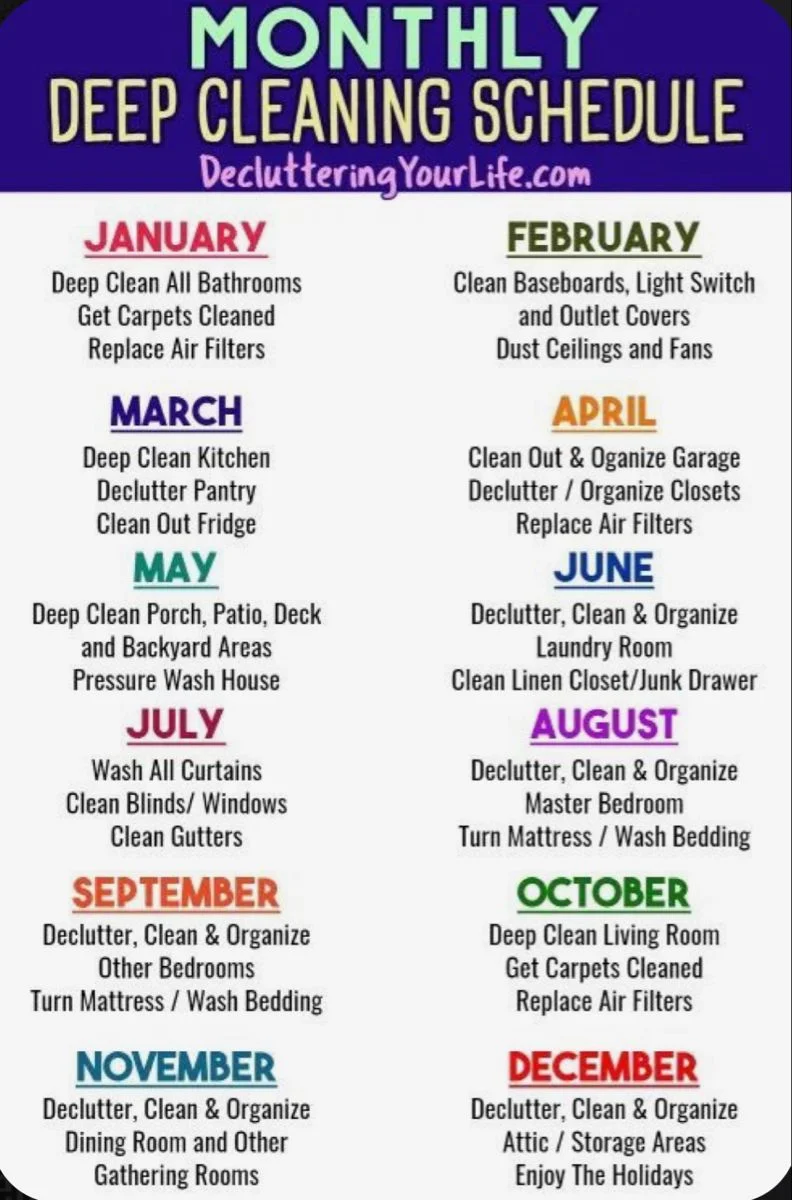
How to build a realistic monthly schedule you can stick to
Choose one weekend, one room cluster, or one zone each month and repeat it consistently. A realistic routine is better than an ambitious plan you cannot maintain.
If you keep the schedule simple and pair it with regular upkeep, monthly deep cleaning becomes much easier to manage and much less stressful to repeat.
Frequently Asked Questions
Focus on buildup that weekly cleaning misses, like baseboards, corners, vents, grout, and under furniture. Kitchens, bathrooms, and entryways are usually the best places to start.
It depends on home size and how much buildup you have. Many beginners do better by splitting the work across a few short sessions instead of trying to finish everything at once.
Not always. Hardwood, laminate, vinyl, tile, and natural stone can each need different products, so always check the label and the flooring manufacturer guidance.
Yes, dry debris removal should come first. Vacuuming or dust mopping keeps grit from turning into muddy residue and helps protect the floor surface.
It depends on the floor type. Steam may be unsuitable for hardwood, some vinyl, laminate, and specialty finishes, so check the manufacturer instructions before using it.
Ask for professional help if you see warping, deep scratches, cloudy finishes, persistent stains, or damage that does not improve with gentle cleaning. It is also smart to get advice for expensive or specialty floors.
