
Beginner Guide to Patio Tiles for a Stunning Outdoor Space

Choose patio tiles based on weather exposure, slip resistance, and how much cleaning you want to do. Porcelain is often the easiest beginner option, while natural stone needs more care and product compatibility checks.
If you are just getting started with patio upgrades, the right tile choice can make outdoor cleaning easier, safer, and more durable over time. This beginner guide to patio tiles breaks down the main tile types, what to match them with, and how to keep them looking good without overcomplicating maintenance.
- Tile choice matters: Comfort, durability, and cleaning needs all depend on the material.
- Porcelain is beginner-friendly: It is often easier to maintain and handle outdoors.
- Stone needs caution: Use stone-safe cleaners and check sealing needs.
- Base surface matters: Drainage, slope, and substrate condition affect performance.
- Clean gently: Regular sweeping and tile-safe products prevent most issues.
What a Beginner Needs to Know About Patio Tiles in 2025
Patio tiles do more than change the look of an outdoor space. They also affect how comfortable the surface feels underfoot, how well it handles weather, and how much cleaning you will need to stay ahead of dust, pollen, and moisture.
For beginners, the biggest mistake is choosing a tile based only on appearance. A tile that looks beautiful in a showroom may be too slippery when wet, too porous for your climate, or too demanding to clean around furniture and foot traffic.
Why patio tile choice affects comfort, durability, and outdoor style
Comfort matters because patios are often used barefoot, with pets, or for long gatherings. Texture, heat retention, and slip resistance all influence how pleasant the surface feels in real life.
Durability matters because outdoor surfaces face sun, rain, dirt, and seasonal debris. Some tiles hold up well with simple rinsing, while others need sealing, grout care, or more careful product selection.
Style matters too, but the best outdoor look is usually the one that still works after the first season of weather exposure. A good tile should fit your home and also support practical floor care.
What readers want from a beginner guide to patio tiles
Most beginners want a simple way to compare tile types, understand what works for their space, and avoid costly cleaning mistakes later. They usually need guidance on what is easy to maintain, what needs sealing, and what should be avoided on delicate finishes.
They also want to know how patio tiles interact with the surface underneath. That includes drainage, slope, existing floor compatibility, and whether the area is covered or fully open to the elements.
Best Patio Tile Types for Different Outdoor Spaces
There is no single best patio tile for every space. The right choice depends on how much weather exposure the area gets, how often you clean it, and whether you want a low-maintenance finish or a more premium look.
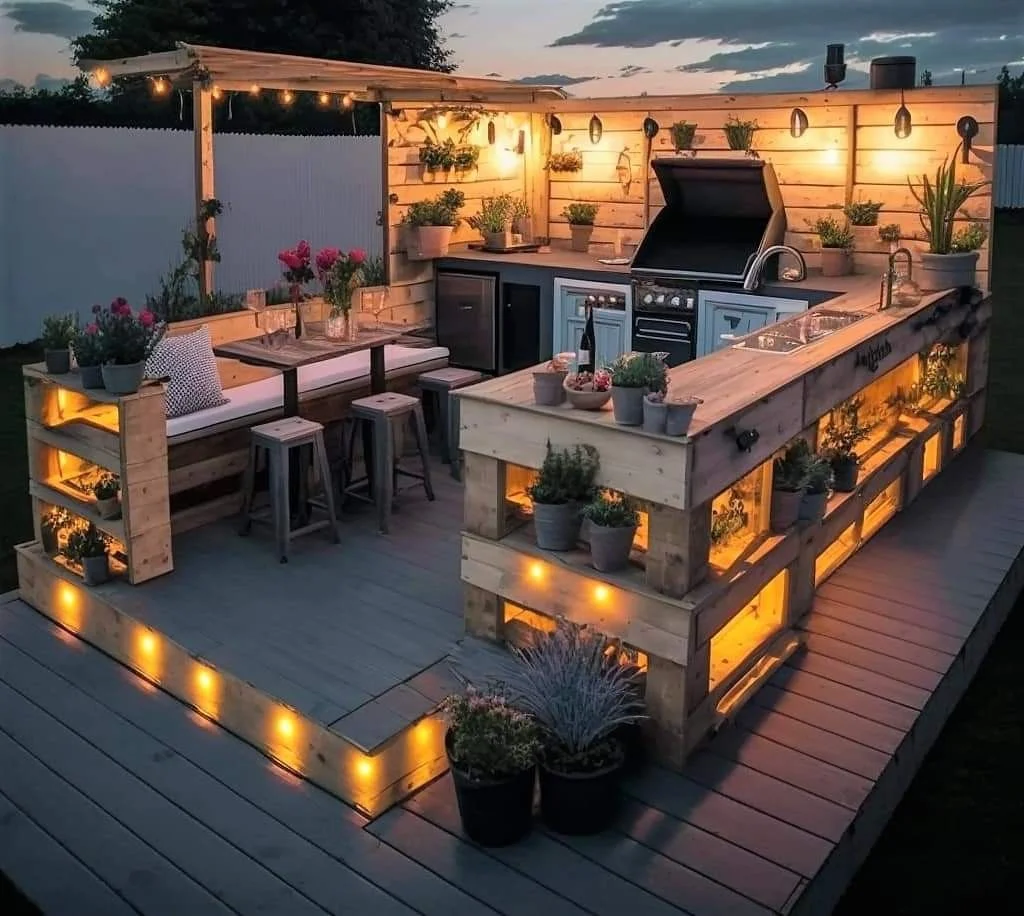
Porcelain patio tiles for low-maintenance, weather-resistant surfaces
Porcelain is often a strong beginner choice because it is typically dense, durable, and easier to wipe down than more porous materials. It can work well for patios where you want a cleaner look with less frequent sealing.
That said, the exact performance depends on the tile finish and installation quality. Textured porcelain can improve traction, while overly smooth finishes may be less forgiving in wet conditions.
For porcelain patio tiles, start with dry debris removal before wet cleaning. Sweeping or blowing off grit first helps reduce streaks and keeps dirt from settling into grout lines.
Natural stone tiles for a premium look and how they compare on upkeep
Natural stone can create a richer, more organic outdoor look, especially in spaces meant to feel high-end or timeless. However, upkeep is usually more involved than with porcelain or composite options.
Stone may need sealing depending on the type and finish, and some stones are more sensitive to acidic cleaners or standing moisture. If you want a premium look, be realistic about the care routine you are willing to maintain.
Concrete and composite tile options for budget-friendly patios
Concrete tiles can be a practical choice when budget matters and you want a sturdy surface with a simple visual style. Composite tile systems may also appeal to beginners because some are designed for easier installation and replacement.
These materials can be useful for casual outdoor spaces, but quality varies widely. A lower-cost tile may save money upfront yet require more frequent cleaning, replacement, or attention to fading and surface wear.
Which tile types work best for covered patios, open patios, and balconies
Covered patios usually give you more flexibility because the surface is less exposed to rain and direct sun. In that setting, many tile types can work well if the subfloor is stable and moisture is managed properly.
Open patios need stronger weather resistance and better slip control. Balconies and rooftop terraces often require extra attention to weight, drainage, and waterproofing, so compatibility matters as much as appearance.
How to Match Patio Tiles to Your Existing Floor Type
Before buying any tile, think about what is already underneath it. The base surface can determine whether the project is straightforward or whether it needs professional evaluation.
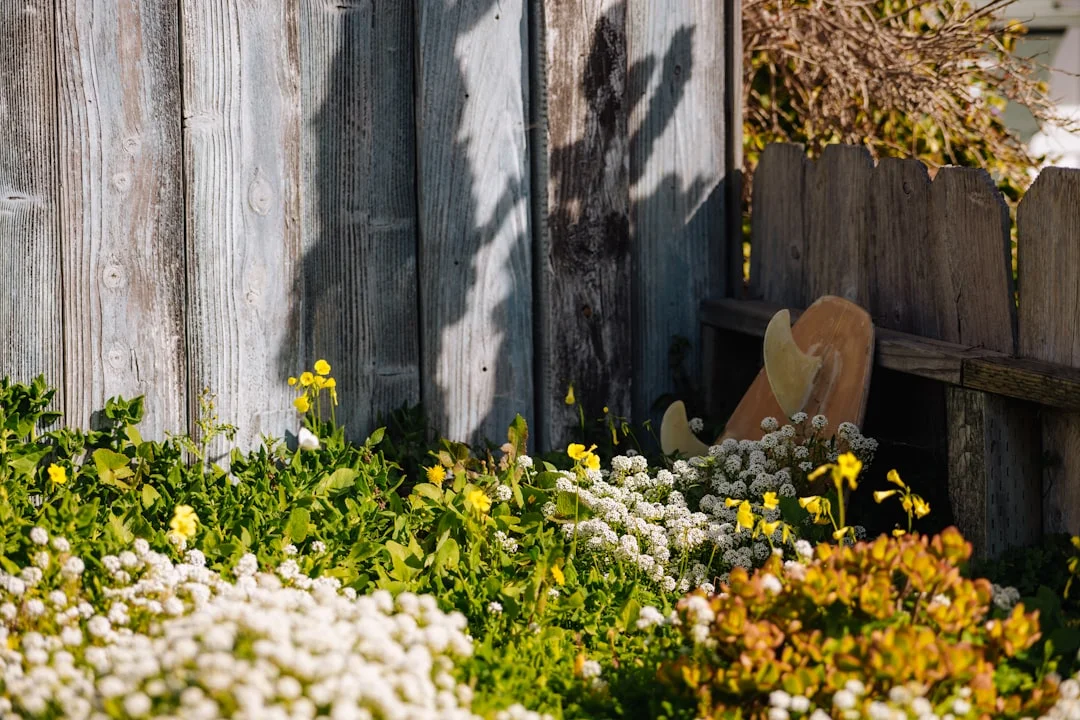
Compatibility with concrete slabs, wood decks, and rooftop terraces
Concrete slabs are often the easiest base for patio tile, assuming they are level enough and not showing major cracking or movement. Wood decks are more complicated because they flex, and not every tile system is suitable for that type of structure.
Rooftop terraces can be especially sensitive because weight, waterproofing, and drainage all matter. If the structure is older or already showing signs of wear, it is worth getting advice before installation.
Drainage, slope, and moisture considerations before installation
Outdoor tile should not trap water. Even durable tile can become a maintenance problem if the surface holds puddles, because moisture can lead to staining, algae, slippery spots, or grout deterioration.
Check for slope before installing or cleaning heavily. If water always pools in one area, no cleaner will fully solve the issue until the drainage problem is addressed. [Source: Wikipedia]
Do not assume a tile is safe just because it is outdoor-rated. If the base surface has poor drainage or hidden moisture, the tile can still become slippery, stained, or damaged.
Slip resistance and texture choices for wet or shaded outdoor areas
Shaded patios, north-facing spaces, and areas near pools often stay damp longer. In these settings, a lightly textured finish is usually more practical than a polished surface.
Too much texture can hold dirt, though, so there is a balance to strike. The goal is a surface that feels secure underfoot without becoming difficult to rinse and scrub.
Cleaning and Maintenance Basics for Patio Tiles
Good patio tile care is usually simple, but it works best when done consistently. The main goal is to prevent grit, organic debris, and moisture from building up long enough to cause stains or surface dullness.
Daily and weekly cleaning routines for outdoor dust, pollen, and debris
Daily care may be as basic as a quick sweep or leaf blow, especially during pollen season or after windy weather. This keeps fine debris from settling into grout and textured surfaces.
Weekly cleaning can include a rinse and a gentle mop or soft brush scrub, depending on the tile finish. For larger patios, a routine that breaks the job into sections is often easier to maintain than a full deep clean every time.
- Sweep or blow off loose dirt first
- Rinse away pollen and surface dust
- Use a pH-appropriate cleaner for the tile type
- Scrub grout lines if dirt is collecting there
- Dry or air out shaded areas when possible
Best cleaning products for porcelain, stone, and textured tile surfaces
Porcelain usually handles a wider range of gentle cleaners, but a neutral or tile-safe formula is still the safest starting point. Natural stone often needs a cleaner made specifically for stone to reduce the risk of dulling or etching.
Textured surfaces may need a soft-bristle brush to lift dirt from the grooves. If you want more general floor-care guidance on preventing residue and streaking, see our weekly mopping guide and streaky floors guide.
| Method / Product | Best For | Be Careful With |
|---|---|---|
| Neutral tile cleaner | Porcelain and many sealed outdoor tiles | Always check the label for stone compatibility |
| Stone-safe cleaner | Natural stone patios | Avoid acidic or harsh alkaline formulas |
| Soft brush scrub | Textured tile and grout lines | Do not use stiff wire tools or abrasive pads |
How weather, foot traffic, and outdoor furniture affect maintenance needs
Weather changes how often you need to clean. Rain can leave mineral spots or muddy residue, while dry, windy conditions can bring in dust and grit that scratch surfaces over time.
Heavy foot traffic, planters, and furniture legs add another layer of wear. Using felt or protective pads under furniture can reduce scuffing, but those pads still need checking because outdoor moisture can loosen them.
Common Cleaning Mistakes Beginners Make With Patio Tiles
Many patio tile problems come from cleaning the surface the wrong way rather than from the tile itself. A gentle, consistent approach is usually safer than trying to scrub harder when a stain appears.
Using harsh acids, bleach, or abrasive tools on delicate tile finishes
Strong chemicals can damage stone, etch finishes, or weaken grout over time. Abrasive tools may also leave scratches that trap dirt and make the patio look dull faster.
If a product sounds powerful but does not clearly match your tile type, it is better to pause and check compatibility first. This is especially important with natural stone and decorative finishes.
Ignoring grout lines, drainage channels, and trapped moisture
Grout lines often collect more dirt than the tile surface itself. If they are skipped during routine cleaning, the patio can start to look older than it really is.
Drainage channels matter too because trapped debris can block water flow. Once moisture sits in the wrong place, cleaning becomes less effective and the risk of slippery buildup increases.
Skipping sealers or using the wrong cleaner for natural stone
Some patio materials benefit from sealing, while others may not need it. The key is to follow the needs of the specific tile or stone rather than assuming every outdoor surface should be treated the same way.
Using the wrong cleaner on stone can cause permanent-looking marks or a faded finish. If you are unsure whether your surface is sealed, unsealed, or already damaged, that is a good point to ask a professional for help.
Natural stone care varies by material, finish, and sealer condition. When in doubt, test any cleaner on a small hidden area before using it across the whole patio.
Cost Comparison: Budget, Mid-Range, and Premium Patio Tile Choices
It is tempting to focus only on the purchase price, but long-term care matters just as much. A tile that costs less upfront can become more expensive if it stains easily, needs frequent sealing, or wears unevenly.
Upfront material costs versus long-term cleaning and repair costs
Budget tiles may be fine for simple spaces, especially if the patio gets limited use. But if the material is harder to clean or more prone to damage, you may spend more over time on cleaners, sealers, repairs, or replacement.
Mid-range and premium tiles often cost more initially, but they can be easier to maintain if they are chosen correctly for the setting. The real value depends on how long the surface stays attractive with normal care. [Source: Britannica]
Think beyond the tile price alone. Add in cleaning products, sealer needs, replacement pieces, and the time required for upkeep before deciding what is truly budget-friendly.
When a cheaper tile becomes more expensive over time
A lower-cost tile can become expensive if it fades quickly, cracks under weather stress, or needs constant spot treatment. The same is true if the finish traps dirt so often that cleaning becomes frustrating.
This is why beginners should compare maintenance needs as carefully as style. A surface that is easier to keep clean often saves time and reduces the chance of avoidable damage.
Practical examples of tile choices for small patios versus larger outdoor spaces
For a small patio, a beginner may prefer a durable tile with a simple finish because cleaning time is lower and replacement costs are easier to manage. For a larger space, ease of upkeep becomes even more important because every extra step multiplies across the whole area.
Large open patios often benefit from tiles that resist weather and clean easily, while compact covered spaces may allow more decorative choices. If you are also planning a broader home reset, our spring cleaning guide can help you build a simple maintenance routine around the patio.
When to Ask a Flooring Professional Before You Buy or Clean
Some patio tile decisions are simple, but others involve safety, structure, or warranty concerns. When the surface is expensive or the condition is uncertain, a professional opinion can prevent costly mistakes.
Signs your patio has uneven settling, cracked substrate, or water damage
If the patio feels uneven, has recurring cracks, or shows signs of water intrusion, the issue may be underneath the tile rather than on top of it. Cleaning alone will not fix a shifting base or hidden moisture problem.
These signs are especially important to address before installing new tile. Covering a damaged base can make later repairs more complicated and expensive.
When tile installation, sealing, or deep cleaning needs expert help
Installation questions are worth professional input if the patio is on a deck, balcony, or rooftop terrace. Sealing can also be tricky because the wrong product or timing may change the finish or affect breathability.
Deep cleaning may need expert help if stains have set in, grout has deteriorated, or the surface has already reacted badly to a previous cleaner. In those cases, more scrubbing is not always the answer.
Situations where professional advice can prevent costly damage
Ask for help before using a new cleaner on an expensive stone patio, before sealing a surface you do not fully understand, or before installing tile over a questionable base. That is especially true if the patio has visible movement, moisture, or past repair patches.
Professional advice can also help if you are comparing tile options and are unsure which one matches your climate and maintenance habits. A short consultation is often cheaper than correcting avoidable damage later.
Final Recap: Choosing Patio Tiles That Stay Beautiful and Easy to Maintain
The best beginner patio tile is usually the one that fits your space, your weather exposure, and the amount of cleaning you are realistically willing to do. Porcelain is often the easiest starting point, while natural stone offers a premium look with more care requirements.
Whatever you choose, focus on drainage, slip resistance, and compatibility with the surface underneath. Those details matter just as much as style if you want the patio to stay safe and attractive.
Quick summary of the best beginner-friendly tile decisions
Choose a surface that matches the patio’s exposure level, not just the design you like most. Covered patios allow more flexibility, while open patios and balconies usually need more durable, moisture-aware options.
Key takeaways for keeping patio tiles clean, safe, and long-lasting
Use gentle cleaners, keep debris off the surface, and pay attention to grout, drainage, and moisture. If the patio has structural issues, unusual staining, or delicate stone, ask a professional before making changes that could worsen the problem.
Frequently Asked Questions
Porcelain is often the easiest beginner choice because it is durable and usually low maintenance. The best option still depends on your climate, base surface, and how much upkeep you want to handle.
Some patio tiles and many natural stones benefit from sealing, while others do not need it. Check the specific material and finish before sealing, because the wrong product can cause problems.
Start by removing loose dirt, then use a tile-safe cleaner that matches the surface type. Avoid harsh acids, bleach, and abrasive tools unless the product label clearly says they are safe for your tile.
Sometimes, but only if the base is stable, suitable, and properly prepared. Concrete slabs are often more straightforward than wood decks or rooftop terraces, which may need professional evaluation.
Smooth finishes, standing water, algae, and dirt buildup can all reduce traction. A textured tile and good drainage usually help, but the exact result depends on the tile and the site conditions.
Ask a professional if you see cracking, uneven settling, water damage, or if you are unsure about installing or sealing a specific material. Expert advice is also helpful for expensive stone and rooftop or balcony projects.
