Yes, you can mop concrete floors, and mopping is a recommended maintenance method, especially for sealed surfaces. Clean concrete floors with a microfiber mop and a pH-neutral cleaner or mild detergent. Avoid excess water and acidic cleaners, as they erode concrete and strip protective sealants.
Can You Mop Concrete Floors?
Mopping works perfectly fine on concrete floors, but the approach differs significantly from what you’d use on tile or hardwood. The success of your mopping efforts hinges on one factor: whether your concrete has a protective sealant or coating.
Understanding Sealed vs Unsealed Concrete
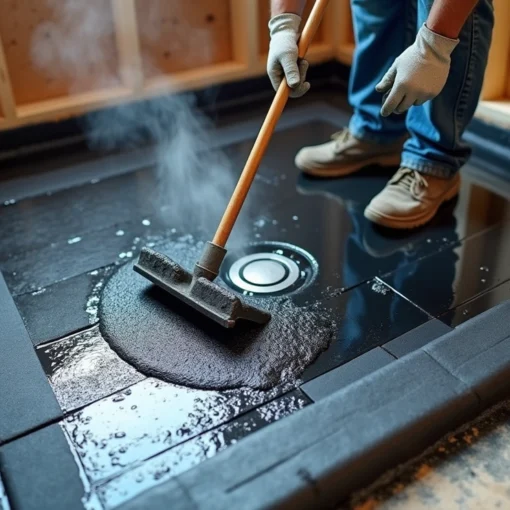
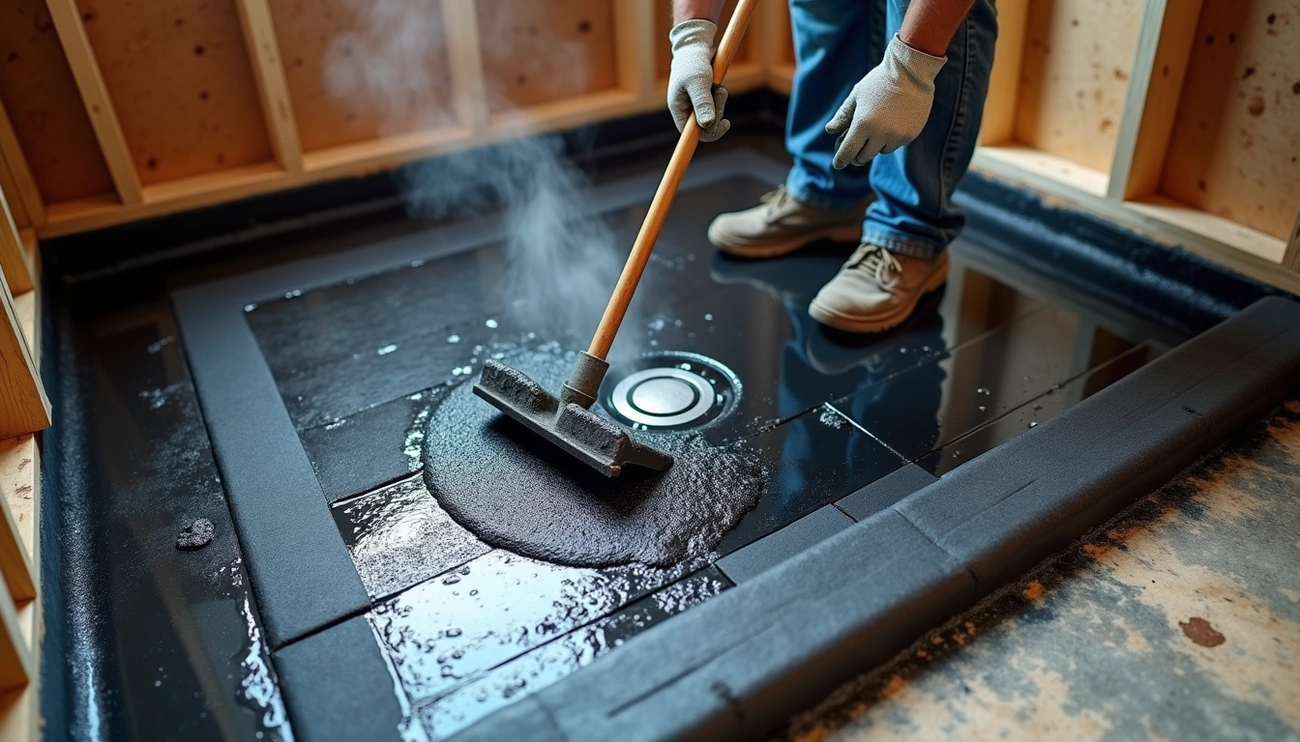
Sealed concrete has a protective layer that makes it more resistant to stains and easier to clean. This sealant acts as a barrier, preventing liquids and dirt from penetrating the surface. Several types of sealants exist, including acrylic, polyaspartic, and urethane options that create this protective shield.
Unsealed concrete, in contrast, is porous and absorbs spills quickly, making it susceptible to stains and dirt buildup. Concrete is very porous unless sealed and is affected by dirt, grime, and even oils. This porosity means unsealed surfaces soak up whatever touches them, whether it’s water, oil, or cleaning solutions.
Sealants are highly recommended because they make it much easier to prevent soil and moisture from getting into the concrete. In reality, they make the flooring much easier to clean and maintain. Without proper sealing, you’re fighting an uphill battle against absorption and staining.
Why Mopping Concrete is Different from Other Floors
The porous nature of concrete creates unique cleaning challenges. Dirt on sealed concrete can scratch or scuff the surface, acting as an abrasive. This means debris removal before mopping becomes non-negotiable, not optional.
Water poses another concern. Prolonged exposure to water can seep into the concrete, causing damage and potential mildew and mold growth. Excessive water can penetrate even sealed surfaces over time, creating problems beneath the protective layer.
Your cleaning solution matters more than you might expect. Harsh chemicals can damage the sealant on protected concrete. Specifically, acidic or harsh cleaners such as vinegar can erode the sealant and damage your floors. pH-neutral cleaners designed for concrete floors are gentle and won’t damage the sealant.
When Mopping May Not Be Recommended
Never use a steam mop on your concrete floors. The fine elements of the sealant used to protect your floors can be broken down by intense heat and moisture. Steam mops might work wonders on other surfaces, but they’ll compromise your concrete’s protective layer.
Avoid oversaturating the floor when mopping. Wringing the mop out well to avoid puddles forming is necessary because standing water increases the risk of seepage and damage. If your unsealed concrete hasn’t been properly sealed, moisture from the air or spills can create an ideal environment for mold and mildew to thrive.
Abrasive tools like steel wool, harsh scrubbers, and certain vacuum attachments can leave fine scratches in your concrete. These scratches accumulate over time, dulling the surface and making cleaning harder. Consequently, gentle tools become your best allies in maintaining concrete floors.
Types of Concrete Floors and Mopping Requirements
Each floor type demands its own cleaning protocol. What works for one surface might damage another, so identifying your specific concrete finish before you start mopping becomes essential.
How to Clean Unfinished Concrete Floors
Unfinished concrete floors are common in warehouses and construction facilities. Owing to the porous surface, dirt and dust become embedded quickly. This absorption means you’ll use more cleaning solution during the mopping process because the surface soaks up much of what gets applied.
For routine cleaning of unsealed concrete, sweep or vacuum frequently to remove dust, dirt, and debris. Flat microfiber mops work well as the first step in keeping dirt from being tracked and ground into the floor. When mopping, use warm water with a pH-neutral cleaner specifically designed for concrete. For a DIY solution, mix 1 gallon of warm water with 1/4 cup of mild dish soap.
Avoid acidic or alkaline cleaners, which can etch and damage the surface. Deep cleaning requires a mild degreaser like dish soap for oil or grease stains, or specialized concrete degreasers. Apply the degreaser to the stain, let it sit for a few minutes, then scrub with a soft-bristled brush and rinse thoroughly.
Mopping Sealed and Coated Concrete
Sealed concrete has a protective layer that makes it more resistant to stains, however harsh chemicals can damage the sealant. Keeping abrasives such as dirt off the floor is the most critical first step in ensuring the longevity of a coated floor.
Sweep or vacuum regularly to remove dust and loose dirt. For wet cleaning, mop with warm water and a mild detergent, such as dish soap. A simple mix of water and a few drops of blue Dawn Dish Soap works effectively. Avoid harsh cleaners like acids and solvents for general cleaning, or scrubbers with aggressive pads that can scratch the sealant.
Stick with gentle solutions and microfiber mops only. Skip anything with vinegar, lemon, ammonia, or abrasive powders. These can break down the floor coating, dull the shine, or strip it entirely.
Cleaning Polished Concrete Floors
Polished concrete floors have a glossy finish that requires special care to maintain its shine. With regular cleaning and care, a professional polish can last up to 20 years before requiring refinishing.
Use a dust mop daily to remove dust and debris, which prevents scratches and keeps the floor looking its best. Dust mopping with a microfiber cloth or pad regularly removes abrasives. For wet mopping, use a microfiber mop with warm water or a specialized polished concrete cleaner. Use only pH-neutral cleaners formulated specifically for polished concrete.
Specialized products like Ameripolish Rejuvenating Floor Cleaner have silicate densifiers added that strengthen your polished concrete floor and help it resist stains. Castile soap is another option, requiring only a few drops in a gallon of warm water. Never use cleaners such as Pine-Sol, ammonia, vinegar, or bleach as they will dull, discolor or etch polished concrete floors.
Never wax your polished concrete floors, as wax is a contaminant that can cause costly repairs. To maintain shine, periodically burnish the floor with a high-speed burnisher.
Stained Concrete Floor Care
Stained concrete floors resist dust and dirt buildup, making cleaning almost effortless. Regular dry dust mopping and occasional wet mopping as needed keeps decorative concrete interior floors looking new.
Wet mop a dust-free floor with a microfiber or cotton mop, mopping in sections and rinsing the mop as you go. Only use neutral-pH cleaners like Simple Green or mild dish soap with a pH of 7 to 8. Neutral-pH cleaners leave behind little to no residue and may not require rinsing.
For interior floors, if you regularly apply acrylic floor wax every 3 to 4 months, you may never need to reseal at all. That wax layer acts as a protective buffer between daily wear and your acrylic sealer, extending the life of the finish for years. Mop up all spills within 30 minutes, especially oil, wine, soda, or pet accidents.
Essential Tools and Materials for Mopping Concrete
Having the right tools makes cleaning concrete floors straightforward rather than a chore. The mop you choose, the cleaning solution you select, and any additional equipment all contribute to how effectively you can maintain your concrete surfaces.
Best Mops for Concrete Surfaces
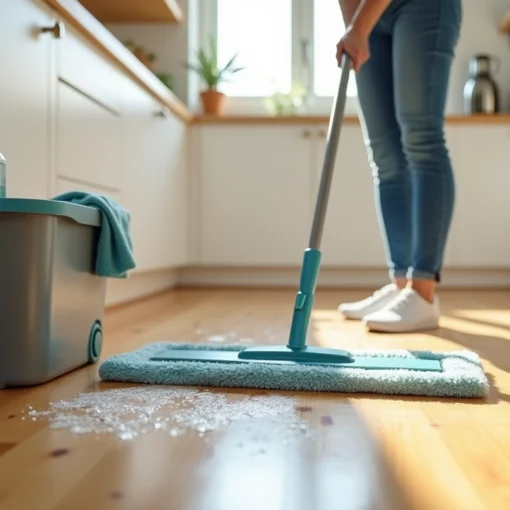
Microfiber mops are often considered the best overall choice for concrete floors. They effectively capture fine dust and debris while also handling wet cleaning when paired with the appropriate solution. The microfiber material is highly absorbent and capable of removing microscopic particulates, making it ideal for thorough cleaning.
For sealed concrete, microfiber mops work exceptionally well because they trap dirt effectively and won’t scratch the protective coating. Their absorbency means you can clean with less water, which is ideal for maintaining sealers. Large flat mops with microfiber pads cover more surface area with each swipe, making the cleaning process faster and more efficient. These mops absorb up to 7x their weight in liquid.
String mops offer another solid option, particularly for unsealed concrete. A traditional string mop or deck mop with natural or synthetic fibers provides the scrubbing action needed to work cleaning solutions into the porous surface. These mops can handle more aggressive cleaning without damage.
Sponge mops work well for rapidly cleaning large areas. The sponge can hold a large amount of cleaning solution, allowing for more thorough cleaning. However, sponge mops are slightly less effective at removing stains than microfiber options.
Dust mops are designed for dry cleaning and are ideal for collecting dust, debris and loose bits on concrete floors. They can be made of cotton, synthetic composites, or microfiber.
Recommended Cleaning Solutions
pH-neutral cleaners are ideal for lightly soiled areas and are gentle enough for regular use. Zep neutral pH floor cleaner concentrate is a great choice for sealed concrete floors. The neutral pH formula helps maintain the floor’s polish without stripping the protective coat.
Alkaline cleaners are effective for breaking down organic stains like grease and oil. Oil Eater cleaner/degreaser is formulated to safely dissolve grease and oil on most surfaces. It is nonacidic, noncorrosive, and water-based.
Enzymatic cleaners may be needed for problems like mold, mildew and other organic stains. Simple Green Oxy Solve outdoor concrete cleaner employs the power of eco-friendly alcohol-based solvent and peroxide to deep-clean dirt, grime, mold, mildew, moss, and algae stains.
Optional Equipment for Deep Cleaning
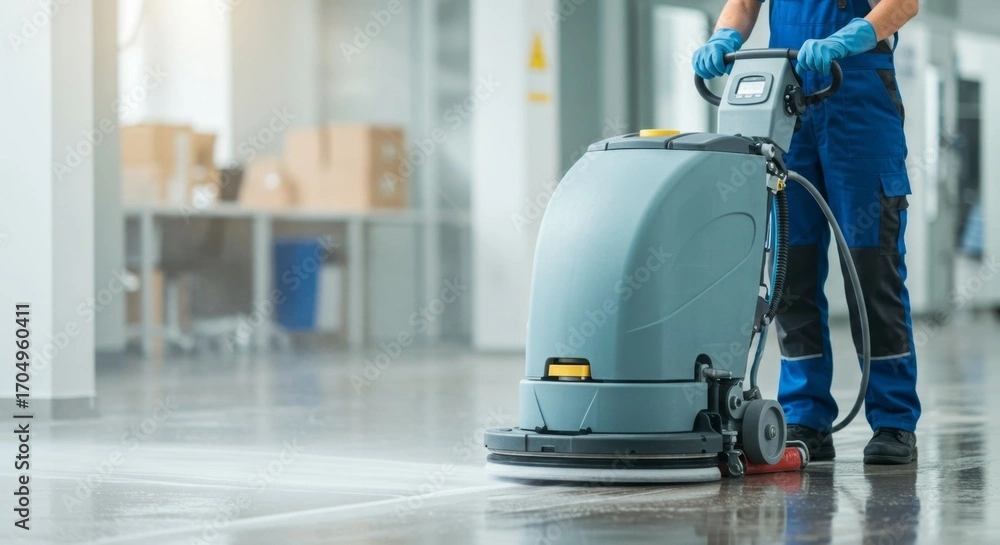
For larger spaces or stubborn stains, advanced concrete floor cleaning machines like wet steam pressure washers offer flexibility in their features. The best ones available for cleaning concrete floors offer highly pressurized water flow, high hot water temperature for faster cleaning, and mobility for making cleaning of larger areas easy.
Step-by-Step Guide: Best Way to Clean Concrete Floors
Following a systematic approach ensures your concrete floors get thoroughly cleaned without damage. Each step builds on the previous one to deliver optimal results.
Preparing the Floor Before Mopping
Start by sweeping or vacuuming the floor to remove loose dirt, dust, and debris. Pay attention to corners and edges where dirt tends to accumulate. Removing debris prevents scratches and ensures effective cleaning when you mop. For unsealed concrete, consider using a dust-controlled sweeper to prevent fine particles from becoming airborne.
Mixing the Right Cleaning Solution
Fill a bucket with warm water and add a concrete-compatible cleaner according to the manufacturer’s directions. For a simple DIY solution, mix 2 gallons of warm water and 2 teaspoons of dishwashing liquid. Alternatively, use 1 gallon of warm water with 1/8 cup of mild liquid dish soap. Avoid overly harsh chemicals which can damage the surface. Test any new cleaner in an inconspicuous area first.
Proper Mopping Technique for Concrete
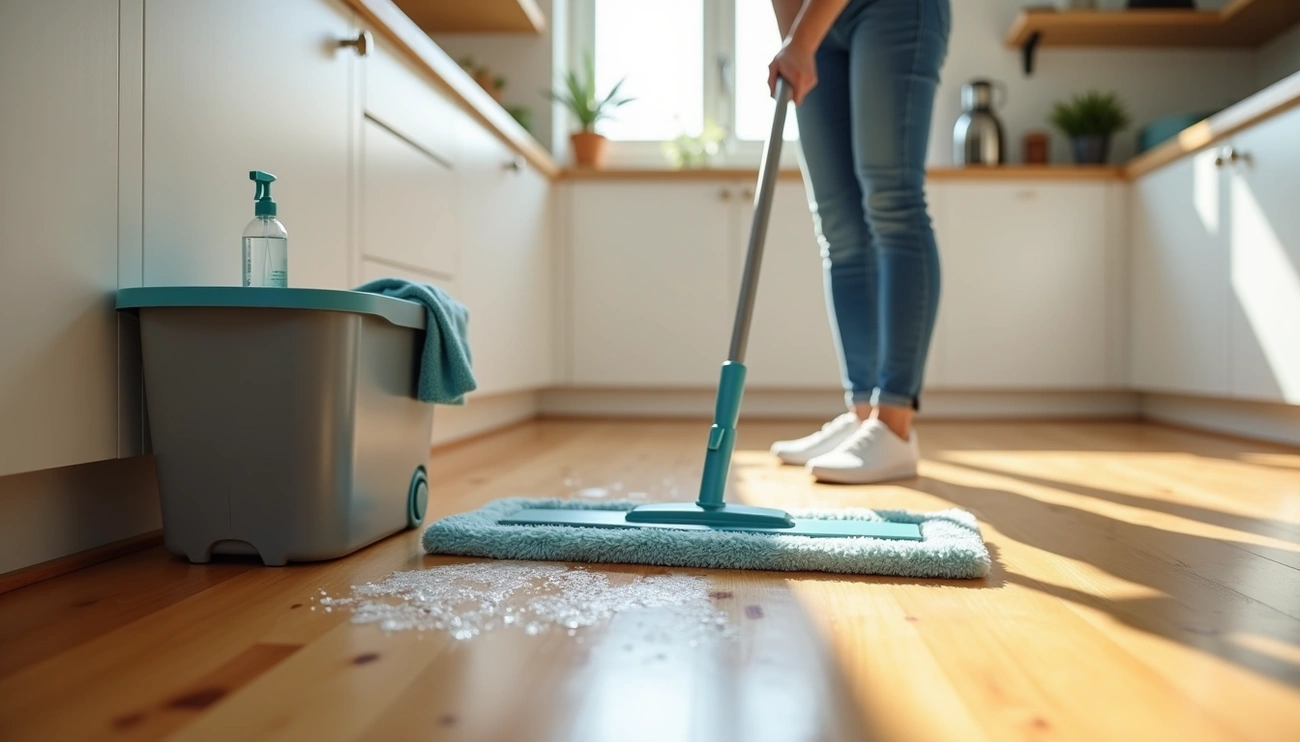
Dip your microfiber mop into the cleaning solution, then wring it out to ensure it’s damp but not overly wet. Start from one end of the room and work your way to the exit to avoid stepping on cleaned areas. Mop the floor in sections using long, overlapping strokes. Rinse the mop regularly to avoid re-depositing dirt on the floor. Working in small 5×5 foot sections prevents water from settling into grout lines.
Rinsing and Drying the Floor
After mopping, rinse the floor with clean water to remove any residual cleaner. Use a clean mop or cloth and clean water to mop over the area once again. Thoroughly dry the floor with dry towels or allow it to air dry completely. Under normal conditions, a freshly mopped floor should be dry to the touch within 15 to 30 minutes.
Addressing Stubborn Stains While Mopping
Before mopping, address any stubborn stains that won’t budge. Mix TSP (trisodium phosphate) with water for challenging spots, or create a flour and hydrogen peroxide paste for a natural alternative. For grease and oils, try an equal parts distilled white vinegar and baking soda solution. Always test in an inconspicuous area first.
Common Mopping Mistakes and How to Avoid Them
Even experienced cleaners make mistakes that compromise concrete floors. Understanding these errors helps you avoid damage and maintain your surfaces properly.
Using Too Much Water on Concrete
Excess water dilutes cleaning solutions and creates puddles that don’t dry quickly. As water evaporates, mineral deposits or soap residue remain, making floors appear dirty. Wring your mop until it’s damp, not dripping, to prevent oversaturation. This approach helps floors dry faster and minimizes streaking.
Choosing the Wrong Cleaning Products
Harsh chemicals like bleach, vinegar, or ammonia cause etching. Acidic cleaners are especially troublesome because they etch concrete over time. The surface becomes uneven and discolored with repeated use. Always use pH-neutral cleaners designed for concrete to protect your floors.
Skipping the Debris Removal Step
Sweeping before mopping removes dust, debris, and loose particles that scratch floors or turn into muddy streaks once wet. Without dry sweeping, you’re pushing dirt and grit around, which reduces cleaning effectiveness. Use a stiff-bristle push broom followed by a shop vacuum for fine dust.
Not Rinsing Properly After Mopping
Residual cleaner attracts more dirt if left behind. Chemical residue creates a film that dries onto the surface, causing floors to look dirty again almost immediately. Rinse floors with clean water after mopping to remove all cleaning solution.
Conclusion
Mopping concrete floors effectively comes down to understanding your specific surface type and using the right approach. Similarly, whether you’re working with sealed, polished, or unfinished concrete, each requires its own cleaning protocol to maintain its condition and appearance.
The key takeaway? Always start with debris removal, use pH-neutral cleaners, and avoid oversaturation. These fundamentals apply across all concrete types. When you follow the methods I’ve outlined here, you’ll keep your concrete floors looking great for years without causing damage to sealants or finishes. Above all, remember that gentle, consistent cleaning beats aggressive scrubbing every time.