Yes, you can steam mop walls with durable, washable finishes such as semi-gloss or satin paint and tile. Steam effectively removes grime and sanitizes surfaces without chemicals. Avoid steam mopping flat, matte, or water-sensitive paint because moisture can cause peeling, streaking, or surface damage.
Can You Steam Mop Walls? Understanding the Basics
What steam mopping walls actually means
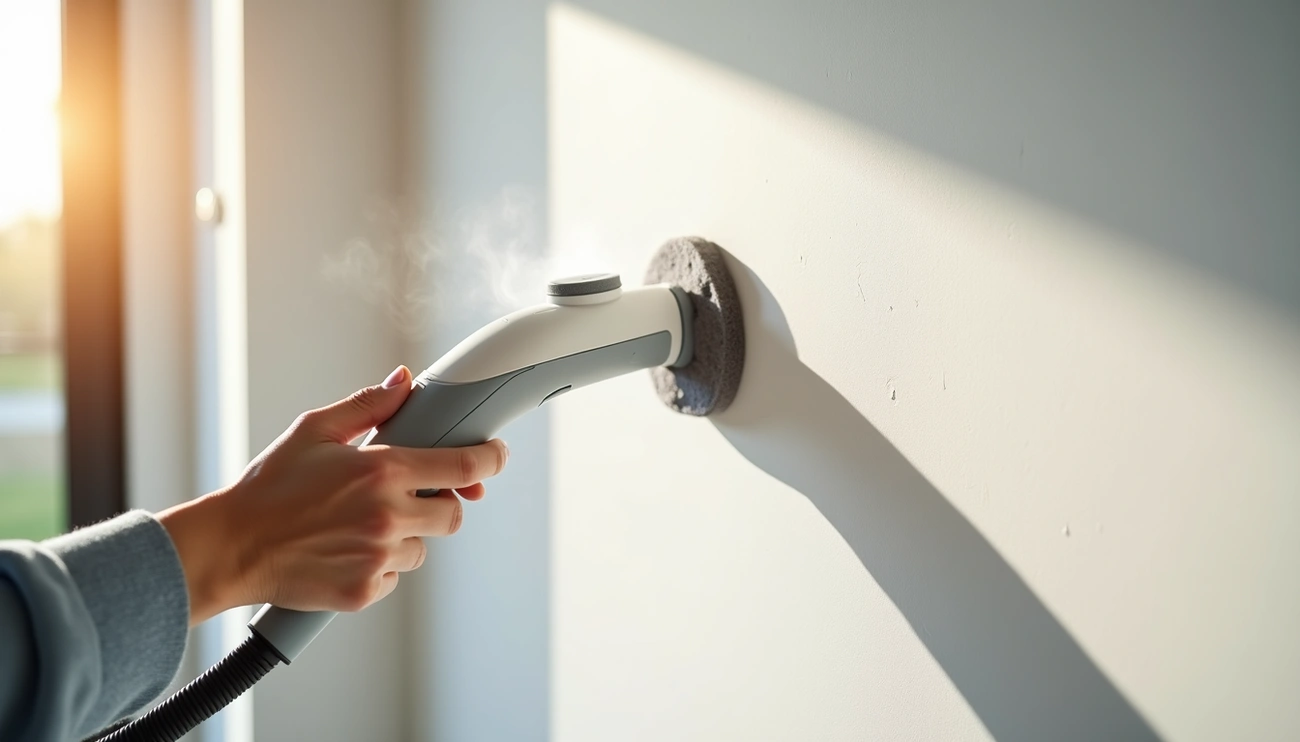
Steam cleaning uses high-temperature vapor to deep clean and sanitize surfaces without chemicals. A steam cleaner heats water until it converts into pressurized steam, then directs this vapor through a nozzle, brush, or cleaning pad. When hot vapor contacts your wall surface, it loosens stubborn dirt, dissolves grease, and lifts stains. The heat kills bacteria, viruses, dust mites, and mold spores, making it effective for both cleaning and disinfecting.
In essence, you’re using water and heat rather than chemical solutions. The process requires careful handling, especially with painted, wallpapered, or delicate surfaces.
Which wall types work best with steam mops
Not all walls respond the same way to steam. Semi-gloss and gloss painted drywall work well because these finishes have a protective layer that resists moisture. Tile walls handle steam exceptionally well, as vapor penetrates grout lines to remove dirt and kill mold spores.
By comparison, matte and eggshell paint finishes require extreme caution since they absorb moisture more easily, potentially causing paint bubbling or water marks. Textured walls need different approaches. Orange peel and knockdown textures can handle light steam from a distance, but popcorn texture should be avoided entirely as moisture loosens and crumbles it.
Sealed wood paneling tolerates light steam only, while unsealed wood must be avoided completely as wood fibers swell and stain. Brick and stone walls accept steam for surface dirt and mold removal, particularly in mortar joints, though prolonged steaming in freezing climates risks trapped moisture freezing and damaging the wall.
When steam mopping is not recommended
Steam and heat cause irreversible damage to certain materials. Wallpapered walls top the avoid list as steam weakens adhesive, causing wallpaper to peel, bubble, or warp. Fresh paint needs proper curing time. Using steam within the first 30 days after painting causes bubbling, streaking, or uneven finishes.
Damaged drywall with cracks, holes, or existing water damage worsens when exposed to steam. The moisture softens the material and encourages mold growth. Water-based paint walls risk separation, cracking, and peeling when exposed to steam heat. Delicate or unfinished wood paneling warps, discolors, or cracks from heat and moisture exposure.
Benefits and Risks of Steam Mopping Walls
How steam cleaning removes dirt and grime
High-temperature vapor penetrates surface pores, breaking down dirt particles at a molecular level. Heat weakens the bonds in stains, making removal possible without aggressive scrubbing. When you steam clean walls, the vapor lifts oils, dust, fingerprints, and scuff marks that standard wiping methods miss. The process reaches into corners and crevices while leaving no residue behind. Steam cuts through cooking grease, built-up grime, and sticky residues that accumulate over time.
Killing mold and bacteria without chemicals
Steam sanitizes by killing up to 99.9% of bacteria, dust mites, mold spores, and other harmful microorganisms on contact. The high temperature destroys spores at their source, particularly in damp areas prone to mold growth. Temperatures above 170 degrees effectively deactivate and kill bacteria cells. Since mold cells are heat-sensitive, temperatures between 60-71 degrees destroy them, and steam exceeds this threshold significantly. This method improves indoor air quality by removing allergens without introducing chemical residues into your home.
Potential damage to paint and wallpaper
Heat from steam can cause water-based paint to separate, crack, or peel. The paint may bubble or develop streaks when exposed to prolonged steam contact. Oil-based paints tolerate steam better, whereas water-based latex paints remain vulnerable to heat damage. Steam softens wallpaper adhesive, the same principle used intentionally for wallpaper removal. Even vinyl-coated wallpapers risk peeling, bubbling, or warping from heat and moisture exposure.
Water damage and moisture concerns
Steam raises moisture levels in rooms, potentially creating conditions for mold regrowth. Excessive moisture can over-wet walls, causing damage to certain finishes. The real variable is time spent in one spot. Lingering too long allows heat to penetrate deeper, removing paint along with dirt. Damaged drywall absorbs moisture, softening the material and encouraging further mold development.
What You Need Before You Steam Mop Walls
Choosing the right steam cleaner for walls
Selecting the right equipment makes the difference between successful cleaning and wall damage. Canister steam cleaners work best for vertical surfaces because they hold more water, provide higher pressure and temperature, and include wheels for easy movement. Multipurpose models offer similar benefits for large wall areas. Handheld steamers suit spot cleaning and small sections, but your arm will tire quickly on full walls.
When picking a steam cleaner for walls, prioritize adjustable steam settings to control output for different surfaces[192]. Look for a power cord at least 15 feet long to avoid constant unplugging[192]. A water tank capacity of 1 liter or more lets you work longer between refills[192]. Keep the unit under 10 pounds for comfortable handling[192]. A continuous steam function and safety lock add convenience and protection[192].
Essential attachments and accessories
Your steam cleaner needs specific tools for wall work. An extension wand reaches high areas without requiring a ladder. A wide-angle nozzle covers more surface area and speeds up the cleaning process[193]. Include microfiber pads or cloths that absorb dirt and moisture while diffusing steam more effectively. A detail nozzle handles corners, light switches, and stubborn spots.
Testing your wall surface first
Always perform a spot test on a hidden section before cleaning entire walls. Pick an area behind furniture or a large piece. Apply steam briefly, then wait for complete drying to check for bubbling, peeling, or color changes. This step prevents discovering damage after cleaning visible areas.
Protecting floors and fixtures
Move furniture at least one meter away from walls to create working space. Lay drop cloths or plastic sheeting over floors and remaining furniture to catch moisture[192][201]. Remove wall hangings, light switch plates, and outlet covers[181]. Cover electrical outlets with plastic and seal them with painter’s tape[181]. Turn off power to wall sconces before cleaning nearby areas. Place towels at wall bases to catch drips[192].
How to Steam Clean Walls Step-by-Step
Preparing the room and wall surface
Dust walls with a vacuum brush attachment or microfiber duster before introducing steam. This step prevents creating muddy streaks when moisture meets dry dirt. Fill your steam cleaner’s water tank according to manufacturer specifications. Attach the extension wand and fit a large, flat microfiber pad over the cleaning head.
Setting the correct temperature and pressure
Steam cleaners heat water to temperatures between 93°C to 148°C. For painted walls, select the lowest pressure setting to prevent paint damage. Tiled surfaces tolerate higher pressure, allowing you to focus on grout lines. Wait for the unit to reach operating temperature before starting.
Working from top to bottom technique
Hold the nozzle 4 to 6 inches from the wall surface. Work in slow, vertical strokes while keeping the steamer moving constantly to avoid saturating any single spot. Wipe each section immediately with a clean, dry microfiber cloth as you progress. This removes loosened grime and excess moisture simultaneously.
Drying and finishing the cleaned walls
Open windows or run fans to improve air circulation. Allow walls to air dry for 30 to 60 minutes before rehanging decor. Once surfaces feel completely dry, perform a final pass with a clean microfiber cloth to buff the walls and catch any remaining streaks.
Conclusion
Steam mopping walls delivers powerful cleaning results, provided that you choose the right surfaces and equipment. Semi-gloss painted walls and tiles work beautifully, while wallpaper and fresh paint should be avoided entirely. The key is testing a hidden spot first and keeping your steamer moving constantly. When you follow these guidelines and use proper technique, you’ll enjoy sanitized, refreshed walls without the harsh chemicals or expensive professional cleaning services.