
Can You Use Floor Haze Safely in Your Home

Yes, you can use floor haze safely on many sealed floors if the product matches the surface and you test first. It is best for residue, film, and light buildup, not for damaged or unsealed flooring. Related: floor haze cleaner. Related: floor haze remover. Related: cloudy floor film. Related: residue on floors. Related: sealed floor cleaning.
Floor haze can be useful in the right situation, but it is not a cure-all for every dull or cloudy floor. If you are wondering can you use floor haze safely at home, the short answer is yes for many sealed surfaces, as long as you match the product to the flooring and use it sparingly.
The tricky part is that “haze” products are often made to remove film, residue, or light buildup rather than deep damage. Used correctly, they can restore clarity; used on the wrong floor, they can strip finish, leave more residue, or make the problem worse.
- Best use: Removes cloudy film, residue, and light buildup on compatible sealed floors.
- Test first: Always check a hidden spot before cleaning the whole room.
- Avoid risks: Do not overapply, mix with other cleaners, or scrub delicate finishes hard.
- Know the limit: Haze remover will not fix scratches, finish failure, or water damage.
- Ask for help: Get professional advice for unsealed, historic, or damaged floors.
Can You Use Floor Haze Safely in Your Home? Understanding What It Is and Why It Matters
Floor haze usually refers to a cleaner or haze-removal product designed to break down cloudy film on floors. That film may come from soap residue, hard-water minerals, polishing buildup, or leftover cleaning solution.
Because the word “haze” can describe both the problem and the product, it helps to read labels carefully. Some formulas are meant for sealed tile, vinyl, laminate, or finished wood, while others are stronger and better suited to specific surfaces only.
If you are trying to decide whether haze cleaning is the right move, start by identifying the cause of the dullness. A haze remover may help with buildup, but it will not fix worn finish, scratches, water damage, or etching.
When Floor Haze Is Safe to Use vs. When It Can Damage Floors
Safety depends on both the floor type and the product formula. A haze remover that works well on one sealed surface may be too harsh for another, especially if the floor has a delicate coating or an unknown finish.

In general, the safest use case is light to moderate residue on a sealed, stable floor. The riskiest use case is an unsealed, damaged, or specialty floor where the product can penetrate, dull, or soften the surface.
Floor types that are usually compatible
Many sealed ceramic tile, porcelain tile, vinyl, luxury vinyl plank, laminate, and some finished hardwood floors can handle a haze product if the label says so. Even then, compatibility depends on the exact finish and how often the floor has been treated before.
For sealed grout lines and glazed tile, haze cleaners are often used to remove film after routine mopping or renovation cleanup. On these surfaces, a gentle product and a careful rinse are usually more important than heavy scrubbing.
Always check whether the product is meant for your exact floor type, not just for “hard floors” in general.
Floor types that need extra caution or should avoid it
Unsealed wood, waxed floors, natural stone, concrete with uncertain sealers, and older floors with fragile finishes need extra caution. A haze remover may react with the finish, leave streaks, or create uneven dull spots.
Historic flooring and specialty surfaces are especially risky because repairs can be difficult and costly. If the floor’s finish is unknown, it is safer to test a tiny hidden area or ask a flooring professional first.
Do not assume a product is safe just because it is labeled for floors. If the finish is unsealed, worn, or unknown, the wrong cleaner can cause permanent dulling.
How to Identify the Right Situation for Floor Haze Cleaning
Floor haze cleaning works best when the issue is surface-level and the floor itself is still in good condition. If the problem is buildup, a haze remover may save time compared with repeated mopping that only spreads residue around.
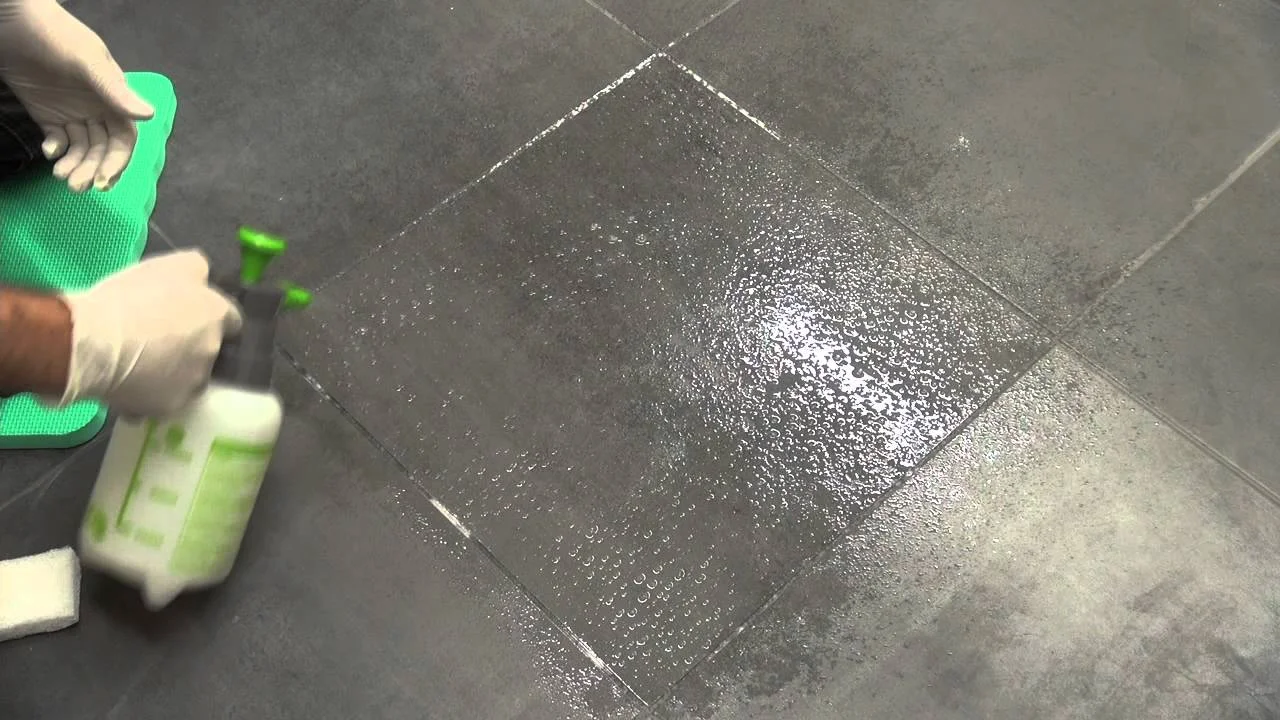
Before you use any product, look closely at the floor in natural light. If the dullness wipes away in one spot but not another, you may be dealing with residue rather than damage.
Grimy buildup after mopping
If your floor feels sticky, smears under the mop, or looks cloudier after cleaning, residue is a likely cause. This often happens when too much cleaner is used or the mop water is not changed often enough.
In that case, a haze remover may help lift the leftover film. It can be more effective than repeated mopping because it targets the buildup instead of adding more moisture and product.
For related cleanup habits, it can also help to review a daily floor cleaning guide so the same residue problem does not return.
Cloudy film, dull spots, and residue on sealed floors
Sealed floors sometimes develop a cloudy look from cleaners, polish, or hard-water deposits. These spots often show up near sinks, entryways, or high-traffic paths where moisture and dirt collect.
A haze remover can be a good option when the floor is otherwise sound and the dullness is even or lightly patchy. If the floor has deep scratches, worn finish, or whitening below the surface, the issue is likely more than haze.
Post-renovation dust and light surface contamination
After remodeling, fine dust and construction residue can cling to floors and make them look muted. A haze product may help with light contamination, especially on sealed tile or vinyl.
That said, post-renovation cleanup often works best when dust is removed first with dry methods. If you skip that step, the product may simply turn dust into a smeary film.
Floor haze cleaners are best for surface film, not for sanding marks, paint splatter, adhesive, or deep staining.
How to Use Floor Haze Correctly for Better Results
Using floor haze correctly matters as much as choosing the right product. Most problems come from applying too much, leaving it on too long, or skipping the rinse step when one is needed. [Source: This Old House]
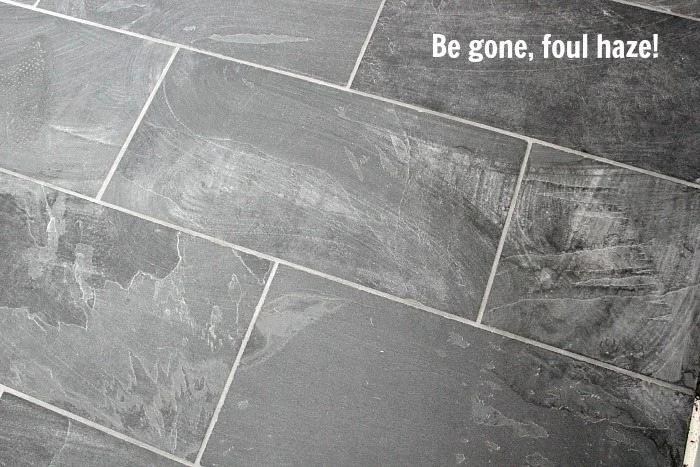
Work in small sections and follow the product label closely. If instructions vary from what you have done before with neutral cleaners, follow the product directions rather than your usual mopping routine.
Surface prep and testing a small hidden area
Start by sweeping, dust mopping, or vacuuming the floor to remove grit. Any loose dirt left behind can scratch the surface during cleaning or make the haze look worse.
Next, test the product in a hidden spot such as behind a door or under a piece of furniture. Let it dry fully so you can check for dulling, streaking, color change, or tackiness before treating the whole room.
- Remove loose dirt and grit first
- Read the label for your floor type
- Test a hidden area
- Use clean mop pads or microfiber cloths
- Rinse if the product directions call for it
Step-by-step application and dwell time
Apply the product lightly and evenly, using only the amount recommended by the label. More product does not usually mean better results; it often means more residue to remove later.
Clear the area, remove grit, and make sure the surface is dry enough for controlled application.
Work one small section at a time so the cleaner does not dry unevenly or sit too long.
Let the product sit only for the time listed on the label, then wipe or mop as directed.
Check for streaks or haze before moving to the next section, and adjust only if the label allows it.
Rinsing, drying, and avoiding overuse
Some haze removers need a clean-water rinse, while others are designed to dry without one. If rinsing is recommended, skipping it can leave new residue behind and undo the whole effort.
Dry the floor promptly with airflow or a clean dry cloth where appropriate, especially on wood, laminate, or any floor that does not tolerate standing moisture. If you want a broader mopping routine that reduces residue, see how to mop a floor properly and how to dry a floor after mopping.
Overuse is one of the fastest ways to make the floor look cloudy again. If the floor still looks dull after one careful treatment, it may need a different cleaner or a finish repair instead of another round of haze remover.
Common Cleaning Mistakes That Make Floor Haze Less Effective
Even a good product can underperform if the cleaning method is off. The biggest issues are too much product, incompatible mixing, and overly aggressive scrubbing.
These mistakes do not just reduce cleaning power. They can also leave the floor looking streaky, sticky, or unevenly dulled.
Using too much product or applying it too often
Heavy application often creates the very film you are trying to remove. A thin, even layer is usually enough for surface residue, while repeated use can build up on the finish.
If you find yourself using haze remover every week, the floor may need a different maintenance routine. It may also be a sign that your regular cleaner is leaving residue behind.
Mixing with incompatible cleaners
Do not mix haze removers with bleach, ammonia, vinegar, or other cleaners unless the label specifically says it is safe. Mixing products can reduce effectiveness and may damage the floor or finish.
It is also smart not to layer one cleaner over another without rinsing first. Leftover chemicals can react, streak, or leave a stubborn film that is harder to remove than the original haze.
Never combine floor haze products with bleach or strong all-purpose cleaners unless the manufacturer clearly allows it.
Scrubbing too aggressively on delicate finishes
Some floors need a soft pad, microfiber cloth, or light mop pressure rather than stiff scrubbing. Abrasive pads can scratch gloss finishes or make worn areas look even more patchy.
If residue does not lift easily, stop and reassess instead of forcing it. A stubborn spot may be adhesive, mineral buildup, or finish damage, which haze remover is not designed to solve.
Floor Haze vs. Other Floor Cleaning Options: Which Is Worth It?
Floor haze is useful, but it is not always the best first choice. Sometimes a neutral cleaner, a deep-clean routine, or a specialist product gives better results with less risk. [Source: Healthline]
The right choice depends on what you are seeing on the floor and how sensitive the surface is.
When a neutral cleaner is enough
If the floor only needs routine maintenance, a neutral cleaner is usually the safest option. It is often enough for light dirt, everyday footprints, and basic kitchen or hallway grime.
Neutral cleaners are also a good choice when you are unsure about the finish. They are less likely to leave residue or affect sheen on delicate surfaces.
When a specialized haze remover is the better choice
A haze remover makes more sense when there is visible film that regular cleaning will not lift. This is common after renovation, after over-soaping, or after using the wrong mop solution for too long.
It can also be the better choice when you need a targeted fix instead of repeated mopping. If you are comparing maintenance approaches, our weekly mopping guide can help you separate routine care from problem-solving cleanup.
Cost, convenience, and long-term floor protection
Haze removers may seem more convenient because they promise a faster fix, but they are not always the most economical choice over time. If used too often, they can create extra rinsing work or contribute to finish wear.
The best value usually comes from using the mildest product that solves the problem. That approach can reduce repeat purchases, extra pads, and the chance of finish repair later.
For long-term protection, it is often better to fix the cleaning habit that caused the haze in the first place. That may mean using less product, changing mop water more often, or switching to a cleaner better matched to the floor.
When to Ask a Flooring Professional Before Using Floor Haze
Some flooring situations are too uncertain for a DIY guess. If the floor is expensive, historic, damaged, or still under warranty, a professional opinion can prevent a costly mistake.
This is especially important when the problem might be deeper than surface haze. A product that works on residue will not repair structural issues or finish failure.
Unsealed, damaged, or historic flooring
Unsealed wood, natural stone, old wax finishes, and historic floors can react unpredictably to haze removers. What looks like a simple cleaning job may actually require restoration or specialized care.
If the floor has chips, open seams, lifting planks, or soft spots, stop before using any chemical cleaner. Moisture and product can seep into weak areas and make the damage worse.
Persistent haze that returns after cleaning
If the haze keeps coming back, the issue may be in the cleaning method, the water quality, or the floor finish itself. In some cases, the surface is still holding residue because the rinse step is incomplete.
When repeated cleaning does not solve it, a professional can help identify whether the floor needs a different cleaner, a deep strip, or a finish refresh.
Signs the finish, grout, or coating may need repair
White patches, peeling coating, rough grout, or areas that look dull even after cleaning can point to finish failure rather than simple haze. In those cases, more cleaning may not help and can sometimes make the contrast more obvious.
If you are unsure whether the floor needs cleaning or repair, that is a good time to pause and get advice. A flooring specialist can help you avoid using the wrong product on a surface that needs restoration instead.
Final Recap: Safe Use, Smart Timing, and the Best Outcome for Your Floors
Yes, you can use floor haze safely in many homes, but only when the product matches the floor type and the problem is truly surface residue. The safest results come from testing first, using the smallest effective amount, and rinsing or drying exactly as directed.
When the floor is unsealed, damaged, historic, or still hazy after careful cleaning, it is smarter to ask a professional than to keep experimenting. In floor care, the best outcome is usually the one that cleans the floor without risking the finish.
Frequently Asked Questions
Sometimes, but only if the hardwood is finished and the product label says it is safe for that surface. Unsealed or waxed wood should be treated more carefully, and a hidden test spot is a smart idea.
Yes, it can help with sticky residue caused by soap buildup or leftover cleaner film. If the stickiness keeps returning, the cleaning routine may need to change.
Rinse only if the label says to do so, since some formulas are designed to be left behind while others are not. Skipping a required rinse can leave new residue on the floor.
It can if the formula is too strong or not meant for that surface. Always check compatibility first and avoid soaking vinyl or laminate with excess moisture.
Only as needed for film or residue, not as a routine cleaner. Frequent use can leave buildup or make the floor harder to maintain.
Call a professional if the floor is unsealed, historic, damaged, or still cloudy after careful cleaning. Persistent haze can point to finish problems that cleaning alone will not fix.
