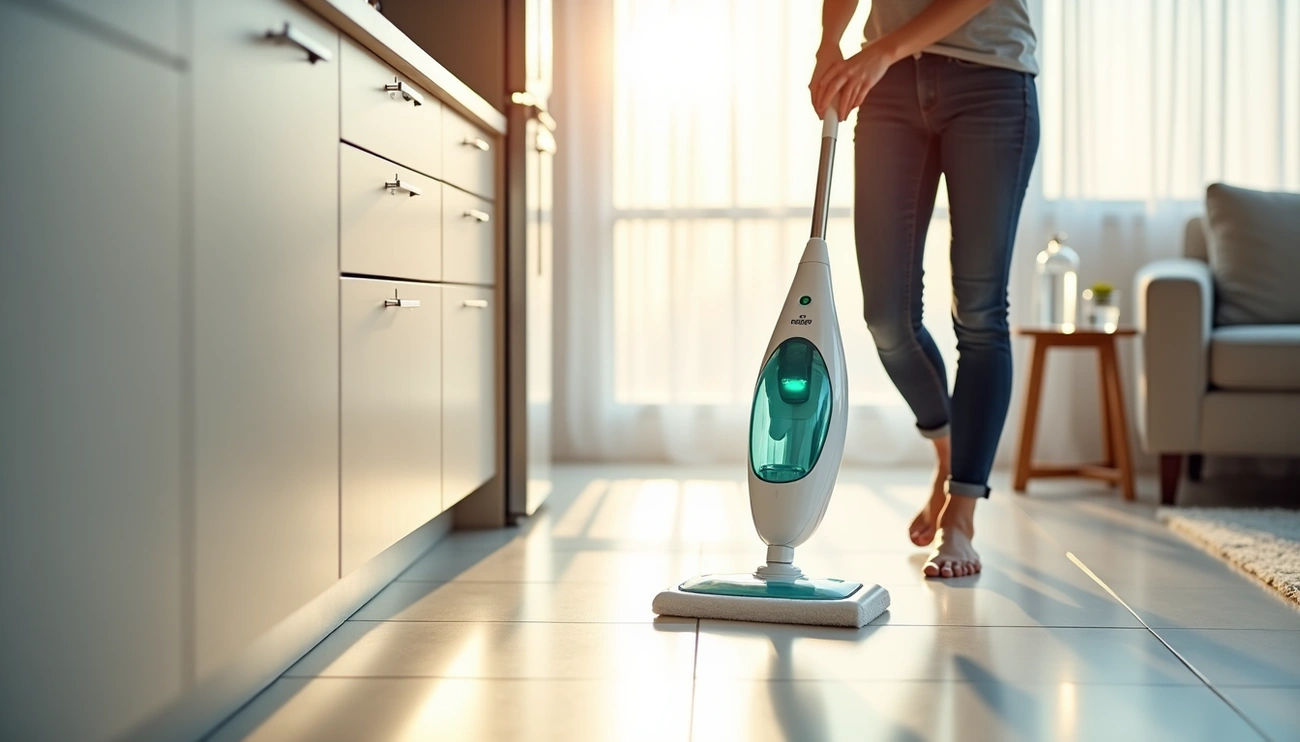
No, you should not use a steam mop on LVP (luxury vinyl plank) flooring. Steam heat and moisture melt adhesives, warp planks, and damage the waterproof wear layer. Steam also penetrates seams, causing swelling and loosening. Clean LVP floors with a microfiber mop, warm water, and a mild, manufacturer-approved cleaner.
Can You Use a Steam Mop on LVP Flooring?
The Short Answer: No
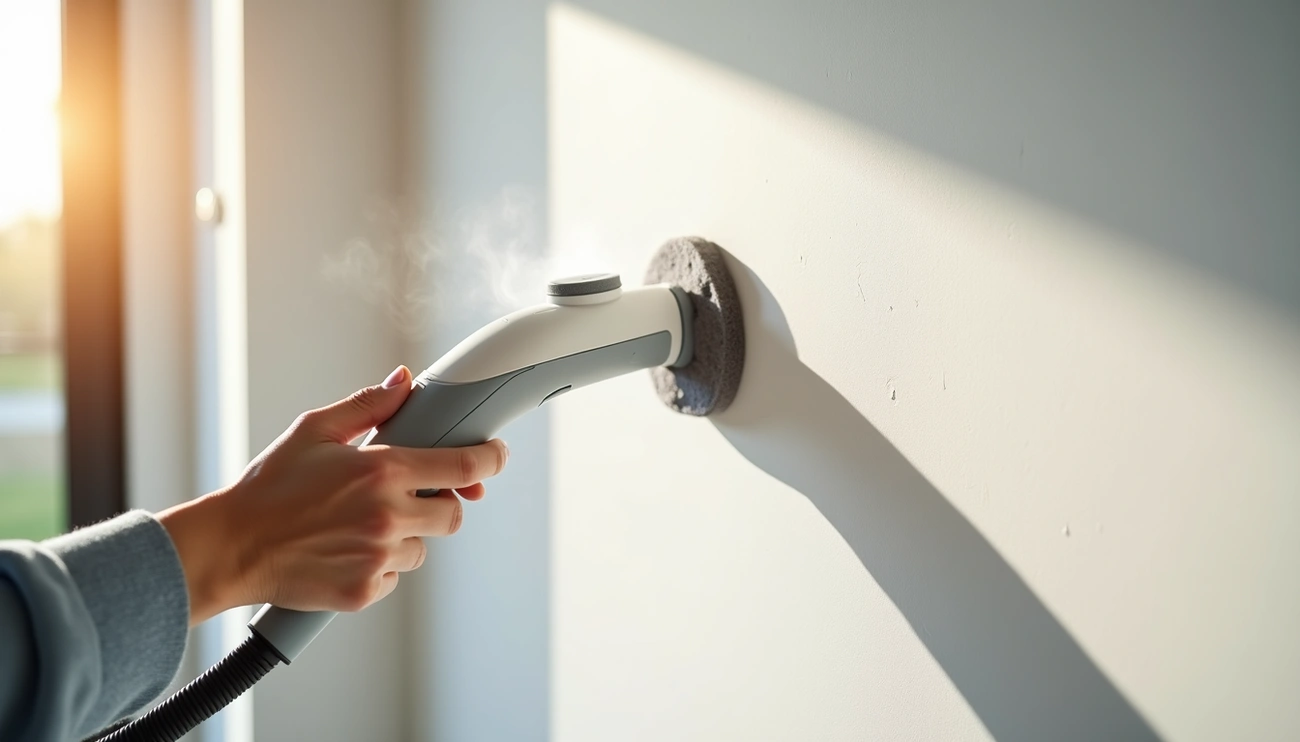
Professional floor cleaning service providers unanimously recommend against using a steam mop on vinyl plank floors. While steam mops work well for tile and other hard surfaces, they pose serious risks to LVP installations. The intense heat and moisture combination can damage your floors in ways that may not become visible for months.
Some manufacturers market select products as “steam mop safe,” but this remains the exception rather than the rule. Most vinyl plank manufacturers in the U.S. officially warn against using steam mops on their products. Grabbing the same steam mop you use on tile or laminate can lead to melted glue, lifted planks, or dull patches on your vinyl flooring.
Why Most Manufacturers Say No
Notably, many LVP manufacturers clearly state in their warranties that using a steam mop will void the product warranty. This means any repairs or replacements stemming from improper cleaning won’t be covered. Manufacturers understand that steam mops heat water to more than 200 degrees Fahrenheit, and that level of heat can work through the tile and damage the interior layers.
The protective wear layer on LVP floors acts like a shield against scratches and general wear. However, the intense heat generated by steam mops can damage this protective layer, leading to dullness and fading over time. Steam cleaners also damage the protective layer because of the high temperature. Beyond the surface damage, steam mops can weaken the glue holding vinyl planks to the subfloor, causing them to shift or lift.
Understanding LVP’s Water-Resistant (Not Waterproof) Nature
LVP is designed to be water-resistant but not waterproof. In other words, water-resistant flooring can handle surface moisture but requires prompt cleanup of spills to avoid damage. Water-resistant floors need spills cleaned within 30 minutes to prevent seepage into the core layers.
Vinyl plank floors, even those claiming to be waterproof, are not often water resistant at the seams. Both waterproof and water-resistant flooring have vulnerable points at installation, including gaps between planks, edges along walls, and transitions to other rooms. While the planks themselves resist moisture, water can seep into these seams and edges. Provided that standing water remains on water-resistant LVP beyond 30 minutes, moisture penetrates through vulnerable points and causes damage to the core layers and subfloor beneath.
What Happens When You Steam Mop LVP Floors
Heat Damage to the Wear Layer
Steam mops generate temperatures exceeding 200°F at the tip, while most LVP can only withstand temperatures up to around 150°F without risk of damage. This excessive heat wears down the top protective layer, leaving it dull, cloudy, or prone to peeling. Once the finish breaks down, dirt and stains settle more easily into the surface. The floor loses its smooth appearance and becomes harder to maintain over time.
Moisture Seeping Into Seams
Steam pushes moisture into tiny seams and edges where vinyl planks meet. When water seeps under the flooring, it leads to swelling and buckling. This hidden moisture damage builds up quietly and may only be noticed once significant harm has occurred. Besides surface damage, trapped moisture creates breeding grounds for mold and mildew between planks. The seams and edges of the flooring are potential weak points where water can find its way underneath.
Warping and Buckling of Planks
Steam heat softens or distorts vinyl planks, causing them to lose their shape. Over time, this heat exposure causes the boards to warp, particularly in areas where the mop is frequently used. Once warping happens, fixing it becomes difficult without replacing the damaged planks. Excess water seeps into seams and weakens adhesive bonds, leading to buckling or lifting over time.
Adhesive Breakdown in Glue-Down Installations
Heat and moisture weaken the glue holding vinyl planks to the subfloor. For glue-down installations, the adhesive loosens and causes bubbles in the flooring. Steam heat can loosen adhesive, causing bubbling or shifting. Water can seep into the seams and wash out the adhesive.
Voiding Your Manufacturer’s Warranty
Manufacturers explicitly state that using a steam mop voids the product warranty. Potential repairs or replacements will not be covered if damage occurs due to improper cleaning.
Safe Ways to Clean Your LVP Floors
Proper LVP maintenance starts with a consistent cleaning routine that protects the floor without risking heat or moisture damage.
Daily Dry Mopping or Vacuuming
I sweep or vacuum my LVP floors daily in high-traffic areas to remove loose dirt that acts like sandpaper on the surface. A microfiber dust mop attracts and locks away dirt, debris, and allergens effectively. When vacuuming, I disengage the beater bar to prevent unnecessary scratching. Dirt contains hard edges that scrape against flooring as it gets tracked across rooms.
Weekly Damp Mopping with Microfiber
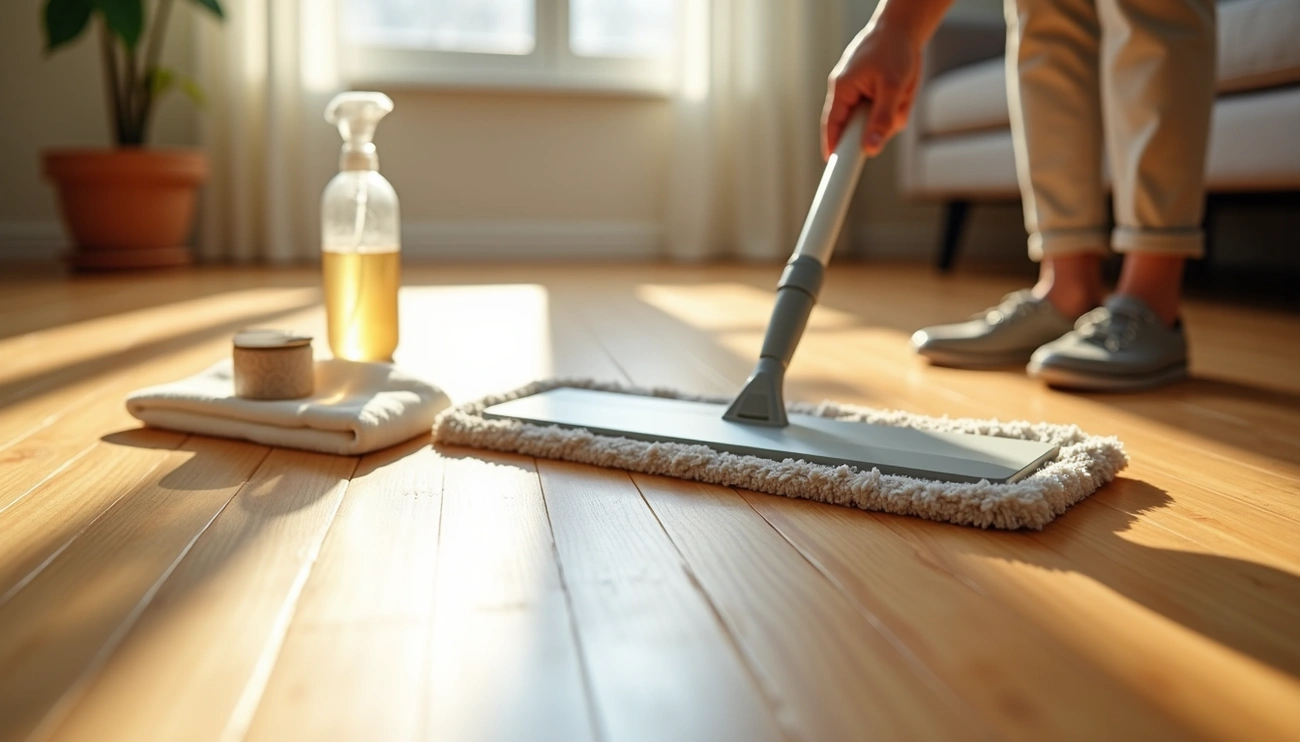
After dry mopping, I follow up with weekly damp mopping using a microfiber mop. The key is keeping the mop damp, not dripping wet. I wring out most of the moisture before mopping to prevent water from seeping into seams. Microfiber effectively captures dirt without leaving lint or residue behind.
Using pH-Neutral Vinyl-Safe Cleaners
pH-neutral formulas clean without harming the wear layer. Products like Bona Pro Series Vinyl Floor Cleaner offer streak-free results and dry fast. Zep Neutral Floor Cleaner is equally safe for vinyl plank flooring with its non-abrasive formula. I avoid cleaners containing ammonia, bleach, wax, or acidic ingredients that strip the protective layer.
DIY Cleaning Solution: Vinegar and Water
For routine maintenance, I mix one cup of white vinegar with one gallon of warm water. This solution breaks down grime effectively. Alternatively, a few drops of mild dish soap in warm water cuts through greasy kitchen messes. I rinse afterward to prevent soap residue buildup.
Spot Cleaning Tough Stains
For stubborn stains, I create a paste using equal parts baking soda and warm water. I apply it directly to the stain, gently scrub with a soft cloth, then wipe clean. When spills occur, I blot them immediately rather than rubbing, which prevents liquids from embedding deeper into the flooring.
Best Practices to Maintain LVP Flooring in 2026
Beyond cleaning techniques, preventive measures extend your LVP’s lifespan and maintain its appearance.
Place Doormats at Entrances
I position absorbent indoor mats at all entry points to trap dirt and moisture before they reach my floors. Snow, mud, and salt are enemies of LVP, so I set up stiff-bristle outdoor mats paired with indoor absorbent mats. This entryway system drastically reduces wear and tear.
Use Felt Pads Under Furniture
I attach felt pads to all furniture legs to prevent scratches when moving pieces around. These pads glide easily without scratching the surface. I replace them when they become worn, as frayed felt can expose hard glue that damages floors.
Clean Spills Immediately
I blot spills promptly with a soft cloth rather than rubbing. This prevents staining and stops moisture from seeping into seams.
Trim Pet Nails Regularly
I trim my pet’s nails every 2-4 weeks. LVP resists scratches better than hardwood, but deep gouges from sharp claws remain possible.
Manage Direct Sunlight Exposure
I use blinds during peak sun hours to reduce UV exposure. Correspondingly, UV rays break down pigments and cause fading. I rotate furniture periodically to prevent uneven discoloration.
Avoid Harsh Chemicals and Abrasive Tools
I never use bleach, ammonia, or abrasive scrubbers. These products strip the protective coating and cause permanent damage.
Conclusion
Steam mops might seem convenient, but they pose real risks to your LVP investment. As I have shown, the heat and moisture damage the wear layer, weaken adhesive bonds, and void your warranty. Instead, stick with daily dry mopping coupled with weekly damp cleaning using pH-neutral solutions. Add preventive measures like doormats and felt pads, and your floors will maintain their beauty for years. Protect your investment by choosing the right cleaning methods from the start.