
Can You Use Sticky Floors Safely at Home Today

Yes, you can usually clean sticky floors safely at home if the stickiness is from residue, spills, or mop film. Use the gentlest method that fits the floor type, and call a professional if the tackiness keeps returning or the floor shows damage. Related: sticky floor after mopping. Related: floor residue. Related: floor cleaning tips.
Sticky floors are usually safe to clean at home, but the right fix depends on why they feel tacky and what the floor is made of. In many cases, the issue is residue from mopping, spills, or product buildup rather than actual floor damage. Related: mop film.
- Residue first: Sticky floors are often caused by cleaner film or spills.
- Floor type matters: Wood and laminate need less water than tile or sealed stone.
- Less is safer: Mild cleaner, microfiber, and a rinse pass usually work best.
- Recurring stickiness: Repeated tackiness can signal finish or moisture problems.
- Ask a pro: Warping, discoloration, or bubbling should be checked professionally.
Can You Use Sticky Floors Safely at Home Today? What “Sticky” Usually Means in 2025
When people ask can you use sticky floors, they usually mean, “Can I keep walking on them, or do I need to clean them right away?” For most homes, the answer is yes, but sticky floors should be treated as a cleanup problem, not ignored.
In 2025, “sticky” most often means a thin film sitting on top of the floor. It may come from too much cleaner, leftover soap, kitchen grease, sugary spills, pet messes, or a finish that is starting to break down. Related: sticky floors.
Common reasons floors feel sticky after mopping, spills, or product buildup
Sticky floors often happen after mopping with too much solution or not enough rinse water. They can also feel tacky when cleaning products are layered over old residue instead of being fully removed.
Spills are another common cause. Juice, soda, cooking oil, sauces, and even some personal-care products can leave a film that feels sticky long after the liquid is gone.
User intent: quick safety check, cleanup fix, or long-term prevention
Most readers want one of three things: a quick safety check, a simple cleanup method, or a way to stop the problem from returning. The good news is that sticky residue is often fixable without major tools.
If the stickiness keeps coming back after normal cleaning, though, that can point to a floor-specific issue. In that case, it helps to look at the material and finish before using stronger products.
Which Floor Types Can Handle Sticky Floors and Which Can’t
Not every floor reacts the same way to residue removal. Some surfaces tolerate damp cleaning and gentle scrubbing, while others need very little moisture to avoid damage.
Tile and sealed stone: when stickiness is surface residue versus damage
Tile and sealed stone usually handle sticky residue cleanup well, especially when the problem is on the surface. A pH-balanced cleaner and microfiber mop are often enough for grime, soap film, or kitchen buildup.
If the stickiness is coming from grout lines, worn sealant, or a cloudy finish, the issue may be deeper than surface residue. That is when repeated cleaning can help only a little, and a professional opinion may be worth asking for.
Hardwood and engineered wood: moisture risks, finish issues, and caution points
Hardwood and engineered wood need the most caution because excess moisture can damage the finish or seep into seams. A floor that feels sticky after mopping may actually be holding onto cleaner residue because too much liquid was used.
Use minimal water, a lightly damp microfiber pad, and a wood-safe cleaner if the finish allows it. If the floor looks dull, hazy, or soft in spots, ask a professional before trying stronger cleaning methods.
Vinyl, laminate, and LVP: compatibility with residue removal and gentle cleaners
Vinyl, laminate, and LVP usually respond well to gentle residue removal, but they can still be damaged by harsh chemicals or too much water. These floors often feel sticky when cleaner buildup sits on the wear layer.
For these materials, less is usually better. A diluted cleaner, a clean microfiber mop, and a rinse pass with plain water can remove film without leaving more behind. For more on finish-safe routines, see why a floor stays sticky after mopping.
Concrete and specialty floors: when sticky buildup needs a different approach
Concrete can trap residue in pores, especially if it is unsealed or lightly sealed. Specialty floors, such as decorative coatings or polished surfaces, may need cleaners made for that exact finish.
If the floor is textured, porous, or coated with a specialty treatment, test a small area first. When in doubt, a flooring professional can help identify whether the tackiness is surface buildup or a coating problem.
How to Safely Clean Sticky Floors Without Making Them Worse
The safest approach is to remove the cause of the stickiness without flooding the floor or adding more residue. Start mild, use clean tools, and repeat only if needed.
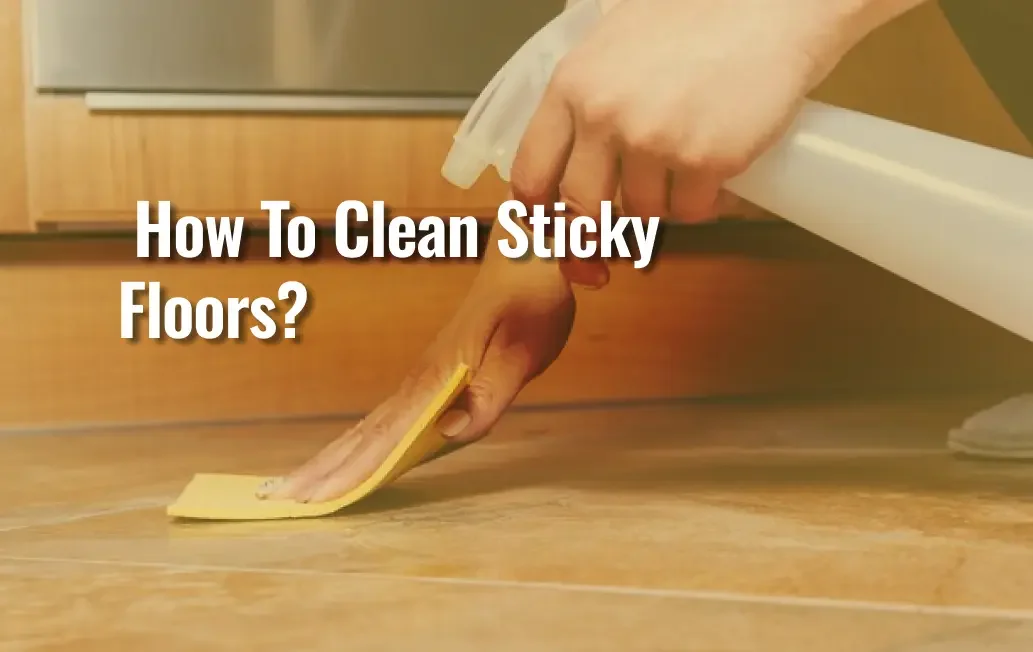
Step-by-step cleanup for fresh spills, dried residue, and mop film
Use a dry cloth or paper towel to lift as much liquid as possible before it spreads. This is especially important for sugary drinks, oils, and pet messes.
Use the smallest amount of cleaner that can break up the residue. Work in a small section so you can see whether the floor is improving or getting filmy.
Some cleaners leave a shine or conditioning layer, but others should be wiped again with clean water. A rinse pass often helps when the floor feels tacky after mopping.
Use air movement, dry towels, or a clean microfiber pad to reduce moisture and stop new dirt from sticking to the surface.
Best cleaning methods for 2025: pH-balanced cleaners, microfiber, and rinse passes
For many floors, the best modern approach is simple: a pH-balanced cleaner, a microfiber mop, and a rinse pass when needed. That combination removes grime without relying on heavy soap. [Source: Mayo Clinic]
If you want a deeper routine that avoids buildup, a guide like how to mop a floor properly can help you match the method to the surface. For some homes, dry time matters just as much as the cleaner itself, which is why how to dry a floor after mopping is worth following closely.
Practical examples: kitchen grease, sugary drinks, pet messes, and soap residue
Kitchen grease usually needs a degreasing cleaner that is still safe for the floor type. Sugary drinks often clean up with warm water and a mild solution, but they can become sticky if they sit too long.
Pet messes should be cleaned quickly and thoroughly, especially in seams or textured floors. Soap residue is different: it often means the floor has been over-cleaned, so the fix is usually less product, not more.
When a floor feels sticky after mopping, try one small test area first. If the tackiness improves with a plain-water rinse, the problem is usually residue rather than damage.
Common Cleaning Mistakes That Cause More Stickiness
Many sticky-floor problems start with a well-meaning cleaning routine. Small product or technique mistakes can leave behind a film that attracts dust and makes the floor feel worse.
Using too much soap or all-purpose cleaner
More cleaner does not mean better cleaning. Too much soap can leave a slippery or tacky coating that dries into a visible film.
This is especially common when people pour cleaner directly onto the floor or use a stronger mix than the label suggests. If you suspect buildup, switching to a lighter dilution is usually safer than adding more product.
Skipping rinse water and leaving behind film
Some cleaners are designed to be left on the floor, but many are not. If the label suggests rinsing or wiping again, skipping that step can leave residue behind.
That leftover film is one of the most common reasons a floor feels sticky after cleaning. A plain-water rinse can make a big difference on tile, vinyl, and some sealed surfaces.
Mixing incompatible products or using abrasive tools
Do not mix cleaners unless the label says it is safe. Combining incompatible products can leave more residue, damage the finish, or create a safety hazard.
Abrasive pads, stiff brushes, and harsh scrubbers can also harm the floor finish. Once the surface is scratched or dulled, it may trap dirt and feel sticky again sooner.
Overwetting wood, laminate, or seams
Wood, laminate, and some LVP seams do not like excess water. Overwetting can cause swelling, edge lifting, or a soft feel that gets mistaken for stickiness.
If you need more guidance for wood surfaces, how often should you mop hardwood floors can help you avoid overcleaning. For laminate-specific moisture concerns, see steam mop on laminate floors before using high-moisture tools.
When Sticky Floors Signal a Bigger Flooring Problem
Sometimes stickiness is not about cleaning at all. If the floor keeps feeling tacky after proper cleaning, there may be a finish, adhesive, or moisture issue underneath.
Signs of finish breakdown, adhesive failure, or subfloor moisture
Watch for dull patches, discoloration, lifting edges, soft spots, or areas that stay sticky in the same place. Those signs can point to finish breakdown or moisture below the surface.
Adhesive failure can happen on vinyl, LVP, or older flooring installations. When the tackiness is paired with movement, bubbling, or separation, the problem may be structural rather than cosmetic.
When discoloration, warping, or recurring tackiness means professional help
If the floor warps, darkens, swells, or becomes sticky again within a day or two, it is time to pause the DIY routine. Repeated scrubbing will not fix moisture damage or failing finish.
This is also the point where warranty concerns matter. If the floor is new, expensive, or professionally installed, ask a flooring professional before using stronger chemicals or repair products.
What a flooring professional can diagnose that DIY cleaning cannot
A flooring professional can often tell whether the issue is residue, finish wear, adhesive failure, or moisture migration. That diagnosis matters because each problem needs a different fix.
DIY cleaning is useful for surface film, but it cannot replace inspection for hidden damage. If the same sticky spot keeps returning, a pro can help prevent a bigger repair later.
Cost and Cleanup Comparison: DIY Fixes vs Professional Repair
Most sticky-floor problems start with low-cost cleanup. But if the issue keeps returning, the cheaper option can become the more expensive one over time.
Low-cost home remedies versus specialty cleaners and tools
Basic supplies like microfiber pads, mild cleaner, and rinse water are usually the lowest-cost way to start. Specialty cleaners may cost more, but they can be worth it if the floor needs a formula made for a specific finish. [Source: EPA]
If you are comparing cleaning options, a floor cleaning cost calculator can help you think through supplies, refill needs, and long-term use rather than just the first purchase.
When repeated cleaning becomes more expensive than repair
If you keep buying stronger products and the floor still feels tacky, the problem may not be surface residue. At that point, repeated cleaning can waste time and money while the damage gets worse.
Professional repair may cost more upfront, but it can be the better value if the floor has finish failure, adhesive problems, or moisture damage.
Cost factors by floor type: tile, hardwood, vinyl, and laminate
Tile is often the least complicated to clean, especially if the issue is just residue. Hardwood and laminate can become more expensive if moisture or finish damage is involved.
Vinyl and LVP usually fall somewhere in the middle: simple buildup is easy to clean, but adhesive or wear-layer issues can require more specialized help. The exact cost depends on the floor condition, room size, and whether repair or replacement is needed.
Starting with mild DIY cleaning is usually the most budget-friendly option, but buying the wrong products repeatedly can add up fast. If the same sticky area keeps returning, professional diagnosis may save more than another round of supplies.
How to Prevent Sticky Floors From Coming Back
Prevention is mostly about using less product, drying the floor well, and cleaning spills before they set. A simple routine is often more effective than a stronger cleaner.
Better mopping routine, dilution ratios, and drying habits
Follow the label dilution ratio carefully and avoid adding extra cleaner “just in case.” A lightly damp mop usually cleans better than a soaking-wet one because it lifts residue instead of spreading it.
After mopping, let the floor dry fully before walking on it heavily. If you want a routine built around consistency, weekly mopping guide cleaner home every week can help you keep buildup from starting in the first place.
Spill response tips for kitchens, entryways, and high-traffic zones
Kitchens and entryways get sticky fastest because they collect grease, food, dirt, and moisture. Wipe spills quickly, especially around appliances, mats, and door thresholds.
High-traffic zones often need more frequent spot cleaning than full mopping. That keeps residue from spreading across the whole floor and reduces the chance of a filmy finish.
Product choices that reduce residue in busy homes
Choose cleaners made for your floor type and avoid products that leave a heavy shine unless you actually want that finish. In busy homes, less residue usually means less dust sticking to the surface later.
If you are building a better routine from scratch, daily floor cleaning guide can help with light maintenance without overdoing it.
Final Recap: Is It Safe to Use Sticky Floors at Home?
Yes, sticky floors are usually safe to clean at home if the tackiness is caused by residue, spills, or mop film. The key is to match the cleaning method to the floor type and stop if you see signs of damage.
Quick decision guide for safe cleaning, caution, or calling a pro
If the floor is simply sticky from buildup, start with a mild cleaner, microfiber, and a rinse pass. If the floor is wood, laminate, newly installed, expensive, or already showing warping or discoloration, be more cautious and ask a professional when needed.
Key takeaways for keeping floors clean, dry, and residue-free
For the best long-term results, keep cleaning light, dry the floor well, and prevent buildup before it starts. When the problem keeps returning, the safest next step is often diagnosis, not more scrubbing.
Frequently Asked Questions
Floors often feel sticky after mopping because too much cleaner was used or residue was left behind. A plain-water rinse and a lighter dilution usually help.
Sticky residue itself usually does not damage the floor right away, but the cleaning method can. Too much water or harsh chemicals can harm wood and laminate finishes.
Use a pH-balanced cleaner, a microfiber mop, and a rinse pass if needed. Tile can usually handle gentle residue removal well.
The floor may have product buildup, soap film, or a spill that was not fully removed. If the same area keeps feeling tacky, the floor finish or subfloor may need inspection.
No, more soap usually makes the problem worse by leaving more residue behind. Start with less product and add a rinse step instead.
Call a professional if the floor is warping, discoloring, bubbling, or staying sticky after proper cleaning. Those signs can point to finish breakdown, adhesive failure, or moisture damage.
