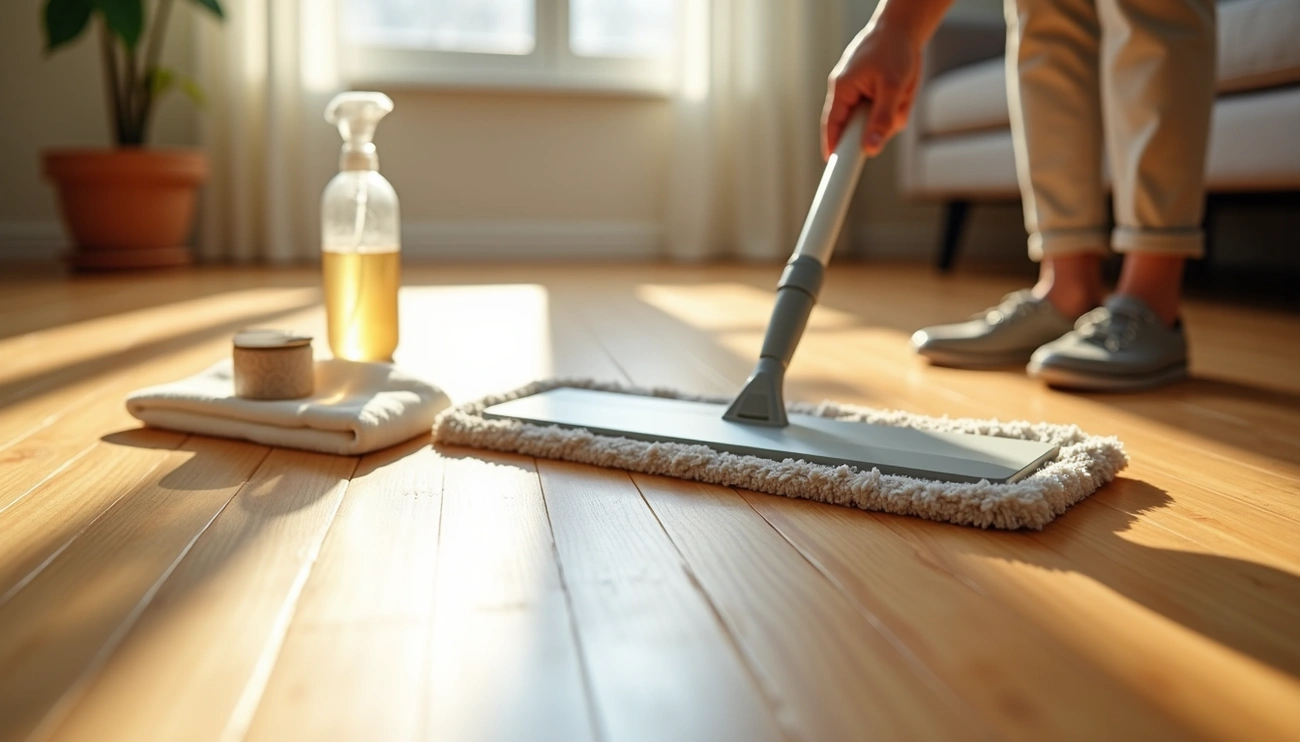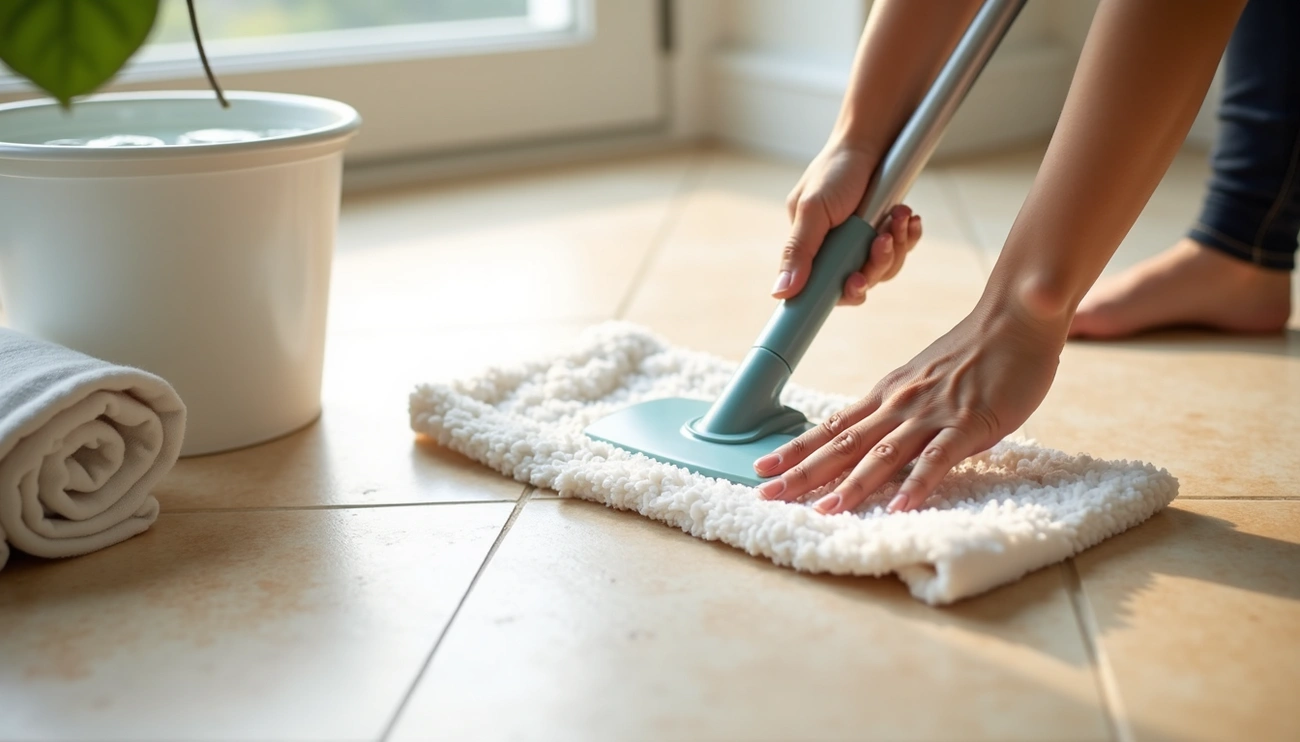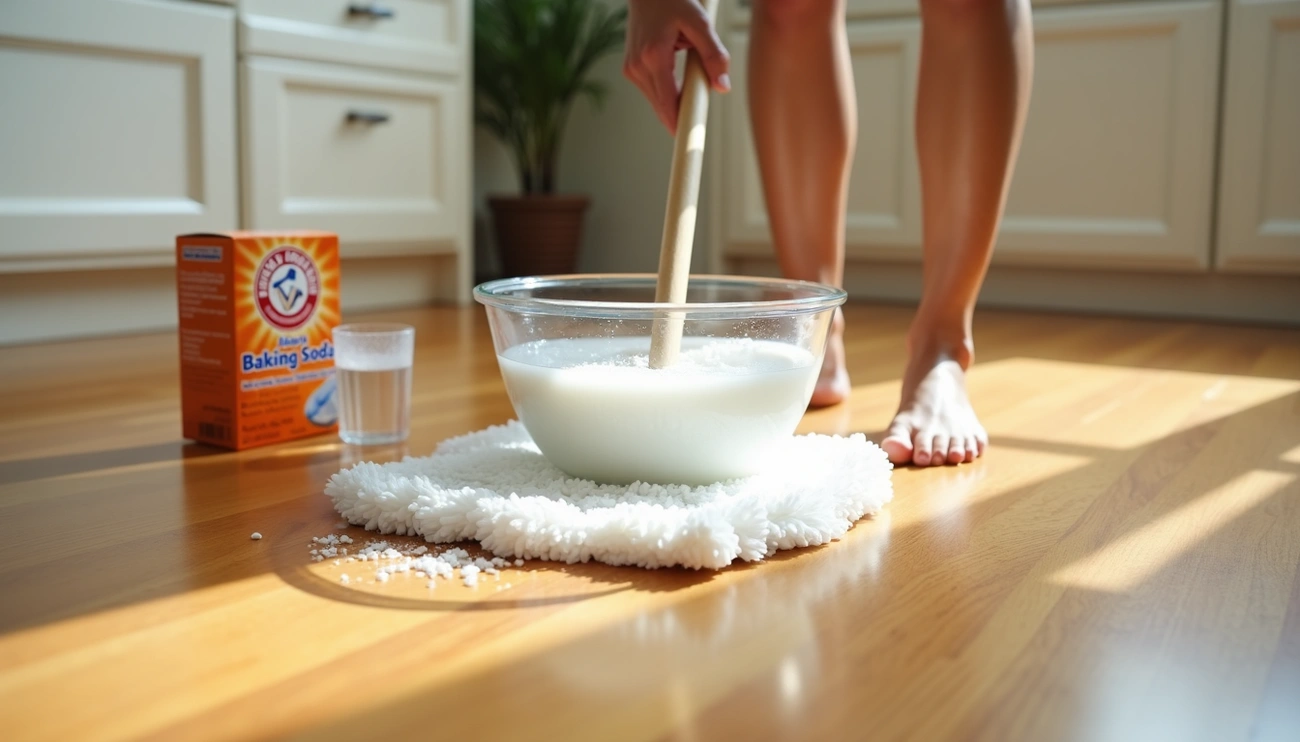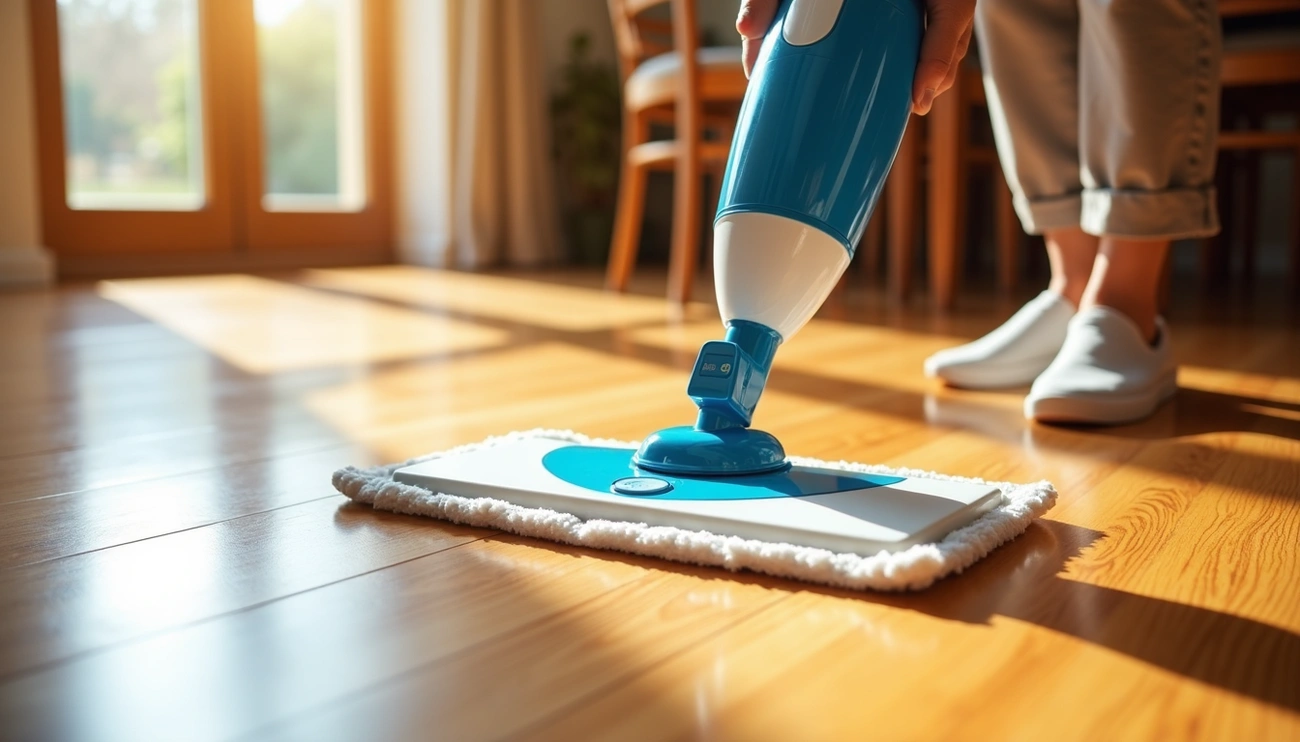
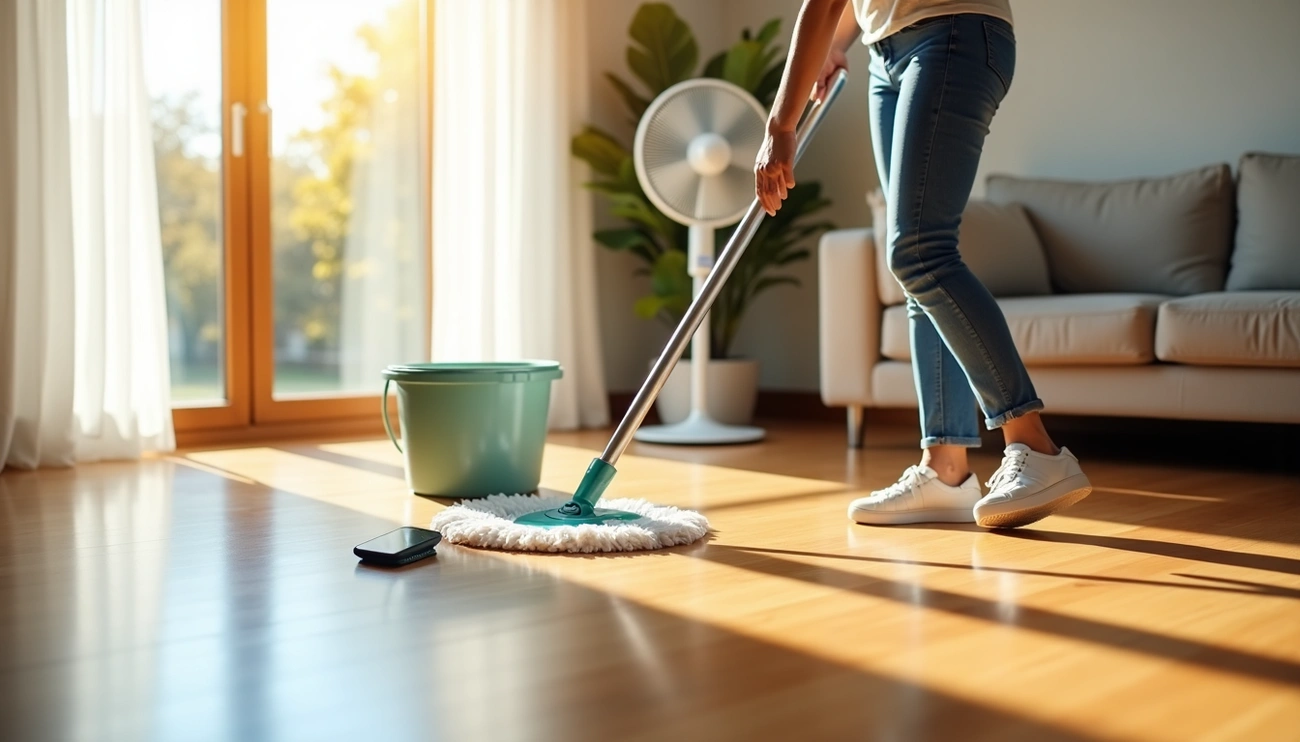
Dry a floor after mopping by using a two-step method. Follow a damp mop with a clean, dry microfiber mop or towel to absorb excess water and prevent streaks. Clean in 5×5 foot sections to control moisture. Increase evaporation by opening windows, using fans, or running a dehumidifier. Avoid walking on the floor for 15–20 minutes to ensure complete drying.
How Long Does It Take for a Floor to Dry After Mopping
Normal Drying Time for Different Floor Types
Hardwood floors typically dry within 20 to 45 minutes. These sealed surfaces repel water reasonably well, but if hardwood remains visibly damp after 60 minutes, you’ve applied too much water. Micro-swelling at seams and cloudy appearance signal moisture problems.
Laminate flooring dries slightly faster at 20 to 40 minutes. This material is more sensitive than hardwood, and laminate should never stay wet longer than one hour. Water penetration at seams causes edge swelling, peaking, and permanent dull patches.
Tile floors dry the quickest at 15 to 30 minutes. The tile itself is non-porous, though grout is not. If grout lines remain dark longer than an hour, moisture may be trapped.
Vinyl and luxury vinyl plank floors also dry within 15 to 30 minutes. While vinyl is moisture-resistant, slow evaporation can leave cleaner haze, sticky residue, or uneven shine.
Factors That Affect Floor Drying Speed
High humidity dramatically slows evaporation. If relative humidity exceeds 60%, drying time can double. Moist air can’t absorb much more moisture, so floors stay damp longer.
Airflow matters more than temperature. Still air traps moisture near the surface, whereas fans, open windows, or HVAC circulation can cut drying time in half. Cross-ventilation from doors and windows on opposite sides of the room reduces drying time significantly.
Floor temperature plays a role as well. Cold surfaces dry slower, particularly on tile or slab foundations during winter months.
The amount of water used is the most common issue. A properly damp mop should leave no pooling, no visible streaks, and no bead formation.
Signs You’re Using Too Much Water
Water visibly pools on the floor surface. The mop leaves glossy streaks behind. Floors take over 60 minutes to dry. Seams remain darker than surrounding areas. You hear faint “squish” sounds when walking. Boards feel slightly uneven. Grout lines stay dark long after mopping. The surface smells damp or develops an inconsistent gloss. If you feel compelled to “dry mop” afterward, the issue is technique, not dirt.
Why Your Floors Stay Wet for So Long After Mopping
Using a Mop That Holds Too Much Water
Traditional cotton string mops are often the culprit. These mops absorb far more water than necessary, and even after wringing, they leave excessive moisture behind. If you need three or four passes to soak up the water you just spread, you’re using too much. Mop heads that don’t rinse clean or pads saturated beyond capacity create problems. Fibers trap oils permanently, and mops that never fully dry between uses become bacteria delivery systems. A properly wrung mop should require only one or two passes to absorb the water it deposited.
Dirty Mop Water Creates Sticky Residue
Reusing dirty mop water spreads grime rather than removes it. When mop water looks swampy, you’re moving dirt around and depositing a sticky, syrup-like film. Cleaner residue acts like a magnet for dust, footprints, and fur. Soil sticks more aggressively once residue builds up, and foot traffic embeds grime deeper. Consequently, floors look dirty faster after repeated mopping with contaminated water.
Poor Air Circulation in the Room
Stagnant air traps moisture near floor surfaces. Rooms with blocked vents, weak airflow, or no cross-ventilation feel stuffy and prevent proper evaporation. Basements and rooms with poor ventilation suffer the worst air circulation. Without adequate airflow, moisture has nowhere to go, extending drying times significantly.
High Humidity Slows Down Evaporation
High humidity dramatically impacts drying speed. Floor finishes can take two to three hours to dry in humid conditions instead of the normal 30 minutes. When humidity exceeds 70-75%, evaporation slows because moist air can’t absorb additional moisture. The film dries from the top surface inward, so floors that feel dry to the touch can still be wet underneath. Close windows and run air conditioning to lower indoor humidity levels during mopping.
Fast Techniques to Dry Floors After Mopping
Open Windows and Use Fans for Better Airflow
Air circulation cuts drying time dramatically. Open windows and doors on opposite sides of the room to create cross-ventilation, which can reduce drying time by half. If outdoor conditions prevent this, position fans to blow directly across the wet surface. Pivot the fan head downward so airflow hits the floor at a low angle. Air movers work best at medium speed for hard floors, preventing dust from stirring while maintaining efficient evaporation. Running an air mover speeds up drying, particularly in spaces that remain in use during cleaning.
Dry Mop Over the Wet Floor Immediately
The two-step method delivers the fastest results. Following your wet pass, go over the same area immediately with a clean, dry microfiber cloth or mop. This absorbs moisture that evaporation would otherwise handle, preventing water spots while buffing the floor to a shine.
Use a Floor Squeegee to Remove Excess Water
For waterproof surfaces like garage floors, laundry rooms, or fully tiled bathrooms, a floor squeegee removes water physically rather than waiting for evaporation. Rubber blade squeegees glide smoothly across tile, concrete, and vinyl, pushing excess liquid toward drains or doorways. Long-handled squeegees reach efficiently without bending.
Run a Dehumidifier in Humid Conditions
Opening windows worsens drying in basements or during humid months. Set a dehumidifier to the lowest humidity setting, preferably 30%, and close all windows and doors. The unit pulls moisture from the air, forcing floor water to evaporate faster.
Mop in Small Sections and Dry as You Go
Work in 5×5 foot sections instead of mopping the entire room at once. Mop one section, dry it immediately, then move forward. This prevents water from settling into grout lines or seams.
Apply Heat Carefully to Speed Up Evaporation
Heat accelerates evaporation during cold seasons. Room heaters or mild warm air help, but avoid directing high heat at hardwood or laminate floors. Excessive heat causes cracks and warping.
How to Prevent Streaky Floors and Sticky Residue
Streaks and sticky residue stem from using too much cleaning product or improper mopping technique.
Use the Right Amount of Cleaning Solution
Most floor cleaners require only 1-3 tablespoons per gallon of water. Using more doesn’t improve cleaning performance. Excess soap dries into a cloudy film that attracts dirt faster and creates that tacky feeling underfoot. For this reason, neutral floor cleaners with a pH between 6 and 8 work best. They clean effectively without leaving residue behind. Always follow label dilution instructions exactly.
Change Your Mop Water Frequently
Dirty water spreads grime instead of removing it. In high-traffic areas, change water every 5-15 minutes or after cleaning 10-30 square meters. For moderate-traffic spaces, refresh water every 15-30 minutes or after 30-60 square meters. Replace immediately when water looks cloudy, greasy, or smells bad. Two-bucket systems separate clean and dirty water, extending solution effectiveness.
Choose a Mop That Leaves Less Water Behind
Microfiber mops absorb significantly more moisture compared to traditional cotton mops, leaving floors that dry four times faster. These mops lift dirt through electrostatic action rather than pushing it around.
Wring Out Your Mop Properly Before Each Pass
Wring until the mop is just barely damp with no dripping when lifted. Properly wrung mops create no visible puddles. Excess water pools, dries unevenly, and creates streaks.
Conclusion
Faster floor drying is entirely achievable once you understand the basics. Wring your mop properly, use less water, and create airflow with fans or open windows. These simple adjustments cut drying time from hours to minutes.
Without a doubt, switching to microfiber mops and changing water frequently prevents streaks and sticky residue. When you apply these techniques consistently, your floors will dry faster and stay cleaner longer. The result is less waiting and better-looking floors every time you mop.