
7 Slippery Floors Mistakes That Put You at Risk

Most slippery floors mistakes come from using too much water, the wrong cleaner, or leaving residue behind. Safer cleaning habits and floor-specific products can improve traction without damaging the surface. Related: slippery floor cleaning. Related: slippery floor causes. Related: floor residue. Related: floor traction. Related: mop mistakes.
Slippery floors are often caused by cleaning habits that seem helpful at first but leave behind moisture, residue, or uneven traction. The good news is that many slip risks can be reduced by matching the right cleaner, tool, and method to the floor type.
- Less water matters: Over-wetting can leave floors slick and damage moisture-sensitive surfaces.
- Cleaner choice counts: The wrong formula can leave residue, haze, or a slippery film.
- High-risk zones need more care: Entryways, kitchens, and bathrooms build hazards fastest.
- Tools affect traction: The wrong mop head can spread dirt or leave too much moisture behind.
Why Slippery Floors Happen: The Hidden Risks Behind Common Cleaning Habits
Most slippery floors mistakes come from doing too much, using the wrong product, or assuming a floor is safe as soon as it looks clean. In reality, a floor can feel slick because of leftover cleaner, trapped water, worn finish, or dirt that gets spread into a thin film.
Different surfaces react differently. Hardwood, laminate, luxury vinyl, tile, stone, sealed wood, and concrete all have their own limits, so a method that works in one room can create a hazard in another.
If you are trying to build better habits, it helps to start with a simple routine and avoid rushed cleaning. A good place to begin is FloorsMop’s floor mopping basics, especially if you want to compare safer techniques before changing products.
Mistake #1: Using Too Much Water on Hardwood, Laminate, and Luxury Vinyl
Excess water is one of the easiest ways to make a floor feel slippery longer than it should. It can pool in seams, soften certain finishes, and leave a surface that looks dry but still has a damp film underfoot.
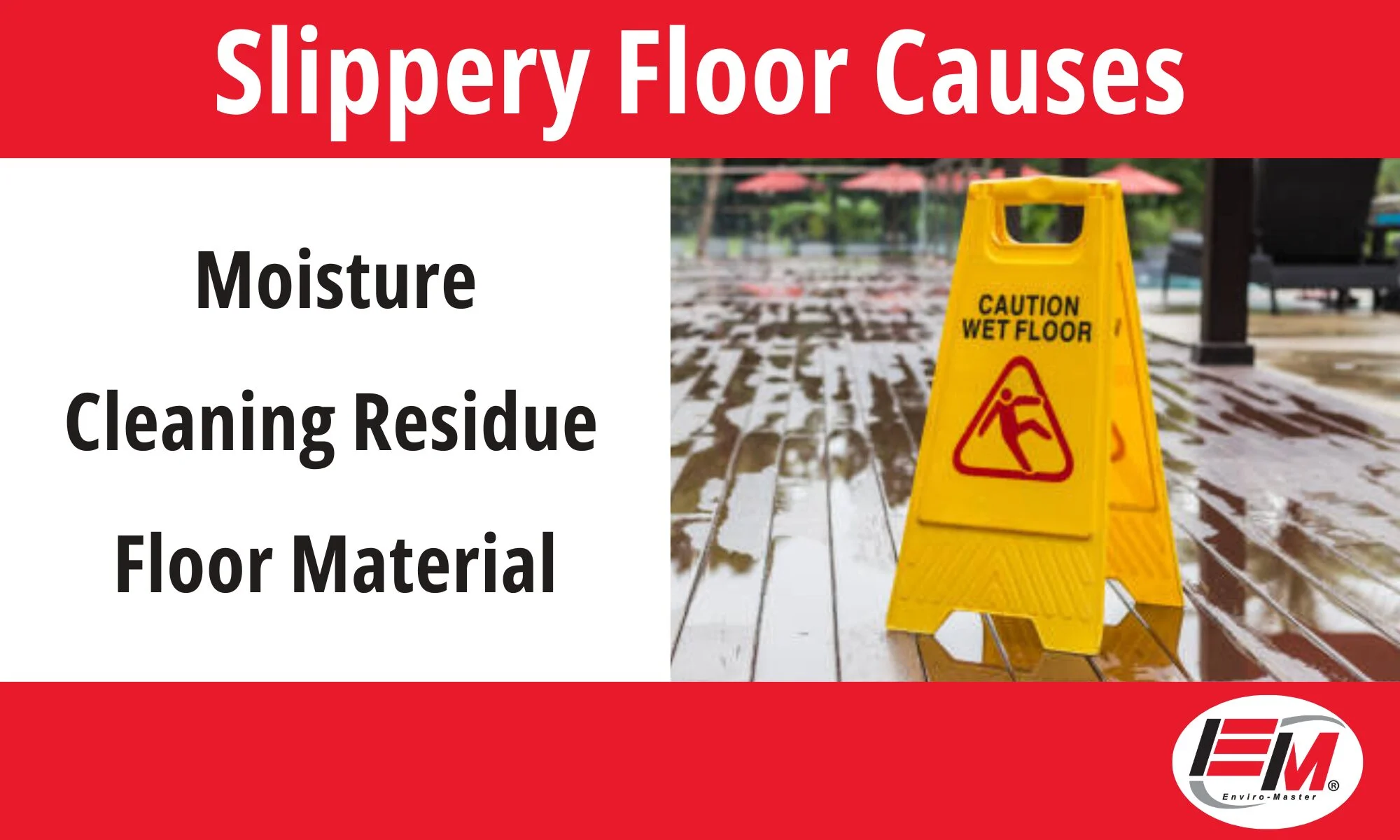
Which floor types are most vulnerable to moisture buildup
Hardwood and engineered hardwood are especially sensitive because standing water can seep into joints or edges. Laminate can swell if moisture gets into seams, while luxury vinyl plank and similar floors may not be damaged as quickly but can still become slick if too much water is used.
Even sealed wood is not immune. If the finish is worn, water may sit on the surface unevenly or work into weak spots, which can change both grip and appearance.
Real-world example: the “clean” floor that stays slick for hours
A common example is a kitchen floor that looks spotless after mopping but still feels slippery every time someone crosses it. That can happen when the mop is too wet, the room has poor airflow, or the floor was not dried well enough after cleaning.
Cleaning Tip
Use a damp mop, not a dripping one, and wring it out often. If the floor still feels tacky or slick after drying, moisture or residue is likely still present.
Mistake #2: Choosing the Wrong Cleaner for Tile, Stone, Vinyl, or Sealed Wood
Using the wrong cleaner can leave a film that changes traction even when the floor looks shiny. Some formulas are too strong, while others are too mild for grease or soil and end up leaving dirt behind.

pH imbalance, residue, and film that increase slip risk
Highly acidic or highly alkaline products can be too aggressive for certain finishes and natural stone. On the other hand, cleaners that are heavy in soap, polish, or conditioning agents may leave a residue that builds up over time and makes the floor feel slick.
That residue is especially noticeable in bathrooms, kitchens, and entryways where repeated cleaning happens often. If floors seem to get slippery soon after mopping, the cleaner itself may be part of the problem.
How to match cleaners to floor type safely
Check the floor manufacturer’s care guidance whenever possible, especially for stone, sealed wood, and newer vinyl products. If that information is unavailable, choose a cleaner labeled for the specific surface and avoid mixing formulas unless the directions clearly allow it.
When in doubt, test a small hidden area first. If a cleaner leaves haze, dullness, or a slick feel after drying, stop using it and switch to a product designed for that floor type.
Floor Care Note
Stone, polished finishes, and specialty coatings can react differently from standard tile or vinyl. If the surface is expensive or the finish is unclear, ask a flooring professional before trying new products.
Mistake #3: Leaving Soap, Polish, or DIY Mixtures Behind as a Slippery Film
Not every slippery floor is wet. Sometimes the real issue is a thin coating of soap, polish, or homemade cleaner that never fully rinsed away.

Why vinegar, oil-based products, and shine boosters can backfire
DIY mixtures can be unpredictable because the strength and balance vary from batch to batch. Vinegar may be useful on some surfaces in limited situations, but it is not safe for every floor, especially natural stone. [Source: Home Depot Guide]
Oil-based products and shine boosters can also leave a glossy layer that looks attractive at first but reduces traction. If the goal is safety, too much shine is not the same thing as a properly cleaned floor.
Signs residue is the real problem, not the floor itself
If shoes squeak in some spots but slide in others, or if the floor feels sticky and slick at the same time, residue is likely involved. Another clue is a cloudy film that returns soon after cleaning, even when the room is not especially dirty.
Avoid This
Do not keep adding polish or homemade cleaner on top of a floor that already feels slippery. That often makes the buildup worse and can create a harder-to-remove film.
Mistake #4: Skipping Rinse Steps and Re-Mopping Dirty Water Around
Reusing dirty mop water is a common reason floors stay dull, streaky, and slick. Once the solution is loaded with soil, it stops cleaning effectively and starts spreading grime around the room.
How dirty solution creates streaks, dullness, and slick spots
Dirty water can leave a thin layer of grime that dries unevenly. In high-traffic areas, that layer may feel slippery because it combines dust, soap, grease, and fine debris into one film.
This is especially noticeable on dark floors, glossy tile, and sealed surfaces where streaks show easily. A floor may look “finished” but still have drag-free spots that become slip hazards.
Best-practice cleaning sequence for high-traffic rooms
Start by removing loose dirt with a dry dust mop or vacuum, then mop with fresh solution, and change the water when it looks dirty. If the room is busy, work in smaller sections so soil is not spread from one area to another.
For a more detailed routine, FloorsMop’s daily floor cleaning guide can help you compare a cleaner sequence with a rushed one. If your floor has a sticky feel after frequent mopping, you may also want to review why floors stay sticky after mopping.
Mistake #5: Ignoring Entryways, Kitchens, Bathrooms, and Spill-Prone Zones
Slip hazards build up fastest where water, grease, or tracked-in dirt are most common. These areas need more attention than low-traffic rooms because the risk changes throughout the day.
Where slip hazards build up fastest in 2025 homes and workplaces
Entryways collect rain, mud, and grit. Kitchens collect cooking oils and food splashes. Bathrooms deal with condensation, wet feet, and product residue, while laundry rooms and utility spaces often get overlooked until the floor already feels unsafe.
In workplaces, the same pattern shows up near sinks, break rooms, and doorways. Even a small spill can become a bigger issue if it gets tracked across a smooth surface.
Practical examples: tracked-in rain, grease, and condensation
Tracked-in rain can make tile or vinyl slippery within minutes, especially if the floor is polished. Grease near a stove can spread farther than it looks, and bathroom condensation can leave a light film on the floor long after the shower is done.
For rooms that need more frequent upkeep, FloorsMop’s weekly mopping guide can help you plan a safer maintenance routine without over-wetting the surface.
Mistake #6: Using the Wrong Tools, Pads, or Mop Heads for the Surface
The wrong mop can spread residue instead of removing it. Tool choice matters because some heads hold too much water, while others push dirt around without lifting it cleanly.
Microfiber vs. sponge vs. string mops: what works and what worsens slickness
Microfiber mops are often a better starting point for many modern floors because they remove fine soil well and usually use less water. Sponge mops can leave more liquid behind, and string mops may work for larger messes but can also over-wet a surface if they are not wrung out carefully.
The best mop depends on the floor, the finish, and the amount of soil. No single tool is ideal for every room, especially when safety and traction matter. [Source: Healthline]
Floor-type compatibility: textured tile, polished stone, LVP, and sealed wood
Textured tile often benefits from a tool that can reach into grooves without leaving excess moisture. Polished stone needs a gentle, residue-free approach, while LVP and sealed wood usually do better with a lightly damp microfiber head rather than a wet sponge.
- Microfiber mops for routine dust and soil removal
- Lightly damp cleaning on sealed, moisture-sensitive surfaces
- Sponge mops that leave too much water behind
- String mops that stay saturated and spread dirty solution
If you are comparing tool options for specific surfaces, FloorsMop’s steam mop and vinyl floor guide and how to dry a floor after mopping can help you avoid common compatibility problems.
Mistake #7: Waiting Too Long to Call a Flooring Professional
Sometimes slippery floors are not just a cleaning issue. If the finish is worn, the sealant is failing, or the subfloor has been damaged, no amount of mopping will fully solve the problem.
When the issue is worn finish, damaged sealant, or an unsafe subfloor
Watch for recurring slickness in the same spot, visible wear paths, soft areas underfoot, or a finish that looks patchy even after cleaning. These can point to a deeper surface problem rather than a product mistake.
Water damage, warped boards, loose tile, or a compromised seal can all affect traction and safety. If the floor feels unstable, squeaks unusually, or changes shape, stop using harsh cleaning methods until it is inspected.
Cost comparison: DIY cleaning fixes vs. professional assessment or refinishing
Basic DIY fixes are usually the least expensive first step, especially when the issue is residue or a wrong cleaner. But repeated trial-and-error can waste time and may make the floor harder to restore if the surface keeps getting coated or over-wet.
Cost Note
A careful product switch or better mop technique often costs less than repeated re-cleaning, but worn finishes and damaged sealants may require assessment, repair, or refinishing. For expensive floors, the safer long-term value is often to confirm the cause before buying more products.
Final Recap: How to Prevent Slippery Floors Without Damaging the Surface
The safest approach is usually simple: use less water, choose the right cleaner, remove residue fully, and pay extra attention to high-risk rooms. If a floor still feels slick after you clean it correctly, the problem may be buildup, wear, or damage rather than everyday dirt.
When the surface is expensive, delicate, or already showing signs of failure, it is worth asking a flooring professional before trying stronger products. That extra step can protect both traction and the finish.
Quick checklist of safer habits for long-term traction and cleaner floors
- Use a damp mop, not a soaked one
- Match the cleaner to the floor type
- Rinse or refresh dirty solution often
- Clean entryways and spill zones more frequently
- Choose a mop head that removes soil without over-wetting
- Call a professional if the floor stays slippery after proper cleaning
Frequently Asked Questions
This often happens because of too much water, leftover cleaner, or dirty solution being spread around. It can also point to a worn finish or a floor that needs a different product.
Soap-heavy products, polish, shine boosters, and some DIY mixtures can leave a film behind. The exact risk depends on the floor type and how much product is used.
No, vinegar is not safe for every floor. It may be unsuitable for natural stone and some finishes, so always check the floor care guidance first.
A microfiber mop is often a good choice because it uses less water and lifts soil well. The best option still depends on the floor type and how much dirt you are cleaning.
Signs include streaks, haze, sticky spots, or a slick feel that returns after cleaning. If the floor looks clean but still feels unsafe, residue is a likely cause.
Call a professional if the floor stays slippery after proper cleaning, if the finish is worn, or if you suspect water damage or a damaged seal. This is especially important for expensive or delicate floors.
