
Can You Use Streaky Floors for a Cleaner Shine

No, streaky floors are usually a sign of residue, dirty water, or uneven drying, not a cleaner shine. The safest fix is to reduce cleaner, use a clean mop pad, and match the method to the floor type. Related: floor streaks. Related: mop residue. Related: cloudy floors. Related: floor haze.
Streaky floors usually do not mean a cleaner shine is working better. In most cases, streaks signal leftover cleaner, dirty water, or a finish that is not drying evenly.
- Streaks are a warning: They often mean buildup or poor drying.
- Floor type matters: Wood and laminate need more caution than tile.
- Less is often better: Use the right dilution and a clean pad.
- Drying is part of cleaning: Fast, even drying helps prevent haze.
- Get help when needed: Persistent clouding or damage may need a pro.
Can You Use Streaky Floors for a Cleaner Shine? Understanding the Real Goal
If you are asking can you use streaky floors to get a cleaner shine, the honest answer is no. A streaky floor may look glossy at first, but that shine often comes from residue, haze, or uneven drying rather than true cleanliness.
The real goal is a floor that dries clear, feels clean underfoot, and does not leave film behind. That matters because visible streaks can hide buildup, dull the finish, and sometimes point to a cleaning method that is slowly damaging the surface. Related: streaky floors.
For a better routine, it helps to compare your approach with a daily floor cleaning guide or review common floor cleaning mistakes if streaks keep showing up.
Why Floors Look Streaky in the First Place
Most streaking starts with product buildup, water quality, or a mop that is spreading soil instead of removing it. The floor may look fine while wet, then dry with cloudy lines, dull patches, or a greasy film.
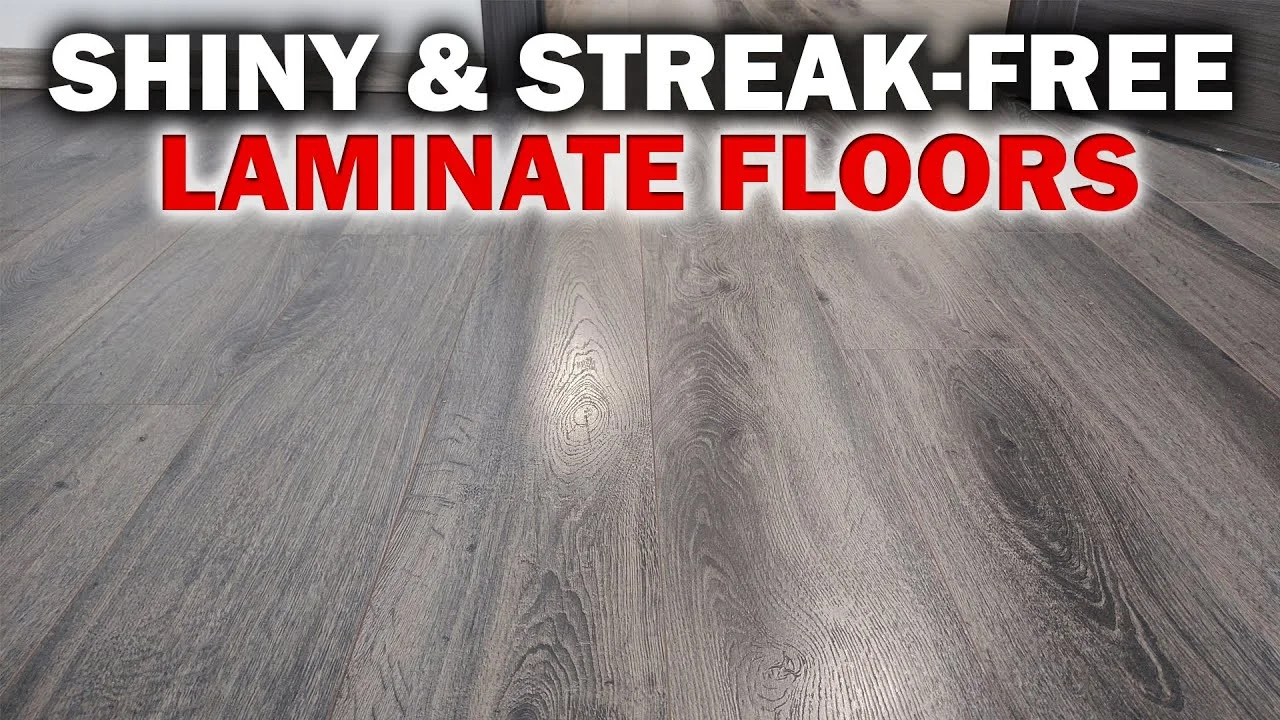
That is why streaks are worth paying attention to. They are often a cleaning signal, not just a cosmetic issue.
Too Much Cleaner, Soap Residue, or Dirty Mop Water
Using too much cleaner is one of the most common causes of streaks. Many floor products are designed to be diluted, and extra solution can leave a thin film that catches light after drying.
Soap residue can build up slowly, especially when a mop pad or bucket water is reused after it has turned gray. Instead of lifting dirt away, the mop can smear it across the surface.
Hard Water, Mineral Buildup, and Wrong Drying Methods
Hard water can leave mineral spots or a hazy finish, especially on darker floors or glossy tile. Even a good cleaner may streak if the water itself leaves behind deposits.
Drying matters too. If the floor air-dries unevenly, or if too much liquid sits in seams and edges, streaks and haze can become more visible. For a smoother finish, it helps to follow a careful floor after mopping routine.
Which Floor Types Can Handle a Streaky Finish and Which Cannot
Not every floor reacts the same way to streaks. Some surfaces only look cloudy, while others may be showing a finish problem, moisture issue, or product incompatibility.

Before deciding whether to keep cleaning or stop and reassess, match the method to the floor type.
Hardwood and Engineered Wood: High Risk for Visible Film
Hardwood and engineered wood are among the most sensitive surfaces when it comes to streaks. A sticky or streaky look on wood often means too much liquid, too much cleaner, or a product that is not meant for that finish.
These floors can also show dulling quickly if residue builds up. If you are unsure about product compatibility, it is safer to use a wood-safe cleaner and avoid heavy wet mopping, especially on finishes that are already worn.
Tile, Vinyl, Laminate, and Luxury Vinyl Plank: Different Tolerance Levels
Tile usually tolerates regular damp cleaning better than wood, but grout lines can hold residue and make streaks look worse. Vinyl and luxury vinyl plank often handle light cleaning well, yet they can still haze if too much cleaner is used.
Laminate is more limited because excess moisture can seep into seams. If you are dealing with laminate, keep the mop only slightly damp and do not assume a shiny film means the floor is cleaner.
If you clean vinyl with the wrong method, streaks may be a sign to rethink the approach, much like the concerns covered in steam mops on vinyl floors and steam mop on laminate floors.
Natural Stone and Sealed Surfaces: When Streaks Signal Damage
Natural stone can be especially tricky because some cleaners leave residue, and acidic products may etch the surface rather than simply streak it. Sealed stone may also show cloudy patches if the sealer is breaking down or if buildup is sitting on top of it.
On sealed surfaces, a streaky finish can sometimes mean the sealer is wearing unevenly. If the floor looks dull in some areas and glossy in others, the issue may be more than cleaning.
How to Get a Cleaner Shine Without Leaving Streaks
The best way to get shine is to remove soil cleanly and let the floor dry evenly. That usually means less product, cleaner water, and a mop that does not over-wet the surface. [Source: Wikipedia]

Choosing the Right Mop, Cleaner, and Dilution Ratio
A microfiber mop is often a safer choice because it picks up fine soil without pushing it around. For many floors, a pH-neutral cleaner made for the surface is the most reliable option.
Always follow the label dilution directions. If a floor still looks streaky after that, adding more cleaner usually makes the problem worse, not better.
Use a clean microfiber pad for the final pass. A fresh pad often removes the last film that an already-dirty pad would leave behind.
Step-by-Step Cleaning Approach for a Clearer Finish
Sweep or vacuum so grit does not turn into muddy streaks during mopping.
Use the recommended dilution and avoid guessing, especially on wood, laminate, or stone.
Work on a manageable area so the floor does not sit wet for too long.
Change water or pads once they start looking dirty to prevent redistributing residue.
Drying Techniques That Prevent Film and Haze
Drying is one of the easiest ways to improve the final look. Open windows when possible, run a fan, or use a dry microfiber cloth to catch leftover moisture at edges and corners.
For glossy floors, a dry buff with a clean cloth can reduce visible streaks. If you want more guidance on that final step, see how to mop a floor properly.
Streak-free drying is not about making the floor bone dry instantly. It is about removing excess moisture before it leaves residue, haze, or water marks.
Common Cleaning Mistakes That Turn Floors Streaky
Even good products can leave streaks if the process is off. In many homes, the real issue is not the floor itself but the way it is being cleaned.
Using the Wrong Product for the Floor Finish
Some cleaners are too strong for delicate finishes, while others are too mild to cut through buildup. A product that works on tile may leave film on wood or laminate.
If you are unsure, check the floor manufacturer’s care instructions first. When that is not available, choose the gentlest cleaner that still matches the surface type.
Overwetting the Floor or Reusing Dirty Pads
Too much water can create streaks on almost any floor, and it can cause more serious problems on wood, laminate, and some stone surfaces. A saturated mop can also push dirty liquid into seams and corners.
Dirty pads are another common problem. Once a pad is loaded with soil, it stops cleaning evenly and starts spreading a thin gray film.
Do not keep mopping with the same dirty water or pad just to finish faster. That usually creates more haze, more streaks, and more cleanup later.
Mixing Cleaners or Skipping Rinse Steps
Mixing products can leave unpredictable residue and may create safety concerns depending on the ingredients. Even when products are not dangerous together, the result may still be sticky or streaky.
Some floors also need a light rinse pass after cleaning, especially if a product is known to leave film. Skipping that step can make a floor look clean for a few hours and then cloudy after it dries. [Source: WebMD]
When Streaks Mean You Should Call a Flooring Professional
Not every streak can be fixed with better mopping. If the problem keeps coming back, or if the floor looks damaged rather than simply dirty, it may be time to ask a professional.
Persistent Haze, Clouding, or Finish Damage
If a floor stays cloudy after repeated cleaning, the issue may be buildup, worn sealer, or a finish that no longer responds well to standard products. This is especially common on glossy floors, sealed stone, and older wood finishes.
At that point, more cleaner is not the answer. A flooring professional can help identify whether the finish needs restoration, resealing, or a different maintenance method.
Scratches, Dull Spots, and Water Intrusion Concerns
Streaks that appear alongside scratches or dull patches may point to wear rather than residue. Water that has seeped into seams, edges, or damaged boards can also cause uneven appearance that cleaning will not fix.
If you notice swelling, soft spots, or repeated darkening after mopping, stop wet cleaning and get advice. That is especially important for wood and laminate, where moisture damage can spread.
Cost and Effort: Quick Fixes vs. Professional Restoration
Some streaking problems are easy and inexpensive to solve at home. Others require more time, specialized products, or restoration work that is worth paying for on higher-value floors.
Low-Cost Home Adjustments That Solve Minor Streaking
Simple fixes often include using less cleaner, switching to fresh mop water, replacing a worn pad, or drying the floor more carefully. These changes cost little and can make a big difference right away.
If residue is the issue, a careful rinse or a cleaner made for the exact floor type may solve it without extra expense. For budgeting your supplies, a floor cleaning calculator can help you think through cleaner use and replacement needs.
Small changes like microfiber pad replacement, a better dilution ratio, or a surface-safe cleaner are usually cheaper than repairing buildup or finish damage later.
When Professional Cleaning or Refinishing Is Worth the Price
Professional help makes more sense when the floor is expensive, the finish is failing, or the streaks are tied to deep buildup that home cleaning cannot remove. It can also be the safer option when warranty rules or special finishes are involved.
If the floor needs stripping, resealing, or refinishing, a professional may save time and reduce the chance of making the damage worse. That is especially true for hardwood, stone, and specialty sealed surfaces.
Final Recap: The Safest Way to Decide If Streaky Floors Are Worth It
Streaky floors are usually not a sign of a cleaner shine. More often, they mean the wrong product, too much moisture, dirty water, or a finish that needs a different care approach.
If the streaks are minor, adjust the cleaner, mop, and drying method first. If the haze keeps returning or the floor shows damage, stop guessing and get professional advice before the problem gets worse.
Frequently Asked Questions
Not usually. Streaks often mean residue, dirty water, or uneven drying rather than a better clean.
Yes, if the problem is mild. Try fresh water, less cleaner, a clean pad, and better drying before moving to stronger methods.
The most common reasons are too much cleaner, reused mop water, or a floor that is not drying evenly. Hard water and product buildup can also leave haze.
They can be. Hardwood and engineered wood show film easily and are more sensitive to excess moisture than many tile floors.
Sometimes, yes. If a product leaves film or the floor still feels sticky, a light rinse pass may help, but always follow the floor and cleaner directions.
Call a professional if streaks keep returning, the floor looks cloudy after cleaning, or you see signs of finish damage, swelling, or water intrusion.
