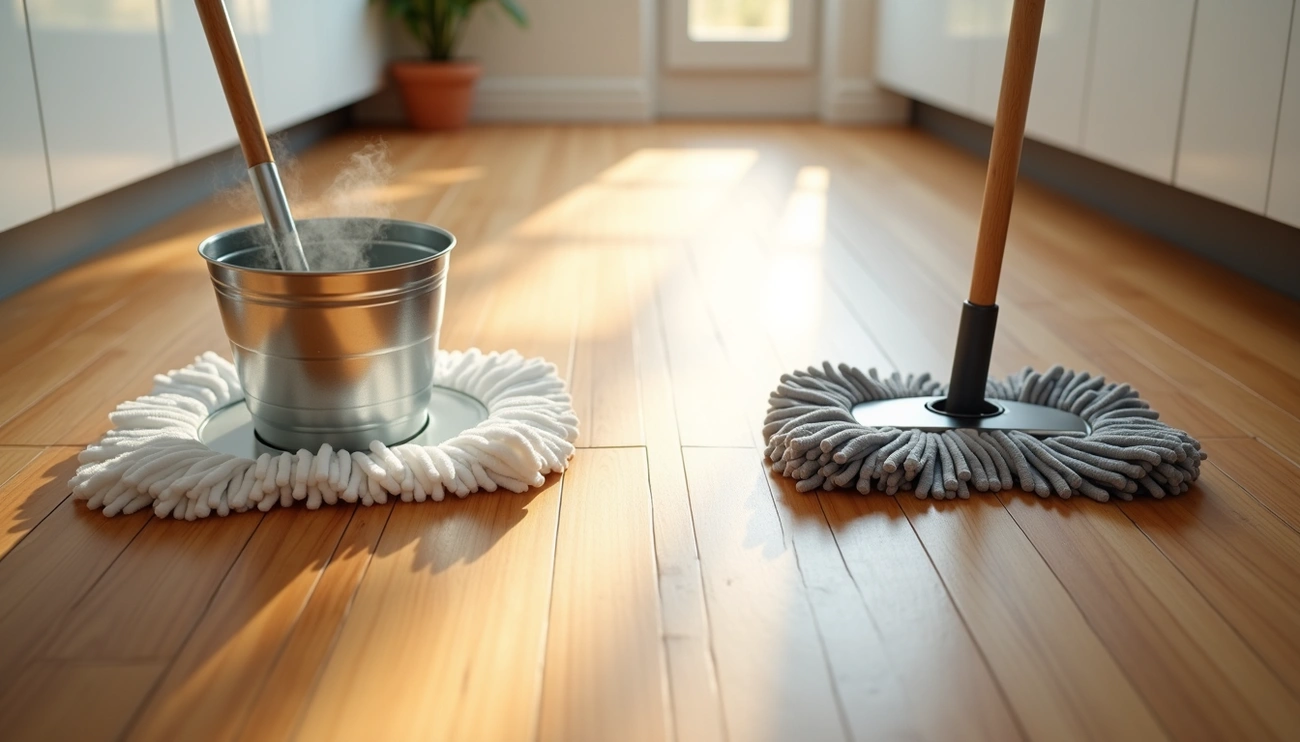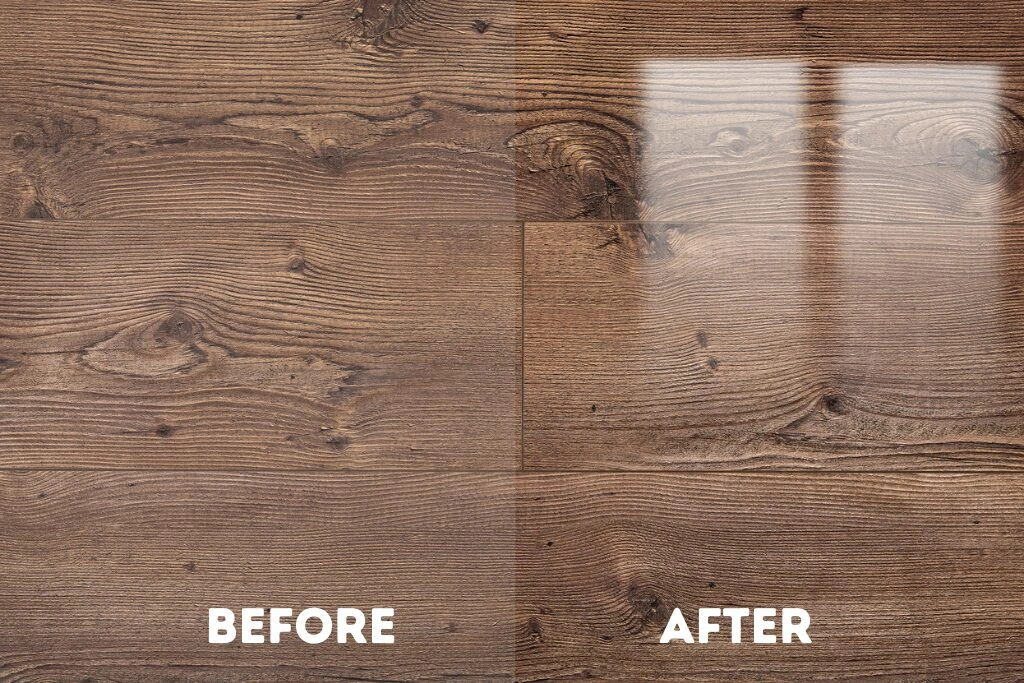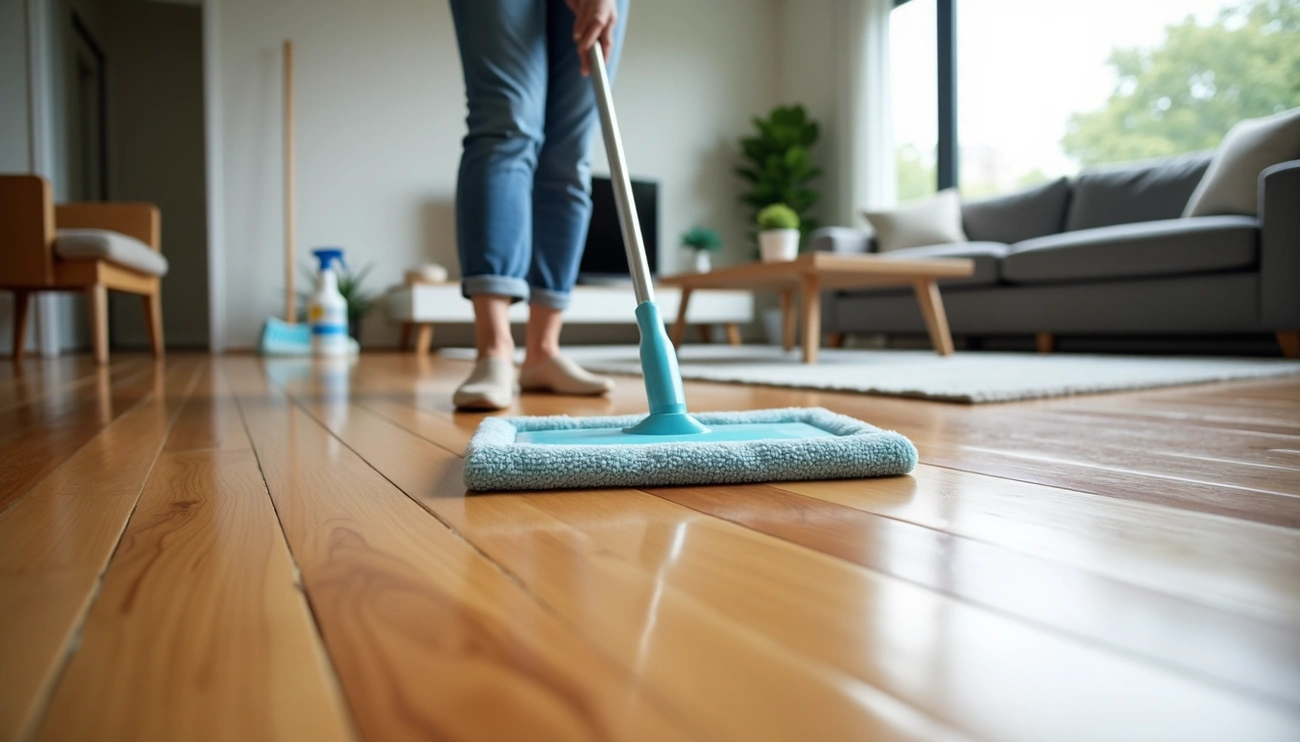
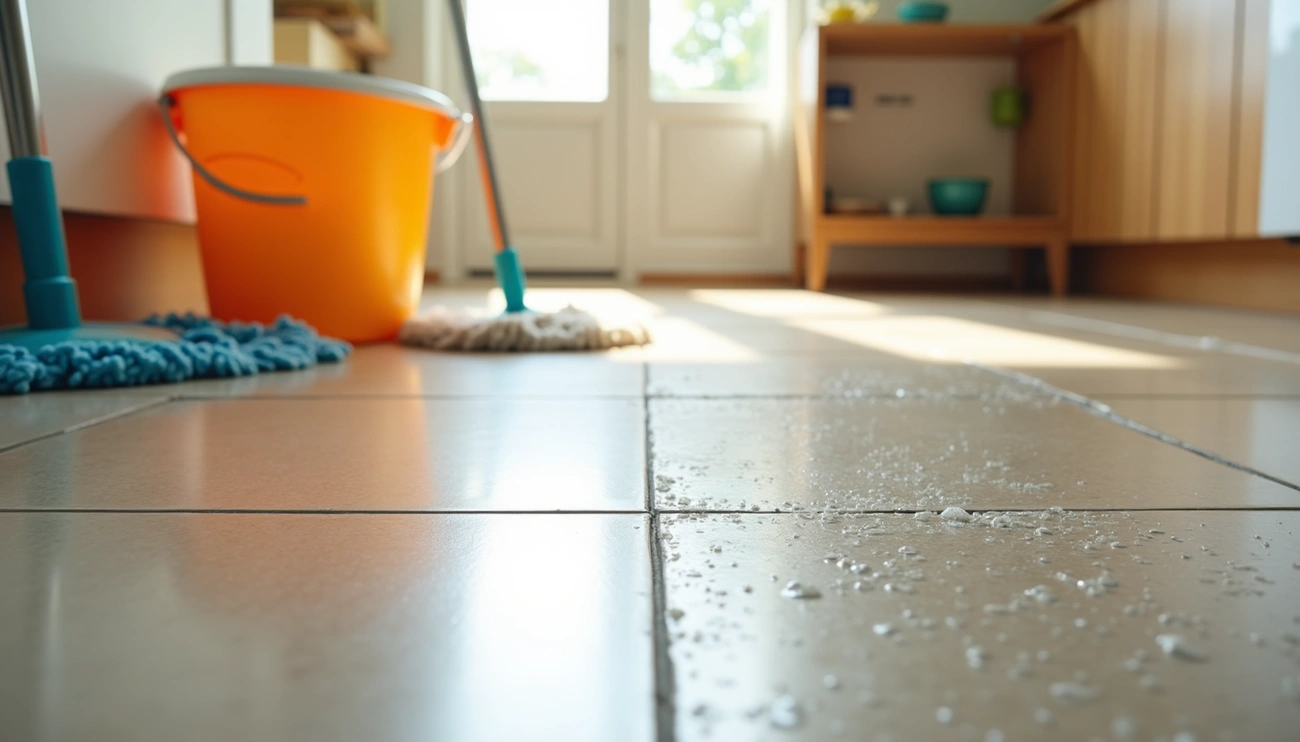
Your floor is sticky after mopping because cleaning residue remains on the surface. Using too much soap, the wrong cleaner, not rinsing, or mopping with dirty water leaves a chemical film. Alkaline cleaners and disinfectants commonly cause tacky buildup that attracts dirt and makes floors feel sticky.
Why floors get sticky after mopping
The sticky residue left behind after mopping is more common than you might think. Despite your best cleaning efforts, those tacky floors have specific causes that are easy to identify—and fix. Let’s explore why this frustrating problem happens.
Too much cleaning solution
The “more is better” approach often backfires when mopping. When you use excessive cleaning solution, you’re creating the perfect environment for sticky floors. Too much product leaves behind a tacky film that actually attracts dirt instead of removing it.
This residue buildup makes surfaces feel tacky and look grimy over time. Moreover, as this residue dries, it becomes a magnet for dust and dirt, essentially undoing all your hard work. The solution is surprisingly simple—always check the dilution ratio on the bottle and follow it precisely. Think of cleaner as seasoning: too much ruins the recipe.
Using the wrong type of cleaner
Not all floor cleaners are created equal. Using an alkaline cleaner (with a pH of 8 or higher) is particularly problematic, as these products commonly leave behind sticky residue. Bleach-based cleaners, with a pH between 11-13, are especially prone to creating tacky floors.
Oil-based soaps or heavy all-purpose cleaners can coat hardwood and tile with residue that doesn’t rinse away easily. Consequently, you need a pH-neutral cleaner designed specifically for your floor type to achieve truly clean results.
Dirty mop or water
When your mop water turns cloudy, it’s no longer cleaning—it’s spreading dirt evenly across your floor. Each dip of a dirty mop reintroduces grime that’s already been lifted, creating a dull, sticky finish.
According to the CDC, “mop water becomes increasingly dirty during cleaning and becomes contaminated if soap and water is used rather than a disinfectant”. Essentially, you end up redistributing filth instead of removing it. Professionals solve this with a two-bucket system: one for cleaning solution and one for rinsing the mop.
Skipping the rinse step
Many people stop mopping once the visible dirt disappears—however, this is where residue problems begin. The rinse step isn’t optional but essential for tackling sticky floors after mopping.
After cleaning with a solution, going over the surface once more with clean water and a fresh mop head removes leftover soap before it dries. Without this crucial step, any remaining cleaner will reactivate with moisture (like humidity or wet shoes) and bond with dirt, making floors dirtier faster.
How to clean sticky floors effectively
Once you’ve identified what’s causing your sticky floors, it’s time to tackle the problem head-on. Fortunately, several effective cleaning methods can restore your floors to their non-sticky glory.
Rinse with warm water
Initially, the simplest fix for sticky residue is a thorough warm water rinse. Hot water helps dissolve and remove leftover cleaner residue that causes unwanted stickiness. For floors that aren’t heavily soiled, simply mopping with plain warm water can break the bonds in sticky substances and lift away residue without introducing more products. Following this rinse, dry the floor completely with clean towels or a dry microfiber cloth to prevent water spots.
Use a vinegar and water solution
A vinegar solution is remarkably effective at cutting through sticky buildup. Mix 1 cup of white vinegar with 1 gallon of warm water for an eco-friendly cleaning solution. The natural acidity in vinegar helps dissolve sticky residues without leaving behind a film. Subsequently, this mixture works wonders on most floor types, though use it sparingly on hardwood (¼ cup per gallon) to avoid dulling finishes.
Try a neutral pH floor cleaner
Neutral pH cleaners are specifically formulated to clean effectively without leaving residue. These gentle formulations are safe for preserving protective coatings while maintaining floor polish. Crucially, they’re designed for various flooring types including rubber, natural stone, tile, and vinyl. Always follow dilution instructions—light cleaning typically requires 1 oz. per gallon while heavy cleaning needs 3-5 oz. per gallon.
Spot clean with microfiber cloths
For stubborn sticky spots, microfiber cloths provide targeted cleaning power. These non-abrasive tools lift sticky residue without scratching surfaces. Alternatively, for particularly stubborn spots, create a baking soda paste (2 tablespoons with water), apply to the sticky area, let sit for 5 minutes, and gently scrub.
Use a steam mop carefully
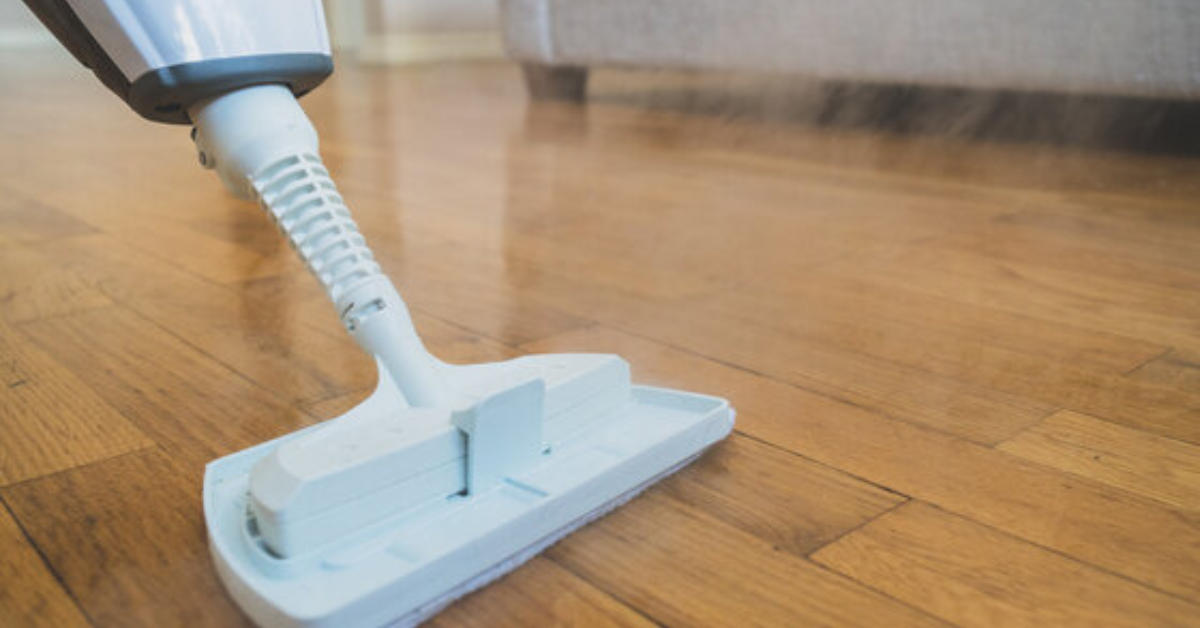
Steam mops utilize high heat (nearly 250 degrees) to break down sticky messes without chemicals. While effective, they must be used cautiously—never allow a steam mop to idle on one spot. Notably, avoid using them on unsealed wood or laminate as they can cause serious damage. Always keep the mop moving and use the lightest steam setting possible on sealed hardwood.
Best practices to prevent sticky floors
Preventing sticky floors begins with changing a few key cleaning habits. Once you understand these simple principles, you’ll never have to deal with tacky surfaces again.
Follow dilution instructions
Proper dilution is crucial for preventing sticky residue. Always check the manufacturer’s directions regarding dilution rates on product labels or websites. Think of cleaner as seasoning—too much ruins your entire cleaning effort. Most times, a capful in a gallon of water does the job perfectly. If you see suds forming, you’ve likely used too much cleaner.
Change mop water frequently
Research shows you should change your mop water every 100-200 square feet (approximately every two bedrooms). Professional housekeepers recommend changing water at least twice during a cleaning session. Otherwise, you’re essentially spreading dirt around rather than removing it. Consider using a two-bucket system—one for cleaning solution and one for rinsing the mop.
Sweep or vacuum before mopping
Always remove debris before introducing moisture. When you mop without sweeping first, you merely push dirt and pet hair around, making floors dirtier. Even invisible particles can cling to your mop and further soil your floor. Vacuums with floor brush attachments are ideal since they trap dust rather than kicking it into the air.
Dry the floor after mopping
Finally, use a clean, dry microfiber cloth or towel to remove excess moisture. This step is essential for preventing water spots and residue. Drying can take up to 20 minutes depending on your floor type, so be patient before allowing foot traffic on the surface.
Choosing the right tools and products
The tools and products you select can make all the difference between sticky floors and spotless results. Making informed choices about your cleaning arsenal helps eliminate that frustrating stickiness.
Why microfiber mops work best
Microfiber mops outperform traditional string mops through their electrostatic action that lifts and traps dirt instead of pushing it around. These densely packed synthetic fibers reach into crevices that cotton mops might miss. Remarkably, microfiber can be washed up to 500 times, making it both economical and eco-friendly. Additionally, microfiber mops use 97% less water than traditional mop and bucket systems.
Avoiding alkaline cleaners
The pH level of your cleaner plays a crucial role in preventing sticky floors. Alkaline cleaners (pH above 7) often leave behind residue that creates that tacky feeling. Opt for pH-neutral cleaners (pH of 7) as they clean effectively without leaving sticky residue. Such cleaners are particularly important for hardwood floors as they won’t damage finishes or strip natural oils.
When to use distilled water
Distilled water lacks minerals that can leave deposits on floors. Its purity eliminates streaks, spots, and residue that contribute to stickiness. Furthermore, distilled water becomes slightly acidic when exposed to air, forming carbonic acid that helps remove greasy stains.
Recommended cleaning solutions for sticky floors
For stubborn stickiness, a solution of 1 cup white vinegar per gallon of warm water effectively breaks down residue buildup. Nevertheless, be cautious with natural stone floors—never use vinegar or acidic cleaners as they can cause permanent damage. For laminate floors, microfiber combined with pH-neutral products delivers streak-free results.
Conclusion
Sticky floors after mopping might seem like an unsolvable mystery, but now we understand the culprits behind this common household frustration. Most often, the problem stems from excessive cleaning solution, using the wrong cleaner for your floor type, mopping with dirty water, or skipping the essential rinse step. Thankfully, eliminating floor stickiness requires only a few simple changes to your cleaning routine.
First and foremost, remember that less is more when it comes to floor cleaner. Proper dilution prevents residue buildup that attracts dirt instead of removing it. Additionally, choosing the right tools makes all the difference – microfiber mops trap dirt rather than spreading it around, while pH-neutral cleaners work effectively without leaving behind that tacky film.
For floors already suffering from stickiness, a thorough warm water rinse or a gentle vinegar solution will typically resolve the issue. Steam mops can tackle stubborn spots, though they must be used cautiously on appropriate surfaces. Meanwhile, switching to distilled water might solve problems caused by mineral-heavy tap water.