How to Mop Floors with Vinegar (Easy Natural Cleaning Method)

Mop floors with vinegar by mixing ½ cup of white vinegar with 1 gallon (3.8 liters) of warm water. Sweep first to remove loose dirt. Use a damp mop in an “S” motion to clean tile, vinyl, or sealed hardwood. Avoid vinegar on natural stone or unsealed floors to prevent damage.
What You’ll Need to Mop Floors with Vinegar
White Vinegar and Water
Distilled white vinegar serves as the foundation for your vinegar mopping solution. This vinegar contains 5% acetic acid, making it suitable for cleaning while remaining safe for consumption. Cleaning vinegar, which has 6% acetic acid, offers slightly more cleaning power but cannot be consumed. For most floor cleaning needs, regular distilled white vinegar works perfectly and costs less than specialty cleaning vinegars.
Warm or hot water combines with the vinegar to create your cleaning solution. The heat helps dissolve grime and speeds up evaporation, reducing drying time on your floors.
Mop and Bucket
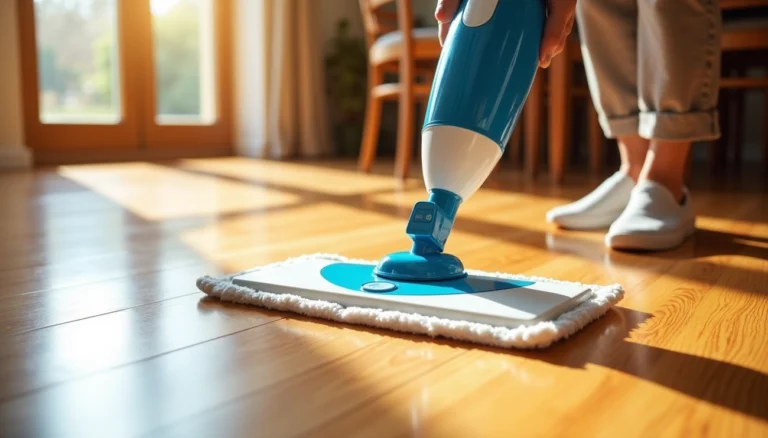
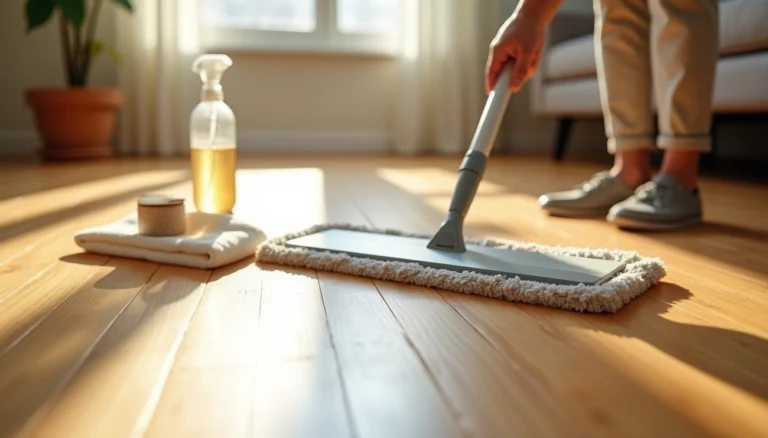
A standard mop and bucket form the core of your cleaning setup. Any mop style works, whether traditional string mops or flat microfiber versions. For sealed hardwood floors, a spray mop provides better moisture control. This type allows you to apply the vinegar solution lightly without oversaturating the wood surface.
Your bucket should hold at least one gallon of liquid to accommodate the water and vinegar mixture. Larger buckets work well if you’re cleaning multiple rooms in one session.
Additional Cleaning Tools
A vacuum or broom becomes necessary before you start mopping. Sweeping or vacuuming removes loose debris, dirt, and dust particles that would otherwise turn into muddy streaks once mixed with your wet mop.
Cloths or rags serve multiple purposes. You can attach a vinegar-soaked cloth to a dry mop base, or keep extra cloths handy for spot cleaning and drying water spots in hard water areas.
Optional Ingredients for Enhanced Cleaning
Rubbing alcohol (70% isopropyl) kills germs, breaks down grease, and accelerates evaporation to prevent streaks. In addition to its sanitizing properties, it helps dilute the vinegar for safer use on delicate surfaces.
Dish soap cuts through grease and stubborn dirt[63]. Detergent-based options like Dawn, Ajax, Sunlight, and Fairy all perform well. Add just a drop or two, or one teaspoon per gallon[43], since too much soap creates residue.
Essential oils add fragrance to offset vinegar’s sharp smell[63]. Lemon, grapefruit, eucalyptus, and lavender work as popular choices. Limit usage to 5-10 drops per spray bottle or half a teaspoon per gallon, as oils can leave slippery residue in higher amounts.
How to Make a Vinegar Mopping Solution
Creating your white vinegar floor cleaner requires precise measurements to protect your floors while maximizing cleaning power. When mixed with water, the solution’s acidity drops significantly, making it safe for most surfaces without leaving streaks.
Vinegar Water Ratio for Cleaning Floors
The standard vinegar mopping solution uses 1/2 cup of white vinegar per 1-2 gallons of warm/hot water. For a more concentrated mix, combine 1/2 cup white vinegar with 1 gallon of warm water. This ratio provides enough acidity to cut through dirt without damaging floor finishes.
Smaller batches work well for spot cleaning or spray bottles. Mix 3 teaspoons white vinegar with 16 ounces of warm water for quick touch-ups between full mopping sessions.
The ratio matters more than you might expect. Too much vinegar can dull the finish of your floors, while too little reduces cleaning effectiveness. Stick to these proven measurements for consistent results.
Mixing Instructions
Start by filling your bucket with warm or hot water. The heat helps loosen dirt and grime more effectively than cold water. Subsequently, pour in your measured white vinegar. Stir the mixture thoroughly using your mop or a long-handled spoon to distribute the vinegar evenly throughout the water.
Warm water also ensures the vinegar and any added ingredients mix well for even distribution during cleaning. The combination of proper temperature and correct proportions creates an effective homemade floor cleaner with vinegar that tackles everyday messes.
Adding Essential Oils for Scent
Essential oils mask vinegar’s sharp smell while adding natural fragrance to your cleaning solution. Add 2-3 drops of essential oils to your bucket mixture. Popular choices include lemon, grapefruit, eucalyptus, and lavender.
Lemon or a combination of lemon and clove works particularly well for floors. These scents provide a fresh, clean aroma without overwhelming the space. Drop the oils directly into your vinegar and water mixture after combining those base ingredients, then stir again to distribute the fragrance throughout your solution.
Keep essential oil quantities modest. While they smell pleasant, oils are still oils and can leave residue if you use too much.
Step-by-Step Guide to Mopping Floor with Vinegar
Step 1: Sweep or Vacuum First
Always vacuum before you mop. This single step protects your floors and removes harmful dry particles that would otherwise turn into muddy streaks. Vacuums with HEPA filters capture over 99% of airborne particles, making them far superior to sweeping for floor preparation.
Start at the farthest point from the door and work your way out in straight, overlapping rows. Use crevice tools or dusting brushes along baseboards and corners where dust accumulates. Empty your vacuum when it reaches two-thirds full to maintain strong suction power.
Step 2: Prepare Your Vinegar Floor Cleaner
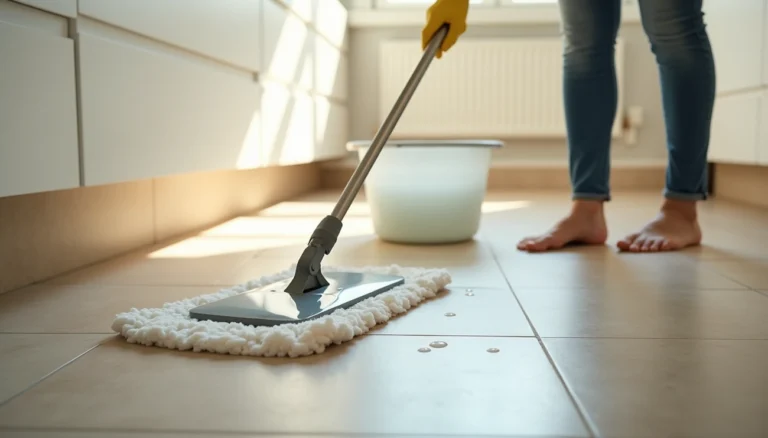
Fill your bucket with your prepared vinegar mopping solution. Dip your mop into the mixture and wring it out thoroughly. The mop head should be damp, not dripping wet. Excess water can damage wood and laminate floors by seeping into seams and causing them to swell or warp.
Step 3: Mop with Light Coverage
Apply very light coverage of the mopping solution. Never soak the floor. Work in small 3-4 foot sections at a time, using long, consistent strokes. Rinse your mop frequently in clean water if it becomes visibly dirty.
For best results, work systematically across the room. Pay extra attention to high-traffic zones where dirt builds up faster.
Step 4: Let Floors Air Dry
Once you finish mopping, allow floors to air dry completely. Opening windows or using fans speeds up drying and brings fresh air into your home. The vinegar smell dissipates as the floor dries.
Deep Cleaning Stubborn Stains with Baking Soda
For tough spots encountered while mopping, sprinkle dry baking soda directly onto the stain and scrub by hand. The baking soda works to tackle stubborn stains while neutralizing odors. You can also create a paste from baking soda and water, apply it to the spot, leave for a few minutes, then wipe away.
Important Safety Tips and Floor Type Considerations
Floors You Should Not Clean with Vinegar
Despite vinegar’s effectiveness, its acidic nature makes it unsuitable for certain surfaces. Hardwood floors suffer the most damage because vinegar breaks down the protective finish, leaving floors dull and cloudy. Over time, this deterioration can warp the wood, especially when excess moisture seeps into seams. Many flooring manufacturers void warranties if vinegar causes damage.
Stone surfaces like granite, marble, and travertine etch when exposed to acidic cleaners. The acid penetrates the porous material, creating permanent marks and discoloration. Similarly, no-wax floors made from vinyl or linoleum lose their shine when cleaned with vinegar.
Unsealed grout requires particular caution. Vinegar penetrates the pores and weakens the material, causing it to deteriorate faster.
Testing Your Homemade Floor Cleaner
Before mopping an entire room, test your vinegar mopping solution on a small, inconspicuous area. This step reveals how your specific flooring reacts to the cleaner. Consult your floor installer or manufacturer for recommended cleaning practices, as sealer types vary.
Common Mistakes to Avoid When Mopping with Vinegar
Never use undiluted vinegar on floors. Assuming natural equals safe on all surfaces ranks as the most frequent error. Over-mopping or using overly concentrated solutions contributes to swelling on wood floors. Stick to once-weekly cleaning with the standard one cup vinegar per gallon of water ratio for optimal results.
Conclusion
You now have everything you need to mop floors with vinegar safely and effectively. The key is getting the ratio right (½ cup per 1-2 gallons of water) and keeping your mop damp, not soaking wet.
Above all, remember to test on a small area first and avoid using vinegar on hardwood, stone, or no-wax floors. Stick to these simple steps, and you’ll enjoy naturally clean floors without harsh chemicals or expensive products.