Water Spots Guide to Remove and Prevent Them Fast

Water spots are usually easiest to remove when you dry them first and use a cleaner that matches the floor type. If the mark does not improve, it may be residue, finish damage, or moisture-related swelling that needs a different fix. Related: water spots on floors. Related: remove water spots. Related: hard water marks. Related: floor cleaning tips. Related: wood floor spots.
Water spots can show up fast, but the right fix depends on what kind of floor you have and how long the moisture sat there. This water spots guide walks through safe removal methods, common mistakes, and simple prevention habits so you can protect the finish instead of making the problem worse.
- Dry first: Fast drying prevents many fresh water spots from setting.
- Match the floor: Wood, vinyl, laminate, tile, and stone need different care.
- Use less water: Too much moisture can worsen seams, swelling, and haze.
- Test before cleaning: Spot-test products to avoid finish damage.
- Call for help: Persistent spots or warping may signal deeper damage.
What Water Spots Are and Why They Show Up on Floors
Water spots are marks left behind after moisture dries and changes the look or feel of the floor surface. Sometimes they are only temporary residue, but on certain floors they can also point to deeper damage in the finish, adhesive, or material itself.
Common causes: spills, hard water, humidity, cleaning residue, and pet accidents
Fresh spills are the most obvious cause, especially when water sits in one place instead of being wiped up quickly. Hard water can leave mineral deposits, while high humidity may create cloudy patches or slow-drying spots that keep reappearing.
Cleaning residue is another common trigger. Too much soap, polish, or floor cleaner can dry into a hazy film that looks like a water spot, and pet accidents can leave both moisture and residue behind.
How water spots differ from stains, haze, and surface etching
Water spots are not always the same as stains. A stain usually means color has soaked into the material, while haze often comes from leftover product or minerals on top of the surface.
Surface etching is more serious and usually means the finish or stone surface has been physically altered. If a spot does not improve after gentle cleaning, it may not be a simple water mark at all.
How to Identify the Right Fix by Floor Type
The safest cleaning method depends on whether the floor is sealed wood, laminate, vinyl, tile, stone, or grout. If you are not sure what finish you have, start with the least aggressive method and test in a hidden area first.
Hardwood and engineered wood: moisture damage, dull rings, and finish issues
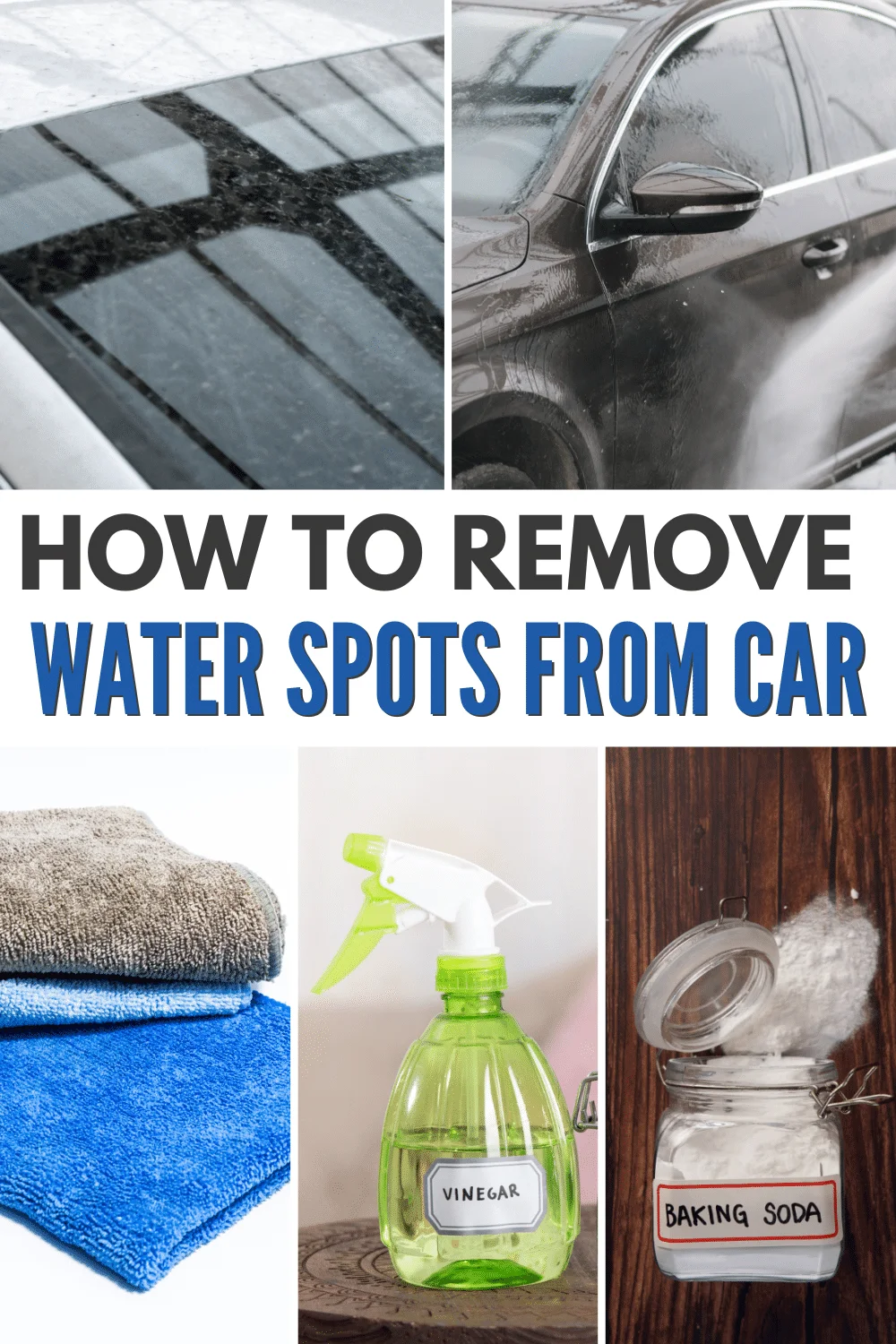
On wood floors, water spots often appear as dull rings, cloudy patches, or slightly raised areas where moisture affected the finish. Engineered wood can be more stable than solid hardwood in some settings, but both can still react badly to standing water.
If the spot is only on the finish, gentle drying and a wood-safe cleaner may help. If the wood itself feels soft, looks swollen, or shows darkening, the problem may be deeper than surface residue.
Laminate and vinyl: surface spotting, seam swelling, and adhesive concerns
Laminate and vinyl often show white marks, cloudy patches, or edge swelling after water exposure. Laminate is especially sensitive at the seams, where moisture can work underneath and cause lifting or bubbling.
Vinyl is usually more forgiving, but harsh cleaners or too much water can still dull the finish. If the spot is near a seam or transition strip, keep moisture use very light.
Tile, stone, and grout: mineral deposits, soap scum, and porous surfaces
Tile is often the easiest surface to clean, but the grout lines can trap moisture and minerals. On natural stone, water spots may actually be mineral deposits, soap scum, or etching if the stone is porous or not sealed properly.
For stone, compatibility matters a lot. Acidic cleaners can damage marble, limestone, and similar materials, even when they seem to remove the spot at first.
Why the wrong method can make spots worse
Using a strong cleaner on the wrong floor can strip finish, cloud the surface, or push moisture into seams. Even a “safe” method can backfire if the floor is not fully dry before you apply polish or another product.
Do not treat every water spot the same way. What helps sealed tile may damage wood, and what is fine on vinyl may leave stone dull or etched.
Fast Ways to Remove Water Spots Safely
Start with drying, then move to light cleaning only if the mark remains. For many fresh spots, that is enough to restore the floor without adding extra moisture or residue.
Drying first: microfiber cloths, airflow, and timing
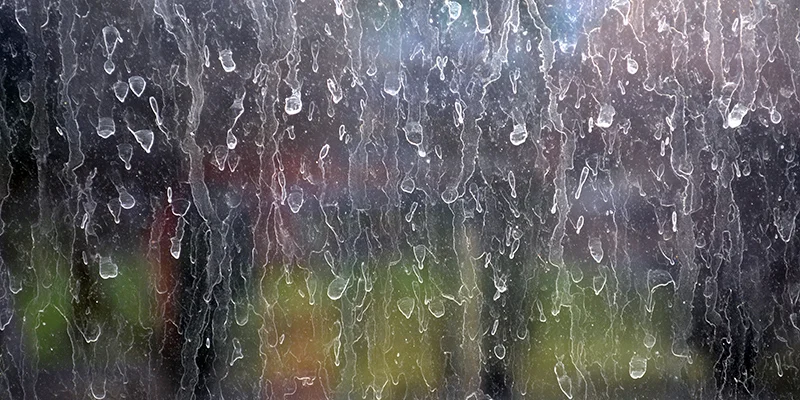
Blot the area with a dry microfiber cloth instead of rubbing hard. If the spot is still damp, use a fan or open windows to speed drying, especially in kitchens, baths, and basements.
Quick drying matters because the longer moisture sits, the more likely it is to leave minerals, haze, or swelling. For more drying-focused help, see FloorsMop’s floor drying after mopping guide.
Simple cleaning solutions for fresh spots
For sealed floors, a lightly damp microfiber cloth and a floor-type compatible cleaner is often enough. Use the smallest amount needed, then dry the area right away.
If the spot came from a spill, plain water may be enough on many surfaces, but only if it is followed by immediate drying. On wood and laminate, less liquid is usually better than more cleaner.
Dealing with hard water marks and mineral buildup
Hard water spots often need a cleaner made to remove mineral residue, but the product must match the floor. On tile and some vinyl surfaces, a mild descaler may help; on stone, the wrong formula can cause permanent damage. [Source: This Old House]
If you are cleaning tile or porcelain, a method like FloorsMop’s porcelain tile cleaning guide can help you stay within safer product choices.
Polishing and restoring shine without damaging the finish
Once the spot is gone, some floors may need a finish-safe polish or restorer to bring back shine. This is more relevant for wood and some vinyl products than for tile or stone.
Use polish only if the flooring manufacturer allows it. If the finish is already worn, cloudy, or peeling, polish may hide the problem briefly but not solve it.
Always dry the floor completely before deciding whether a spot is truly gone. Wet surfaces can look cloudy and lead you to overclean.
Step-by-Step Water Spots Guide for Common Floor Problems
These steps are meant to keep the process simple and safe. If your floor is expensive, delicate, or under warranty, check the care instructions before trying anything stronger than light cleaning.
Fresh spill cleanup on sealed floors
Use a dry microfiber cloth to absorb as much liquid as possible without spreading it around.
Wipe with a barely damp cloth and a floor-safe cleaner suited to the surface.
Use airflow and a clean cloth to remove the last traces of moisture before walking on the area.
Removing cloudy spots from wood finishes
Cloudy spots on wood often mean moisture affected the finish, not just the surface dirt. Start with a dry cloth and gentle buffing, then test a wood-safe cleaner in a hidden area if needed.
If the cloudiness stays in one ring or patch, the finish may need repair rather than cleaning. That is one of the times when asking a flooring professional is usually the safer choice.
Cleaning white marks on vinyl or laminate
White marks on vinyl or laminate often come from moisture trapped at the surface or residue left by cleaners. Wipe with a soft cloth and a mild, compatible cleaner, then dry immediately.
Do not flood the floor or scrub at the seams. If the mark is near an edge and the plank is swollen, cleaning may not reverse the damage.
Handling spots on tile, stone, and grout lines
On tile, use the least aggressive cleaner that removes the residue. For grout lines, a soft brush can help lift buildup, but avoid soaking the joints.
Stone requires extra caution because acid-based cleaners and abrasive powders can leave permanent dulling. If the spot is on marble or another porous stone, a stone-specific cleaner is the safer route.
- Identify the floor type before choosing a cleaner
- Blot moisture first, then dry the area fully
- Test any product in a hidden spot
- Use the smallest amount of liquid possible
- Stop if the floor swells, softens, or turns dull
Common Cleaning Mistakes That Make Water Spots Worse
Most water spot problems get worse when people rush, scrub too hard, or use the wrong product. A careful approach usually saves time in the long run.
Using too much water or soaking the floor
Extra water can push moisture into seams, under finish layers, or into grout. That is especially risky for laminate, engineered wood, and any floor with gaps or damaged edges.
Scrubbing with abrasive pads or harsh chemicals
Abrasive pads may remove the spot, but they can also remove the finish. Harsh chemicals can discolor stone, dull vinyl, or leave a sticky film that attracts more dirt.
Ignoring residue from soap, polish, or hard water
Some “spots” are actually leftover residue. If you clean the same area repeatedly without identifying the cause, you may keep adding layers of film instead of removing the real problem.
Skipping spot tests before full cleaning
Always test first, especially on wood, stone, and specialty vinyl. A small hidden test can prevent a much larger repair if the cleaner reacts badly.
- Fresh spots on sealed floors
- Light mineral residue on tile
- Careful drying after spills
- Unsealed wood and natural stone
- Soaking seams and grout
- Abrasive pads and acidic cleaners
How to Prevent Water Spots From Coming Back
Prevention is usually easier than spot removal. A few small habits can reduce moisture damage and keep your floors looking more even over time.
Daily habits that reduce moisture damage
Wipe spills as soon as they happen and dry the floor after any damp cleaning. In busy homes, a quick daily check around sinks, pet bowls, and entryways can stop spots before they set. [Source: EPA]
If you want a routine that keeps buildup low, FloorsMop’s daily floor cleaning guide can help you build a simple maintenance habit.
Best mats, rugs, and entrance protection for wet areas
Place absorbent mats near sinks, tubs, dishwashers, and exterior doors. In wet seasons, washable rugs and boot trays can reduce the amount of water tracked onto the floor.
Choose mats with non-damaging backings so they do not trap moisture or discolor the finish underneath.
Humidity control and ventilation in kitchens, baths, and basements
Good airflow helps floors dry faster and reduces the chance of cloudy moisture marks. Exhaust fans, dehumidifiers, and open ventilation can make a noticeable difference in damp rooms.
Basements and bathrooms are especially vulnerable because moisture can linger even when no spill is visible.
Routine cleaning products that are floor-type compatible
Use cleaners designed for your exact floor type rather than one product for every surface. That matters because residue, pH, and moisture levels all affect whether a floor stays clear or turns hazy.
For more routine care ideas, you can also compare your habits with FloorsMop’s weekly mopping guide so you do not over-wet the floor during regular cleaning.
When Water Spots Signal a Bigger Problem
Sometimes a spot is just residue, but sometimes it is the first sign of a floor issue that cleaning cannot fix. Watch for changes in texture, shape, or sound underfoot.
Signs of finish failure, warping, swelling, or subfloor moisture
If the floor feels raised, soft, or uneven, moisture may have reached below the surface. Warping, cupping, bubbling, and seam lift are all signs that the problem may be structural rather than cosmetic.
When to call a flooring professional instead of DIY
Call a flooring professional if the spot keeps coming back, the floor is expensive or delicate, or you suspect hidden water damage. It is also smart to get help when the manufacturer’s warranty could be affected by the cleaning method.
Repair versus replacement: what usually costs less in 2025
The cheaper option depends on the extent of the damage, the floor type, and whether the affected area is isolated. Minor finish repair may be less expensive than replacement, but widespread swelling, subfloor issues, or repeated moisture exposure can make replacement the more practical long-term choice.
If water spots appear after a leak, appliance overflow, or repeated pet accidents, cleaning alone may not be enough. Dry the area quickly and get help if the floor keeps changing shape or color.
Final Recap: The Fastest Way to Remove and Prevent Water Spots
The fastest fix is usually to dry the area first, then use the mildest cleaner that matches your floor type. If the mark is still there after gentle cleaning, stop and check whether it is residue, finish damage, or moisture-related swelling.
Quick takeaways by floor type
Best prevention habits for long-term floor protection
Keep mats near wet zones, dry spills quickly, and use floor-safe products with minimal water. If you build those habits into your regular routine, water spots are much less likely to return.
For ongoing care, a simple cleaning schedule can help prevent buildup before it becomes visible. That is often the easiest way to keep floors looking clean without overworking the finish.
Frequently Asked Questions
Water spots can come from spills, hard water, humidity, cleaning residue, or pet accidents. The cause matters because each one may need a different cleaning approach.
Vinegar may help with some mineral residue on tile, but it is not safe for every floor. Avoid it on natural stone and be cautious on wood, laminate, and any floor with a delicate finish.
If the spot does not fade after gentle cleaning and drying, the finish or material may be affected. Swelling, softness, bubbling, or warping usually means the damage goes beyond surface residue.
Start by drying the area completely, then use a wood-safe cleaner only if needed. Keep moisture low and avoid abrasive pads or soaking the floor.
Recurring spots often mean residue, mineral buildup, or hidden moisture is still present. In some cases, the floor may also have finish damage or a leak that needs repair.
Call a professional if the floor is swelling, warping, or showing signs of deeper water damage. It is also wise to get help for expensive surfaces, warranty concerns, or spots that do not respond to gentle cleaning.