
Balcony Floor Guide for Stylish and Durable Spaces

A balcony floor needs a cleaning approach that matches its material, drainage, and exposure to weather. The safest routine is to remove grit first, use gentle cleaners, and avoid excess water or harsh chemicals.
Balcony floors face a tougher job than most indoor surfaces. They deal with rain, dust, pollen, temperature swings, and more foot traffic from shoes that have already picked up grit.
This balcony floor guide from FloorsMop is designed to help homeowners choose the right surface, clean it safely, and keep it looking good without causing avoidable damage. If you also want a simple rhythm for upkeep, our daily floor cleaning guide can help you build a routine that fits into real life.
- Match material to method: Tile, wood, composite, and concrete all need different care.
- Start dry: Sweeping or vacuuming helps prevent scratches and residue.
- Use less water: Especially important for wood, composite, and coated surfaces.
- Protect the finish: Avoid abrasive pads and strong chemicals unless approved.
- Watch for damage: Lifting tiles, pooling water, and recurring mold need expert attention.
Balcony Floor Guide: What Homeowners Need to Know in 2025
A balcony is exposed in ways an indoor room usually is not. That means the cleaning method, product choice, and maintenance schedule all need to match the material and the weather it faces.
The goal is not just a clean surface. It is a balcony floor that stays safe underfoot, resists wear, and keeps its finish longer.
Why balcony flooring needs a different cleaning approach than indoor floors
Outdoor dirt is often coarser than indoor dust. Sand, grit, and tiny stones can scratch finishes if they are dragged around during cleaning.
Moisture is another issue. On a balcony, water can sit in grout lines, seams, or low spots, which makes drainage and drying just as important as the cleaner you use.
User intent: choosing, cleaning, and maintaining a balcony floor that lasts
Most people searching for a balcony floor guide want three things: the best flooring option, the safest way to clean it, and a realistic plan for keeping it in good shape.
That means looking at performance, not just appearance. A stylish balcony floor is only worth it if it can handle sun, rain, furniture movement, and regular cleaning without breaking down too quickly.
Best Balcony Floor Types and How Each One Performs Outdoors
Different balcony flooring materials offer very different trade-offs. Some are easy to wipe down but can feel hard underfoot. Others are comfortable and warm-looking but need more careful maintenance.

Tile, porcelain, and stone: durability, slip resistance, and upkeep
Porcelain tile is often a strong choice for balconies because it is generally durable and easier to clean than many natural materials. Textured finishes can improve grip, which matters when the surface gets wet.
Stone can look elegant, but it may need more sealing and gentler cleaning depending on the type. Grout lines also need attention, since they collect dirt faster than the tile itself.
If you are comparing tile finishes, a streaky floors guide can be useful when you want a cleaner-looking result without leaving residue behind.
Wood, composite decking, and vinyl: comfort, weather resistance, and limits
Wood brings warmth and style, but it can swell, fade, or warp if it is not well protected. It usually needs a more cautious cleaning approach and regular inspection for wear.
Composite decking is often easier to maintain than natural wood, but it is not maintenance-free. Some products can still stain, fade, or react poorly to harsh cleaners.
Vinyl or similar coated balcony surfaces may offer comfort and simple cleanup, but they can be more vulnerable to heat, heavy furniture dents, and strong chemicals depending on the product.
Concrete and painted balcony surfaces: when they work and when they fail
Concrete is practical and often durable, especially when sealed properly. It can handle outdoor conditions well, but it may absorb stains or moisture if the finish is worn.
Painted balcony floors can look fresh and clean, yet the coating is usually the weak point. If the paint chips, peels, or becomes slippery, the surface may need refinishing rather than repeated scrubbing.
How to Match Your Cleaning Method to the Balcony Floor Material
The safest cleaning method depends on how the floor is built and finished. A cleaner that works well on tile may be too aggressive for sealed wood or a painted coating.
Safe cleaning methods for tile and grout
For tile, start with dry debris removal so grit does not get dragged across the surface. Then use a damp mop or microfiber pad with a pH-neutral cleaner that is appropriate for the tile and grout.
For grout, avoid soaking the floor. Too much water can settle into joints and make drying slower, especially on balconies with limited airflow.
Work in small sections and rinse your mop often so dirt does not get spread back across the tile.
Care tips for wood and composite balcony floors
Wood and composite surfaces usually do best with minimal water and a soft cleaning tool. A lightly damp microfiber mop is often safer than a wet mop that leaves puddles behind.
Use cleaners made for the specific material when possible. If the product label does not clearly say it is safe for your floor, test in a hidden area or choose a milder option.
Cleaning painted, sealed, or coated balcony surfaces without damage
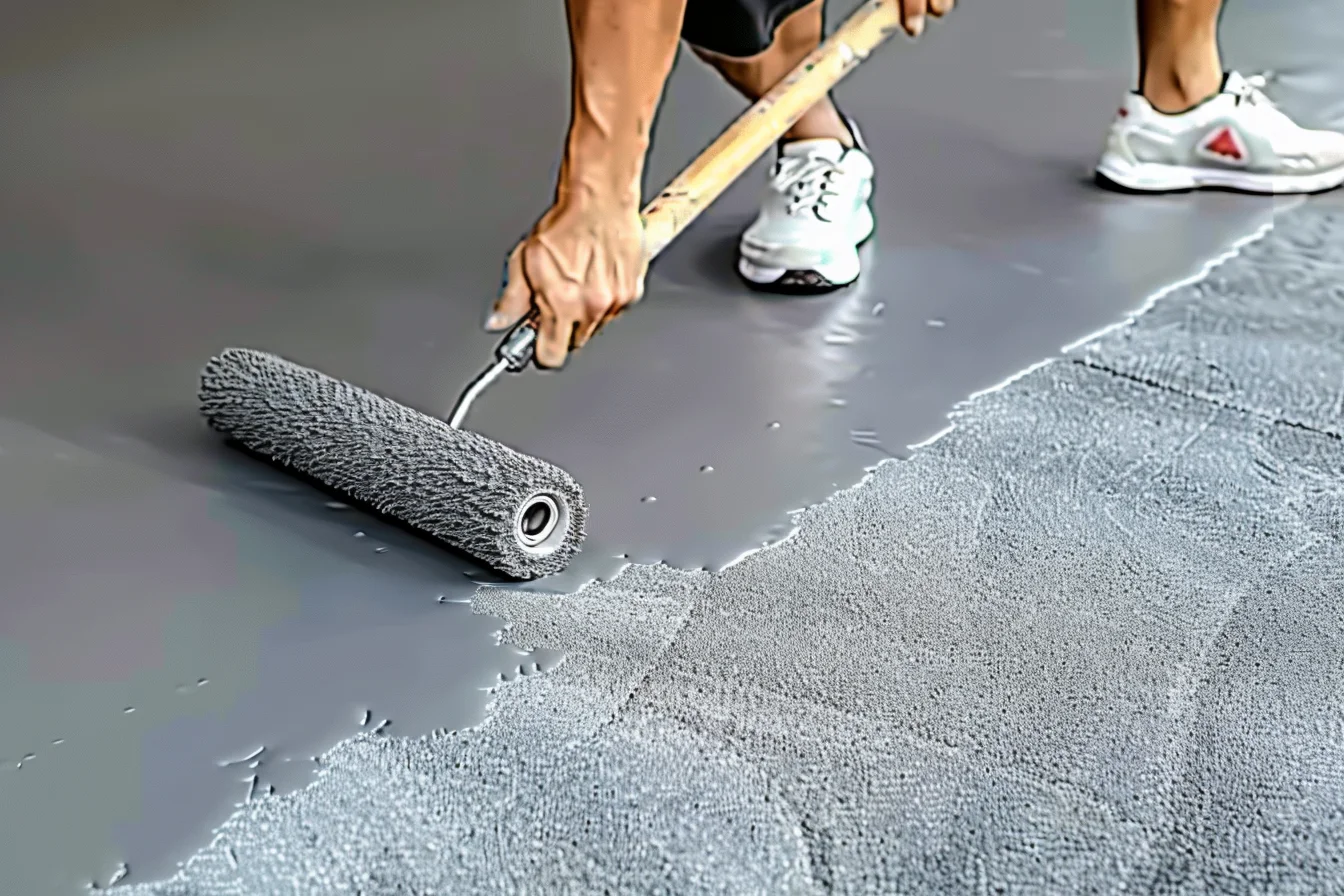
Painted and coated floors need a gentle touch. A soft broom, microfiber pad, and diluted cleaner are usually safer than harsh scrubbing or abrasive pads. [Source: Home Depot Guide]
For sealed concrete or coated surfaces, check whether the finish is glossy, matte, or textured. Some finishes show residue more easily, while others can dull if cleaned with the wrong product.
What to use on delicate finishes and what to avoid
Delicate finishes usually benefit from mild, non-abrasive cleaners and soft tools. That includes microfiber mops, soft-bristle brushes, and clean water for final wiping when the product allows it.
Do not use bleach, strong degreasers, steel wool, or abrasive powders unless the floor manufacturer specifically approves them. These can weaken sealants, scratch coatings, or leave the surface cloudy.
Step-by-Step Balcony Floor Cleaning Routine for Stylish Results
A good routine keeps the balcony looking fresh without overworking the surface. For many homes, the best approach is a quick dry clean followed by a light wet clean only when needed.
Dry debris removal: dust, leaves, pollen, and grit
Start by sweeping or vacuuming outdoor-safe debris from corners, edges, and drainage areas. Balcony floors often collect leaves, pollen, and fine grit near railings and door thresholds.
This step matters because dry debris is one of the biggest causes of scratches and dullness. If the floor is already dusty, even a gentle mop can turn that dust into a smear.
- Sweep or vacuum loose grit first
- Check corners and drainage points
- Move light furniture if safe to do so
- Remove mats and shake them out
Wet cleaning for stains, mildew, and tracked-in dirt
Once the debris is gone, use the lightest wet method that gets the job done. For most balcony floors, a damp mop and a cleaner matched to the material are better than heavy soaking.
Spot-clean stains early. Mildew, bird droppings, and tracked-in mud are easier to remove before they settle into texture, grout, or coating defects.
Clear loose dirt and move items that could trap moisture underneath.
Use a diluted, floor-safe product and avoid oversaturating the surface.
Remove residue so the floor dries cleanly and does not become slippery.
Seasonal maintenance examples for spring, summer, and rainy months
Spring often brings pollen, seed debris, and grime from winter weather. A more frequent sweep schedule can help prevent buildup before it becomes sticky or abrasive.
Summer may require attention to sun fading, dry dust, and furniture marks. Rainy months call for better drying habits, drainage checks, and faster cleanup after storms.
If you are building a broader home routine, our beginner guide to daily floor cleaning is a helpful starting point for light, repeatable upkeep.
Common Balcony Floor Cleaning Mistakes That Cause Damage
Many balcony floor problems come from well-intended cleaning that is simply too harsh, too wet, or too frequent for the surface.
Using too much water on wood or composite flooring
Wood can absorb moisture and move over time, while some composite products can trap water in seams or around fasteners. Standing water is rarely a good sign on either surface.
Use a damp, not dripping, mop and dry any excess quickly. If the floor stays wet for a long time after cleaning, the method is probably too aggressive.
Choosing harsh chemicals that dull finishes or weaken sealants
Strong chemicals may remove grime, but they can also strip protective layers. That can leave the floor looking dull or make it more vulnerable to future staining.
When a cleaner says it is safe for multiple surfaces, that does not always mean it is ideal for your specific balcony finish. Product labels vary, so check compatibility carefully.
Scrubbing abrasive surfaces that scratch tiles or coatings
Some balcony floors have textured finishes that need cleaning, but not harsh abrasion. Scrub pads that are too rough can leave visible marks on tile, paint, or sealant.
If a stain needs more than light scrubbing, pause and reassess. The problem may be residue, coating failure, or a deeper stain that needs a different solution.
Ignoring drainage, standing water, and hidden mold risks
A balcony floor can look clean on the surface while moisture collects underneath mats, planters, or furniture. That hidden dampness can encourage mold, mildew, or damage to coatings and sublayers.
Check drainage paths regularly and lift items occasionally so air can circulate. If water keeps pooling in the same spot, the issue may be structural rather than cosmetic. [Source: EPA]
Balcony Floor Comparison: Cost, Durability, and Maintenance Trade-Offs
The best balcony floor is not always the most expensive one. It is the one that fits your climate, usage level, and how much maintenance you realistically want to do.
Low-maintenance vs. premium flooring options for busy homeowners
Low-maintenance choices often include durable tile, some composite products, and well-sealed concrete. These can be easier for busy homeowners who want straightforward cleaning.
Premium options may offer a more refined look or a warmer feel underfoot, but they sometimes require more careful upkeep or periodic refinishing.
Upfront cost compared with long-term care expenses
A lower upfront price can lead to higher maintenance later if the material stains easily or needs frequent sealing. On the other hand, a more durable product may cost more at the start but be simpler to care for over time.
When comparing options, think beyond the purchase price. Cleaning supplies, replacement pads, sealing needs, and repair frequency can all affect long-term value.
Best value choices for small balconies, rental properties, and high-traffic spaces
For small balconies, materials that are easy to sweep and quick to dry often make the most sense. In rental properties, durability and simple maintenance usually matter more than specialty finishes.
High-traffic balconies benefit from surfaces that resist scratching, clean quickly, and do not show wear too easily. If you are weighing value against upkeep, a floor cleaning cost calculator can help you think through the long-term side of the decision.
When to Call a Flooring Professional for Balcony Problems
Some balcony issues are beyond routine cleaning. If the floor is damaged, unsafe, or repeatedly failing, a professional opinion can save time and prevent bigger repairs.
Signs of structural damage, lifting tiles, or water intrusion
Call a professional if tiles are loose, grout keeps cracking, boards feel soft, or the floor seems to shift underfoot. These can be signs of structural trouble or moisture intrusion.
Persistent dampness, staining that returns after cleaning, or water moving into interior spaces should also be taken seriously.
When stains, mold, or coating failure need expert repair
Some stains are cosmetic, but others may point to deeper damage. Mold that keeps coming back, dark discoloration under a coating, or peeling paint may need more than a surface cleaner.
If a product has failed across a large area, a repair specialist can help determine whether cleaning, refinishing, or replacement is the better path.
Situations where professional refinishing or replacement is the smarter choice
Refinishing may make sense when the base material is still sound but the top layer is worn. Replacement may be better when the floor has repeated water damage, severe cracking, or an outdated surface that no longer performs well.
When the balcony is part of a condo, rental, or expensive outdoor renovation, it is especially wise to ask a professional before using strong chemicals or trying a major repair on your own.
Final Recap: Choosing a Balcony Floor That Stays Beautiful and Easy to Maintain
The best balcony floor guide is one that balances style with real-world care. Durable materials, safe cleaning methods, and good drainage habits matter just as much as the surface color or pattern.
Key takeaways for selecting the right floor type and cleaning method
Tile, porcelain, stone, wood, composite, vinyl, and concrete each behave differently outdoors. Match your cleaner and tools to the material, and avoid assuming that an indoor floor routine will work the same way outside.
Simple maintenance habits that protect style, safety, and durability
Keep grit off the surface, clean spills early, dry standing water quickly, and inspect for wear before it becomes a bigger issue. If you stay consistent, your balcony can remain attractive, safer underfoot, and easier to maintain season after season.
Frequently Asked Questions
The best choice depends on weather, drainage, and how much maintenance you want. Porcelain tile, composite decking, and sealed concrete are often practical options, but each has limits.
Start by removing dry grit, then use a cleaner that matches the floor material. Avoid soaking wood or composite surfaces, and use gentle tools on coated or painted finishes.
Bleach is not a safe default for most balcony floors. It can dull finishes, weaken sealants, or damage certain materials unless the manufacturer specifically approves it.
Slippery floors can happen when residue, algae, mildew, or standing water builds up. Check drainage, clean with the right product, and avoid leaving a film behind.
A light sweep or debris removal is often needed more often than wet mopping. Cleaning frequency depends on weather, foot traffic, nearby trees, and how quickly dirt builds up.
Call a professional if tiles lift, boards feel soft, water keeps pooling, mold returns, or coatings keep failing. Those signs can point to structural or moisture issues that need expert evaluation.
