
Outdoor Concrete Guide for Durable and Stylish Spaces

Outdoor concrete stays durable and stylish when you match the finish to the space, clean with concrete-safe methods, and protect the surface before stains and wear build up. If the concrete is decorative, aging, or sealed, use extra caution and ask a professional when compatibility or damage is uncertain.
An outdoor concrete guide should help you choose the right finish, clean it without damage, and keep it looking good through changing weather. For patios, walkways, pool decks, and courtyards, the best results usually come from matching the concrete type, cleaning method, and maintenance plan to the space itself.
- Finish matters: Texture, sealers, and color all change how concrete should be cleaned.
- Start gently: Sweep, rinse, and spot-treat before using stronger methods.
- Avoid damage: Harsh chemicals and excess pressure can etch or dull the surface.
- Protect early: Sealing and stain prevention reduce long-term maintenance.
- Ask for help: Cracking, spalling, or decorative wear may need professional evaluation.
What an Outdoor Concrete Guide Covers in 2025: Uses, Goals, and Reader Intent
In 2025, an outdoor concrete guide is less about one universal cleaning method and more about making smart choices for a specific surface. Readers usually want practical help with appearance, safety, and maintenance, especially when concrete is exposed to sun, rain, dirt, algae, and frequent foot traffic.
That means the guide should cover more than mopping or pressure washing. It should explain how outdoor concrete is used, how different finishes behave, and when a simple cleaning routine is enough versus when deeper care or repair is needed.
For FloorsMop readers, the goal is usually straightforward: keep outdoor concrete clean, reduce slip risks, and preserve the look of the space without causing etching, fading, or sealer failure. If you also care about indoor cleanup habits, a related daily floor cleaning guide can help build a simple routine that carries over to exterior surfaces.
Outdoor Concrete Basics: Types of Concrete Surfaces Used on Patios, Walkways, and Pool Decks
Outdoor concrete surfaces are not all finished the same way. A patio may be smooth and sealed, while a walkway might be broom-finished for traction, and a pool deck may use texture to help reduce slipping when wet.
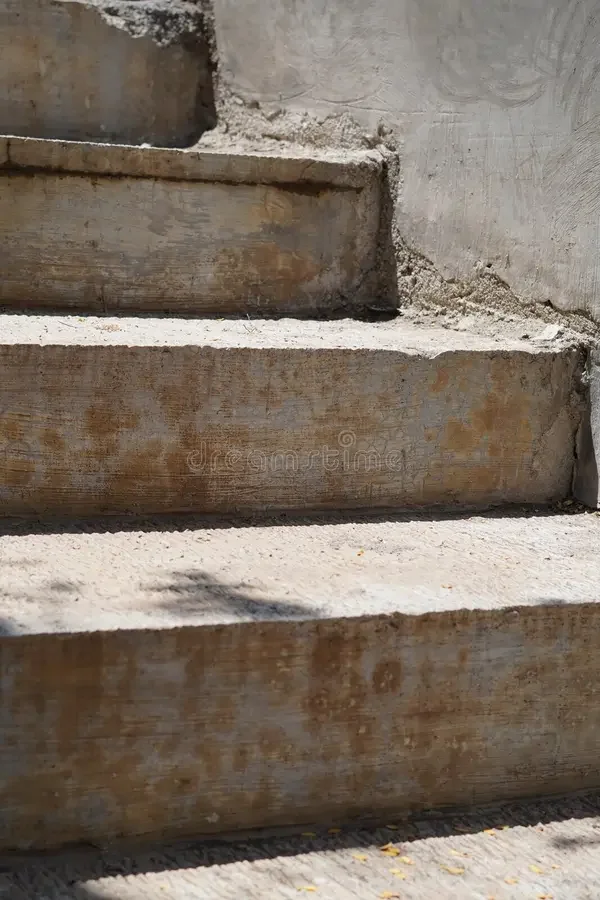
The surface finish matters because it affects both appearance and maintenance. Some concrete hides dirt well, while other finishes show stains, residue, or uneven cleaning more easily.
Broom-Finished, Stamped, Stained, and Exposed Aggregate Concrete
Broom-finished concrete is one of the most common outdoor choices because the texture improves grip and is relatively easy to maintain. Stamped concrete is more decorative and can resemble stone, tile, or brick, but its texture and sealer often require more careful cleaning.
Stained concrete adds color, which can be attractive but may be more sensitive to harsh cleaners or uneven scrubbing. Exposed aggregate concrete has a rougher, pebbled surface that hides some dirt but can trap debris in the texture.
Decorative finishes often depend on their sealer for protection. If the sealer is worn, the surface may absorb stains faster and become harder to clean evenly.
How Surface Texture Changes Cleaning and Maintenance Needs
Smoother concrete is usually easier to sweep and rinse, but it may show streaks, soap residue, or water spotting more clearly. Rougher concrete can be more forgiving visually, yet it may hold mud, algae, and organic debris in the small grooves.
That is why the same cleaner or brush can behave differently from one surface to another. A stiff brush may be fine on plain broom-finished concrete, but too aggressive for stamped or stained concrete.
If you are trying to avoid residue problems on any hard surface, it can also help to understand common streaky floors cleaning issues and why overuse of cleaner often leaves a film behind.
Choosing the Right Outdoor Concrete Approach for Your Space
The best outdoor concrete approach depends on how the space is used. A family patio, a car driveway, and a narrow garden path all face different types of wear, moisture, and cleaning challenges.
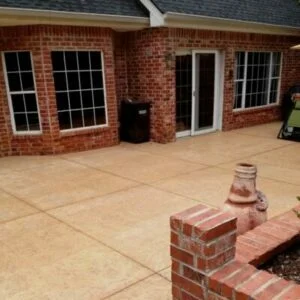
Before choosing a finish or maintenance routine, think about traffic patterns, local weather, and how much time you want to spend on upkeep. A practical plan is usually better than a high-maintenance look that becomes difficult to preserve.
Best Options for Patios, Driveways, Garden Paths, and Courtyards
Patios often benefit from finishes that balance style and comfort underfoot. Broom-finished or lightly textured stamped concrete can work well if you want a cleaner look without sacrificing traction.
Driveways need durability first. Surface choices that handle tire marks, oil drips, and repeated rinsing tend to perform better than highly decorative options that are harder to maintain.
Garden paths and courtyards often prioritize appearance and safe footing. In these areas, a textured finish can help in damp conditions, while a smoother decorative finish may need more frequent cleaning to stay presentable.
Matching Concrete Style with Climate, Foot Traffic, and Design Goals
Climate matters more than many homeowners expect. In wet or shaded areas, algae and mildew can build up more quickly, so texture, drainage, and cleaning access become important.
In hot, sunny locations, color fading and sealer wear may become more noticeable over time. High foot traffic can also create dull paths, especially where dirt is repeatedly ground into the surface.
- High-traffic patios that need traction
- Driveways that face stains and debris
- Decorative spaces where appearance matters
- Very smooth finishes in wet climates
- Highly decorative concrete with weak sealer
- Rough textures that trap debris
Cleaning Outdoor Concrete Safely and Effectively
Good outdoor concrete cleaning starts with the least aggressive method that can still remove the soil. Sweeping, rinsing, and spot-cleaning often solve more problems than people expect, especially when handled before dirt sets in.
For larger areas, pressure washing can be useful, but it is not automatically the best choice. The right pressure, nozzle, and distance depend on the finish, the age of the concrete, and whether a sealer is present. [Source: Home Depot Guide]
Recommended Tools, Cleaners, and Pressure-Washing Considerations
For routine care, a stiff outdoor broom, a hose, a bucket, and a pH-neutral or concrete-safe cleaner are usually enough. For stubborn spots, a nylon brush is often safer than a metal one, especially on decorative or sealed surfaces.
Pressure washers can help with embedded dirt, but excess force can leave visible wand marks, strip sealer, or open the surface to future staining. If you are unsure, start with lower pressure and test a small hidden area first.
Do not use a high-pressure setting as your default. Too much force can etch the surface, loosen decorative coatings, or create uneven cleaning lines that are hard to fix.
Step-by-Step Cleaning Examples for Dust, Mud, Algae, and Food Stains
Different messes need different approaches. Dust and loose grit often clean up with dry sweeping first, while mud usually responds better after it dries and can be lifted before rinsing.
Algae and organic buildup may need a cleaner designed for exterior concrete, plus a soft or medium brush to loosen the film. Food stains should be treated sooner rather than later, especially on porous or unsealed concrete.
Sweep or blow away dirt, leaves, and grit so you are not grinding particles into the surface during washing.
Lightly wet the concrete before applying cleaner, especially on hot days, to reduce rapid drying and patchy results.
Use a concrete-safe product and follow the label directions. Let it dwell only as long as recommended.
Use a nylon brush for spot work, then rinse thoroughly so residue does not dry into a film.
Cleaning Tip
Work in smaller sections on warm days. That helps prevent cleaner from drying too quickly and leaving cloudy patches or streaks.
Common Outdoor Concrete Cleaning Mistakes That Cause Damage
Most damage happens when cleaning is too aggressive or too generic. Outdoor concrete is durable, but durability does not mean immunity to abrasion, chemical damage, or moisture-related issues.
Before using a new product or method, think about the finish, any sealer, and whether the concrete has already shown signs of wear. When the surface is expensive or decorative, it is worth being extra cautious.
Using Harsh Chemicals, Excess Pressure, or the Wrong Brush
Strong acids, bleach-heavy mixes, and abrasive powders can discolor or weaken some concrete finishes. The wrong brush can also leave fine scratches, especially on sealed or colored surfaces.
Excess pressure is another common problem. It may remove grime quickly, but it can also create uneven cleaning patterns or expose lighter patches where the surface has been worn down.
Ignoring Sealer Compatibility and Drainage Issues
If the concrete is sealed, the cleaner must be compatible with that sealer. A product that works well on bare concrete may cloud, dull, or soften a sealed finish.
Drainage matters too. If water pools in one area, dirt and algae can return quickly, and the cleaning cycle becomes harder to manage. In those cases, the issue may be less about cleaning and more about runoff, slope, or surface wear.
Gentle cleaners, a quality nylon brush, and periodic sealing are often cheaper over time than repeated aggressive cleaning that shortens the life of the surface.
Maintenance and Protection: Sealing, Stain Prevention, and Seasonal Care
Maintenance is what keeps outdoor concrete looking intentional instead of neglected. A simple routine of sweeping, spot cleaning, and periodic protection can make a noticeable difference in both appearance and lifespan. [Source: Mayo Clinic]
Seasonal care is especially useful in climates with freeze-thaw cycles, heavy rain, or long humid periods. The more exposure the surface gets, the more important protection becomes.
How Often Outdoor Concrete Should Be Resealed or Deep Cleaned
There is no single schedule that fits every patio or driveway. Resealing frequency depends on the product used, traffic level, weather exposure, and how quickly water stops beading on the surface.
Deep cleaning may be needed a few times a year for busy outdoor spaces, while lighter-use areas may only need it when visible buildup appears. The main goal is to clean before stains settle deeply into pores or texture.
Low-Cost Maintenance Tips vs. Higher-End Protective Treatments
Low-cost maintenance usually includes regular sweeping, quick rinsing, and prompt stain removal. These habits are simple, but they can prevent much bigger problems later.
Higher-end treatments may include premium sealers, stain-resistant coatings, or decorative restoration services. Those options can make sense for high-value patios or intricate stamped concrete, but they are not always necessary for every space.
| Method / Product | Best For | Be Careful With |
|---|---|---|
| Routine sweeping and rinsing | Dust, leaves, loose grit | Not enough for algae or deep stains |
| Concrete-safe cleaner | General soil and food residue | Check compatibility with sealers |
| Pressure washing | Large dirty areas and outdoor buildup | Can etch or stripe delicate finishes |
| Sealer or protective coating | Decorative and porous concrete | Needs proper prep and reapplication |
When to Call a Flooring or Concrete Professional
DIY cleaning is often enough for routine outdoor maintenance, but some situations call for professional help. That is especially true when the surface is aging, decorative, or showing signs of structural or finish failure.
If the cleaning decision could affect a warranty, a high-end finish, or a large visible area, it is safer to ask before trying a stronger method. The cost of a consultation is usually easier to justify than repairing a mistake.
Signs of Cracking, Spalling, Discoloration, or Deep Surface Wear
Cracks, flaking, and spalling can indicate more than surface dirt. If the concrete is breaking apart, cleaning alone will not solve the underlying issue.
Persistent discoloration, rough patches, or areas that absorb water unevenly may also suggest deeper wear. In those cases, a professional can help determine whether the surface needs repair, refinishing, or replacement planning.
When DIY Cleaning Is Not Enough for Decorative or Aging Concrete
Stamped, stained, or sealed concrete can be difficult to restore evenly after the wrong cleaner or pressure setting has been used. Older concrete may also react unpredictably if the finish has already weakened.
If you are unsure how a product will interact with the surface, test carefully in a hidden spot or ask a professional. That is often the best choice for expensive outdoor areas where appearance and safety both matter.
Final Recap: Building Durable, Stylish Outdoor Concrete Spaces That Last
A strong outdoor concrete guide should help you balance style, safety, and maintenance. The best results come from choosing the right finish for the space, cleaning with restraint, and protecting the surface before stains and wear become difficult to manage.
For most homeowners, that means keeping a simple routine, using concrete-safe products, and avoiding aggressive shortcuts. With the right care, outdoor concrete can stay practical and attractive for years without becoming a constant project.
Frequently Asked Questions
Start with sweeping and rinsing, then use a concrete-safe cleaner for spots or buildup. Pressure washing can help, but only if the surface and sealer can handle it.
Sometimes bleach is used for specific outdoor stains, but it can also discolor or damage some finishes. Always check product compatibility and test a hidden area first.
Use a cleaner made for exterior concrete and scrub gently with a nylon brush. Rinse well and improve drainage or shade issues if algae keeps returning.
It depends on the sealer, weather exposure, and traffic. A simple water-beading check can help you judge when protection is wearing down.
It can be safe if the pressure is low and the nozzle is used carefully. Too much force can damage texture or remove sealer, so test first and proceed cautiously.
Call a professional if you see cracking, spalling, deep discoloration, or damage to decorative concrete. It is also wise to ask for help when the surface is expensive or you are unsure about product compatibility.
