
Beginner Guide to Porch Floor Ideas and Easy Tips

The best porch floor is one that fits your climate, traffic level, and cleaning routine. For beginners, the easiest surfaces to maintain are usually the ones that resist moisture, clean up quickly, and stay safe when wet.
Porch floors do more than frame your entryway. They affect safety, curb appeal, and how much time you spend sweeping, mopping, or rinsing away outdoor messes.
This beginner guide to porch floor choices and care will help you compare common materials, choose a surface that fits your climate, and keep it looking clean without overcomplicating maintenance.
- Material matters: Choose porch flooring based on weather exposure and how much upkeep you want.
- Cleaning should match the surface: Wood, stone, concrete, tile, and composite all need different care.
- Safety comes first: Prioritize slip resistance, drainage, and damage checks before cosmetic upgrades.
- Simple routines work best: Sweep often, mop only when appropriate, and dry the floor well.
Beginner Guide to Porch Floor: What Homeowners Need to Know in 2025
A porch floor has to handle more than indoor foot traffic. It may deal with rain, dirt, pollen, pet paws, furniture movement, and temperature swings that can stress the surface over time.
That is why the best porch floor is not always the prettiest one on day one. It is usually the one that fits your weather, your cleaning habits, and the amount of wear your household creates.
Who this guide is for and what “porch floor” really means
This guide is for homeowners, renters with covered porches, and anyone planning a simple refresh instead of a full outdoor renovation. It is also useful if you want a porch that looks welcoming but does not demand constant upkeep.
When people say porch floor, they may mean a front porch slab, a covered entry, a screened porch, or a deck-style surface attached to the home. The right cleaning and care routine depends on which one you have.
Common porch floor goals: curb appeal, safety, durability, and easy cleaning
Most people want a porch floor that looks neat from the street, feels safe underfoot, and stands up to weather. Easy cleaning matters too, especially if the porch is a main entrance.
If you are comparing options, think in this order: safety first, then durability, then appearance, then routine care. That sequence helps prevent choosing a beautiful surface that becomes slippery, stained, or hard to maintain.
Best Porch Floor Ideas by Material and Style
There is no single best porch floor idea for every home. Some materials are better for quick cleaning, while others offer a warmer look or a more finished design.
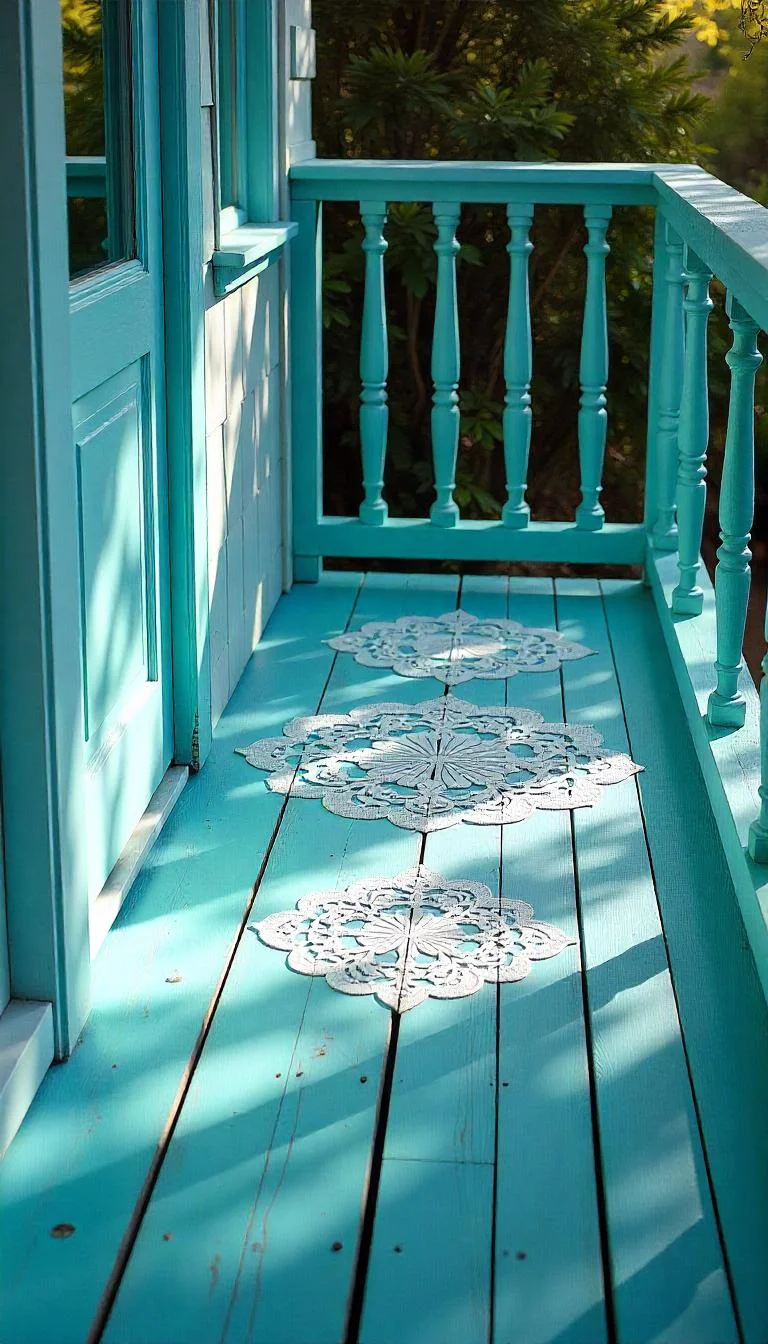
Painted concrete porch floors
Painted concrete is one of the simplest porch updates when the slab is structurally sound. It can brighten a dull entry and make sweeping easier by reducing the look of dust and stains.
Still, painted concrete depends heavily on prep and coating quality. If moisture moves through the slab or the finish is worn, peeling and discoloration can show up faster than expected.
Wood porch floors and deck-style boards
Wood gives a porch a classic, welcoming look and works especially well on traditional homes. It can also feel warmer underfoot than stone or concrete in some climates.
The tradeoff is care. Wood usually needs more attention to moisture, finish wear, and cleaning technique, so it is a better fit for homeowners willing to inspect and maintain it regularly.
Composite porch flooring for low-maintenance homes
Composite flooring is often chosen by homeowners who want the look of wood with less routine upkeep. It is commonly used on porch and deck-style areas where weather exposure is a concern.
Cleaning is usually straightforward, but the exact care depends on the product finish. Some surfaces can show pollen film, mildew, or scuff marks if debris is left sitting too long.
Tile, stone, and brick porch surfaces
Tile, stone, and brick can create a polished, timeless porch floor. These surfaces often work well in covered or partly protected spaces where weather exposure is lower.
The main cleaning concern is the joints and texture. Grout lines, mortar, and uneven surfaces can trap dirt, which means you may need more brushing and more careful rinsing than with smoother floors.
Vinyl and rubber porch flooring options for covered areas
Vinyl and rubber flooring can be practical in enclosed or covered porch areas where water exposure is limited. They may feel softer underfoot and can be easier to clean than some porous materials.
However, not every vinyl or rubber product is meant for outdoor conditions. Sun exposure, standing water, and temperature swings can affect performance, so check product guidance before choosing.
How to Choose the Right Porch Floor for Your Climate and Use
The best porch floor for a dry, covered entry may be a poor fit for a humid, open porch. Climate and day-to-day use should guide your decision as much as style does.
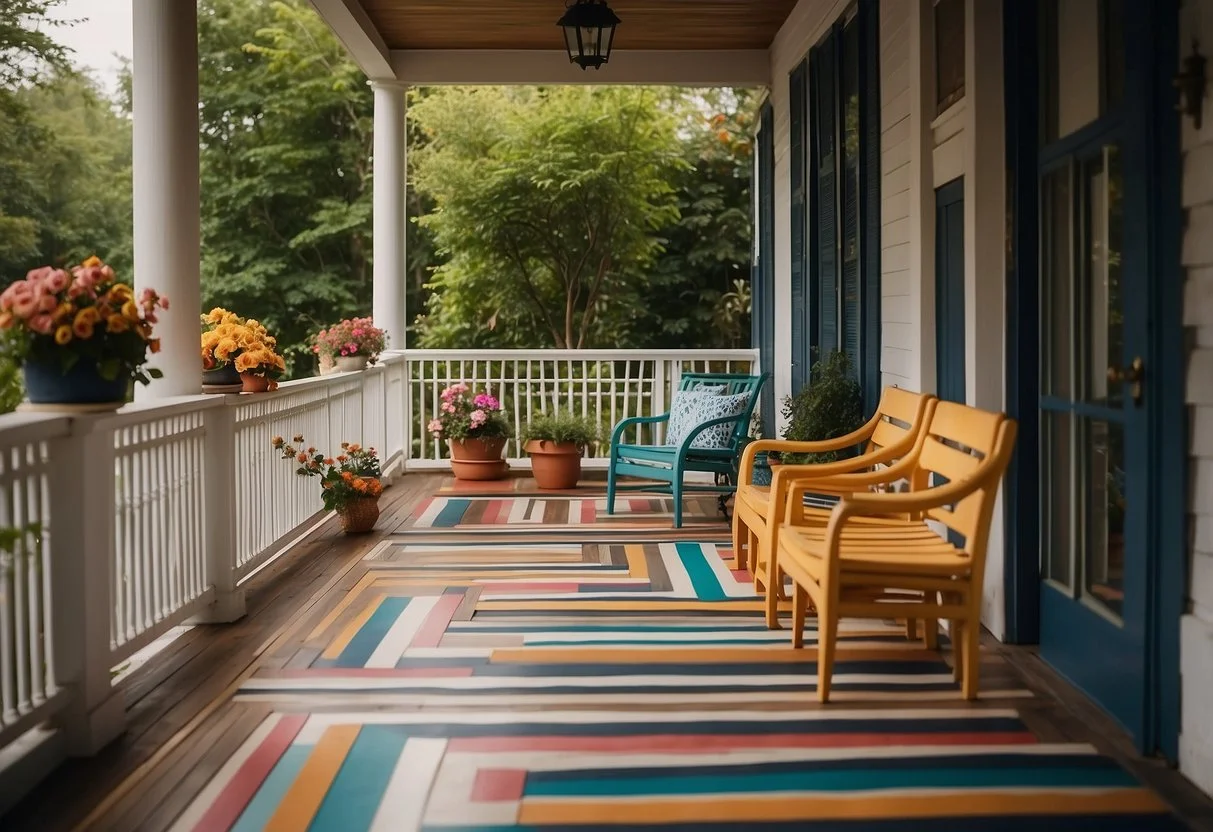
Covered vs. uncovered porch conditions
Covered porches usually have fewer direct weather problems, which opens the door to more material choices. You may have more flexibility with wood, vinyl, or decorative finishes if rain and sun are limited.
Uncovered porches need stronger moisture resistance and better slip control. In those spaces, drainage and finish durability matter as much as appearance.
High-traffic family porches, pet-friendly porches, and entertaining spaces
A family porch that sees muddy shoes, backpacks, and constant comings and goings needs a surface that is forgiving and easy to spot-clean. If pets use the porch, scratch resistance and fast cleanup become even more important.
For entertaining spaces, comfort and appearance may matter more, but cleanup still matters after spills, food crumbs, or outdoor dust. If your porch is part of a larger home routine, a daily floor cleaning routine can help prevent buildup before it becomes a bigger project.
Weather concerns: moisture, sun exposure, freezing, and humidity
Moisture can cause swelling, staining, mold growth, or surface breakdown depending on the material. Sun exposure can fade finishes, dry out wood, and wear down coatings over time.
In freezing climates, water that gets into cracks or porous surfaces can create damage as it expands. Humidity can also encourage mildew, especially on shaded porches with limited airflow. [Source: Family Handyman]
Matching floor type to cleaning effort and maintenance level
Some porch floors are easier to clean because they are smoother and less absorbent. Others need more scrubbing, sealing, or inspection to stay in good shape.
If you want lower effort, lean toward materials that resist staining and can be cleaned with simple tools. If you are okay with more upkeep, you may have more design options.
Easy Cleaning Tips for Different Porch Floor Types
The right cleaning routine depends on the floor surface, not just the mess. A method that works well on concrete may be too wet or too aggressive for wood.
Daily and weekly cleaning basics for sweeping, vacuuming, and mopping
For most porch floors, start with dry debris removal. Sweep, use a dust mop, or vacuum with an outdoor-safe attachment to remove grit before it gets ground into the surface.
For weekly care, use a damp mop only when the material allows it. If you want a simple habit to follow, a weekly mopping routine can keep dirt from building up on covered porches and entry areas.
Remove loose dirt before using any wet cleaner. Grit acts like sandpaper, especially on painted, finished, or textured porch surfaces.
Safe cleaning methods for wood, composite, tile, concrete, and stone
Wood usually needs the most caution. Use minimal water, a cleaner made for wood finishes, and a soft mop or cloth rather than soaking the boards.
Composite flooring often handles light washing well, but avoid abrasive pads that can dull the finish. Tile and concrete can usually tolerate more moisture, while stone often needs pH-safe products and careful rinsing to protect the surface.
Always check the manufacturer guidance for sealers, coatings, and specialty finishes. Porcelain tile, natural stone, sealed concrete, and composite all have different limits.
Best tools and cleaners for outdoor porch floor care
Good basics include a broom, dust mop, soft-bristle brush, microfiber mop, bucket, and a hose for approved surfaces. For textured floors, a scrub brush can help lift dirt from grooves and joints.
Use cleaners that match the material. Mild soap solutions may work in many cases, but some surfaces need stone-safe or wood-safe formulas to avoid haze, residue, or damage.
| Method / Product | Best For | Be Careful With |
|---|---|---|
| Dry sweeping or vacuuming | All porch floor types | Missing corners, grooves, and edges |
| Damp microfiber mopping | Painted concrete, tile, some composite | Too much water on wood or porous surfaces |
| Soft brush scrubbing | Brick, textured concrete, grout lines | Scratching delicate finishes |
| Material-specific cleaner | Wood, stone, sealed floors | Using the wrong pH or harsh formula |
Practical examples: mud, pollen, leaf stains, and mildew cleanup
Mud is easiest to handle after it dries. Let it harden, sweep it up, then wipe the remaining film with a suitable cleaner instead of scrubbing wet mud deeper into texture.
Pollen often needs repeated dry cleaning because it can smear when wet. Leaf stains may need a gentle cleaner and prompt attention, while mildew usually calls for improved airflow, careful washing, and a product approved for the surface.
- Sweep or vacuum loose debris first
- Use the mildest cleaner that fits the material
- Rinse or wipe away residue when needed
- Dry the surface to reduce slipping and spotting
- Check corners, joints, and drainage areas
Common Porch Floor Cleaning Mistakes to Avoid
Many porch floor problems come from cleaning the wrong way, not from the mess itself. A little caution can prevent dull finishes, slippery residue, and unnecessary repairs.
Using too much water on wood or laminate-style surfaces
Wood can swell, warp, or finish unevenly if it stays wet too long. Some laminate-style porch products also dislike excess moisture, especially near seams or edges.
Use a damp, not soaking, mop and dry the surface afterward when the material calls for it. If water keeps pooling, the floor may need better ventilation or repair.
Choosing harsh chemicals that damage finishes or grout
Strong cleaners can strip coatings, fade paint, or weaken grout and sealants. They may also leave a film that attracts more dirt later.
When in doubt, start with the gentlest approved cleaner and test a small hidden area first. That is especially important on stone, colored grout, and specialty finishes.
Skipping slip-resistance and leaving residue behind
A porch floor should not just look clean; it should feel safe. Soapy residue, waxy buildup, or overly glossy coatings can make surfaces slippery when wet.
For homes with kids, pets, or frequent guests, slip resistance should be part of the cleaning plan, not an afterthought. If a surface seems slick after cleaning, rinse or wipe it again.
Ignoring cracks, loose boards, or drainage problems
Cleaning cannot fix structural issues. Cracks, loose boards, soft spots, or poor drainage can keep causing stains and moisture problems no matter how often you mop.
If dirt keeps collecting in the same place, or if water does not drain away, the floor may need repair rather than a stronger cleaner.
Do not keep scrubbing a damaged porch floor with stronger chemicals. If the surface is lifting, soft, or uneven, cleaning may make the problem worse.
Cost, Durability, and Maintenance Comparison for Beginners
Budget matters, but long-term upkeep matters too. A cheaper porch floor can become expensive if it needs frequent repairs or specialized cleaning. [Source: Healthline]
Low-cost vs. mid-range vs. premium porch floor ideas
Low-cost updates often include cleaning, repainting, or refreshing an existing concrete slab. Mid-range choices may involve new composite boards, tile, or improved coatings.
Premium options usually focus on higher-end stone, custom tile, or more involved wood finishes. The right choice depends on how much you want to spend now versus how much work you want later.
Budget for more than the surface itself. Cleaners, sealers, replacement pads, and periodic touch-ups can affect the real long-term value of a porch floor.
Which materials are easiest to maintain over time
For many beginners, smooth sealed concrete and some composite products are among the easier options to maintain. They usually handle regular sweeping and light washing well when installed and cared for properly.
Tile can also be manageable, but grout cleaning adds extra work. Wood often requires the most attention because it is more sensitive to moisture and finish wear.
When a budget-friendly refresh makes more sense than replacement
If the porch floor is structurally sound, a refresh may be enough. Cleaning, sealing, repainting, or replacing only the top layer can improve appearance without a full rebuild.
This approach makes sense when the surface is dirty, faded, or lightly worn but not damaged underneath. If the base is failing, though, a cosmetic fix will not last.
When to Ask a Flooring Professional for Help
Some porch floor problems are bigger than routine cleaning. If you are unsure whether a material can be refinished, sealed, or safely repaired, professional advice can help you avoid costly mistakes.
Signs of structural damage, rot, water intrusion, or uneven flooring
Look for soft spots, sagging areas, loose boards, cracked sections, or water that keeps returning after rain. These are signs that the issue may involve the structure, not just the surface.
Rot, hidden moisture, and uneven framing can affect safety and future cleaning results. A surface that looks dirty may actually be showing deeper damage.
Complex installs, refinishing needs, and moisture-related concerns
Some porch floors need careful prep before paint, stain, tile, or coating can be applied. Others need moisture testing, leveling, or special underlayment to perform well.
If you are dealing with natural stone, specialty coatings, or a porch that has repeated water problems, professional guidance can help you choose the right system the first time.
When professional advice can save money and prevent future repairs
Calling a flooring professional is often worth it when the porch is expensive, historic, or attached to a larger structural issue. It can also help when warranty coverage or product compatibility is unclear.
In those cases, a short consultation may prevent a failed install, repeated cleaning frustration, or repairs that cost more later.
Final Recap: Choosing a Porch Floor That Looks Good and Cleans Easily
The best porch floor is one that fits your weather, your household, and your maintenance comfort level. If you match the material to the climate and clean it the right way, the porch will stay more attractive and safer to use.
Quick takeaways for choosing, cleaning, and maintaining the right porch floor
Choose moisture resistance for exposed porches, easier cleaning for busy entries, and safer slip control for high-use areas. Keep your cleaning method gentle and material-specific, especially on wood, stone, and coated surfaces.
Simple next steps for beginners planning a porch floor update
Start by identifying your porch type: covered, uncovered, screened, or entry slab. Then compare a few floor ideas based on how much cleaning you want to do and how much weather the surface will face.
If you are still deciding, write down your top priorities in order: safety, durability, appearance, and maintenance. That simple list makes porch floor planning much easier and helps you choose a surface you will be happy to care for over time.
Frequently Asked Questions
Smooth sealed concrete and some composite floors are often the easiest to maintain. The best choice still depends on your climate, traffic, and whether the porch is covered.
Sometimes, but only if the material can handle moisture. Wood and some laminate-style surfaces need very little water, while tile and sealed concrete are usually more forgiving.
Start with the mildest approved cleaner and improve airflow if possible. Always check the material first, because wood, stone, and coated surfaces may need different treatment.
Painted concrete can be a practical and attractive option if the slab is in good condition. It works best when properly prepared and protected from moisture problems.
Look for surfaces that resist scratches, clean easily, and do not become slippery when wet. Composite, sealed concrete, and some textured tile options can work well depending on the porch setup.
Call a professional if you see rot, soft spots, major cracks, water intrusion, or uneven flooring. It is also smart to ask for help when you are unsure about product compatibility or refinishing.
