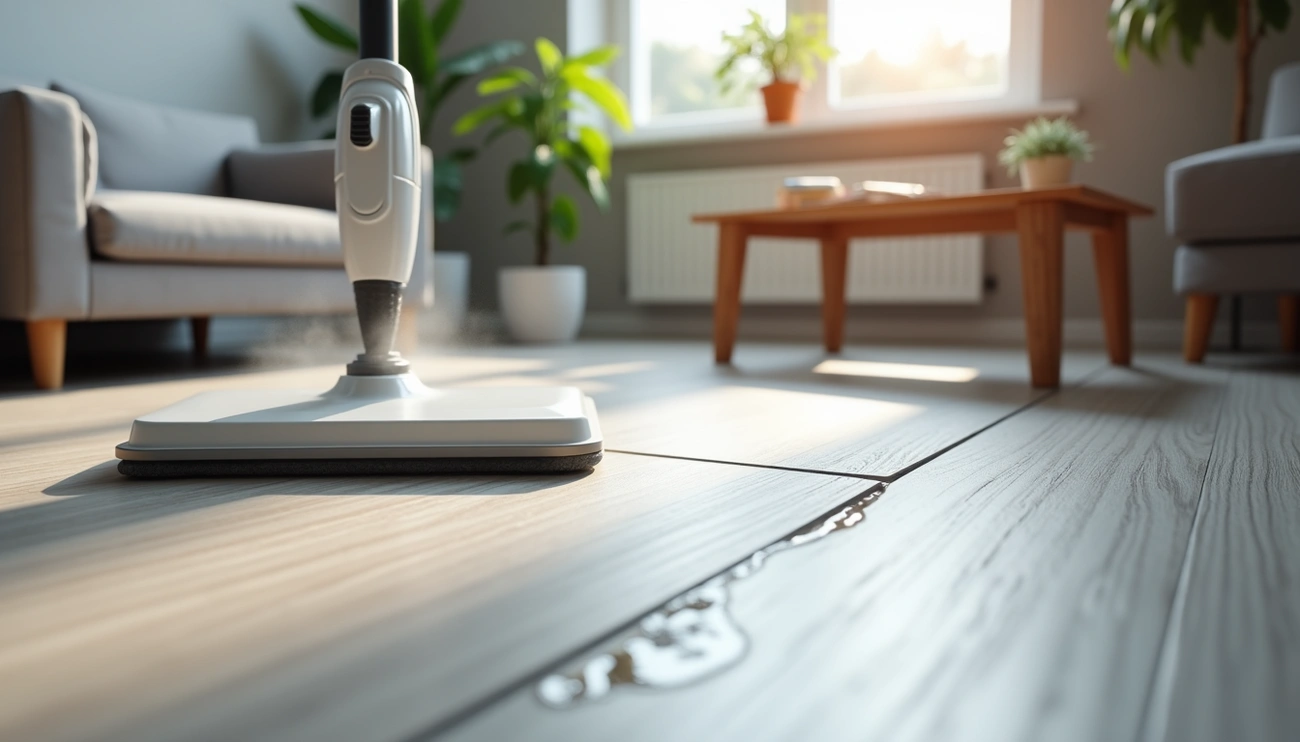
No, steam mops are not good for vinyl floors. High heat can warp, melt, or discolor vinyl planks or sheets. Excess moisture can seep into seams, weaken adhesive, and cause curling or mold growth. Clean vinyl floors with a damp microfiber mop and a pH-neutral cleaner to prevent damage.
Are Steam Mops Good for Vinyl Floors?
The Short Answer to Using Steam Mops on Vinyl
Can you use a steam mop on vinyl plank flooring? Professional flooring experts answer with a firm no. Vinyl floors, including luxury vinyl plank and sheet vinyl, are not designed to withstand the high temperatures required to create steam. While vinyl is durable and water-resistant, it’s quite sensitive to the heat and moisture that steam mops produce.
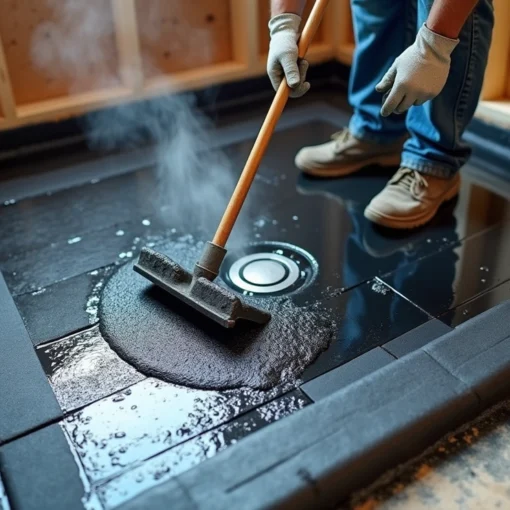
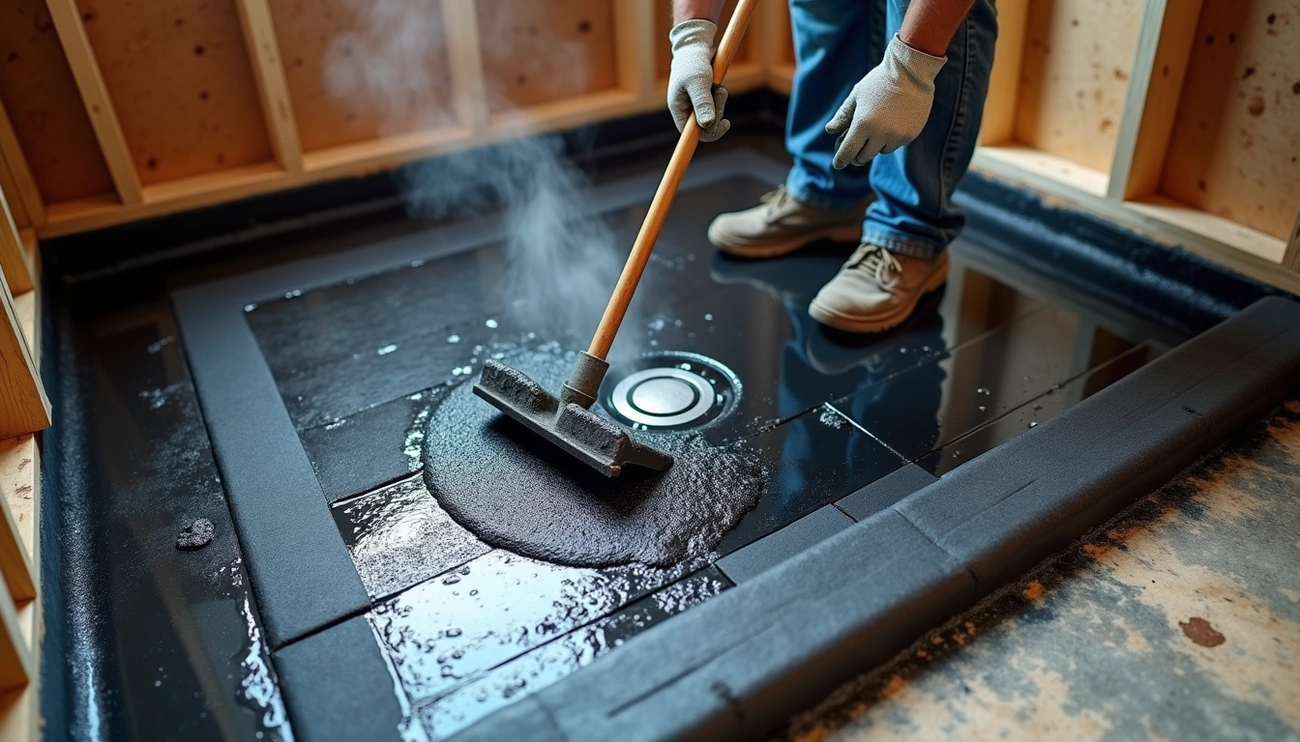
The heat from a steam mop can reach over 200°F (93°C), which softens the vinyl material and can melt or loosen any glue holding the vinyl in place. Given that vinyl is essentially plastic, exposure to these high temperatures causes it to lose shape and ruins the top layer of your flooring. You’ll achieve clean floors initially, but they will eventually fall apart, leading to replacement costs.
Why Manufacturers Warn Against Steam Mopping
Most luxury vinyl flooring manufacturers advise against the use of steam cleaning devices to ensure the best functionality of your floors long term. The reasoning behind these warnings is straightforward. Heat can warp your flooring and cause adhesives to fail. On floating installations, steam can work its way into the gaps between planks, causing them to warp and swell upward, creating an uneven floor.
For glue-down installations, the heat from the mop can melt the adhesive holding the planks to the subfloor. Even sheet vinyl is susceptible to the focused heat generated by steam mops, resulting in the adhesive beneath breaking loose and causing bubbles. Furthermore, water from a steam mop can be forced through the seams, causing water buildup under the floor that results in tile or plank edges curling up.
When Steam Mop Use May Void Your Warranty
Many vinyl flooring manufacturers clearly state in their warranties that using a steam mop will void the product warranty. This means potential repairs or replacements may not be covered if damage occurs due to improper cleaning. Unless your flooring’s manufacturer specifically states that steam cleaning is safe (which is rare), stick with damp mop cleaning routines. If you’re considering whether can you steam mop vinyl floors, check your product warranty first to avoid losing coverage.
What Happens When You Use a Steam Mop on Vinyl Floors
Understanding the specific damage mechanisms helps explain why can you use a steam mop on vinyl floors is met with a resounding no from flooring professionals. The combination of high heat and moisture creates multiple failure points in your vinyl flooring.
Heat Damage to the Wear Layer
The top protective layer of vinyl planks handles scratches and light spills but wasn’t designed for high temperatures. Steam mops can wear down this surface, leaving it dull, cloudy, or prone to peeling. Most LVP can withstand temperatures up to around 150°F without risk of damage, but steam mops often exceed this threshold. Once the finish breaks down, dirt and stains settle more easily into the surface. The floor loses its smooth appearance and becomes harder to maintain over time.
Moisture Seeping Through Seams and Edges
Vinyl planks resist surface spills effectively, but steam pushes moisture into tiny seams and edges. When water seeps under the flooring, it leads to swelling and buckling. This hidden moisture damage builds up quietly and may only be noticed once significant harm has occurred. In view of this, trapped moisture creates breeding grounds for mold and mildew between planks.
Adhesive Breakdown and Plank Lifting
Heat and moisture weaken the glue holding vinyl planks to the subfloor. For glue-down installations, the adhesive loosens and causes bubbles in the flooring. Click-lock systems also suffer as constant heat exposure loosens the locking edges. Planks shift when walked on, creating gaps and uneven boards that reduce stability.
Warping and Buckling of Vinyl Planks
Steam heat softens or distorts vinyl planks, causing them to lose their shape. Particularly in areas where the steam mop is frequently used, boards warp and become difficult to fix without replacement. Excess water seeps into seams and weakens adhesive bonds, leading to buckling or lifting over time.
How to Safely Clean Vinyl Floors Without a Steam Mop
Protecting your vinyl floors requires a gentle approach that removes dirt without introducing excessive heat or moisture. Following a consistent cleaning routine keeps your floors pristine while extending their lifespan.
Daily Cleaning: Sweeping and Vacuuming
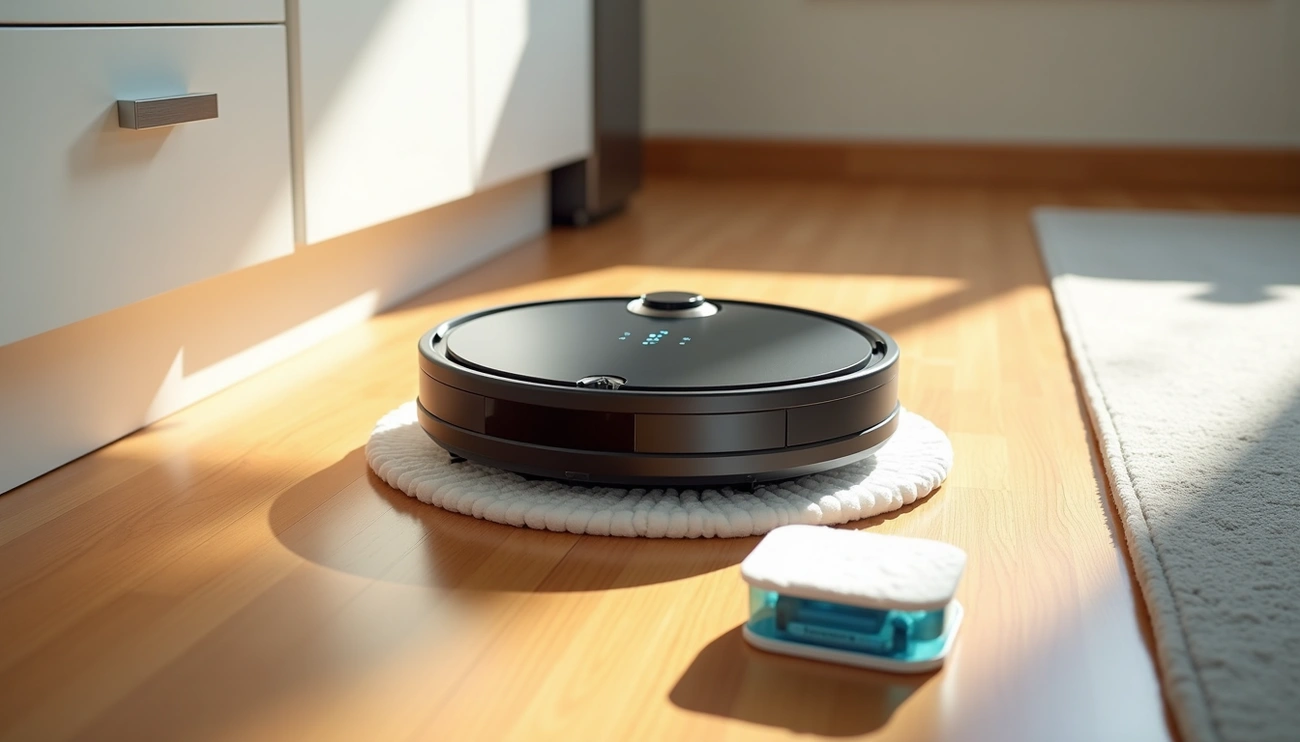
Daily maintenance prevents dirt and grit from acting like sandpaper on your vinyl surface. Use a soft-bristled broom or microfiber dust mop to capture dust, crumbs, and pet hair. When vacuuming, switch to the bare floor setting that disables the beater bar. The rotating brush can scratch and damage the protective finish, leaving floors more susceptible to stains and moisture damage. Wipe up spills immediately with a damp microfiber cloth to prevent staining.
Weekly Deep Cleaning with a Damp Microfiber Mop
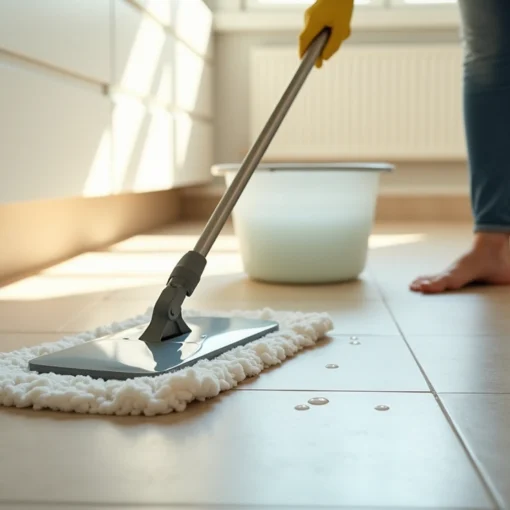
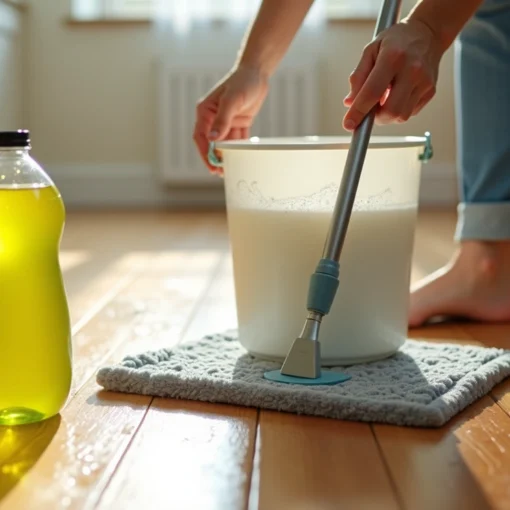
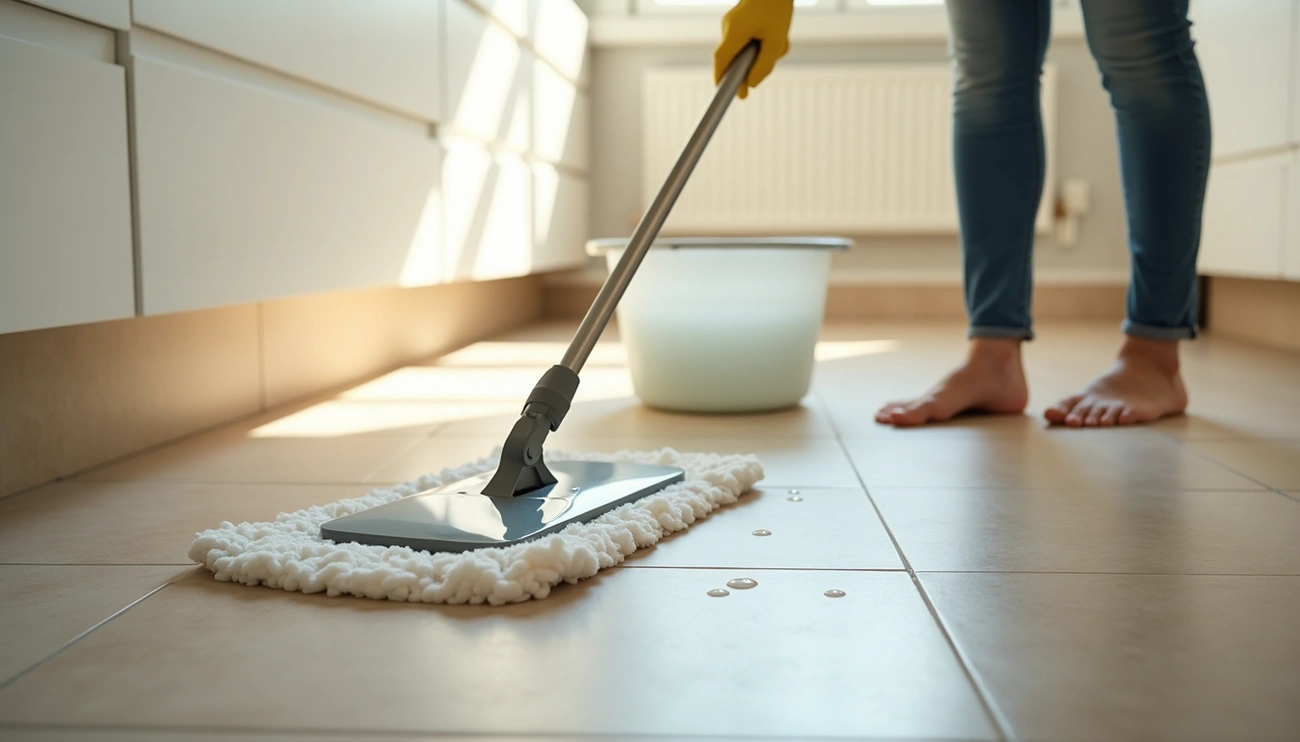
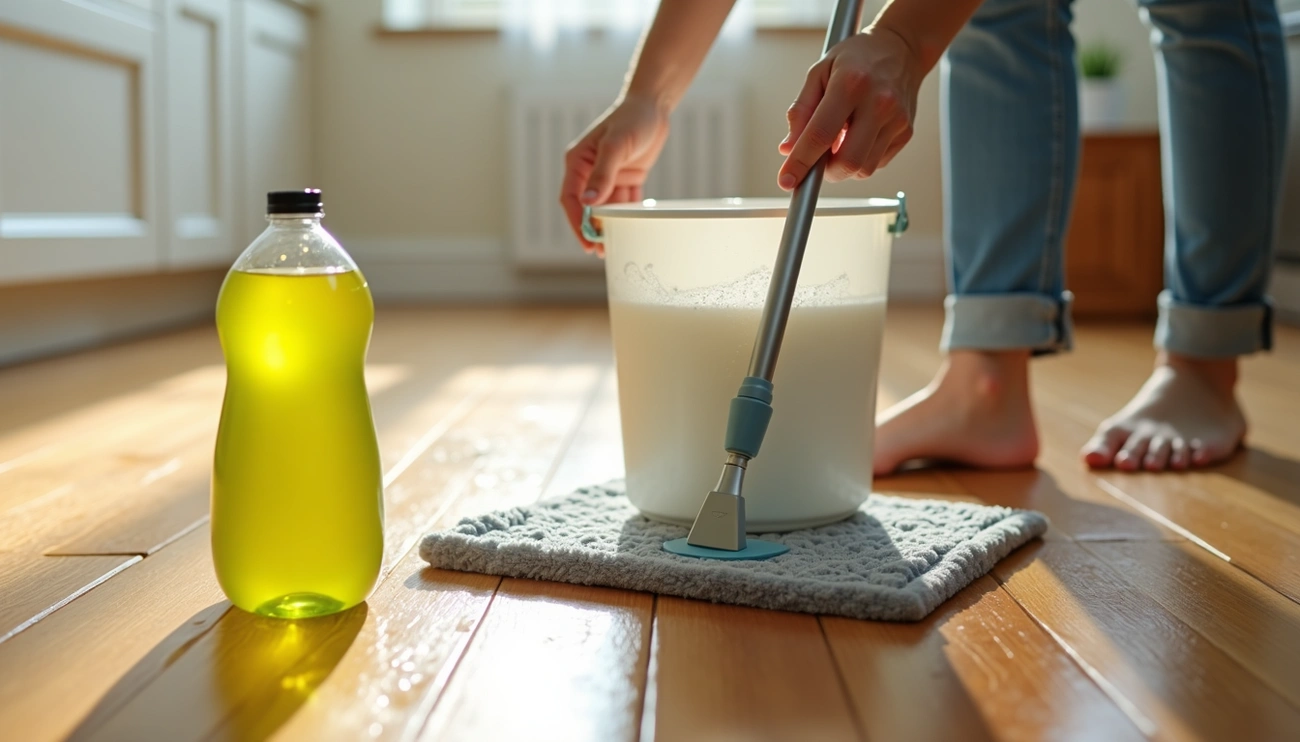
Weekly mopping removes grime that dry cleaning misses. Start by sweeping or vacuuming to eliminate loose dirt. Mix 1 cup of white vinegar with 1 gallon of warm water. For extra cleaning power, add 1-2 drops of mild dish soap. Lightly dampen your microfiber mop so it doesn’t drip. Mop in the direction of the plank lines, then let the floor air dry or wipe it with a clean cloth.
Choosing the Right Cleaning Solution for Vinyl
pH-neutral cleaners protect your floor’s finish without leaving residue. Bona Hard-Surface Floor Cleaner, Zep Neutral pH Floor Cleaner, and Armstrong Once ‘n Done work effectively for luxury vinyl plank. These products clean without stripping or dulling floor finishes. Avoid ammonia-based cleaners, bleach, wax-based products, and abrasive scrubbers. They damage the protective layer and leave dull films.
Proper Mopping Technique to Avoid Water Damage
Your mop should be damp, not soaking wet. Excess water seeps into seams between planks, causing peeling and warping. Work in small sections, rinsing your mop frequently in clean water. This prevents spreading dirty water across your floor. Dry any excess moisture immediately with a microfiber cloth.
Best Practices for Maintaining Vinyl Floors
Prevention extends your vinyl floor’s lifespan far beyond what cleaning alone can achieve. These maintenance practices protect against common damage sources while keeping your floors pristine.
Use Doormats to Reduce Dirt and Grit
Entry mats at doors reduce debris buildup and extend floor life. Place them at all entrances to absorb soil and moisture before it reaches your vinyl. Note that mats with rubber or latex backings can cause yellow discoloration. Choose natural fiber mats or those with non-staining backers specifically designed for vinyl floors.
Install Protective Pads Under Furniture
Use felt floor protectors under furniture legs to minimize indentations and scratches. As a rule, heavier objects require wider floor protectors. Attach felt pads to chairs, tables, and frequently moved items. For heavy appliances like washers and refrigerators, use wide load-bearing bases that distribute weight evenly.
Clean Up Spills Immediately
Blot spills with a clean, white, absorbent cloth or paper towel right away. Letting spills sit causes residue buildup or seepage at plank seams. This prevents permanent staining and moisture damage beneath the surface.
Manage Sunlight Exposure to Prevent Fading
Prolonged direct sunlight causes fading and discoloration. UV-filtering window films block up to 90% of harmful rays while allowing natural light. Install blinds, curtains, or UV-protective treatments in rooms with large windows. Rearrange furniture periodically to prevent uneven fading patterns.
Conclusion
Steam mops might seem convenient, but they’re your vinyl floor’s worst enemy. The combination of intense heat and moisture leads to warping, adhesive failure, and voided warranties. Instead, stick with damp microfiber mopping and pH-neutral cleaners to keep your floors looking pristine without the risk of damage. If you follow the safe cleaning methods I’ve outlined, your vinyl floors will maintain their beauty for years to come without costly repairs or replacements.