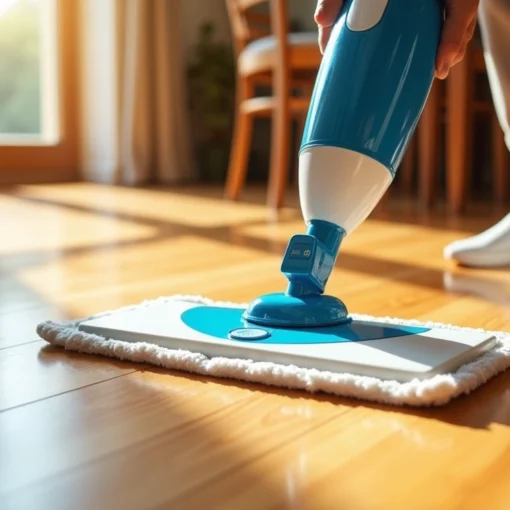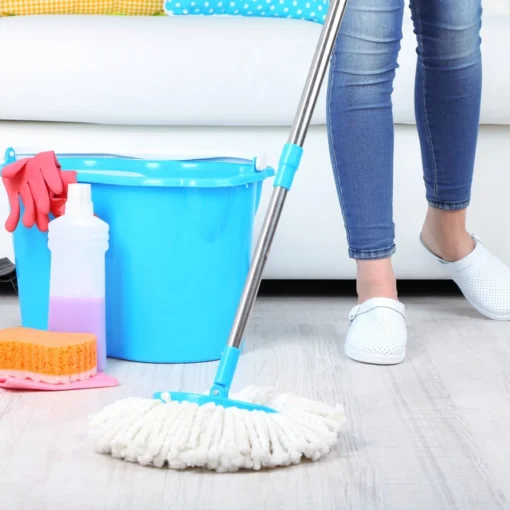
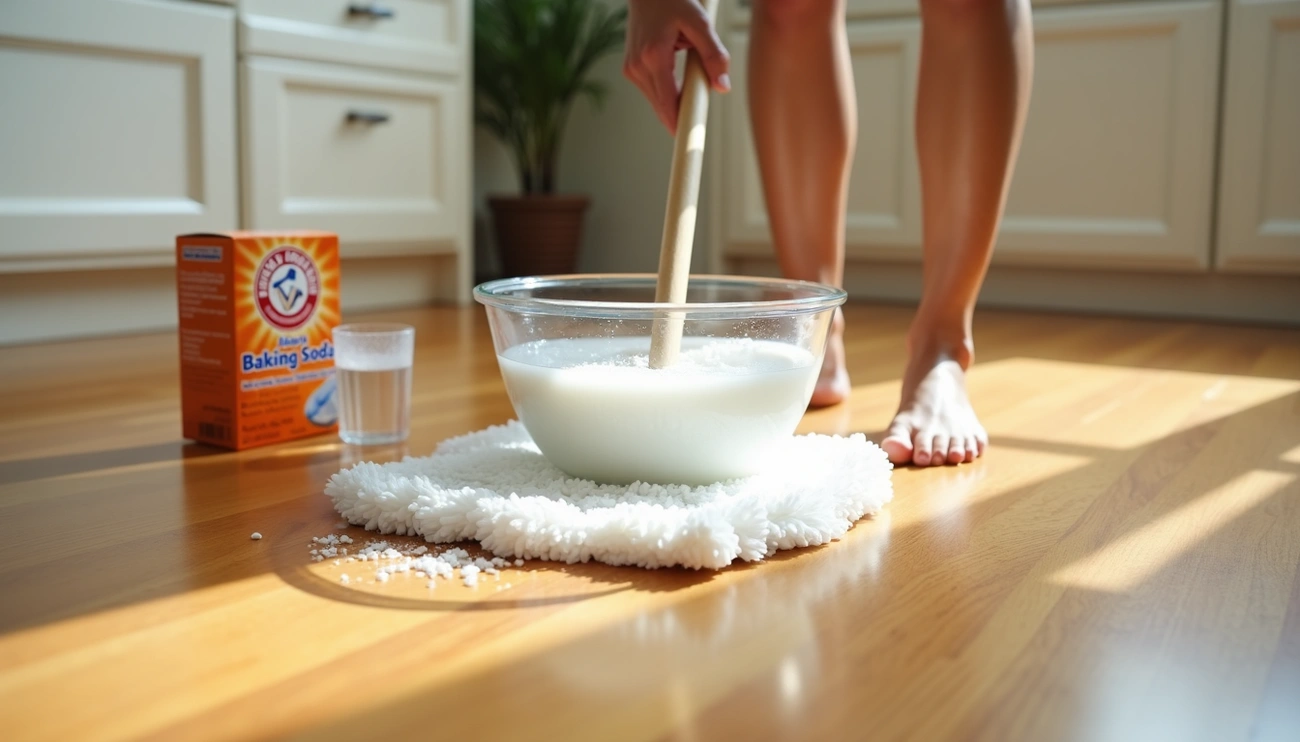
You can mop with baking soda to clean and deodorize tile, vinyl, and linoleum floors. Mix 1/2 cup of baking soda with 1 gallon of warm water. Mop the surface evenly to lift grime and neutralize odors. Rinse the floor with clean water to prevent a white residue from forming after drying.
Why Baking Soda Works for Mopping Floors
Natural cleaning properties of baking soda
Baking soda, or sodium bicarbonate, functions as an alkaline substance with a pH level that sits on the opposite end of the scale from acids. This alkaline nature gives it the power to break down food-based and greasy stains effectively. What makes baking soda particularly useful for floors is its dual action. It works as a gentle abrasive that helps loosen dirt and stains without scratching the tile surface. The fine powder texture provides just enough grit to scrub away residue while remaining safe for most flooring materials.
Beyond its abrasive qualities, baking soda is non-toxic and safe to use around kids and pets. I appreciate that it contains no harsh chemicals, making it a practical choice for homes where health concerns matter.
How baking soda removes dirt and odors
The cleaning power comes from specific chemical interactions. Baking soda’s alkaline nature breaks down grease and dirt, allowing them to be lifted and removed by water. When applied to floors, it dissolves the compounds that hold grime in place.
Odor elimination happens through a different mechanism. Baking soda absorbs odors by reacting with acidic compounds and neutralizing them. Many unpleasant floor odors stem from acidic sources. Because sodium bicarbonate sits on the opposite end of the pH scale, it neutralizes acids and the smells they create. The change in pH helps eliminate the smell rather than just masking it. Baking soda also absorbs oils and grease, killing their odors at the source.
Best floor types for baking soda cleaning
You can use a baking soda mopping solution on tile floors, vinyl, rolled flooring, luxury vinyl, and sealed concrete. Ceramic tile and grout respond particularly well because the alkaline properties help break down most food-based stains while the mild abrasion scrubs both the surface and porous grout. The method works well on tile, vinyl, and linoleum floors.
Hardwood floors require caution. Hardwood floors have a finish that can break down if you use a highly alkaline cleaning agent like sodium bicarbonate or ammonia. Natural stone tiles such as marble, travertine, limestone, and slate should also be avoided. Baking soda is mildly alkaline and can dull or etch some stones when used for dry scrubbing or even in concentrated solutions.
How to Make a Baking Soda Mopping Solution
Basic baking soda and water mixture
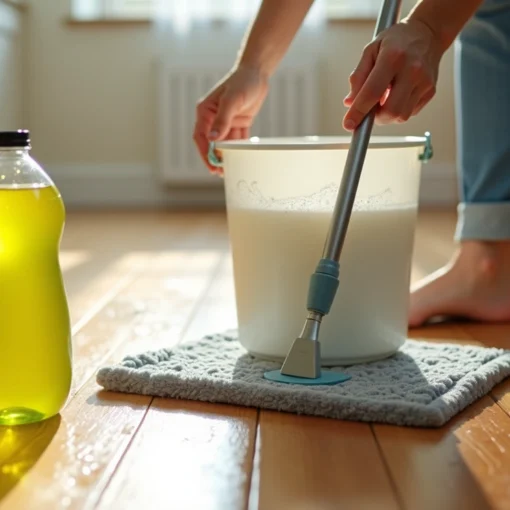
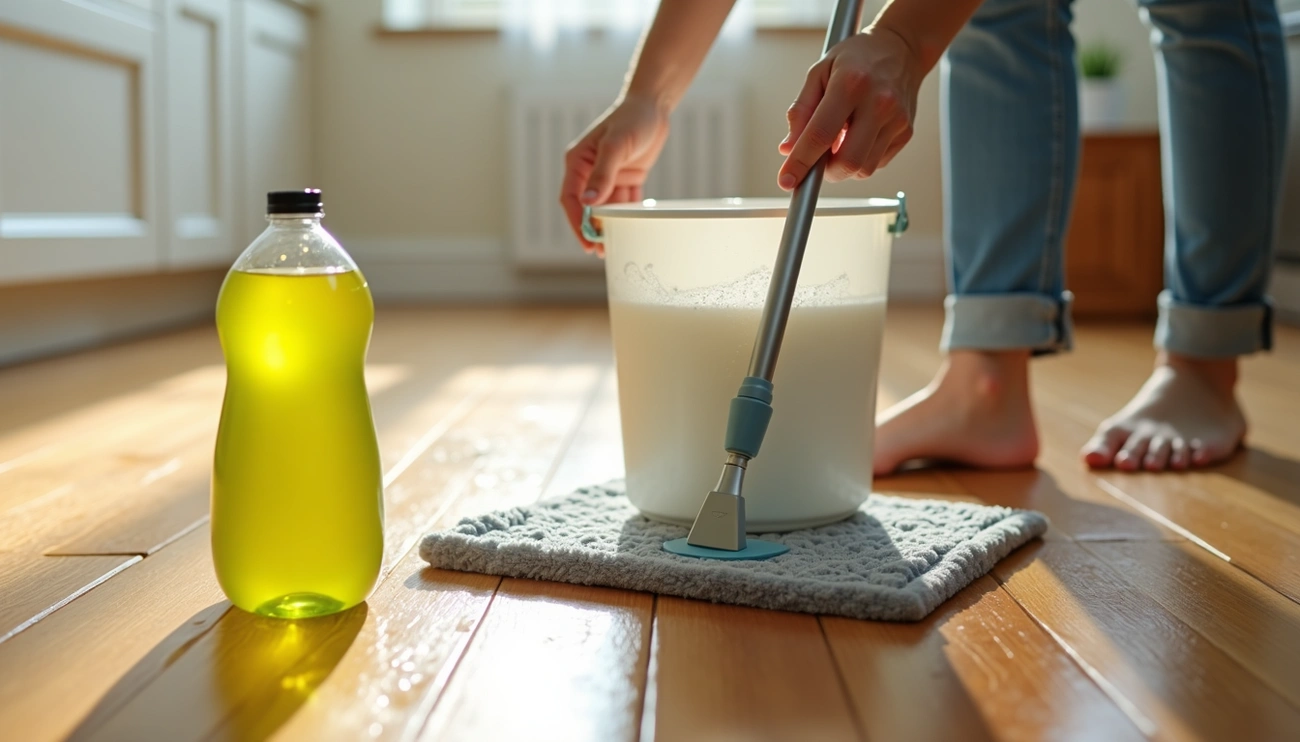
Creating a simple baking soda mopping solution starts with the right ratio. Mix half a cup of baking soda in a gallon of warm water for tile floors. Some prefer a lighter concentration of 2 tablespoons per gallon. Fill your bucket halfway with warm water, then sprinkle the baking soda into it. Dissolve the powder completely before mopping to prevent streaking and residue buildup.
Adding vinegar for better cleaning power
Vinegar boosts the cleaning strength through a chemical reaction with baking soda. The standard measurement calls for one cup of baking soda to one cup of white vinegar. Add the baking soda to warm water first and dissolve it thoroughly. Once dissolved, pour in the white vinegar[72]. You’ll notice immediate effervescence as the alkaline baking soda and acidic vinegar react together[72]. This fizzing breaks down grease and grime more effectively than baking soda alone.
Including dish soap for grease removal
Dish soap serves a specific purpose in your homemade mopping solution. Add a generous drizzle of liquid dish soap to the baking soda and vinegar mixture for extra degreasing power. However, dish soap is only necessary for larger messes like caked-on food from pets or children. The soapy solution makes it easier to wipe off dissolved grease and grime after the chemical reaction occurs.
Proper measurements and ratios
Measurements can be adjusted based on your cleaning needs. I don’t measure exactly but ensure the mixture remains watery enough to glide across floors without appearing too thick. Standard ratios include half a cup baking soda per gallon or 2 tablespoons per gallon for lighter jobs. You can double the measurements depending on the space size[72]. Rinse thoroughly after mopping to remove any remaining residue.
Step-by-Step Guide to Mopping with Baking Soda
Preparing your floor before mopping
Clear the area before you start mopping with baking soda. Pick up toys, shoes, and clutter scattered on the floor. Roll up rugs and move them aside for a thorough clean. Remove chairs and furniture that obstruct your mopping path.
Once the area is clear, sweep or vacuum to eliminate dust and debris. Use a vacuum nozzle suited to your floor type, working slowly through all hard-to-reach corners where dust accumulates. If sweeping, use a soft-bristled broom and dispose of collected dirt in a trash bag. This pre-cleaning step prevents you from pushing dirt around when you apply your baking soda mopping solution.
Applying the baking soda solution
Dampen your mop in the baking soda mixture without soaking it. The mop should be moistened, not dripping wet. Excess liquid can damage wood floors or vulnerable materials. Wring the mop well before touching the floor to prevent standing water.
Using the right mopping technique
Start at the furthest point from the room entrance and work backwards in sections toward the middle. This prevents stepping on wet areas. Use long, consistent strokes across the floor. For large spaces, break the work into smaller sections to ensure thorough coverage.
Rinse your mop frequently to avoid spreading dirty water. When the mop appears dirty, wash it and re-dampen with fresh baking soda solution. Pay extra attention to stains and heavily soiled areas.
Rinsing and drying your floors
Fill a clean bucket with warm water for rinsing. Mop the entire floor again with just water to remove any baking soda residue. Check carefully for remaining mixture, as leftover residue can cloud the finish.
Let floors air dry naturally. Open windows to speed drying and bring fresh air into your home. For wood floors, dry immediately with a soft cloth or microfiber mop to prevent water damage.
Common Mistakes to Avoid When Mopping with Baking Soda
Using too much baking soda
Excessive baking soda creates white residue that’s difficult to remove from floors. Applying too much powder or leaving it on surfaces for extended periods leads to clouding and film buildup. Consequently, you’ll spend more time trying to eliminate the haze than you would have cleaning properly the first time.
Skipping the rinse step
Rinsing surfaces thoroughly after using baking soda prevents residue from forming. The alkaline powder doesn’t fully dissolve with just one pass of the mop. Without a proper rinse, leftover particles settle into grooves and micropores, creating a dull finish over time. Fill a clean bucket with warm water and mop again to remove all traces of your homemade mopping solution.
Wrong floor types for baking soda
Wood floors react poorly to baking soda’s abrasive and alkaline properties. The powder scours tiny grooves into finish layers, while the alkaline pH softens protective coatings. Natural stone surfaces like marble and granite also suffer damage, losing their sealant and developing a dull appearance. Glass surfaces develop scratches, and aluminum cookware experiences oxidation and discoloration.
Mixing incompatible cleaning products
Vinegar and baking soda cancel each other out chemically. The acidic vinegar neutralizes the alkaline baking soda, creating mostly water and salt. The fizzing reaction looks impressive but delivers minimal cleaning power compared to using either product separately.
Conclusion
Baking soda offers a natural, effective way to clean most floors without harsh chemicals. I’ve found that the key to success lies in using the right ratio, choosing compatible floor types, and rinsing thoroughly after mopping. Most important, avoid common mistakes like using too much powder or skipping the rinse step. Once you master the basic technique with proper measurements, you’ll achieve streak-free, spotless floors while keeping your home safe for family and pets.