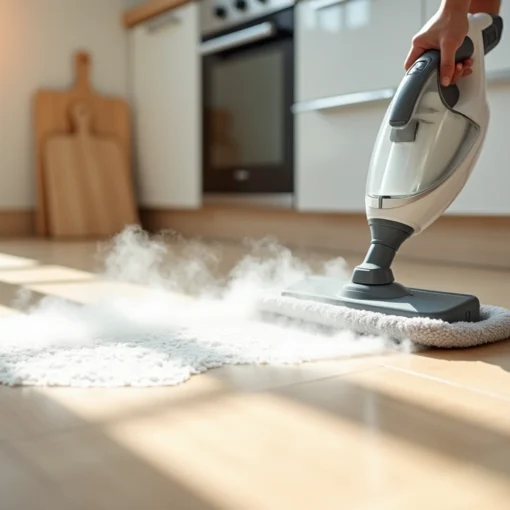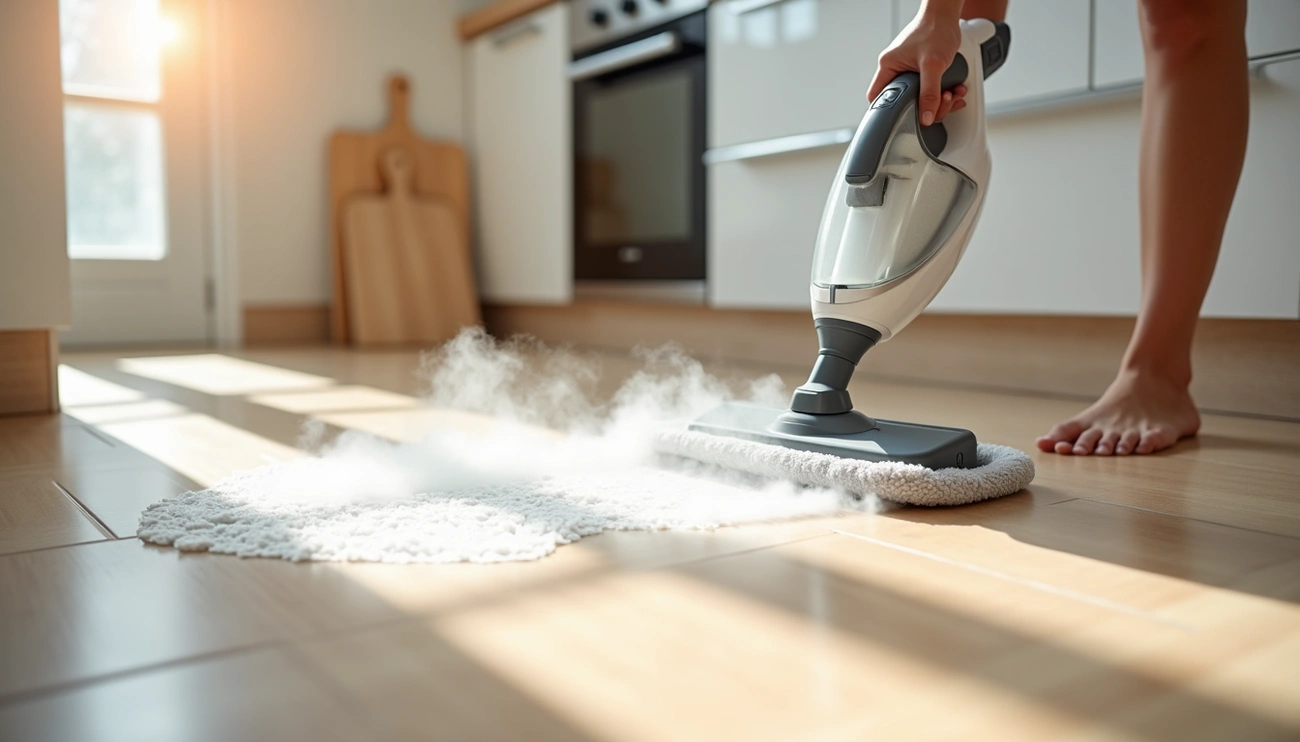
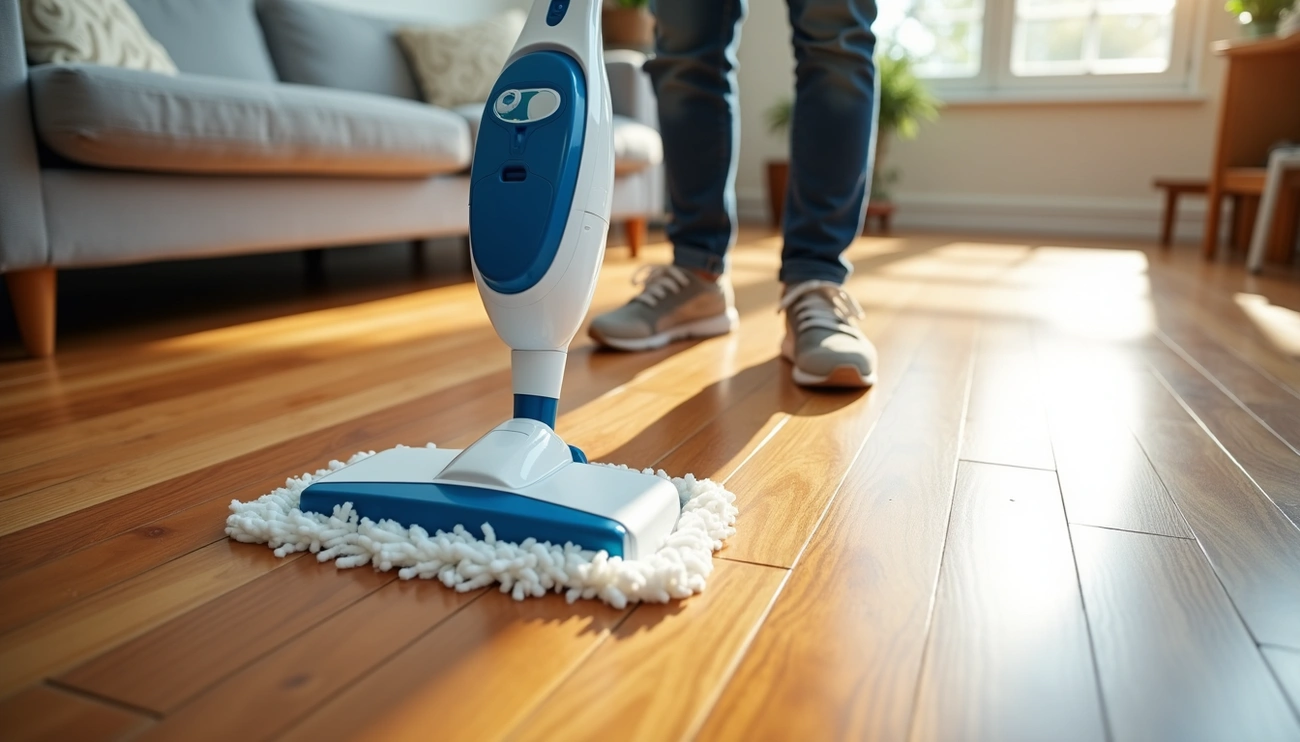
You should not use a steam mop on hardwood floors. Steam mops release heat and moisture that can penetrate wood seams and finishes, causing warping, cupping, and finish failure. Flooring manufacturers and experts warn that even sealed hardwood faces high moisture risk, making dry or damp microfiber cleaning safer.
Why People Use Steam Mops on Hardwood Floors
Steam mops have gained tremendous popularity among hardwood floor owners, including myself. After struggling with traditional cleaning methods, I discovered why so many people are drawn to these devices for their hardwood surfaces.
Convenience and time-saving benefits
The convenience factor of steam mops cannot be overstated. Unlike traditional mopping methods that require lugging around heavy buckets, steam mops eliminate this exhausting task. For those with mobility issues, this convenience is particularly valuable. Furthermore, steam mops heat up quickly—often in under 30 seconds—allowing you to start cleaning almost immediately.
One of the most significant advantages I found was the drying time. With a steam mop, floors dry in approximately 30 seconds compared to the 10+ minutes needed after traditional mopping. This quick drying time means no more waiting around or worrying about slippery surfaces, allowing you to move seamlessly from one cleaning task to another.
Better cleaning results with less effort
Steam mops excel at removing stubborn stains that conventional methods struggle to tackle. The steam penetrates deeply into the surface, loosening dirt, grime, and even the most persistent stains. In fact, they generally do a better job cleaning up certain messes like coffee stains, mustard, and ketchup than traditional mops.
I was amazed at how my floors looked after using a steam mop—what used to be my most dreaded chore turned into one I didn’t mind doing regularly. The high-temperature steam cuts through grime and removes dirt effectively, ensuring a thorough clean that lasts longer.
Eco-friendly and chemical-free cleaning
Perhaps the most compelling reason to use a steam mop is its environmental benefits. Steam cleaning relies solely on the natural power of heated water to eliminate dirt and grime—no harsh chemicals required. This chemical-free approach creates a safer environment, especially important for homes with children and pets.
Many manufacturers claim the heat of the steam kills 99.9% of germs and bacteria, providing a more sanitary cleaning solution. Additionally, this method conserves water compared to traditional mopping, reducing the environmental impact of your cleaning routine.
While some experts still debate the safety of steam mops on hardwood floors, the combination of convenience, superior cleaning power, and eco-friendly operation makes them an attractive option for many homeowners like myself.
What Happened When I Used a Steam Mop on Sealed Hardwood
Four months ago, I took the plunge and purchased a steam mop for my sealed hardwood floors. Initially, I was anxious about using it given the conflicting information online, but my curiosity won out.
Initial impressions and cleaning results
Upon first use, I was immediately struck by how quickly the steam mop heated up—in under 30 seconds, it was ready to tackle my grimy floors. What impressed me most was how effectively it removed sticky residues in my kitchen without any scrubbing. The steam penetrated deep into the surface, lifting dirt that my regular mop had been leaving behind.
Surprisingly, the floors dried in approximately 30 seconds, considerably faster than the 10+ minutes I’d grown accustomed to with traditional mopping. This quick drying time meant I could immediately walk on the cleaned areas without worrying about footprints or slipping.
How often I used it and what I noticed
Since that first cleaning, I’ve used my steam mop approximately once a week for maintenance cleaning. For the first month, I inspected the floors carefully after each use, looking for any signs of damage. Nevertheless, I noticed no warping, discoloration, or other issues.
I’ve been careful to follow best practices—always using the lowest steam setting specifically designed for hardwood floors and keeping the mop constantly moving to prevent moisture from lingering in one spot. Before each session, I make sure to vacuum thoroughly, as steam cleaning is meant for maintenance rather than deep cleaning heavily soiled floors.
Comparing it to traditional mopping
Consequently, steam mopping has transformed my least favorite chore into something almost therapeutic. Unlike traditional mopping, which required lugging around heavy buckets and left me physically exhausted, the steam mop is significantly less labor-intensive.
The cleaning results have been noticeably superior—my floors not only look cleaner but stay that way longer. Plus, I appreciate not having to use chemical cleaners around my pets. Before long, I found myself actually looking forward to floor cleaning day, something I never thought possible.
The Risks I Discovered After Researching
After my positive experience with steam mopping, I delved deeper into industry research to understand potential long-term effects—and discovered some legitimate concerns that gave me pause.
Warping and buckling concerns
Industry experts consistently warn that hardwood floors react poorly to both heat and moisture. Steam reaches temperatures between 120-200°F, far exceeding the safe range for wood (85-95°F). Moreover, as moisture penetrates the wood, it causes expansion that can lead to warping, buckling, and cupping over time. Even more concerning, steam’s heat can break down the finish while causing it to expand at a different rate than the wood beneath.
Manufacturer warnings and warranty issues
Throughout my research, I encountered explicit warnings from major flooring authorities. Both the National Wood Floor Association (NWFA) and the World Floor Covering Association (WFCA) strongly advise against using steam cleaners on hardwood. Perhaps the most compelling reason to reconsider: using a steam mop typically voids your floor’s warranty. Most manufacturer care guides plainly state “never use a steam cleaner”.
Lack of real-life damage evidence
Interestingly, although warnings abound, I struggled to find documented cases of steam mop damage. This could be because deterioration happens gradually—damage may not become apparent for weeks or months. The effects are often subtle at first: slight dulling of finish, minor seam swelling, or microscopic cracks that eventually worsen with continued use.
How to Use a Steam Mop Safely on Hardwood Floors
If you decide to try a steam mop on hardwood floors despite the risks, following these precautions can help minimize potential damage.
Check if your floor is sealed properly
Firstly, determine if your floor has adequate sealing. Try the water droplet test—place a few drops on your floor in an inconspicuous area. If the water beads up, your floor likely has polyurethane sealing. Conversely, if it soaks in immediately or leaves a mark, your floor is unsealed or waxed. Never use steam on unsealed floors.
Use the lowest steam setting
Always select steam cleaners with adjustable settings. Choose the lowest steam output that effectively cleans—ideally level 1 or 2 if numbered. This creates the hottest, driest steam possible, reducing moisture exposure.
Keep the mop moving at all times
Never let a steam mop sit idle in one spot. Glide it continuously in the direction of the wood grain, slightly slower than vacuuming speed. Lingering creates concentrated heat and moisture that can damage finish or loosen floorboards.
Avoid steaming after waxing
Steam cleaners should never be used on waxed floors. Hot steam will melt and damage waxed surfaces. Many vintage or refinished floors have wax finishes that are highly moisture-sensitive.
Test on a small area first
Importantly, always test in a hidden corner first—under furniture or a rug edge. Wait 24 hours and check for discoloration, swelling, or streaking. Even slight reactions indicate your floors aren’t suitable for steam cleaning.
Conclusion
Steam mops represent a double-edged sword for hardwood floor cleaning. My personal experience has been overwhelmingly positive—floors dry quickly, cleaning requires less effort, and the results outshine traditional mopping methods. Therefore, I understand why many homeowners continue using steam mops despite manufacturer warnings.
Nevertheless, legitimate concerns exist that cannot be ignored. The combination of heat and moisture potentially threatens your floor’s integrity over time. Most importantly, using a steam mop will likely void your flooring warranty, leaving you responsible for any future repair costs.
Should you decide to try a steam mop anyway, safety precautions become essential. Always confirm proper sealing, use the lowest steam setting, keep the mop constantly moving, and test an inconspicuous area first. These steps minimize potential damage while allowing you to enjoy the benefits.