
Can You Use Dull Floors Safely and Effectively

Yes, you can usually use dull floors safely if the floor is still structurally sound and the dullness comes from residue or normal wear. If the floor shows damage, lifting, softness, or etching, use caution and consider professional advice. Related: floor dullness. Related: clean dull floors. Related: dull hardwood floors. Related: cloudy vinyl floors.
Can you use dull floors safely? In many cases, yes—but only if the dullness is from residue, light wear, or normal aging rather than active damage. The right response depends on the floor type, the finish, and what is causing the loss of shine.
- Check the cause: Dullness is often buildup, but it can also signal wear or damage.
- Match the floor: Wood, vinyl, laminate, tile, stone, and concrete need different care.
- Use gentle methods: pH-safe cleaners and controlled moisture are the safest starting point.
- Avoid common mistakes: Too much water, residue, steam, and abrasives can make floors look worse.
- Call a pro when needed: Persistent haze, soft spots, or unknown finishes deserve expert help.
Can You Use Dull Floors Safely? What “Dull” Usually Means in 2025
“Dull” does not always mean “unsafe,” and it does not always mean the floor needs replacement. Often, the surface looks flat because of buildup, worn finish, oxidation, mineral haze, or tiny scratches that scatter light. Related: dull floors.
Homeowners usually ask this because they want to know two things at once: whether the floor is still safe to walk on and whether cleaning can bring back a better look. That matters for kitchens, entryways, bathrooms, and other high-traffic rooms where floors can become dull even when they are still structurally fine.
Surface dullness vs. damage: residue, wear, oxidation, and etching
Surface dullness can come from soap film, cleaning residue, dust, and everyday grime. In those cases, the floor may feel slightly sticky or cloudy, but the material underneath is usually intact.
Wear is different. On wood, the finish may be thinning. On vinyl or laminate, the top layer may be scratched or abraded. On stone or tile, dullness can come from etching, mineral deposits, or sealer failure. Some of these issues are cosmetic, while others can affect long-term durability.
Why homeowners search this question: safety, appearance, and cleaning performance
A dull floor can look neglected even when it is clean, which makes people wonder if they should scrub harder or change products. The problem is that stronger cleaning is not always better.
If the surface is already worn, the wrong cleaner or too much moisture can make it look worse. That is why it helps to match the cleaning method to the floor type instead of treating all dull floors the same way.
Floor-Type Compatibility: When Dull Floors Are Safe to Clean and When They Need Caution
Most dull floors can be cleaned safely if you use the right method. The key is knowing which surfaces tolerate moisture, which finishes are sensitive, and which floors need gentler treatment.

Hardwood and engineered wood: finish wear, moisture limits, and shine loss
Hardwood and engineered wood often look dull because the finish has worn down in traffic lanes. Light cleaning can still be safe, but these floors need controlled moisture and pH-safe products.
Too much water can seep into seams or edges, especially on engineered wood. If the dullness is from finish breakdown rather than residue, cleaning may improve the look only a little. In that case, recoating or refinishing may be more effective than repeated mopping. For more on routine care, see our how often to mop hardwood floors guide.
Laminate and vinyl: haze from buildup, cleaner compatibility, and seam protection
Laminate and vinyl often develop a cloudy look from cleaner buildup or repeated use of the wrong product. These floors can usually be cleaned safely, but they are sensitive to excess moisture and harsh chemicals.
Seams are the biggest concern. If liquid sits on the floor too long, it can work into edges and cause swelling, lifting, or soft spots in some products. Steam is also risky on many vinyl and laminate floors, so it is best to check compatibility before using heat or heavy moisture.
Tile, stone, and sealed concrete: dullness from grout haze, mineral deposits, or sealer failure
Tile floors can look dull because of grout haze, soap film, or mineral residue. Sealed concrete may lose sheen from dirt buildup or worn sealer. Natural stone can become dull from etching or an aging sealer layer.
These floors are often safe to clean, but the cause of dullness matters. Acidic cleaners can damage stone, and abrasive scrubbing can scratch some finishes. If the surface is sealed, a cleaner that is too strong may strip or weaken that protection over time.
When a floor is dull but still feels solid underfoot, the issue is often cosmetic or maintenance-related. When dullness comes with softness, lifting, or unevenness, treat it as a possible repair problem instead of just a cleaning problem.
How to Tell Whether Dull Floors Need Cleaning, Refinishing, or Repair
A quick check can help you decide whether to mop, restore, or call for help. Look closely at the surface, then test how the floor behaves in a small area before choosing a stronger method.
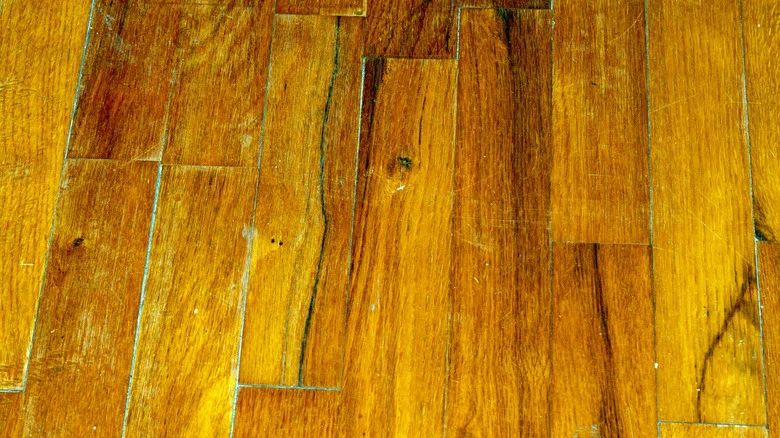
Simple at-home checks for residue, scratches, and finish breakdown
Rub the floor with a dry microfiber cloth. If the cloth picks up a gray or cloudy film, buildup may be the main issue. If the surface looks better after wiping with plain water and drying, the dullness is probably mostly residue.
Next, inspect the floor under angled light. Fine scratches, worn traffic paths, or a patchy sheen often point to finish wear. If the floor has etching marks, white spots, or permanent cloudy patches, cleaning alone may not restore the original look.
Signs the floor is still safe to mop versus signs of deeper damage
If the floor is flat, firm, and only looks dull, it is usually safe to clean with a compatible product. If it squeaks, feels soft, shows swelling, or has lifting edges, stop and investigate further.
Water-reaction signs matter too. Darkening, bubbling, curling, or a spongy feel can mean moisture damage. In those cases, mopping more aggressively can make the problem worse rather than better.
Practical examples: cloudy kitchen vinyl, worn hallway hardwood, and etched bathroom tile
Cloudy kitchen vinyl is often caused by cleaner residue or grease film, so a careful reset clean may help. Worn hallway hardwood may be dull because the finish has simply worn thin in the traffic path. That floor may need recoating more than scrubbing.
Etched bathroom tile is different again. If the dull areas are from mineral deposits or acidic product damage, a standard mop may not fix them. The right solution may involve a specialty cleaner, sealer maintenance, or professional restoration. [Source: Britannica]
Best Ways to Clean Dull Floors Without Making Them Worse
The safest approach is usually the simplest one: remove loose soil, use a compatible cleaner, and keep moisture under control. Stronger is not better if the floor is already sensitive.
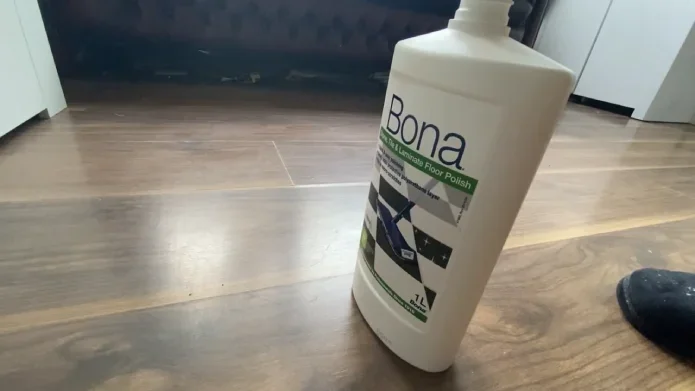
pH-safe cleaners, microfiber mops, and controlled moisture use
Choose a cleaner that matches the floor type and finish. pH-safe products are often the safest starting point for wood, laminate, sealed stone, and many tile surfaces.
A microfiber mop helps lift film without soaking the floor. Use a lightly damp pad rather than a dripping one, and change the pad if it starts spreading dirt instead of removing it. If you want a broader routine, our how to mop a floor properly guide covers the basics.
Step-by-step cleaning approach for buildup, soap film, and everyday grime
Sweep, dust mop, or vacuum so grit does not scratch the surface while you clean.
Follow the label closely. Too much product can leave a film that makes floors look dull again.
Clean a manageable area, then dry it with a clean microfiber cloth if needed to prevent streaking or residue.
If the floor still looks hazy, stop and reassess. Repeated cleaning can sometimes spread buildup instead of removing it.
When to use a restorative cleaner or polish and when to avoid it
Restorative cleaners and polishes can help when dullness is caused by light buildup or minor surface wear. They can also improve appearance on some resilient floors if the product is made for that exact surface.
Be cautious with polishes on wood, laminate, and stone. A product that adds shine can leave an uneven finish, create slip issues, or make future cleaning harder. If the floor already has a coating issue, a polish may hide the problem temporarily instead of solving it.
Test any new cleaner in a small hidden area first. If the patch dries clearer and does not leave streaks, it is a safer candidate for the full floor.
Common Cleaning Mistakes That Make Floors Look Duller
Many dull floors get worse because the cleaning method leaves behind film, moisture, or surface damage. A floor can look cleaner for an hour and then dry back to a cloudy finish if the wrong product was used.
Overusing vinegar, bleach, wax, or all-purpose sprays on the wrong surface
Vinegar can damage some finishes and is not a universal fix. Bleach is also too harsh for many floor types and can discolor or weaken surfaces over time.
Wax is another common trap. It can build up on floors that are not meant to be waxed, and some all-purpose sprays leave a residue that attracts more dirt. If you are unsure about a product, check whether it is made for your exact floor type before using it.
Too much water, dirty mop heads, and leaving cleaner residue behind
Excess water can dull a floor by leaving streaks, spotting, or swollen edges. Dirty mop heads can spread grime back across the surface and create the same cloudy look you were trying to remove.
Cleaner residue is one of the most common causes of repeat dullness. If the floor feels tacky after mopping, the issue may be over-application or incomplete rinsing rather than a problem with the floor itself. For more on that, see why floors get sticky after mopping.
Using abrasive pads or steam on finishes that cannot handle them
Abrasive scrub pads can scratch glossy finishes, soft vinyl, and some coated surfaces. Once the finish is scratched, the floor may look permanently dull in the damaged area.
Steam can also be risky on wood, laminate, and some vinyl products. Heat and moisture may push into seams or weaken the finish. If the manufacturer does not clearly approve steam, it is safer to avoid it.
Do not keep scrubbing a dull floor with stronger and stronger products. If the dullness is caused by wear, etching, or sealer failure, extra cleaning can create more damage instead of improving the surface.
Cost and Effort Comparison: Clean, Restore, Recoat, or Replace?
The right choice depends on whether the dullness is superficial or structural. Sometimes a careful cleaning is enough. In other cases, the most cost-effective answer is to restore the finish or replace the floor section.
Low-cost fixes for dullness caused by buildup or poor maintenance
If the problem is residue, dusty film, or mild soap buildup, a proper reset clean is usually the lowest-cost option. This may also include switching to a better mop, cleaner, or rinse routine.
These fixes are often worth trying first because they are low risk and can improve appearance quickly. They also help you avoid paying for repairs before confirming that the floor is actually damaged. [Source: Wikipedia]
Mid-range options like polishing, recoating, or deep restoration
When the finish is worn but the floor is still sound, recoating or professional restoration may make more sense than replacement. This is especially true for hardwood, some stone, and certain sealed surfaces.
Polishing can help some floors, but it is not a universal solution. The wrong polish can make maintenance harder or leave a slippery film, so product compatibility matters more than the promise of extra shine.
When replacement becomes the smarter long-term choice
Replacement may be the better option when the floor has widespread water damage, deep scratches, failing seams, or a surface that can no longer be restored safely. It also becomes more reasonable when repairs would cost nearly as much as a new install.
For expensive or specialty materials, it is worth getting a second opinion before replacing anything. A professional may be able to confirm whether the floor needs repair, recoating, or full replacement.
Cleaning is usually the cheapest path when dullness comes from buildup. Restoration or recoating can offer better long-term value when the finish is worn but the floor structure is still in good shape.
When to Ask a Flooring Professional Before Using Dull Floors Again
Some dull floors are simple maintenance problems, but others are warning signs. If the floor is expensive, old, or unusual, a professional opinion can save money and prevent avoidable damage.
Persistent haze, discoloration, soft spots, squeaks, or lifting edges
If haze keeps returning after proper cleaning, the issue may be deeper than residue. Discoloration, soft spots, squeaks, or lifting edges can point to moisture damage, adhesive failure, or subfloor problems.
Those signs are especially important in kitchens, bathrooms, and entryways, where water exposure is more likely. In those cases, cleaning should not be the only plan.
Special cases: natural stone etching, damaged sealers, and unknown finishes
Natural stone can etch in ways that look like dullness but behave more like surface damage. Damaged sealers may also leave the floor vulnerable to staining and faster wear.
If you do not know the finish or coating, be careful with any product that promises shine, stain removal, or deep restoration. Unknown finishes are one of the clearest situations where professional guidance is worth considering.
What a pro can diagnose that DIY cleaning cannot
A flooring professional can usually tell whether the dullness is from buildup, finish wear, sealer failure, or actual material damage. That distinction matters because each problem needs a different solution.
They can also help with warranty-sensitive floors, specialty stone, and surfaces that may react badly to common cleaners. If you are unsure, a diagnosis is often cheaper than trial-and-error cleaning.
Final Recap: Safe, Effective Next Steps for Dull Floors
So, can you use dull floors safely? Usually yes, if the floor is still structurally sound and the dullness is caused by residue, wear, or maintenance issues. The safest next step is to identify the floor type, use a compatible cleaner, and stop if the surface shows signs of deeper damage.
Quick decision guide for homeowners based on floor type and dullness cause
If the floor is wood, laminate, vinyl, tile, stone, or concrete, start with gentle cleaning and minimal moisture. If the dullness improves after a proper reset, the issue was likely maintenance-related. If it does not improve, the finish or surface may need restoration.
Key takeaways for keeping floors safe, clean, and visually improved
For ongoing care, a consistent routine matters more than occasional heavy cleaning. If you want to reduce buildup before it turns into haze, our daily floor cleaning guide can help you keep floors looking clearer between deeper cleanings.
Frequently Asked Questions
Usually yes, if the floor is structurally sound and the dullness is mostly from residue or finish wear. Use a floor-safe cleaner and avoid excess water.
Common causes include cleaner residue, dirty mop water, soap film, mineral deposits, and worn finish. Some floors also look dull because of etching or surface damage.
It can be safe if you use a lightly damp mop and a cleaner made for wood floors. Avoid soaking the surface, since too much moisture can damage seams and edges.
Not always. Vinegar can damage some finishes and is not a safe choice for every floor type, especially stone and certain coated surfaces.
If the floor has worn finish, patchy sheen, or traffic-lane dullness that cleaning does not improve, refinishing or recoating may be needed. A professional can help confirm the cause.
Usually no unless the manufacturer specifically allows it. Steam can push moisture into seams and may damage some vinyl and laminate products.
