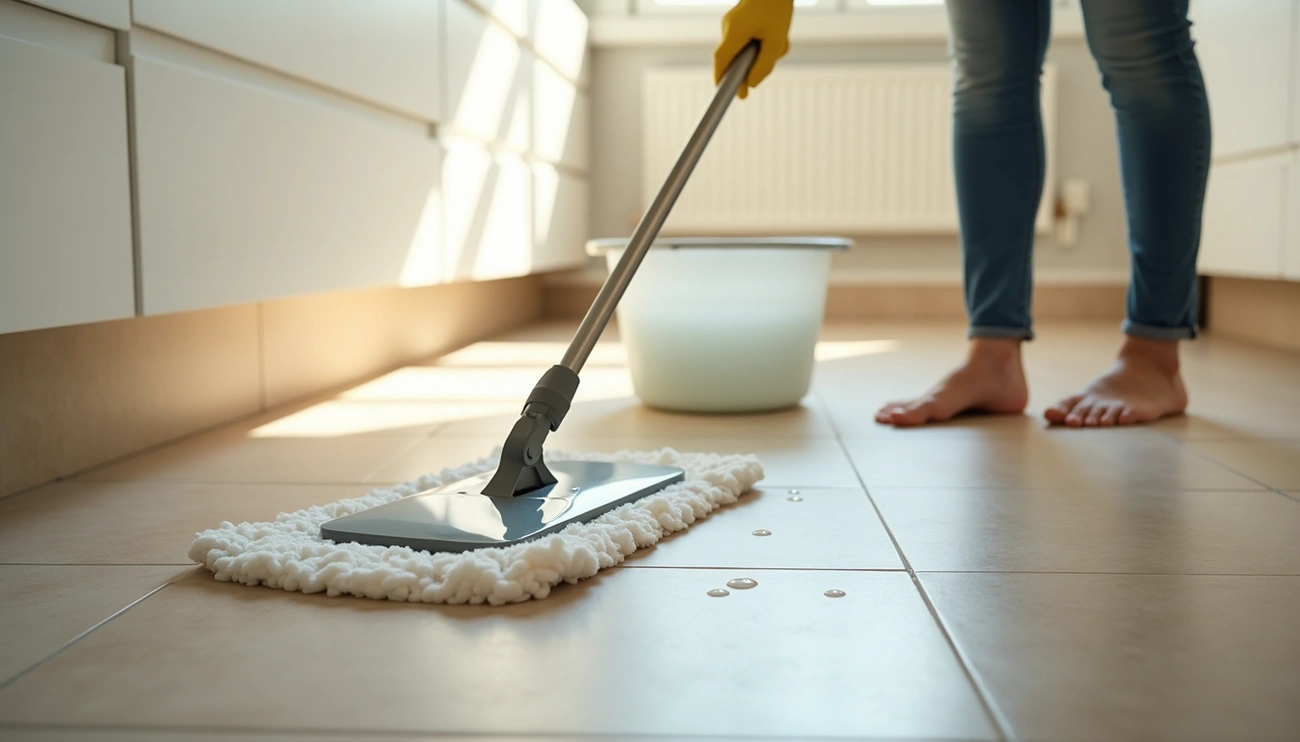
Mop porcelain tile floors by sweeping or vacuuming to remove loose dirt, then cleaning with warm water and a pH-neutral cleaner or mild dish soap. Use a microfiber mop for best results. Rinse with plain water to prevent haze, and dry with a clean cloth to avoid water spots.
What You’ll Need to Mop Porcelain Tile Floors
Gathering the right supplies before you start will make the job easier and protect your porcelain surfaces from damage.
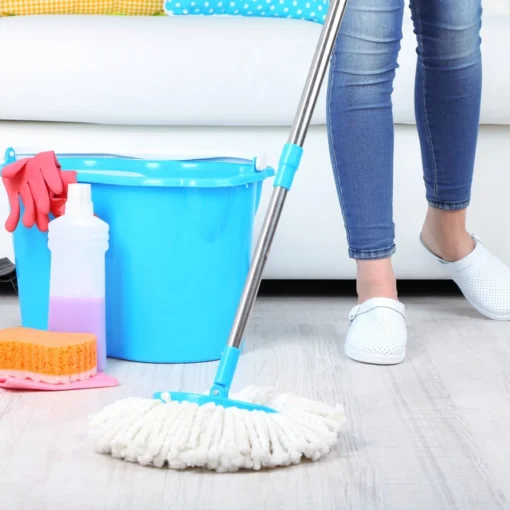
Essential Mopping Tools
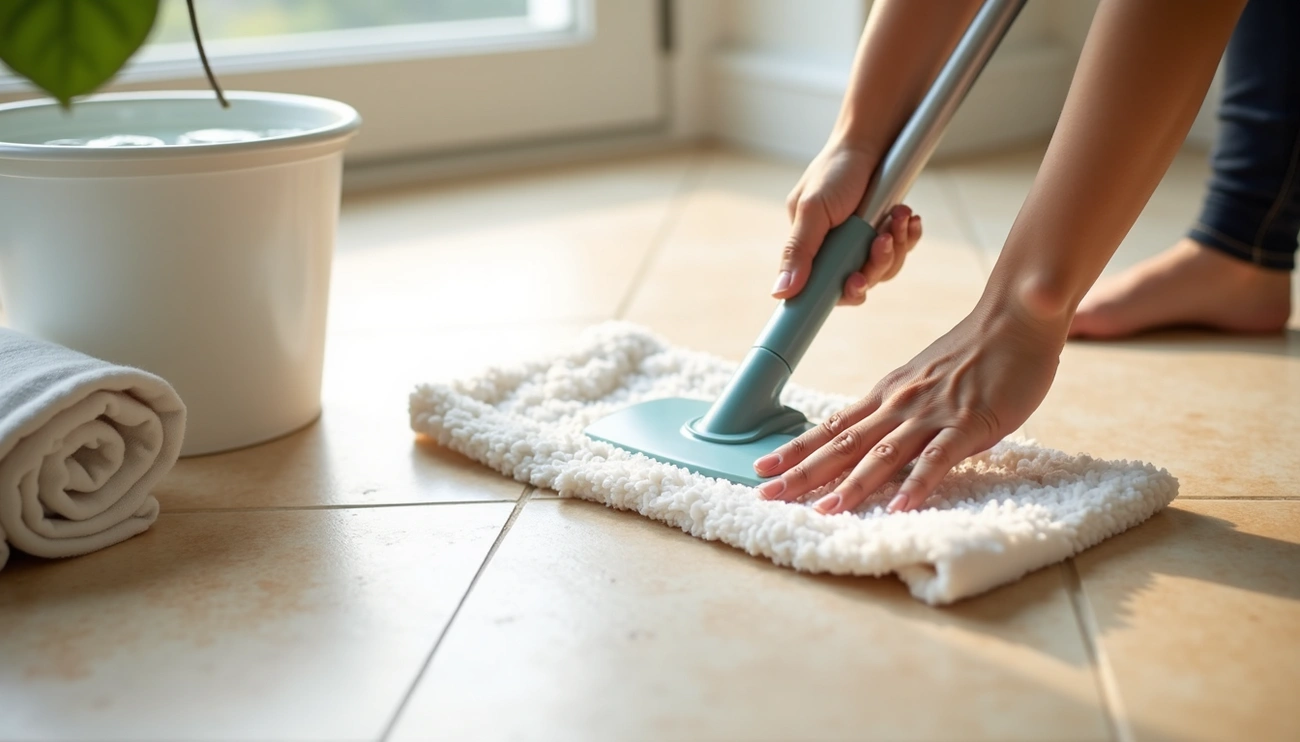
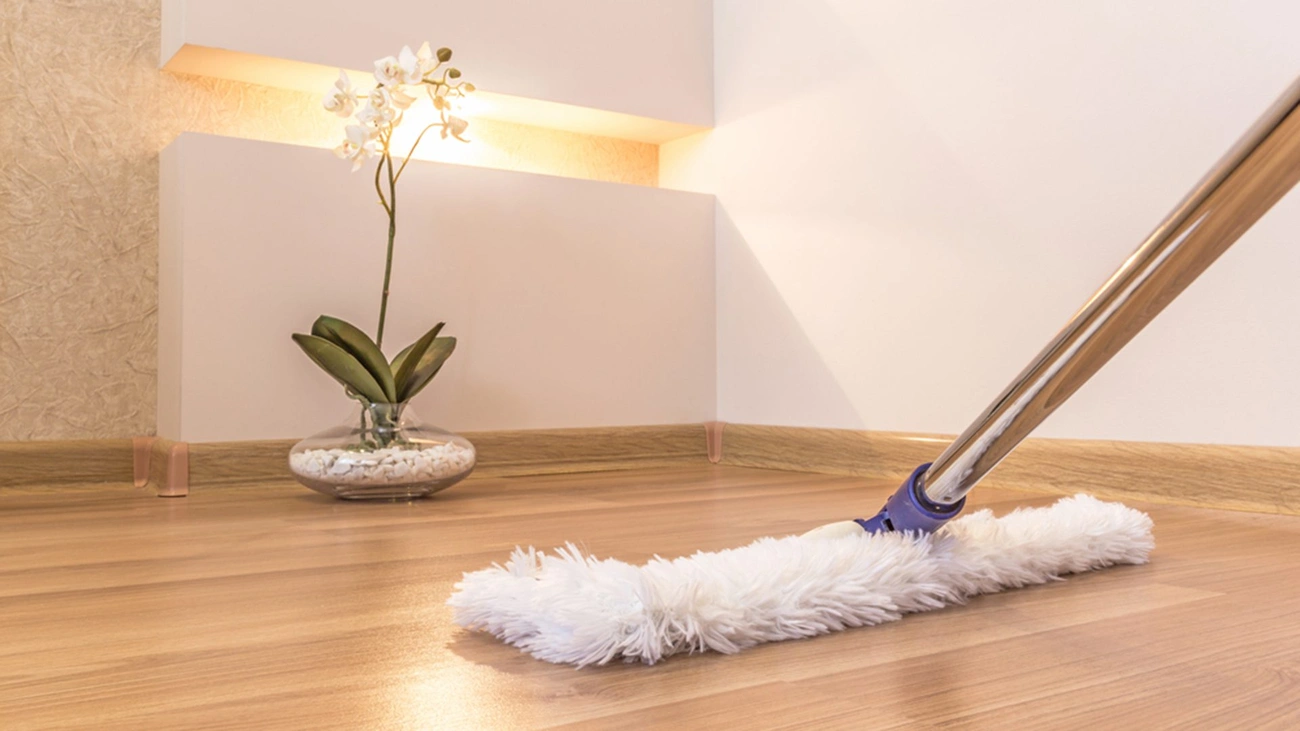
A microfiber mop stands out as the best option for porcelain tile floors. Microfiber lifts dirt without scratching delicate surfaces, and genuine microfiber mopheads remove 99% of bacteria with just water. Flat mops work better than sponge mops, which can push dirty water into grout lines and leave them looking dingy.
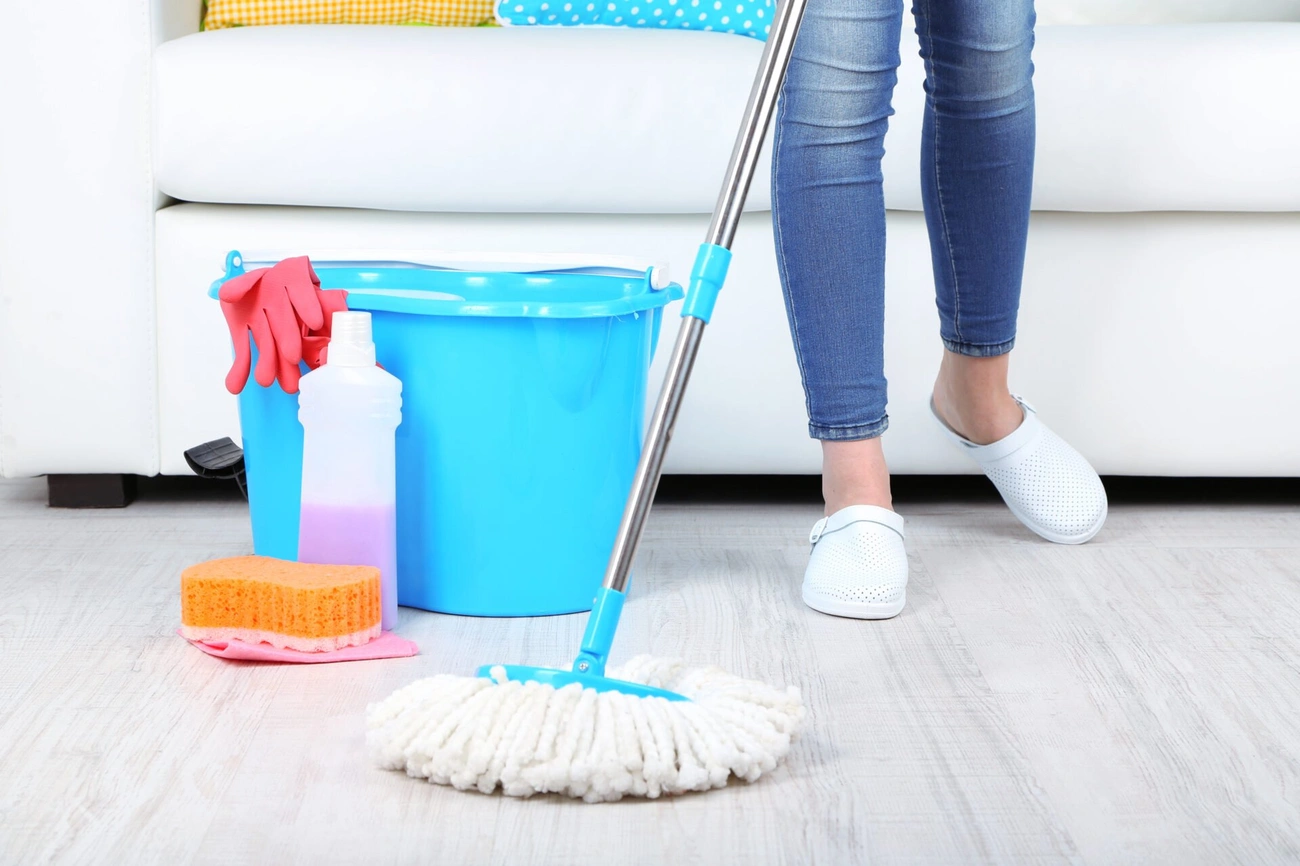
For areas like bathrooms, a spin mop system with a two-bucket setup separates clean and dirty water, so you’re always mopping with fresh solution. The foot pedal on spin mops allows hands-free wringing, giving you control over moisture levels and preventing water spots.
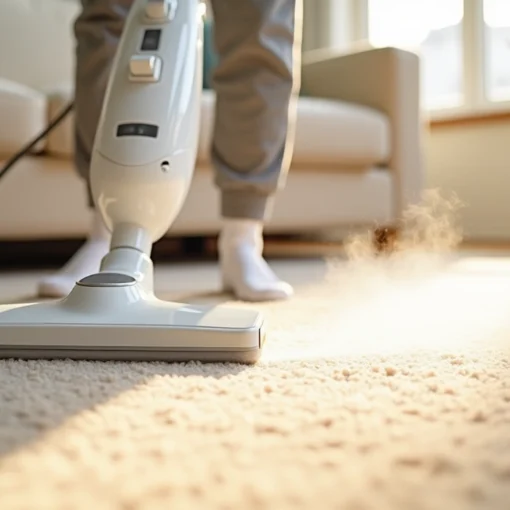
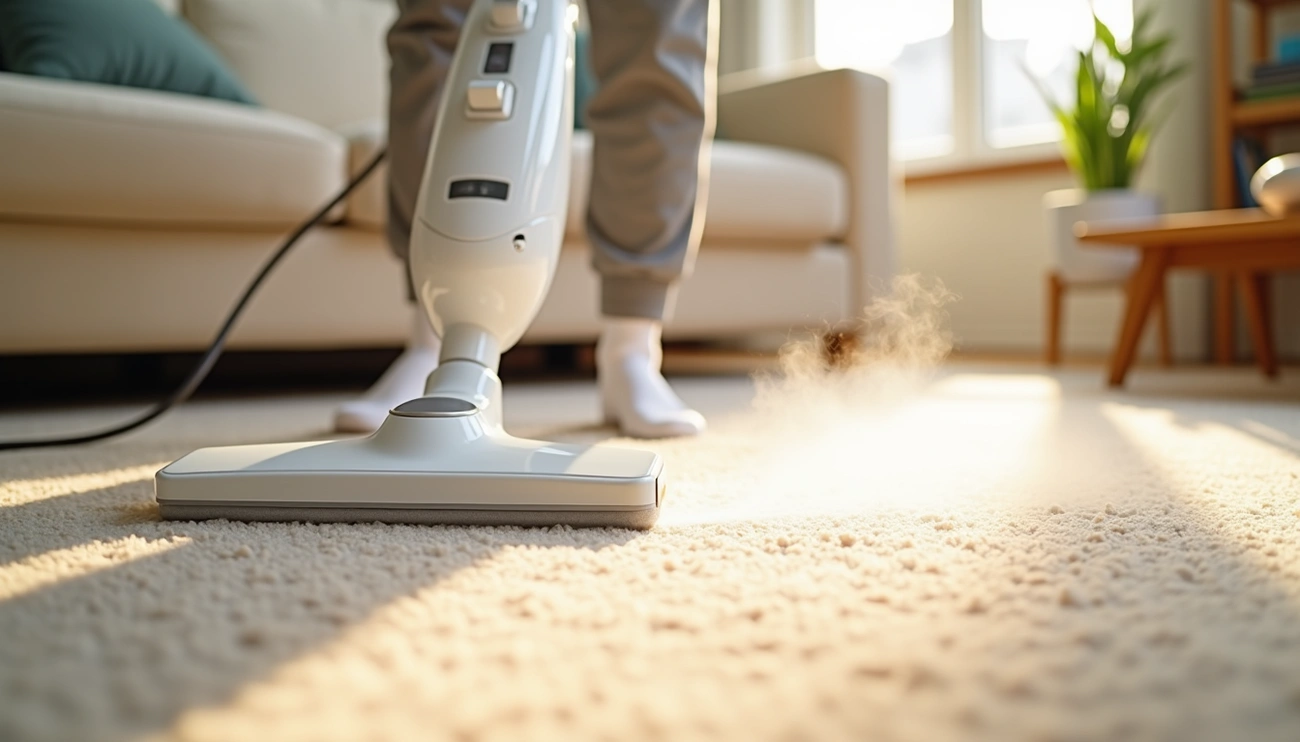
You’ll also need a bucket for mixing cleaning solutions and a soft-bristle broom or vacuum for pre-cleaning. When vacuuming, skip the beater bar attachment since it can scratch tile surfaces.
Best Cleaner for Porcelain Tile Floors
Warm water alone works great for routine cleaning. For tougher jobs, mix warm water with a small amount of mild soap or dish soap. Similarly, you can create an effective DIY solution by adding ¼ cup of distilled white vinegar per gallon of warm water.
Choose pH-neutral, non-acidic cleaners specifically formulated for porcelain tile. These products remove dirt and stains without damaging the tile’s surface or grout. Avoid cleaners containing acids, ammonia, bleach, or harsh chemicals, as these can damage grout and glazed surfaces.
Specialized porcelain tile cleaners follow manufacturer instructions and deliver consistent results. What’s more, some modern cleaning products use hard-working enzymes to dissolve stubborn dirt molecules without harsh residues.
Optional Cleaning Supplies
Rubber gloves protect your hands when using any cleaning product, even mild solutions. A soft-bristled brush or non-abrasive sponge helps tackle grout lines and textured surfaces without scratching. Microfiber cloths work well for drying floors and buffing surfaces to prevent water spots. For stubborn stains, baking soda paired with an old toothbrush provides gentle scrubbing power without damaging your tiles.
Preparing Your Porcelain Tile Floor for Mopping
Proper preparation saves time and delivers better results when learning how to mop porcelain tile floors.
Sweep or Vacuum First
Removing loose dirt, dust, and debris prevents these particles from being spread around during mopping. Sweeping or vacuuming eliminates materials that could scratch your tile surface or get pushed into grout lines, creating a cleaner base for mopping.
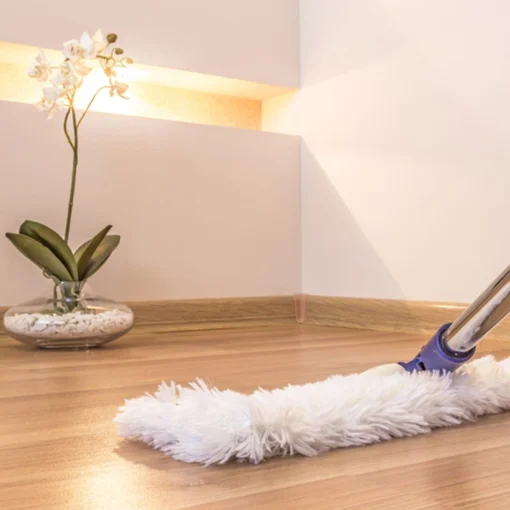
Use a soft-bristle broom when sweeping porcelain tiles. Hard bristles can leave visible scratch marks over time. For vacuuming, select a model without a beater bar attachment, as this rotating brush can damage tile surfaces. A dry dust mop with a microfiber pad works exceptionally well due to its static electricity that attracts dust particles.
Pay attention to grout lines during this step. Debris stuck between tiles weakens grout and causes discoloration if left unattended.
Remove Stains Before Mopping
Spot treating stains before mopping ensures they receive adequate attention and don’t become permanent. Different stain types require specific approaches for effective removal.
Inorganic stains need acidic cleaners, while organic stains (from ammonia, grease, oil, wine, beer, tire marks, adhesive tape, or marker) respond better to alkaline cleaners. For stubborn spots on glazed porcelain, apply warm water with vinegar at half strength, allow it to sit for ten minutes, then rinse with clean warm water.
Spray cleaner directly onto problem areas and use a soft brush to work it in. Let the solution soak for approximately fifteen minutes before wiping up residue with warm water and a cloth. This waiting period allows the cleaner to break down the stain effectively. Baking soda paste mixed with equal parts water works well for persistent stains like coffee or red wine.
Clear the Area
Remove boxes, chairs, and other objects from the floor before beginning. Obstacles create frustration during cleaning and can get damaged by cleaning agents. Clearing the space also prevents you from missing spots hidden under furniture, ensuring thorough coverage of your entire porcelain tile floor.
How to Mop Porcelain Tile Floors: Step-by-Step Guide
Follow these steps for the best way to clean porcelain tile floors without leaving residue or damaging surfaces.
Step 1: Mix Your Cleaning Solution
In a bucket, combine warm water with a small amount of mild detergent or dish soap. Dilute the cleaner according to manufacturer’s instructions for optimal results. Fill a second bucket with clean water for rinsing your mop during the cleaning process. This two-bucket system prevents spreading dirty water across your floor.
Step 2: Start Mopping from the Far Corner
Begin mopping at the farthest corner of the room and work your way backward toward the exit. This approach prevents you from stepping on freshly cleaned areas and allows you to leave the room without tracking footprints across wet tiles.
Step 3: Use the Right Mopping Technique
Dip your microfiber mop into the cleaning solution and squeeze out excess water. The mop should be damp rather than dripping wet, as too much water makes drying difficult. Work in overlapping sections to ensure complete coverage, including corners. Rinse the mop frequently in your clean water bucket to avoid redistributing dirt. Apply even pressure during mopping and cover the entire floor systematically.
Step 4: Rinse If Needed
After mopping with your cleaning solution, rinse the floor with clean water to remove any residue. Cleaner left on the surface can stain tiles and cause them to fade. Use a clean mop dampened with plain water to go over the entire floor, changing the water as it becomes dirty.
Step 5: Dry the Floor
Wipe down the floors with a cleaning cloth or microfiber towel to prevent water spots. Some porcelain tiles show spots after air drying, thus wiping eliminates this issue. Setting up a fan or opening windows promotes airflow and speeds up the drying process.
Step 6: Clean Grout Lines
Use a nylon grout brush or toothbrush to scrub grout lines with grout cleaner. Let the cleaner sit according to manufacturer instructions before scrubbing. Repeat if necessary for stubborn discoloration.
Expert Tips for Mopping Different Porcelain Tile Areas
Different rooms require tailored approaches when learning how to mop tile floors effectively.
Mopping Kitchen Porcelain Tiles
Kitchens demand more frequent attention due to grease and spills. Control moisture levels using a spin mop with a foot pedal for hands-free wringing, which prevents water spots and maintains tile shine. Start by sweeping or vacuuming to remove loose crumbs and debris before mopping.
Mopping Bathroom Porcelain Tiles
Bathrooms require special care because of humidity and soap buildup. Wet-clean bathroom tile floors once a week to avoid germ buildup. A two-bucket spin mop system works well here, separating clean and dirty water so you’re always mopping with fresh solution. Switch out mopheads when moving to different rooms to avoid spreading germs.
Mopping High-Traffic Areas
Mudrooms and entryways need cleaning 2-3 times a week for best results. These areas collect more dirt that can scratch or degrade tiles. Place doormats both inside and outside entrances to minimize debris tracked onto floors.
How Often to Mop Porcelain Tile Floors
Mop bathroom porcelain tiles once weekly and other areas once every two weeks for consistently beautiful flooring. High-traffic zones require more frequent cleaning to prevent grime buildup. Between deep cleanings, spot clean floors to keep stains and watermarks at bay.
Conclusion
You now have everything you need to keep your porcelain tile floors looking spotless for years to come. The key to maintaining beautiful tiles, in essence, comes down to using the right tools, proper cleaning solutions, and consistent maintenance schedules.
Start implementing these techniques today, and you’ll notice the difference immediately. As long as you stick to gentle, pH-neutral cleaners and avoid harsh chemicals, your porcelain floors will reward you with lasting shine and durability.