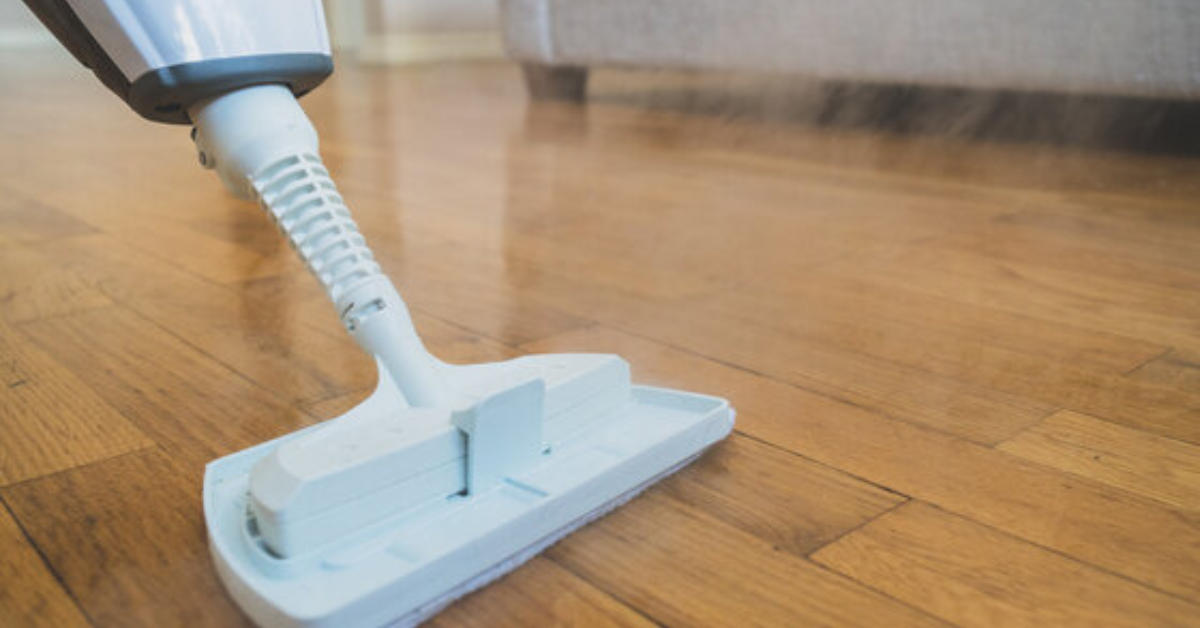
No, a steam mop is not good for wood floors. Steam mops release heat above 200°F (93°C) and high moisture, which can cause warping, swelling, discoloration, and finish damage. Many hardwood floor manufacturers prohibit steam cleaning because it can void warranties. Use a damp microfiber mop with minimal water to protect wood flooring.
How Steam Mops Work on Floors
The Steam Cleaning Process
Steam mops heat water from an internal reservoir to create pressurized steam that’s released through a mop head. The process starts when you fill the water tank and plug in the device. Water heats to at least its boiling point at 212 degrees Fahrenheit. Most models take about 30 seconds to heat up and feature a ready light that indicates when the steam has reached optimal temperature.
Once heated, the steam travels through internal channels and gets released onto the floor through a cleaning pad. The steam penetrates microscopic pores on floor surfaces, breaking down dirt, grease, and grime on contact. A microfiber pad attached to the mop head lifts and traps the loosened debris. Because the steam is pressurized as it leaves the nozzle, it delivers enough force to emulsify stubborn residues that you simply wipe away.
Temperature and Moisture Levels
Steam mops generate temperatures between 140 and 275 degrees Fahrenheit. Some heavy-duty models can reach more than 375 degrees Fahrenheit, hot enough to kill dust mites, fleas, bed bugs, and other pests. Water boils and produces steam at 212 degrees Fahrenheit, and temperatures between 140 and 150 degrees are sufficient to kill bacteria and viruses, though the effect isn’t instantaneous.
Steam output matters just as much as temperature. The steam production rate typically ranges from 25 to 30 grams per minute. This level provides strong cleaning power while keeping drying time short. Consequently, floors dry much faster than traditional mopping methods. The steam evaporates quickly, meaning you won’t wait for floors to dry.
Why Steam Mops Are Popular
Steam mops eliminate the need for chemical detergents and work with water alone. The high-temperature steam kills most bacteria and dust mites without harsh chemicals. This makes them appealing for homes with children, pets, or anyone concerned about chemical exposure.
They’re also faster than traditional mopping. You skip the steps of dragging around a bucket of water and wringing out a drippy mop. During testing, steam mops generally perform better on certain messes like coffee stains, mustard, and ketchup. The convenience factor stands out because you can quickly pull out a steam mop for touch-ups instead of hauling out a full bucket.
Can You Use a Steam Mop on Hardwood Floors?
The Short Answer: It Depends
Many manufacturers and flooring associations don’t recommend steam cleaners on hardwood floors. Using one could void your warranty, warp your floors, or cause damage. Before you steam clean, check your flooring manufacturer’s care guide, as many explicitly void warranties if steam is used.
The question of whether steam cleaning hardwood floors is safe hinges on your floor type and condition. Not all hardwood responds the same way to heat and moisture.
Sealed vs. Unsealed Hardwood
Most modern hardwood floors are sealed at the factory, creating a protective barrier against moisture and dirt. Sealed floors have a protective finish that resists moisture penetration. There are three main types: polyurethane offers a glossy or satin finish where water beads on top, aluminum oxide is found on prefinished or engineered hardwood and is extremely durable, and acrylic or factory-sealed finishes are often applied in commercial settings or on engineered planks.
To test if your floor is sealed, drop a small amount of water onto an inconspicuous area. If it beads up like tiny pearls, your floor is sealed. If the water spreads out or absorbs into the wood, it isn’t sealed.
Unsealed or waxed wood will absorb moisture instantly. These floors require dry cleaning methods only.
Solid Hardwood vs. Engineered Hardwood
Solid hardwood is a single piece of wood throughout. It can be more vulnerable to moisture, especially if it’s older, refinished, or has micro-cracks.
Engineered hardwood is made of layers with a hardwood veneer on top. Many manufacturers of engineered flooring allow light steam cleaning, provided the floor is well sealed and undamaged.
When Steam Mopping Might Be Acceptable
Some engineered hardwood products, especially factory-sealed varieties, may permit occasional use under tightly controlled conditions. This typically includes using the lowest steam setting, continuous motion, and a follow-up dry mop. However, even in these cases, steam should never be used on floors with visible wear, open seams, or in environments with excessive humidity.
The Risks of Using Steam Mops on Wood Floors
Water Damage and Warping
Steam penetrates through minute joints, seams, and cracks in flooring planks. Once inside, moisture causes wood to swell and change shape. Wood contains straw-like tubes that carry water, and these tubes continue to work even after the tree becomes your floor. Moisture content below 30% causes wood to change dimensions, discolor, warp, or distort.
Boards can cup (edges higher than center), warp, or buckle as moisture enters and exits. Steam moves through floor cracks more easily than water, penetrating below the sealer. Real wood responds to moisture by expanding, contracting, warping, cupping, or gapping. Even sealed floors face risk if they have invisible micro-cracks.
Heat-Related Finish Damage
Steam mops expose wood to temperatures exceeding 210°F. Polyurethane finishes and hardwood expand at different rates when heated. Under steam mopping, the polyurethane finish can expand more rapidly than the hardwood below, leading to the urethane breaking away from the wood.
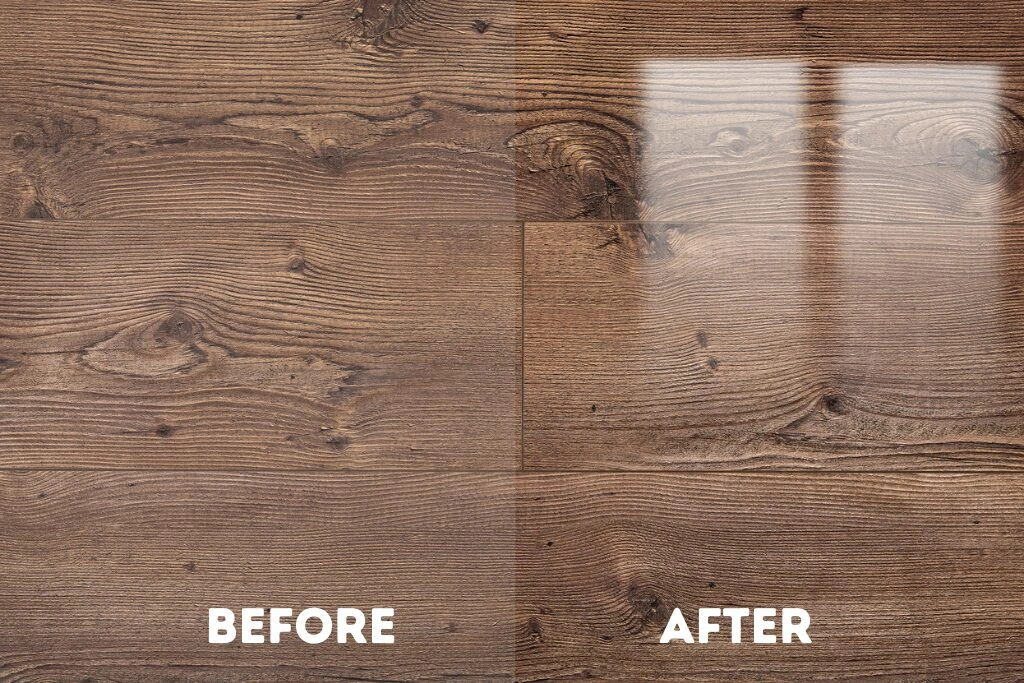
The heat accelerates finish aging. Manufacturers test coating longevity by heating them up, cooling them down, getting them moist, then drying them out. By repeating this cycle with each steam cleaning, you create micro-fissures and microscopic cracks that allow moisture to flow into the wood. The first sign of steam damage is usually a haze across the entire floor.
Voided Warranties
Major brands like Bruce, Shaw, Armstrong, and Mohawk publish maintenance guides that discourage or prohibit steam mops. Using steam to clean hardwood flooring will void the warranty, even on sealed or engineered boards. Many manufacturers explicitly exclude damage caused by moisture and heat.
Long-Term Structural Issues
Damage doesn’t always appear immediately. Repeated exposure to heat and moisture builds up, leading to finish breakdown, discoloration, and shortened lifespan. Once moisture sinks deep, even refinishing may not fully fix the damage.
Safe Ways to Clean Hardwood Floors Without Steam
Microfiber Mopping
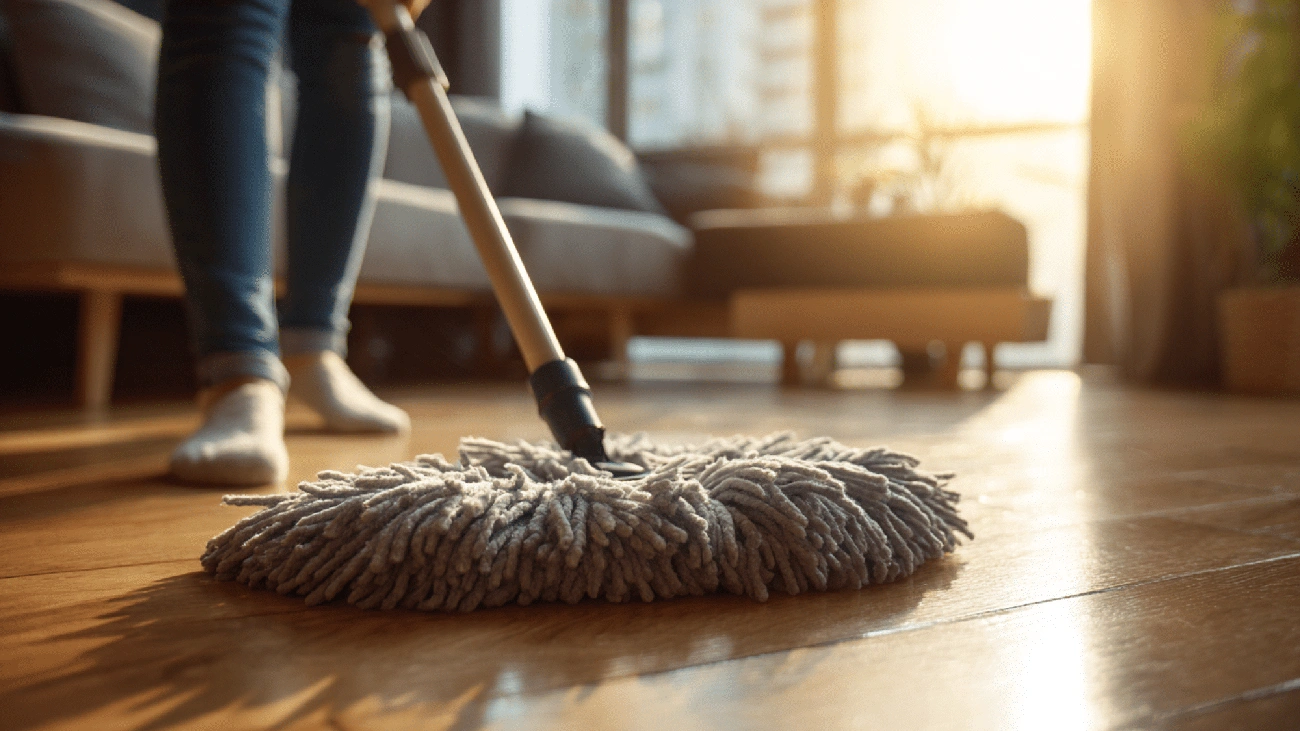
Microfiber mops protect hardwood better than any steam alternative. The soft fibers won’t scratch surfaces, and they’re reusable up to 500 times. Microfiber pads contain more fibers than conventional mops, giving them superior capacity to hold dirt and liquids. The fiber shape acts like a squeegee, scraping up and collecting debris. For daily cleaning, use a dry microfiber dust mop to remove dirt and prevent scratches.
Hardwood-Specific Cleaners
Bona Hardwood Floor Cleaner ranks as a top choice among professionals. It’s pH-neutral, dries quickly, and leaves no residue. Spray a small 3-foot by 3-foot area and pick up dissolved dirt with your microfiber mop. Skip vinegar entirely. The acidic solution damages or dulls certain hardwood finishes. Avoid harsh detergents, ammonia, bleach, and products designed for vinyl or tile.
Proper Damp Mopping Technique
Wring most water out of your mop prior to cleaning. The mop should be damp, never sopping wet. Standing water remains the worst threat to hardwood. Fill a bucket with water only, squeeze surplus water from your mop, then glide it over floors. Mop following the wood grain to prevent streaks. High-traffic areas need mopping once weekly.
When to Call Professional Cleaners
Deep clean hardwood every one to two months as needed.
Conclusion
Steam mops pose serious risks to your hardwood investment. While some engineered floors might tolerate occasional use, the potential for warping, finish damage, and voided warranties simply isn’t worth it. Instead, stick with microfiber mops and hardwood-specific cleaners like Bona. These safer methods protect your floors without the gamble. Your hardwood deserves care that preserves its beauty for years to come, not shortcuts that could lead to expensive repairs down the road.