
Patio Tiles vs Balcony Floor Which Is Best for You

Patio tiles are usually the better choice for durability, heavier use, and easier rinsing, while balcony flooring is often better for lighter weight and flexible installation. The best option depends on structure, drainage, slip resistance, and how much maintenance you want.
When homeowners compare patio tiles vs balcony floor, they are usually trying to solve the same problem in two very different spaces: how to get a surface that looks good, feels safe underfoot, and is easy to maintain. The best choice depends less on style alone and more on structure, weather exposure, drainage, and how much cleaning you are willing to do.
At FloorsMop, Emma Whitmore takes a practical view: patios and balconies may both be outdoors, but they do not behave the same way. A patio can often handle heavier materials and more water runoff, while a balcony usually needs lighter, more compact, and more waterproof-friendly solutions.
- Durability: Patio tiles usually handle heavier traffic and harsher weather better.
- Balcony safety: Lightweight, slip-resistant flooring is often smarter for balconies.
- Cleaning: Patios can usually be rinsed more freely; balconies need tighter moisture control.
- Cost: Modular balcony systems often cost less upfront, but upkeep still matters.
- Professional check: Ask about structure, waterproofing, and weight limits before installing balcony flooring.
Patio Tiles vs Balcony Floor: What Homeowners Really Mean by the Comparison
In everyday conversation, “patio tiles” usually means a durable outdoor surface built for a ground-level or slab-supported space. “Balcony floor” often refers to a smaller elevated area where weight, waterproofing, and drainage matter more than people expect.
So the comparison is not really tile versus floor. It is usually a question of which outdoor surface is better for a specific setting, cleaning routine, and climate. That is why the answer can change from one home to another.
A balcony surface may look simple from above, but the layers underneath can be more important than the visible finish. If waterproofing or structural limits are involved, surface choice should be made carefully.
Key Differences Between Patio Tiles and Balcony Flooring in 2025
Load-bearing limits, weather exposure, and drainage needs
Patios usually have more freedom when it comes to material weight because they are built on a slab or ground-supported base. Balconies, especially on upper floors, can have stricter load-bearing limits, which makes heavy stone or thick pavers a less obvious choice.

Weather exposure also changes the decision. A patio may get direct rain, dirt, garden debris, and hose cleaning. A balcony often faces wind-driven moisture, more frequent puddling, and faster debris buildup in a smaller area.
Drainage is another major difference. Patio surfaces can often be sloped and rinsed more freely, while balcony floors must protect the structure below. If water cannot move away properly, it can lead to staining, mildew, or damage to the waterproof layer.
Slip resistance, texture, and safety in wet conditions
Outdoor surfaces need traction, but the right amount of texture depends on where you walk. Patio tiles can use more textured finishes because there is usually more space and more stable footing. On a balcony, a very rough surface may trap dirt, while a very smooth one may become slippery in rain.
For both spaces, slip resistance matters most when the surface is wet. That includes rain, cleaning water, plant runoff, and morning condensation. If you are comparing finishes, look for a balance between grip and cleanability rather than choosing the roughest texture available.
Do not assume that a tile is safe just because it is labeled outdoor-friendly. A glossy finish, poor slope, or algae buildup can still make it slippery.
How size, shape, and access affect installation and cleaning
Patios are often easier to install in larger formats because there is more room for layout, cutting, and drainage planning. Balconies are usually tighter spaces with railings, thresholds, and awkward corners that can complicate both installation and cleaning.
Access also affects maintenance. A patio can often be swept, rinsed, and spot-treated with fewer obstacles. A balcony may require more careful hand cleaning around drains, edges, and furniture legs, especially if the area is narrow or exposed to windblown dust.
Best Flooring Options for Patios vs Balconies
Porcelain patio tiles, stone pavers, and outdoor ceramic
For patios, porcelain patio tiles are often a strong option because they are durable, easy to rinse, and available in many outdoor-rated finishes. Stone pavers can also work well, especially when a natural look is desired and the base can support the weight.
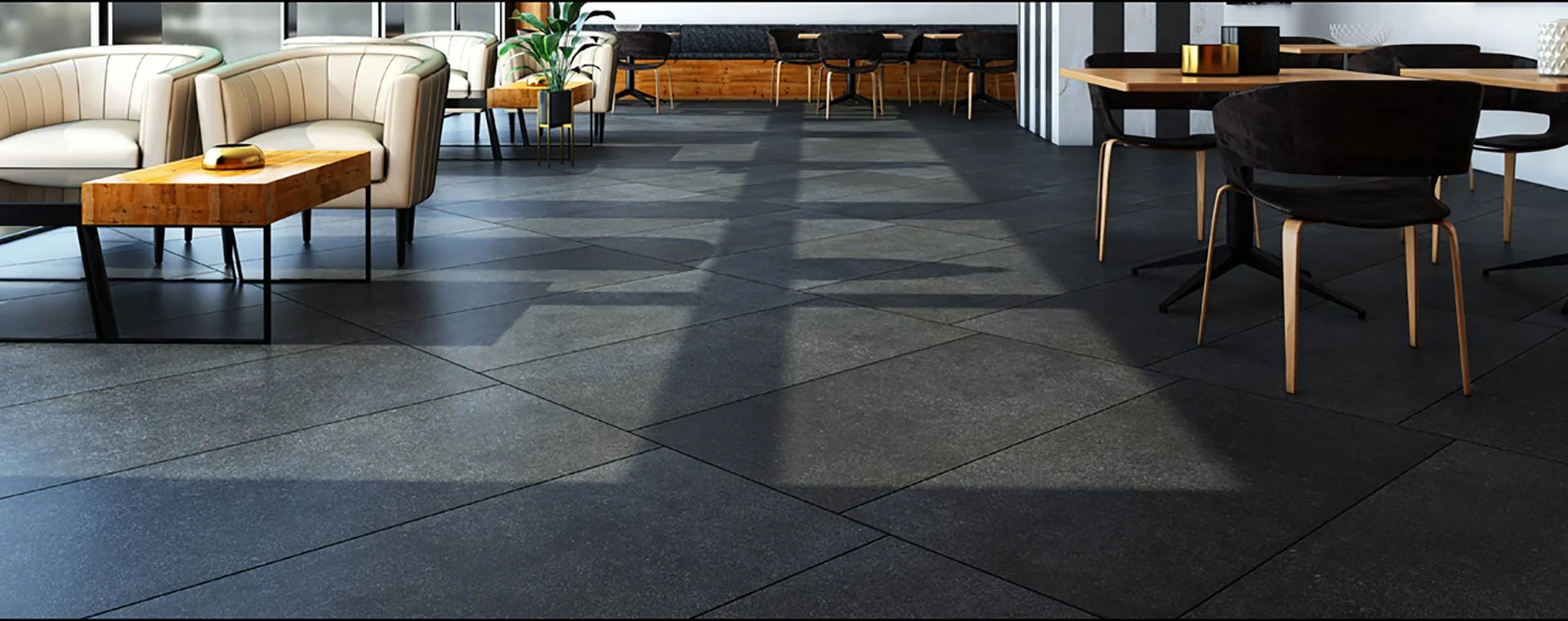
Outdoor ceramic may be suitable in some patio settings, but it depends on the product’s frost resistance, surface texture, and installation quality. Not every ceramic tile is made for the same level of exposure, so product labeling matters.
For patio tiles, remove grit before rinsing. Dry debris acts like sandpaper and can make the surface look dull over time, especially on smoother finishes.
Balcony-friendly options: interlocking deck tiles, composite, and lightweight tiles
Balcony flooring often benefits from modular systems such as interlocking deck tiles, composite planks, or lightweight outdoor tiles. These options can be easier to install, remove, and replace than permanent heavy materials.
They are especially useful when you want a cleaner look without major construction. Many renters prefer these systems because they can improve comfort and appearance while staying more temporary than bonded tile work.
If your balcony has waterproofing concerns, a floating or raised system may be more practical than a fully adhered surface. Still, any product should be checked for drainage compatibility and manufacturer guidance.
Which materials perform better in small urban balconies
Small urban balconies usually need flooring that is light, quick to clean, and not too thick at the threshold. Interlocking tiles and composite surfaces often make more sense than heavy stone because they are easier to manage in tight spaces. [Source: Family Handyman]
That said, the best choice depends on how the balcony is used. A tiny balcony used for a chair and a plant rack may need a different surface than one used for dining, pets, or regular foot traffic.
| Method / Product | Best For | Be Careful With |
|---|---|---|
| Porcelain patio tile | Durable patios with frequent cleaning | Very slick glossy finishes and poor drainage |
| Stone pavers | Large patios with strong support | Weight, staining, and uneven settling |
| Interlocking deck tiles | Balconies and rental-friendly upgrades | Debris under tiles and trapped moisture |
| Composite balcony flooring | Low-maintenance urban balconies | Heat retention and product-specific cleaning limits |
Cleaning and Maintenance: What Each Surface Needs
Routine sweeping, rinsing, and stain removal on patio tiles
Patio tiles usually benefit from a simple routine: sweep away grit, rinse when needed, and treat stains before they settle. Mud, leaf tannins, food spills, and outdoor grease can all leave marks if they sit too long.
For most patio surfaces, a mild cleaner and soft brush are safer than aggressive scrubbing. If grout is present, it may need extra attention because it tends to collect dirt faster than the tile surface itself.
If you are looking for a simple maintenance rhythm, a daily floor cleaning guide can help you build habits that keep outdoor surfaces from getting ahead of you.
Moisture control and debris management on balcony floors
Balcony floors usually need more moisture control than patios because water has fewer places to go. Standing water can leave marks, make surfaces slippery, and encourage mildew around edges or seams.
Windblown dust, pollen, and plant debris also collect quickly on balconies. That means frequent dry cleaning is often more useful than heavy washing. In many cases, a broom, vacuum with the right attachment, or dry microfiber tool is enough for regular upkeep.
When cleaning a smaller outdoor space, it helps to avoid over-wetting. If you need a refresher on safe moisture habits, see how to dry a floor after mopping for techniques that translate well to compact balcony areas.
Common cleaning mistakes that damage grout, coatings, or waterproof membranes
One of the biggest mistakes is using too much water on a balcony floor. Even if the surface looks sealed, excess moisture can work into seams, edges, or drainage points and cause long-term problems.
Another common issue is using harsh cleaners on delicate finishes. Strong chemicals can dull coatings, weaken grout, or leave residue that attracts more dirt. That is especially important on surfaces that are already exposed to sun and weather.
For both patios and balconies, avoid abrasive tools that can scratch the finish. If a surface starts looking dull or cloudy after cleaning, it may be a sign that residue or damage is building up, not that the floor needs more force.
- Regular sweeping and spot cleaning
- Gentle rinsing on well-drained patios
- Low-moisture cleaning on balconies
- Excess water near balcony edges
- Harsh cleaners on sealed or coated surfaces
- Abrasive pads that can scratch outdoor finishes
Cost Comparison: Installation, Replacement, and Long-Term Care
Upfront material and labor costs for patios
Patio projects often cost more when you choose heavier materials or a more complex installation. Labor can rise if the base needs leveling, drainage work, or detailed cutting around borders and landscaping.
Natural stone and premium outdoor porcelain can both be excellent choices, but they are not always the most budget-friendly. The real cost depends on surface prep, product quality, and how much of the work must be done by a professional.
Long-term value is not only about the purchase price. A surface that cleans easily, resists damage, and avoids frequent repairs can be cheaper over time even if the upfront cost is higher.
Budget-friendly balcony upgrades and modular flooring systems
Balcony upgrades are often more affordable when they use modular flooring systems. These can reduce labor, avoid major construction, and allow individual pieces to be replaced if one section wears out.
That flexibility is one reason renters and apartment owners often choose floating or interlocking options. The tradeoff is that modular systems may need more frequent checking for trapped dirt, shifting pieces, or moisture underneath.
How maintenance costs change over time
Over time, patio tiles may require grout care, sealing in some cases, or replacement of cracked pieces. Balconies may cost less to install at first, but they can still need periodic adjustment, cleaning underneath modular tiles, or repairs to waterproofing-related issues.
The lowest-cost choice upfront is not always the lowest-cost choice long term. A floor that traps dirt, stains easily, or fails in wet weather can become expensive simply because it needs more frequent cleaning and earlier replacement.
Which Option Fits Your Space, Climate, and Lifestyle?
Families, pets, entertaining, and high-traffic outdoor use
If your outdoor area gets heavy use, patio tiles often make more sense because they can handle furniture, foot traffic, and regular rinsing more comfortably. Families and pet owners usually want a surface that is durable, easy to sweep, and not easily damaged by claws, spills, or muddy shoes.
For entertaining, the best surface is one that stays stable under chairs and cleans up quickly after food or drink spills. If your patio is large enough, a more permanent tile or paver system may offer better long-term convenience. [Source: Britannica]
Renters, apartment balconies, and temporary flooring choices
Renters usually need flexibility first. Balcony-friendly systems such as interlocking deck tiles or lightweight modular flooring can improve comfort without major changes to the structure underneath.
These options are especially useful if you may move later or need to remove the flooring for maintenance. Just make sure the product does not trap moisture or block drainage, which can create cleaning and safety issues.
If your balcony is part of a shared building, it is also wise to understand any surface restrictions before installing anything new. When in doubt, ask the property manager or a flooring professional before adding weight or changing the existing floor layer.
Hot, rainy, coastal, and freeze-thaw climates
Climate can matter as much as style. Hot climates may make some composite and dark-colored surfaces uncomfortable underfoot, while rainy or coastal areas demand better drainage and resistance to moisture-related buildup.
Freeze-thaw weather adds another layer of concern. Materials that absorb water can crack or shift when temperatures change, so outdoor-rated products and proper installation become especially important.
- Sweep away grit before washing
- Check for standing water after rain or cleaning
- Remove leaves and plant debris quickly
- Use the mildest cleaner that gets the job done
- Inspect grout, seams, or modular joints regularly
When to Ask a Flooring Professional Before You Choose
Structural concerns, waterproofing issues, and uneven surfaces
You should ask a flooring professional before choosing a balcony surface if there are any concerns about weight, slope, waterproofing, or existing damage. These issues can affect both safety and how easy the floor is to clean later.
Uneven surfaces, soft spots, cracked substrate layers, or drainage problems are not just cosmetic issues. They can make a new floor fail early or create hidden moisture damage underneath the visible finish.
Signs your balcony needs expert inspection before cleaning or installation
If your balcony already shows peeling coatings, persistent dampness, moldy odors, loose tiles, or water pooling near the edges, it is time for an inspection before major cleaning or installation. Scrubbing harder is not the solution if the problem is structural.
This is also the right moment to ask about product compatibility. Some cleaners, sealers, or tile systems can interfere with waterproof membranes or warranties, so expensive surfaces deserve a careful check before you proceed.
Final Verdict: Choosing Between Patio Tiles and Balcony Floor for the Best Results
Practical recap for durability, maintenance, and safety
For most homes, patio tiles are the stronger choice when you want durability, easier rinsing, and a surface that can handle heavier use. Balcony flooring usually wins when weight, waterproofing, and compact installation matter more than permanence.
The best decision is the one that matches the structure and the cleaning routine. A beautiful surface that is hard to maintain or unsafe when wet is rarely the best long-term option.
Emma Whitmore’s quick recommendation by use case
If you have a family patio, I would lean toward outdoor-rated porcelain or similar durable tile systems, assuming the base and climate are suitable. If you have a balcony, especially in an apartment or rental, lightweight modular flooring is often the safer and more practical starting point.
In short, patio tiles are usually best for strength and long-term outdoor wear, while balcony floors are usually best for flexibility and structural caution. If you want the easiest path to good cleaning results, choose the surface that fits the space first, then build your maintenance routine around it.
Frequently Asked Questions
Not always. Patio tiles are usually better for durability and heavy use, while balcony flooring is often better for lighter weight and easier installation.
A safe wet balcony floor needs good slip resistance and proper drainage. The best option depends on the existing structure, finish, and how much water exposure the area gets.
Sometimes, but not without checking structural limits first. Balconies can have weight restrictions, so a professional should confirm whether the surface can support heavy materials.
Sweep grit first, then use a mild cleaner and soft brush as needed. Avoid harsh chemicals and abrasive pads unless the product instructions say they are safe.
Modular interlocking tiles or lightweight composite systems are often easiest to maintain. They are simple to remove, replace, and clean, but they still need moisture and debris checks.
Ask a professional if you see cracks, pooling water, loose surfaces, waterproofing concerns, or uncertain weight limits. Those issues can affect safety and long-term performance.
