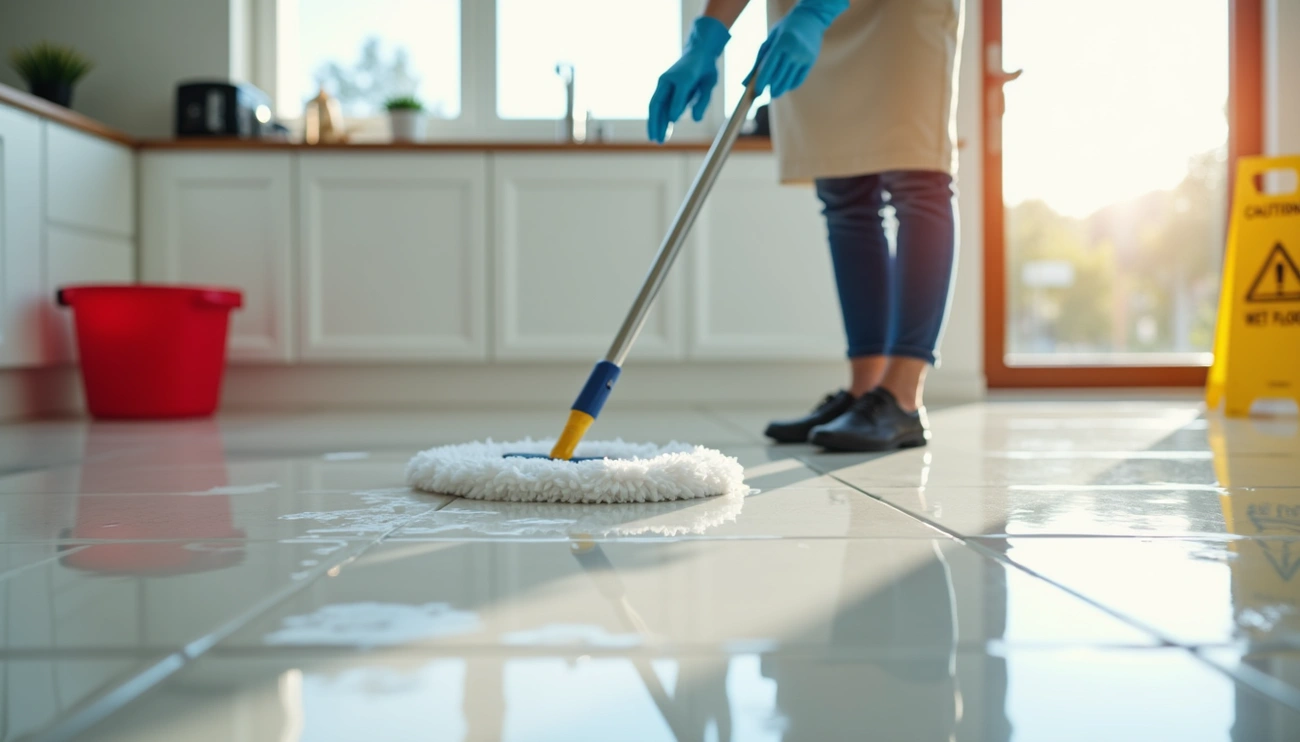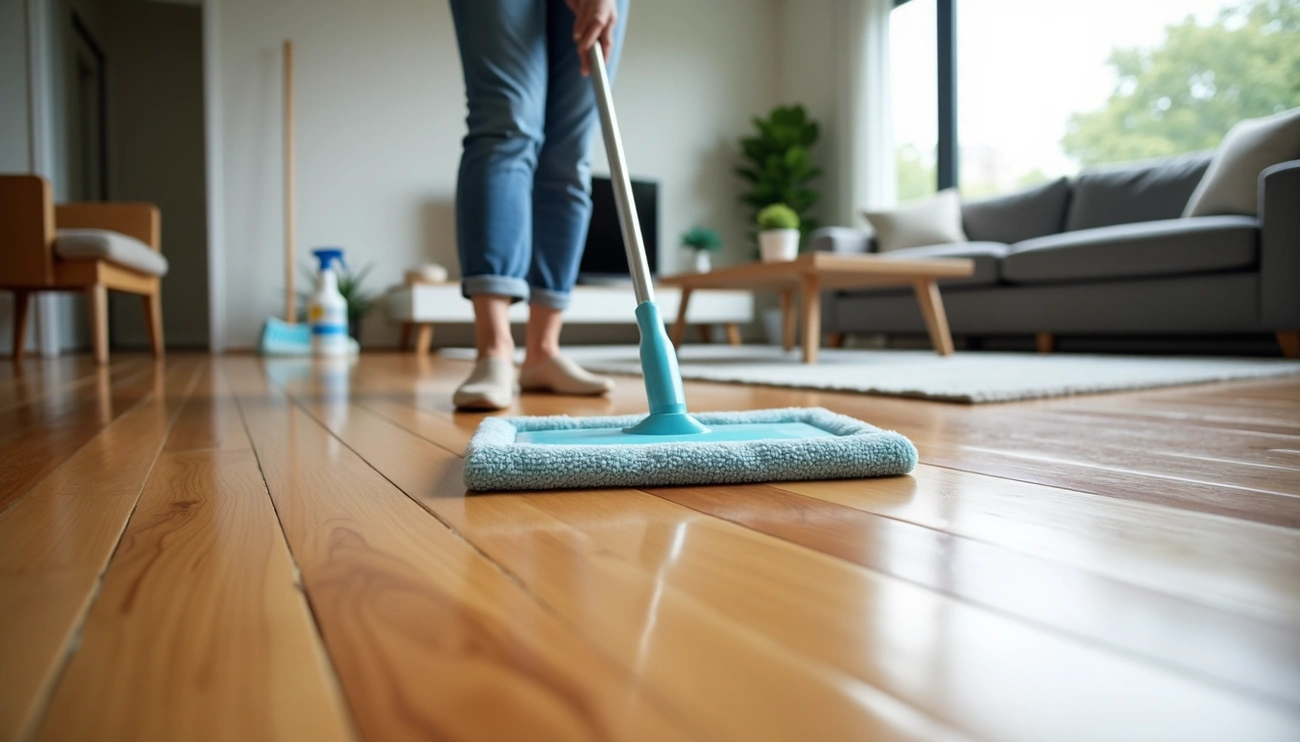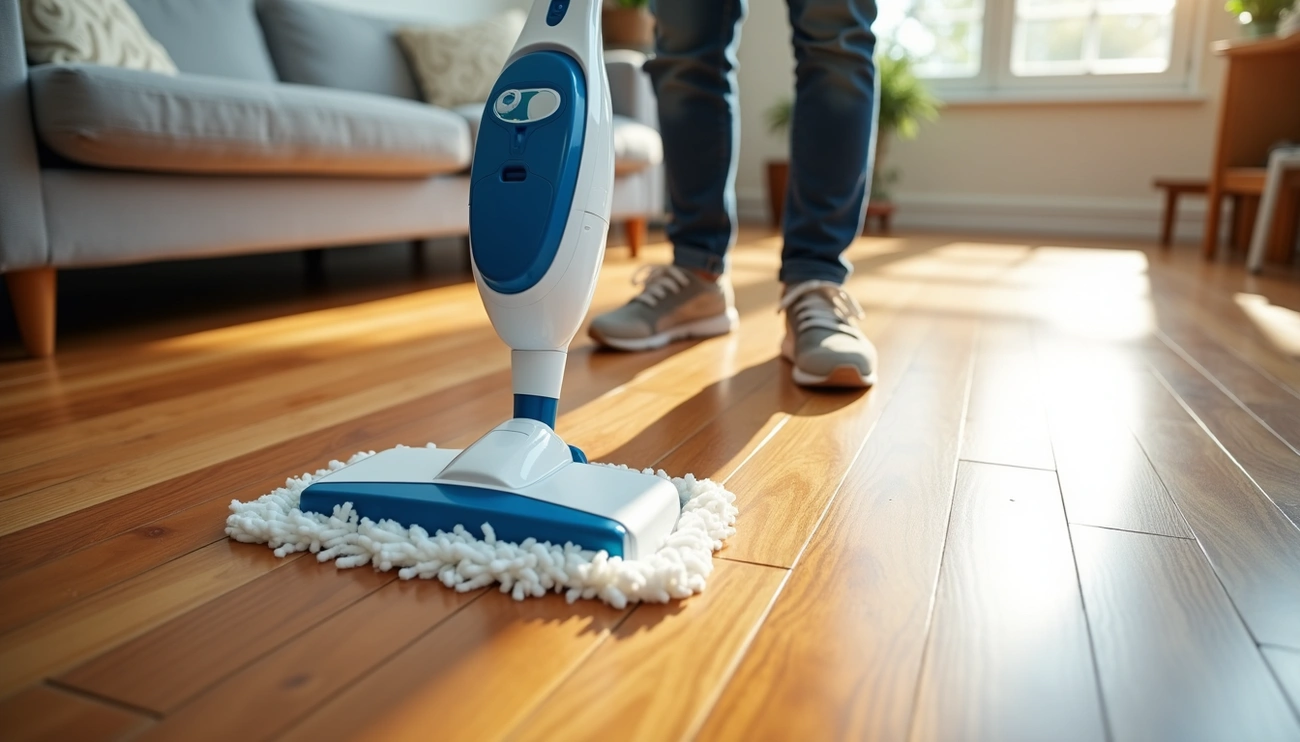
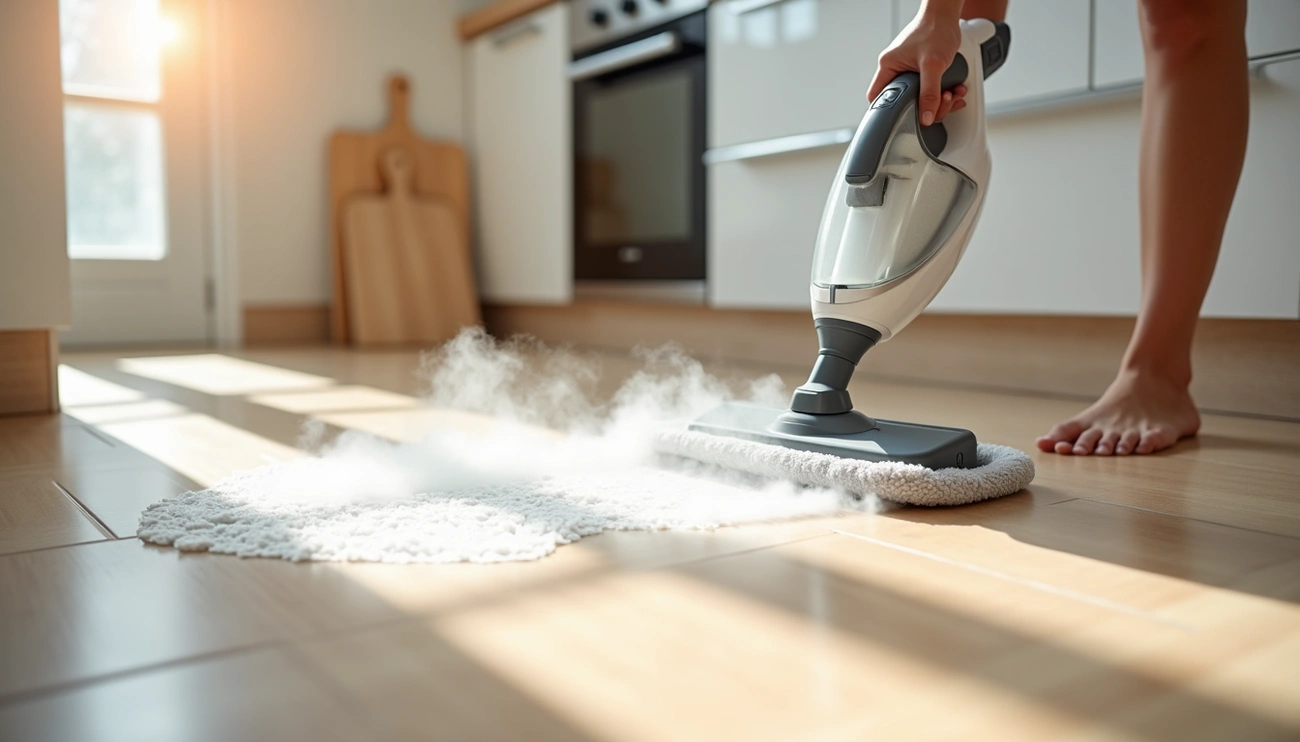
Steam mops clean and sanitize hard floors using high-temperature steam above 200°F (93°C). The steam kills most bacteria and dust mites without harsh chemicals. It loosens grime, dirt, and stubborn stains, which a reusable microfiber pad absorbs. Steam mops work best on sealed surfaces such as tile and vinyl.
What Is a Steam Mop and How Do Steam Mops Work
A steam mop runs on electricity and uses water vapor to clean and sanitize hard surfaces throughout your home. In essence, this cleaning appliance transforms ordinary water into a powerful sanitizing agent through heat and pressure.
Basic components of a steam mop
Every steam mop relies on three core components working together:
- Water tank: Stores the water supply and feeds it to the heating system. Manufacturers typically use heat-resistant polymers that withstand the intense temperatures needed to create steam safely.
- Heating element: An internal boiler that superheats the water to generate steam output. The body of most steam mops uses high-grade plastic, offering durability while remaining lightweight.
- Mop head: Features a microfiber pad that glides over floors, absorbing dirt and grime. Microfiber excels at trapping debris and can be washed and reused multiple times.
You’ll also find a handle, power cord, control interface, and indicator lights on most models. Some units include variable steam controls and replaceable cleaning pads for different surfaces.
The steam generation process
When you fill the tank with water (distilled water prevents mineral buildup), the heating element activates once you switch on the device. The water heats up quickly, converting to steam within 30 seconds to one minute[4]. An indicator light signals when the mop reaches optimal temperature and stands ready for use.
Once heated, pressurized steam channels through nozzles onto the microfiber pad. The combination of heat and pressure loosens dirt on contact while the absorbent pad picks up debris. The entire process uses only water, eliminating the need for chemical cleaners.
Temperature and sanitization power
Steam mops generate temperatures ranging from 200 to 300 degrees Fahrenheit. In order to kill germs effectively, your steam mop needs to reach around 212 degrees Fahrenheit. The intense heat breaks down the molecular structure of microorganisms, destroying their cell walls.
Consequently, this eliminates common household bacteria like E. coli and Salmonella, plus harmful viruses including influenza. You’ll need to hold the steam focused on an area for at least 8 to 10 seconds to achieve complete disinfection. Not all steam mops reach temperatures necessary for proper sanitization, so checking temperature specifications matters when selecting a model.
What Do Steam Mops Do: Core Functions and Steam Mop Benefits
Steam mops deliver multiple cleaning benefits that go beyond basic floor maintenance. Understanding these core functions helps you determine whether this tool fits your household needs.
Sanitizing and killing bacteria
High-temperature steam eliminates 99.9% of bacteria, dust mites, mold spores, and other harmful microorganisms. The heat destroys common household pathogens including E. coli, Salmonella, and even drug-resistant strains like MRSA. This sanitizing power proves especially valuable in kitchens, bathrooms, and areas where germs accumulate.
Removing dirt and grime
Steam penetrates deeply into surface pores and microscopic crevices where traditional mopping fails. The high heat loosens dirt and makes it easy to wipe away. Steam mops generally do a better job cleaning up certain messes like coffee stains, mustard, and ketchup than traditional mops.
Dissolving grease and sticky residues
Steam at temperatures above 100°C re-liquefies grease on contact, breaking its grip so a microfiber pad can wipe it away cleanly. High-temperature vapor softens and loosens dried-on spills without the soaking time that cold or warm water requires. What impressed us most was how effectively steam removed sticky residues in kitchens without any scrubbing.
Chemical-free cleaning
Steam cleaning relies solely on heated water to eliminate dirt and grime without harsh chemicals. This chemical-free approach creates a safer environment for homes with children and pets. Additionally, steam cleaning eliminates exposure to potentially harmful cleaning products and doesn’t release volatile organic compounds into the air.
Quick drying times
Floors dry in approximately 30 seconds after steam mopping. Most floors dry within 2 to 5 minutes after steam cleaning, compared to 15 to 30 minutes with traditional mopping. This quick drying time reduces slip hazards and allows you to walk on floors almost immediately after cleaning.
Best Surfaces and Uses for Steam Mops
Understanding how to use a steam mop effectively means knowing which surfaces benefit from steam cleaning and which ones require different care methods.
Tile and grout cleaning
Ceramic and porcelain tile floors respond exceptionally well to steam mopping. The mop cleans tile surfaces and grout simultaneously, leaving a streak-free, disinfected finish. Steam carries heat into grout lines and helps dirt rise out for easier removal. Rather than dirty water settling into grout lines, steam doesn’t leave residue behind.
Professional tile cleaners consider steam mopping the safest method for any tile and grout surface. However, unsealed grout lines present a concern. Steam can weaken unsealed grout over time, leading to cracking. Sealing grout helps tiles remain clean longer and makes cleaning easier.
Sealed hard floors
Sealed hardwood floors can withstand moisture and heat from steam mops when the sealer remains in good condition. Dry steam contains less than 5% water and will not damage sealed wood. You should attach a thick microfiber cloth to your steam cleaner’s rectangular tool to insulate steam and retain excess moisture.
Porous surfaces like sealed concrete work well with steam mopping, as steam extracts dirt and build-up with ease.
Kitchen and bathroom applications
Steam cleaners degrease kitchen equipment, ovens, refrigerators, sinks, countertops, and BBQs effectively. In bathrooms, steam sanitizes toilets and showers while removing soap scum and mineral residue. After handling raw meat, poultry, or fish, steam kills lingering bacteria on counters.
Surfaces to avoid with steam mops
Several flooring types cannot handle steam’s heat and moisture:
- Unsealed or waxed hardwood: Moisture causes warping and cupping
- Laminate flooring: The core swells, causing edges to lift and warp
- Vinyl and linoleum: Heat softens adhesive layers and causes bubbling
- Natural stone: Steam removes sealants and penetrates porous stone
- Engineered hardwood: Layers may delaminate due to adhesive failure
Steam Mop vs Regular Mop: Understanding the Differences
Choosing between these two cleaning tools depends on understanding how they differ in function, performance, and practical application.
Cleaning method comparison
Steam mops heat water to approximately 200-245°F, creating pressurized steam directed onto floor surfaces. Unlike steam cleaning, traditional mopping involves dampening a mop head in a bucket of water mixed with cleaning solution, then manually scrubbing the floor surface. The cleaning comes from combining chemical agents with physical scrubbing action.
Sanitization effectiveness
Steam reaches temperatures that kill 99.9% of bacteria, dust mites, and allergens without chemicals. Regular mops can also sanitize effectively provided that you pick the right cleaning solution and microfiber mop head. However, double-dipping into dirty water and scrubbing with an over-soggy mop head can spread germs.
Water usage and drying time
Steam cleaning leaves minimal moisture behind, with floors drying in 2-5 minutes. Traditional mopping requires 15-30 minutes for complete drying. Steam mops use significantly less water compared to filling buckets.
Cost and maintenance considerations
Steam mops cost $50 to $150, while regular mops with buckets and supplies cost under $10. Ongoing costs differ: traditional mopping requires purchasing cleaning solutions at $3-15 per bottle, whereas steam cleaning needs replacement pads at $10-20 every few months plus minimal electricity.
When to choose each option
Stick with regular mopping for large liquid spills, tight budgets, or delicate floors sensitive to heat. Switch to steam for sealed tile floors when chemical-free sanitization matters most.
Conclusion
Steam mops offer a powerful, chemical-free way to clean and sanitize your floors using nothing but heated water. They excel on sealed tile and hardwood surfaces, delivering quick drying times and eliminating 99.9% of germs. While it may be true that traditional mops work better for certain situations, steam cleaners provide superior sanitization for most households. Choose the option that matches your floor type and cleaning priorities, and you’ll achieve spotless results every time.