
Why Busy Parents Schedule Leaves Floors Sticky Explained

Busy parents often end up with sticky floors because rushed cleanups, tracked-in dirt, and too much cleaner leave residue behind. The best fix is a simple, floor-safe routine that uses less water, the right product, and regular spot cleaning.
Sticky floors are frustrating, especially when you are trying to keep up with meals, homework, laundry, and bedtime at the same time. For many families, the issue is not that floors are never cleaned; it is that rushed routines, the wrong products, or too much moisture leave behind residue that feels tacky underfoot.
This guide explains why busy parents schedule leaves floors sticky, what is really happening in high-traffic family spaces, and how to clean faster without creating more buildup. The goal is a practical routine that fits real life and works with your floor type, not against it.
- Residue is common: Sticky floors often come from cleaner film, not just spills.
- Traffic zones matter: Kitchens, hallways, and play areas get sticky fastest.
- Floor type counts: Wood, laminate, tile, and vinyl each need different care.
- Less is better: Light moisture and correct dilution usually clean more effectively.
- Get help when needed: Persistent stickiness can signal finish or moisture issues.
Why Busy Parents Schedule Leaves Floors Sticky: The Real-World Causes Behind the Mess
In busy homes, sticky floors usually come from a mix of everyday life and cleaning shortcuts. Kids track in spills, shoes bring in moisture and dirt, and quick mopping can spread residue instead of removing it.
That is why the problem often shows up in the same places again and again: kitchens, hallways, entryways, and play areas. These are the rooms that collect food, dust, and damp footprints fastest, so they also reveal cleaning mistakes fastest.
Another common issue is product buildup. If a cleaner is too concentrated, not rinsed when needed, or used with a dirty mop head, it can leave a thin film that feels sticky after the floor dries. For a deeper look at that specific issue, see our guide on why floors stay sticky after mopping.
How Family Routines Create Sticky Floors in Hallways, Kitchens, and Play Areas
Family routines create a cycle of mess that is easy to miss in the moment. One spill gets wiped quickly, another gets walked through, and the residue spreads to the next room before anyone notices.

Food spills, juice drips, and snack crumbs that get tracked around
Sticky spots often begin with small food messes. Juice, syrup, milk, fruit snacks, and sauces can dry into a light film that attracts dust and dirt.
Children also tend to carry crumbs from the table to the sofa, from the kitchen to the hallway, or from the car to the front entry. Even if the crumbs are dry, they can mix with mop water later and create a dull, tacky surface.
School bags, shoes, and outdoor dirt mixing with moisture
Hallways and entryways are especially prone to stickiness because they collect outside moisture, mud, and grit. Shoes bring in fine dirt, and that dirt can bind with cleaning solution or leftover spills.
Backpacks, sports gear, lunch boxes, and wet umbrellas also add moisture and grime. Once that mix dries, it can leave a rough or slightly sticky feel that makes the floor seem dirty again almost immediately.
Why “quick cleanups” often leave residue behind
Quick cleanups are necessary in family homes, but they are not always complete. A paper towel may remove the visible spill while leaving behind sugar, soap, or cleaning product residue.
When parents are short on time, it is common to use extra cleaner to make the floor look cleaner faster. Unfortunately, too much product can do the opposite and leave a film that attracts more dirt. If you want a more methodical approach, our guide on how to mop a floor properly can help.
For sticky spills, blot first, then clean with the mildest method that removes the mess. A fast wipe with too much soap often creates more cleanup later.
What Busy Parents Actually Want to Fix: Fast, Safe, Low-Effort Floor Cleaning
Most parents are not looking for a perfect showroom finish. They want floors that feel clean, dry quickly, and do not require a long setup or heavy scrubbing after every meal.
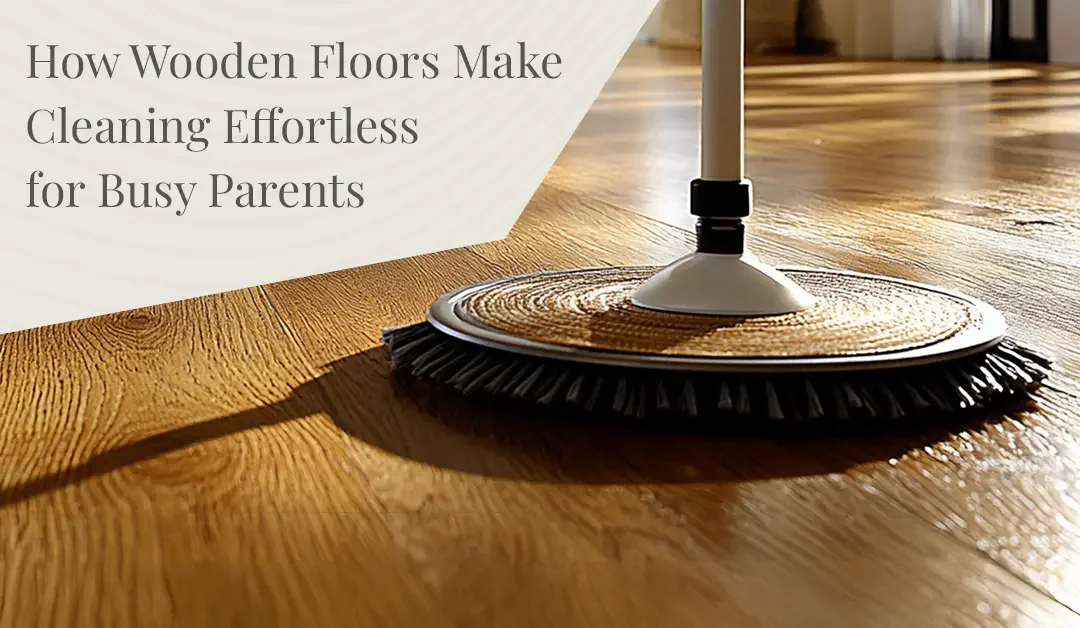
That means the best routine is usually the one that fits the family schedule and avoids extra residue. A simple system is often more effective than a complicated one that only gets used once in a while.
Saving time without making floors stickier
Time-saving cleaning should reduce steps, not add film. A spray mop, microfiber pad, or light damp mop can work well if the cleaning solution is diluted correctly and the pad is changed when it becomes dirty.
The key is to remove soil rather than move it around. If floors still feel tacky after a quick clean, the issue may be too much product, dirty water, or a mop pad that needs washing.
Keeping kids and pets safe from harsh chemical buildup
Many families prefer low-residue cleaners because children and pets spend so much time on the floor. Harsh chemicals are not always necessary for everyday cleaning, and stronger products can sometimes leave a lingering film if they are not used correctly.
It is also important to follow label directions carefully. A product that works well in one home may not be the right fit for another, especially if the floor has a sensitive finish or textured surface.
Choosing routines that fit school nights, workdays, and weekends
A realistic routine usually changes by day. On school nights, parents may only have time for a sweep and a quick spot clean. On weekends, there may be room for a more thorough mop and inspection of sticky zones.
That kind of flexible routine is often easier to maintain than trying to deep clean every day. For some households, tools like a robot mop can help with maintenance, but they still need the right floor type and a clean surface to work well.
Sticky floors are not always a sign of poor cleaning habits. In many homes, they are the result of high traffic, mixed floor types, and rushed routines that do not fully remove residue.
Floor Type Compatibility: Why Sticky Floors Happen on Hardwood, Laminate, Tile, and Vinyl
Different floors react differently to water and cleaning products. What feels like a simple sticky spot on one surface may be a finish problem, residue issue, or moisture concern on another.
That is why floor compatibility matters. A cleaner that works on tile may be too wet for wood, and a product that looks harmless on vinyl may leave film on laminate.
Hardwood and engineered wood: moisture limits and finish sensitivity
Wood floors need careful moisture control. Too much water can seep into seams, dull the finish, or leave the floor feeling uneven once it dries.
Engineered wood can be more stable than solid hardwood in some homes, but it still needs a compatible cleaner and a lightly damp mop. If you are unsure about your floor’s care routine, our related article on how often to mop hardwood floors may help you avoid overcleaning.
Laminate: why excess water and soap film cause tackiness
Laminate is especially sensitive to excess moisture. Water that lingers on the surface or seeps into edges can cause swelling, but even before that happens, soap film can make the floor feel sticky.
Because laminate is often used in busy family areas, people may mop it more often than necessary. A light, controlled cleaning routine is usually better than repeated heavy mopping.
Tile and grout: residue buildup in textured surfaces
Tile can handle more moisture than wood or laminate, but textured tile and grout lines can trap residue. If cleaner is not rinsed properly, it can dry in the low spots and leave a sticky or cloudy finish.
Kitchen tile is especially prone to this because it deals with grease, food splatter, and frequent foot traffic. In some homes, the floor may not be sticky from the tile itself but from buildup in the grout and surface texture.
Luxury vinyl and sheet vinyl: cleaning product compatibility concerns
Vinyl floors are popular in family homes because they are durable and easy to maintain, but they still need the right product. Some cleaners leave a sheen or film that feels tacky once dry.
Steam can also be a concern for certain vinyl floors, depending on the product and installation. If you are considering that method, our guide on steam mops and vinyl floors explains why compatibility matters.
Do not assume every hard floor can handle the same cleaner, amount of water, or mop type. A mismatch can cause sticky residue, finish dulling, or moisture damage.
The Cleaning Mistakes That Make Floors Stay Sticky Longer
Sticky floors often come down to a few avoidable habits. The good news is that once you know the pattern, the fix is usually simpler than the problem looks.
Using too much cleaner or the wrong dilution ratio
More cleaner does not automatically mean cleaner floors. In fact, overconcentrated solution is one of the most common reasons floors feel sticky after drying.
If the product is meant to be diluted, follow the label carefully. Even a small measurement mistake can leave behind enough residue to attract dust and create a tacky feel.
Over-mopping with dirty water or worn mop heads
Dirty mop water can spread grime instead of removing it. Once the water becomes cloudy, it can leave a thin layer of soil and cleaner across the floor.
Worn or overloaded mop heads can do the same thing. Microfiber pads work well for many homes, but they need to be cleaned regularly so they can lift dirt instead of pushing it around.
Skipping rinse steps when the product requires it
Some floor cleaners are designed to be left in place, while others need a rinse. If the label calls for rinsing and that step is skipped, the remaining film can dry sticky.
This is especially important on surfaces that show residue easily, such as dark tile, glossy vinyl, or smooth laminate. When in doubt, read the directions rather than assuming a no-rinse formula.
Mixing products that leave film, streaks, or hidden residue
Mixing cleaners is a common shortcut, but it can backfire. Different ingredients may react poorly, or they may simply leave overlapping residue that is hard to remove.
Even combining a general cleaner with a shine product can create streaking or buildup. If a floor has already become sticky, it is often better to reset with a basic compatible cleaner than to layer on more products.
- Sweep or vacuum before mopping.
- Use the correct dilution for your cleaner.
- Change dirty water and pads early.
- Rinse if the product instructions require it.
- Let the floor dry fully before walking on it.
Practical Cleaning Fixes Busy Parents Can Use in 2025
The best solutions are simple enough to repeat. A short routine done consistently is usually better than a long routine that only happens when the floor feels unbearable.
Quick daily sweep-and-mop routines that actually work
Start with dry debris. Sweeping or vacuuming first keeps grit from turning into muddy streaks when the mop hits the floor.
Then use a lightly damp mop with a low-residue cleaner suited to your flooring. This is often enough for daily maintenance in kitchens, hallways, and play areas.
Pick up crumbs, dust, and tracked-in grit before adding moisture. This prevents the floor from turning cloudy or sticky.
Focus on entryways, under the table, near the fridge, and around pet bowls. These zones usually need more attention than the rest of the room.
A light application is usually enough for regular cleaning. Too much product can leave the exact residue you are trying to remove.
Spot-cleaning sticky zones before they spread
Some messes should be handled immediately, especially sugary spills and food drips. If you let them sit, they can spread under shoes, toy wheels, and chair legs.
A small spray bottle or ready-to-use mop can help with fast spot cleaning, but the cleaner still needs to match the floor. If you need help choosing a product for a regular mop setup, our guide on using floor cleaner with a regular mop may be useful.
Microfiber mops, spray mops, and steam mop considerations
Microfiber mops are often a good fit for family homes because they lift fine dirt well and usually use less water. Spray mops can also be convenient when you want to control moisture and clean one area at a time.
Steam mops are more complicated. They may work on some sealed surfaces, but they are not a universal solution, especially for wood, laminate, or certain vinyl floors. If you are comparing options, it helps to think about both floor safety and cleanup speed.
Best low-residue cleaning habits for high-traffic family homes
Keep the routine simple: sweep often, mop lightly, and wash mop pads before they get overloaded. If a cleaner leaves streaks or a slippery film, switch to a lower-residue option that suits the surface.
It also helps to dry floors more quickly after mopping. Good airflow, a smaller amount of water, and a clean pad can reduce the chance of tackiness. For more on that step, see our guide on how to dry a floor after mopping.
Cost and Convenience Comparison: DIY Floor Care vs. Professional Help
Many families start with DIY cleaning because it is flexible and affordable. That works well for routine messes, but persistent stickiness can eventually require more time, more product, or a professional deep clean.
What families typically spend on cleaners, tools, and replacement pads
DIY maintenance usually involves recurring purchases: cleaner refills, mop pads, broom or vacuum upkeep, and occasional replacement heads. The exact cost depends on the brand, floor size, and how often the home is cleaned.
Convenience matters too. A cheaper product that leaves residue can cost more in the long run if it makes you reclean the same area repeatedly.
When a professional deep clean may save time and protect the floor
If a floor has heavy buildup, a professional deep clean may be faster than trying multiple products at home. This can be especially helpful before a move, after a renovation, or when a kitchen floor has years of layered residue.
Professional help may also be worth considering for expensive surfaces or floors with a delicate finish. In those cases, the cost of the service may be easier to justify than the risk of trial-and-error cleaning.
Comparing recurring maintenance costs to one-time restoration services
Routine cleaning usually costs less up front, but it only stays effective if the method is compatible with the floor. Restoration or deep-clean services can cost more at one time, yet they may solve buildup that regular mopping cannot.
If you want to compare maintenance approaches, a simple planning tool like our floor cleaning cost calculator can help you think through product use, tool replacement, and long-term value.
A low-cost cleaner is not always the most economical choice if it leaves residue, needs extra rinsing, or forces you to clean the same floor twice.
When to Ask a Flooring Professional About Persistent Stickiness
Some sticky floors are simple residue problems. Others point to finish damage, moisture issues, or installation concerns that home cleaning will not fix.
Signs the issue is residue, finish damage, or subfloor moisture
If the floor feels sticky in patches, looks cloudy after drying, or gets tacky again very quickly, residue is a likely cause. If the floor also looks dull, uneven, or soft in places, the finish or substrate may be involved.
Persistent dampness, musty smells, or recurring dark spots can suggest a deeper moisture concern. That is especially important on wood-based flooring, where water can cause hidden problems beyond the surface.
When sticky floors point to worn coatings or improper installation
Some floors become sticky because the protective coating is worn down or has been damaged by the wrong product. In other cases, the floor may have been installed with materials that react poorly to moisture or cleaning chemicals.
If the problem started soon after installation, or if it keeps returning no matter how carefully you clean, it is worth asking a flooring professional to evaluate the surface.
Why expert advice matters before using stronger products
It can be tempting to reach for a stronger cleaner when sticky residue will not go away. But stronger products can strip finishes, discolor grout, or worsen the problem if the issue is moisture rather than buildup.
Before escalating, get advice if the floor is expensive, newly installed, under warranty, or already showing signs of damage. A professional can help you avoid turning a cleaning issue into a repair issue.
Final Recap: The Smartest Way Busy Parents Can Keep Floors Clean Without the Sticky Mess
Sticky floors in family homes usually come from everyday spills, tracked-in dirt, rushed cleaning, and product residue. The solution is not more effort; it is better matching the cleaning method to the floor and the family routine.
Use less water, choose compatible cleaners, clean high-traffic zones often, and ask for professional help when the problem looks deeper than surface buildup. That approach saves time, reduces stickiness, and keeps floors safer for the whole household.
🎥 Related Video: Something is wrong with my elf on the shelf 😳🧝♀️ | Christmas horror makeup #makeup #elfontheshelf
📺 Wyntir Rose
Frequently Asked Questions
Quick cleanups often remove the visible mess but leave behind sugar, soap, or cleaner residue. If too much product is used, the floor can feel tacky after it dries.
Laminate, hardwood, and some vinyl floors can feel sticky if they get too much water or cleaner. Tile can also feel tacky when residue settles into texture or grout.
Sweep first, use a lightly damp mop, and follow the cleaner’s dilution instructions closely. Spot-clean high-traffic areas often so buildup does not spread.
Yes. Overconcentrated cleaner is a common cause of sticky residue, especially on smooth floors that show film easily.
Call a professional if the stickiness keeps returning, if the floor looks damaged, or if you suspect moisture under the surface. It is also wise to ask for help before using stronger products on expensive or newly installed floors.
Steam mops can help on some sealed floors, but they are not safe for every surface. Check the flooring manufacturer’s guidance first, especially for laminate, wood, and certain vinyl floors.
