
Outdoor Concrete vs Outdoor Mop Which Is Better for Cleaning

An outdoor mop is best for light maintenance on sealed or covered concrete, while concrete-specific cleaning methods are better for rough, stained, or heavily soiled surfaces. For most homeowners, the right choice depends on the finish, the mess, and how deep the cleaning needs to go.
When it comes to outdoor concrete vs outdoor mop, the better choice depends on the surface, the mess, and how much care the floor finish needs. A mop can be a smart everyday tool for lighter cleaning, but concrete-specific cleaning methods usually win when dirt is embedded, stains are set, or the surface is rough and porous.
- Best light-duty option: Use a mop for dust, pollen, and fresh spills.
- Best deep-clean option: Use concrete-safe scrubbing or rinsing for embedded grime.
- Surface matters: Sealed concrete is more mop-friendly than porous or textured slabs.
- Safety first: Avoid harsh pressure or chemicals on decorative finishes.
- Smart routine: Combine routine mopping with deeper cleaning as needed.
Outdoor Concrete vs Outdoor Mop: What Homeowners Really Need to Know in 2025
Outdoor floors do not behave like indoor floors. Sun, rain, soil, pollen, foot traffic, and standing water all change how cleaning should be done, especially on concrete patios and walkways.
For many homeowners, the real question is not whether a mop is useful, but whether it is enough. In some cases, yes. In others, using the wrong method can leave residue behind or push grime deeper into the surface. If you are deciding between general cleaning and a more targeted approach, it helps to understand concrete floors as a material first.
Understanding the Cleaning Challenge on Outdoor Concrete Surfaces
Outdoor concrete is durable, but it is also exposed. That means it picks up messes faster than many people expect, and those messes can bond with the surface over time.
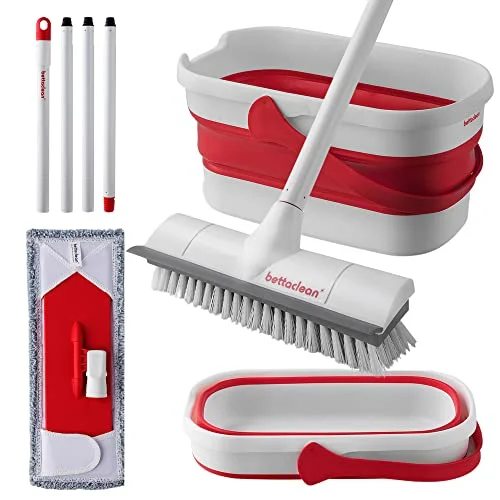
Why outdoor concrete collects dirt, algae, mildew, and stains so quickly
Concrete is naturally porous unless it has been sealed well. Tiny openings in the surface can trap dust, mud, moisture, and organic debris, which creates a good environment for discoloration and growth.
Shade, humidity, splash zones, and poor drainage can make algae and mildew more likely. Leaves, fertilizer, grease, and rust can also leave marks that are harder to remove than simple surface dust.
How patios, driveways, porches, and pool decks differ in cleaning needs
Not all outdoor concrete gets dirty in the same way. Driveways often deal with oil, tire residue, and rust, while patios may collect food spills, pollen, and foot traffic grime.
Porches and covered entries usually stay drier and are easier to maintain with light cleaning. Pool decks need extra care because wet surfaces can become slippery, and some cleaners may leave residue that affects traction.
What an Outdoor Mop Can Handle Best on Exterior Floors
An outdoor mop is most useful when the goal is fast, light maintenance rather than deep restoration. It works best on smoother, more protected surfaces that do not hold onto dirt too aggressively.
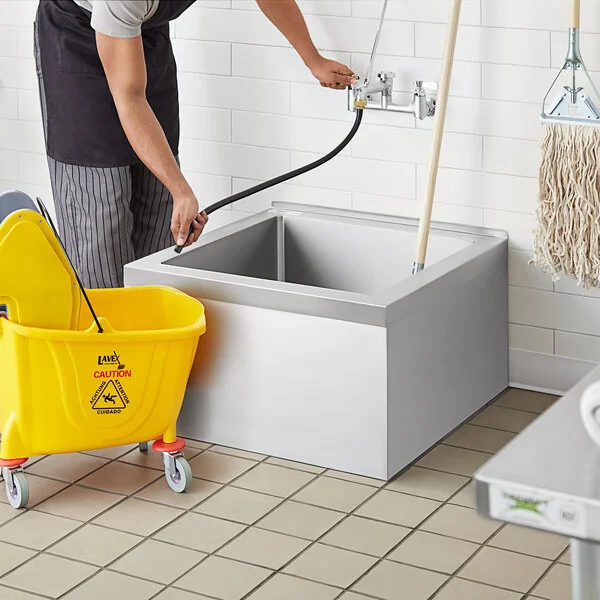
Best surface types for mopping: sealed concrete, painted concrete, and covered patios
Sealed concrete is usually the most mop-friendly outdoor option because the finish helps keep moisture and grime near the surface. Painted concrete can also be mopped carefully, as long as the coating is intact and the cleaner is compatible.
Covered patios are another good fit because they tend to stay cleaner and dry more evenly. In these areas, a damp mop can remove dust and daily buildup without requiring heavy scrubbing.
When a mop is practical for dust, light mud, pollen, and everyday spills
For light messes, a mop is often the easiest choice. It can lift loose dust, fresh mud, pollen, and drink spills before they settle in.
If you are doing routine maintenance after a dry week or a small gathering, mopping may be enough. A microfiber or soft outdoor mop head usually works better than a heavy cotton head because it picks up fine debris more cleanly.
On outdoor concrete, sweep or dust first whenever possible. Removing loose grit before mopping helps prevent muddy streaks and reduces the chance of rubbing debris into the surface.
Limitations of mopping on rough, porous, or heavily soiled concrete
Mops are less effective on rough broom-finished concrete, stamped textures, and older unsealed slabs. The fibers can glide over the top of the dirt without reaching into the texture where grime collects.
Too much water can also be a problem. It may spread dirty runoff, leave mineral spots, or take a long time to dry in shaded areas. For heavy buildup, mopping alone often gives a surface-level result rather than a true clean.
When Outdoor Concrete Cleaning Tools Win: Pressure, Scrubbing, and Deep Cleaning
When dirt is bonded to the slab or the stain has already settled, concrete-specific cleaning methods usually do better than a mop. That does not always mean a pressure washer is required, but it does mean more targeted cleaning is often necessary.
Best use cases for concrete-specific cleaning methods on stubborn buildup
Stiff-bristle scrubbing, concrete-safe degreasers, and rinsing tools are better for embedded grime. These methods help break the bond between the stain and the surface instead of just moving dirty water around.
If you are dealing with long-term buildup, seasonal cleanup, or a surface that has not been maintained in a while, a more direct cleaning method is usually the more effective path. [Source: Wikipedia]
How textured concrete, stamped concrete, and unsealed slabs respond to stronger cleaning
Textured concrete often needs more agitation because dirt settles into grooves and low spots. Stamped concrete can be even trickier since decorative patterns may trap residue while also being more sensitive to harsh treatment.
Unsealed slabs can handle stronger cleaning in some cases, but they also absorb stains more easily. That means the right cleaner and the right rinse matter more than brute force.
Examples of tough messes: oil spots, rust marks, leaf stains, and algae growth
Oil spots usually need a degreasing approach rather than repeated mopping. Rust marks may require a product made for mineral-based staining, and leaf stains often need time plus a cleaner that can break down organic residue.
Algae growth is another case where a mop may fall short. Growth on damp concrete often needs scrubbing and proper drying, and recurring algae can be a sign that drainage or shade is part of the problem.
Do not assume stronger scrubbing always means better cleaning. On decorative or sealed concrete, aggressive brushing or harsh chemicals can dull the finish, weaken sealant, or leave uneven color behind.
Outdoor Concrete vs Outdoor Mop: Side-by-Side Comparison for Real-World Use
The best choice depends on the job in front of you. A mop is simpler and gentler, while concrete-focused tools are usually more effective on stubborn outdoor messes.
Cleaning power, time required, water use, and effort level
A mop is usually faster for small, routine messes and uses less setup. It is a good fit when the surface is already in decent shape and you just want to refresh it.
Concrete cleaning tools often take more effort, but they remove more buildup. They may use more water or require a rinse step, yet they are better when the goal is to clean deeper rather than just tidy up.
| Method / Product | Best For | Be Careful With |
|---|---|---|
| Outdoor mop | Sealed concrete, light dust, fresh spills, covered patios | Rough texture, standing water, heavy stains, residue buildup |
| Concrete scrub brush and cleaner | Embedded dirt, algae, leaf stains, general deep cleaning | Decorative finishes, over-scrubbing, incompatible chemicals |
| Pressure washing | Large outdoor slabs with heavy grime and durable surfaces | Loose sealant, etched concrete, delicate stamped finishes |
Cost comparison: mop setup vs concrete cleaning equipment and supplies
A mop setup is usually the lower-cost option because it may only require a mop head, bucket, and a mild cleaner. It is also easy to replace or upgrade over time.
Concrete cleaning equipment can cost more depending on the method you choose. Specialized cleaners, stiff brushes, and pressure-washing accessories may add expense, but they can be worth it if your outdoor surfaces need deeper maintenance.
For homeowners who clean often, a simple mop may be the best value for maintenance, while stronger concrete tools make more sense when buildup is recurring or the surface is large.
Which option is safer for finishes, sealants, and decorative outdoor flooring
Mopping is often safer for sealed or decorative surfaces because it is gentler and easier to control. That said, it still needs the right cleaner and a damp, not soaking, application.
Concrete-specific methods can be safe too, but only when matched to the surface. Pressure, chemical strength, and scrubbing intensity all matter, especially if the floor has a sealant, color treatment, or special texture.
- Routine cleaning on sealed concrete
- Light dirt, pollen, and fresh spills
- Quick maintenance on covered patios
- Rough or porous slabs
- Deep oil, rust, or algae stains
- Decorative finishes and weak sealants
Common Cleaning Mistakes That Damage Outdoor Concrete Floors
Many outdoor concrete problems start with a cleaning method that was too harsh, too wet, or simply not matched to the surface. Small mistakes can create cloudy residue, dullness, or long dry times.
Using the wrong mop head, detergent, or too much water
A mop head that is too absorbent can spread dirty water across the surface instead of lifting it. Likewise, a detergent that leaves film can make outdoor concrete look dull or sticky after drying.
Too much water is another common issue. It can pool in low spots, seep into porous concrete, and leave behind mineral marks or streaks once it evaporates.
Scrubbing too aggressively on sealed or decorative concrete
Strong scrubbing may seem like a shortcut, but it can wear down sealants or alter the look of decorative concrete. This is especially true on stamped, colored, or polished outdoor finishes.
If the surface is expensive or recently treated, it is wise to start with the least aggressive method first. If you are unsure about compatibility, this is a good time to ask a flooring professional before testing stronger products. [Source: EPA]
Ignoring drainage, drying time, and surface residue
Outdoor floors need time to dry properly after cleaning. If water sits too long, it can leave behind residue, encourage mildew, or make the area slippery.
Poor drainage can also make a clean area look dirty again quickly. If runoff keeps collecting in the same spot, the cleaning method may not solve the real issue.
- Sweep or dust before wet cleaning
- Match the cleaner to the concrete finish
- Use only as much water as needed
- Rinse residue if the product calls for it
- Let the surface dry fully before regular use
When to Call a Flooring Professional for Outdoor Concrete Care
Some outdoor concrete issues are simple maintenance problems, but others point to damage that cleaning alone will not fix. If the surface is expensive, decorative, or already failing, professional advice can save time and prevent further harm.
Signs of sealant failure, deep staining, surface cracking, or recurring mold
If water no longer beads on a sealed surface, the protection may be wearing off. Deep stains that keep returning, visible cracking, or recurring mold in the same spots can also point to a larger issue.
In those cases, cleaning may only provide temporary improvement. The floor may need resealing, repair, or a different maintenance plan.
When DIY cleaning may worsen etched, stained, or uneven concrete
If the concrete is already etched, uneven, or discolored, strong cleaners and heavy scrubbing can make the problem more noticeable. That is especially true when the damage is patchy or tied to a previous coating failure.
When the surface is part of a high-value patio, pool area, or decorative entry, it is safer to pause and get guidance before trying stronger chemicals or equipment.
Final Verdict: Choosing the Right Cleaning Method for Your Outdoor Space
There is no single winner in the outdoor concrete vs outdoor mop debate. The better choice depends on whether you are doing light maintenance or tackling stubborn buildup.
Best choice by surface type, soil level, budget, and maintenance routine
Choose an outdoor mop for sealed concrete, covered patios, and light everyday messes. It is the simplest option when the floor is mostly maintained and you want a quick refresh.
Choose concrete-specific cleaning tools for rough, porous, stained, or heavily used surfaces. They take more effort, but they are usually the better option when dirt is embedded or the surface needs a deeper reset.
Practical recap for homeowners deciding between outdoor concrete vs outdoor mop
If you want fast upkeep, a mop is practical. If you want real stain removal and better results on textured concrete, stronger cleaning methods usually win.
The smartest approach is often a mix of both: mop for routine care, then use concrete-focused cleaning when the floor needs more than surface-level attention. For homeowners comparing methods, that balance usually delivers the best long-term results.
Frequently Asked Questions
Yes, if the concrete is sealed, painted, or lightly soiled. Use a damp mop and a cleaner that will not leave residue.
A mop is usually not enough for rough, porous, or heavily stained concrete. Embedded dirt, algae, oil, and rust often need stronger cleaning methods.
The best cleaner depends on the stain and finish. Mild cleaners work for routine dirt, while degreasers or concrete-safe stain removers may be needed for tougher messes.
It can if the pressure is too strong or the surface is delicate. Decorative, sealed, or aging concrete may need gentler cleaning first.
Scrub with a concrete-safe cleaner and rinse well. If algae keeps returning, check for shade, drainage, or standing water issues.
Yes, if the surface is expensive, decorative, cracked, or showing sealant failure. A professional can help avoid making stains or finish damage worse.
