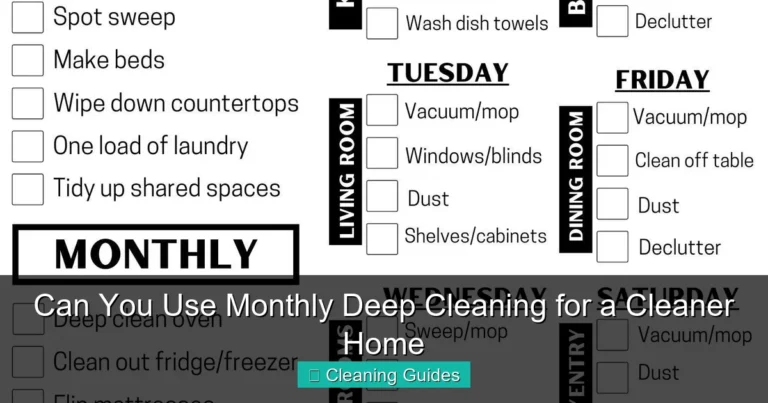
Why Daily Floor Cleaning Leaves Floors Sticky Explained

Daily mopping can leave floors sticky when cleaner residue, dirty water, or too much moisture stays on the surface. The fix is usually a floor-safe dilution, a damp mop, and an occasional residue reset.
Daily mopping should make floors look fresher, but sometimes it does the opposite and leaves a tacky, dull film behind. In most homes, the problem is not that you are cleaning too little; it is that residue, moisture, or the wrong product is staying on the surface.
- Residue is the usual cause: Sticky floors often come from soap, minerals, or old product buildup.
- Less water works better: A damp mop usually leaves less film than a wet one.
- Floor type matters: Wood, vinyl, laminate, tile, and stone all react differently.
- Rinsing can be essential: Some products need a rinse to avoid tackiness.
- Call a pro when needed: Persistent stickiness may signal finish damage or wax buildup.
Why Daily Floor Cleaning Can Leave a Sticky Film Instead of a Fresh Finish
Sticky floors usually happen when cleaning removes visible dirt but leaves behind a thin layer of soap, minerals, grease, or old product. That layer catches dust and foot traffic, so the floor starts to feel slightly tacky even if it looks clean at first.
The fix depends on the floor type and the cleaning method. For some homes, the answer is simply less cleaner and better rinsing. For others, the issue is a finish problem, a product mismatch, or residue that has built up over time.
What “sticky” really means on different floor surfaces
“Sticky” can mean different things depending on the material. On tile or vinyl, it may feel like a light film underfoot. On hardwood, it can feel more like drag or a dull, grippy finish rather than true stickiness.
Sometimes the surface is not sticky at all; it is just hazy, squeaky, or slightly rough from product buildup. That is why it helps to identify the texture first instead of assuming the floor simply needs another round of mopping.
The main user intent: solving residue, not just cleaning more often
If floors keep feeling sticky after routine cleaning, the goal is usually residue removal, not more frequent mopping. Cleaning more often with the same method can make the film thicker.
For a deeper breakdown of that cycle, see why floors stay sticky after mopping. The pattern is similar: the wrong cleaner, too much water, or poor rinsing often creates the very problem you are trying to fix.
The Most Common Reasons Floors Stay Sticky After Everyday Mopping
Most sticky-floor complaints come down to a few repeat causes. The good news is that many of them are fixable without replacing the floor or using harsh chemicals.
Too much cleaner or soap residue buildup
Using too much product is one of the biggest reasons floors feel tacky. Many cleaners are designed to be diluted, and extra product does not clean better; it often leaves a film behind.
Soap-based formulas are especially likely to build up if they are used daily. If the floor looks cleaner right after mopping but feels sticky once dry, residue is a likely suspect.
Using dirty water, dirty mop pads, or oversaturated tools
Dirty mop water spreads grime instead of removing it. The same goes for a mop pad that has already picked up grease, dust, or pet residue and is then dragged across the floor again.
Oversaturated tools can also leave floors sticky because they take too long to dry. The longer moisture sits, the more it can pull leftover dirt back onto the surface or leave minerals behind.
Change mop water as soon as it looks cloudy, and wring microfiber pads well so the floor dries quickly and evenly.
Hard water minerals, grease, and airborne grime settling back down
Even when the cleaner is correct, hard water can leave behind mineral traces that feel chalky or tacky after drying. In kitchens, airborne grease can mix with dust and create a thin film that regular mopping only moves around.
Hallways and living rooms can pick up fine dust from shoes, vents, and open windows. That grime settles back down if the mop is too wet or if the floor is not fully lifted clean.
Layering new product over old residue instead of removing it
Daily cleaning can quietly layer one product over another. Floor polish, spray cleaner, and soap residue can combine into a film that gets harder to remove each week.
This is especially common when a floor is cleaned repeatedly with the same routine but never stripped of buildup. If the surface feels worse even though you are cleaning more, layering is often the reason.
Floor-Type Compatibility: Why the Same Cleaning Routine Fails on Different Floors
A routine that works on one floor can cause trouble on another. The safest approach is to match the cleaner, moisture level, and tool to the floor’s finish and tolerance for water.
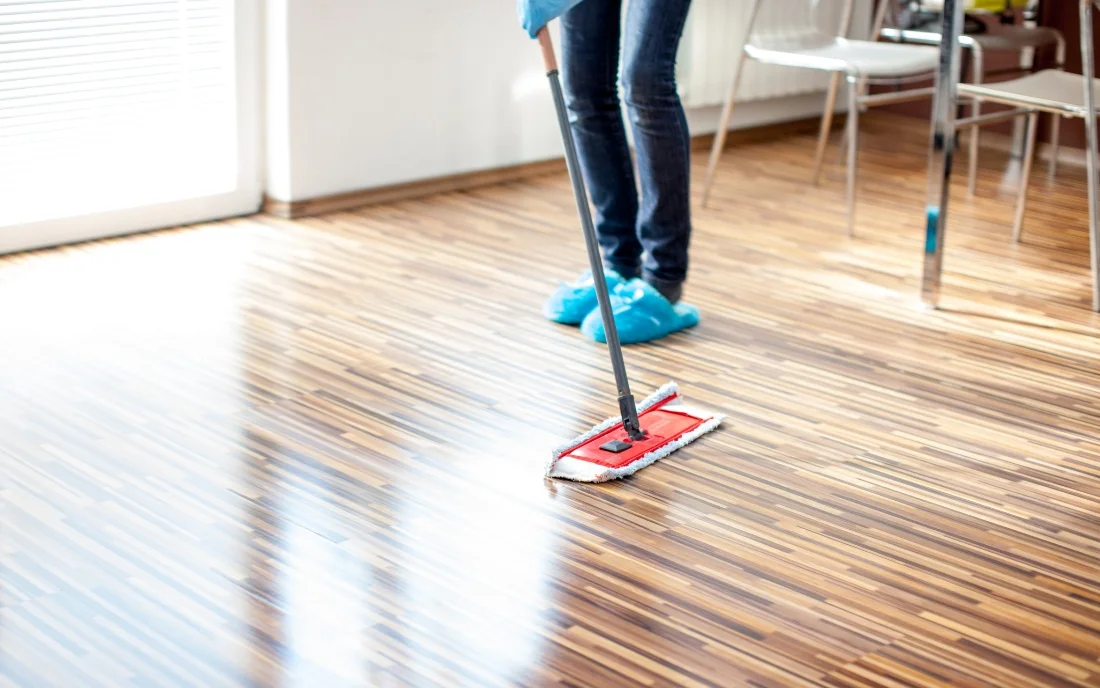
Hardwood and engineered wood: moisture, finish damage, and residue traps
Wood floors are more sensitive to water and product buildup than many other surfaces. Too much liquid can seep into seams, while heavy cleaners can cloud the finish or leave a slippery-feeling film.
If you are still deciding how often to clean, it helps to compare your routine with how often you should mop hardwood floors. For wood, less moisture and more controlled cleaning usually matter more than scrubbing harder.
LVP and vinyl: cleaner buildup and texture grooves that hold film
Luxury vinyl plank and sheet vinyl can look forgiving, but they often hold onto residue in textured surfaces and plank seams. A cleaner that is too concentrated can make the finish feel cloudy or grabby.
Steam and excess water can also be risky on some vinyl products. If you are unsure whether your floor can handle heat or moisture, review steam mops on vinyl floors before changing your routine.
Tile and grout: why grout lines make stickiness feel worse
Tile itself may not be sticky, but grout lines can trap residue and make the whole floor feel unclean. Once soil collects in grout, the floor can feel tacky underfoot even after a fresh mop.
Porcelain and ceramic often tolerate more water than wood, but they still need the right rinse. If the cleaner is left behind, the shine can fade and the surface can feel slightly gummy.
Laminate and sealed stone: what to avoid to prevent hazing and tackiness
Laminate floors can swell or haze if they are over-wet, and some sealed stone surfaces can show streaks from the wrong cleaner. Both materials are sensitive to buildup because the finish can hold onto residue in a visible way.
When in doubt, use the lightest effective dilution and a damp mop rather than a wet one. If the product label calls for rinsing, do not skip that step.
Do not assume all hard floors can be cleaned the same way. A routine that is safe for tile may damage wood, laminate, or certain vinyl finishes.
Common Cleaning Mistakes That Make Floors Feel Sticky Every Day
Sticky floors are often the result of small habits that seem harmless in the moment. Over time, those habits add up to a residue problem.
Using all-purpose cleaners that are not floor-safe
Not every all-purpose cleaner is made for every floor. Some formulas leave surfactants or shine agents behind, which may be fine on counters but not ideal on floors that are cleaned often.
Always check whether the product is intended for your floor type and finish. If the label is vague, it is safer to test in a hidden area first.
Mixing products or adding “extra” cleaner for a stronger clean
Mixing products can create unpredictable residue, and adding extra cleaner usually makes stickiness worse, not better. Stronger does not always mean cleaner.
This is especially true with soap-based solutions, polish-and-clean combos, or homemade mixtures. If you want a stronger result, start with better soil removal, not more product.
Not rinsing when the product label requires it
Some cleaners are designed to be left on the floor, while others need a rinse to avoid film. Skipping that step can leave a sticky or streaky finish that keeps collecting dust.
If your floor feels tacky after drying, reread the label and see whether a rinse is recommended. That small step often solves the problem faster than switching brands.
Cleaning too frequently without occasional deep residue removal
Daily cleaning can be helpful in busy homes, but not every routine includes residue removal. If the same product is used every day, buildup can slowly become the real issue.
Sometimes the answer is a reset clean with a properly diluted solution, fresh water, and a clean mop head. In more stubborn cases, a flooring-safe residue remover may be needed, depending on the surface.
If you clean daily, plan for an occasional reset instead of only repeating the same mop routine. That helps stop film from becoming a permanent habit.
How to Fix Sticky Floors Without Damaging the Finish
The safest fix is usually to remove residue gradually rather than scrubbing aggressively. Heavy-duty cleaning can solve one problem and create another if the floor is delicate.
Step-by-step residue reset for everyday household floors
Sweep or vacuum so dirt does not turn into muddy film when the floor gets wet.
Choose a floor-safe formula and follow the dilution directions closely instead of guessing.
Too much water can spread residue and slow drying, especially on wood, laminate, and vinyl.
If the product label calls for it, follow with clean water or a manufacturer-approved rinse step.
Good airflow helps prevent tackiness and reduces the chance of dust settling into the wet film.
If you want a broader method refresher, how to mop a floor properly is a useful companion guide. For stubborn leftover moisture, how to dry a floor after mopping can help reduce the chance of a sticky finish.
When to switch from a wet mop to a damp mop
A wet mop is often too much for routine cleaning, especially on wood, laminate, and many vinyl floors. A damp mop removes surface soil without flooding the finish.
If the floor feels sticky after every cleaning, reducing water is one of the fastest changes you can make. It also shortens dry time, which helps prevent re-depositing grime.
Practical examples: kitchen grease, hallway traffic film, pet paw residue
Kitchens often need a grease-focused cleaner rather than a general soap solution. Hallways usually need dust and shoe-film removal, while pet areas may need a formula that handles tracked-in residue without leaving a slippery coat.
Different messes need different tactics. A one-size-fits-all cleaner can leave more behind than it removes.
Choosing the right pH and dilution for 2025 cleaning routines
For most homes, the safest choice is a floor cleaner with a dilution that matches the label and a pH appropriate for the surface. Neutral or near-neutral formulas are often a good starting point for sealed floors, but always check the manufacturer’s guidance.
Avoid assuming that stronger chemistry equals better results. For many modern floor finishes, the right dilution matters more than the brand name or scent.
| Method / Product | Best For | Be Careful With |
|---|---|---|
| Damp microfiber mop | Most daily cleanups and residue control | Very dirty floors that need a rinse or reset |
| Floor-safe diluted cleaner | Routine cleaning on sealed floors | Overuse, mixing, or applying too much |
| Rinse step with clean water | Products that leave film if not removed | Water-sensitive floors if over-applied |
| Deep residue reset | Sticky buildup and repeat film | Delicate finishes and unknown floor types |
- Daily maintenance on sealed floors
- Light soil and quick touch-ups
- Busy households that need fast drying
- Heavy soap use
- Soaking wood or laminate
- Unknown polish or wax buildup
Best Cleaning Habits by Floor Type for a Non-Sticky Result
The best routine is the one that matches traffic, finish, and product compatibility. A home with kids, pets, or frequent cooking usually needs different habits than a low-traffic apartment.
Weekly versus daily cleaning schedules based on traffic level
High-traffic areas may need daily dry dusting and less frequent wet mopping. Lower-traffic rooms may only need a damp clean when dust or spills show up.
If you mop every day, keep the process light. Daily cleaning should usually mean removing surface dust and grime, not repeatedly soaking the floor.
Microfiber, spray mop, steam mop, and traditional mop comparisons
Microfiber mops are often the easiest way to control moisture and residue. Spray mops can be convenient for light touch-ups, but they still need the right cleaner dilution to avoid film.
Steam mops can be useful on some hard surfaces, but they are not ideal for every floor type. Traditional string mops may hold too much water unless they are wrung out very well.
What works best for busy homes, rentals, and pet households
Busy homes usually benefit from a simple, repeatable routine: dry debris removal, a damp microfiber pass, and occasional residue reset. Rentals may need gentler methods that protect the finish for the next occupant.
Pet households often need more frequent spot cleaning, but that should not mean more soap. For many homes, the best result comes from using less cleaner, not more.
Using the right dilution, washable pads, and a floor-safe cleaner usually saves money over time because it reduces buildup, pad replacement, and repeated re-cleaning.
When Sticky Floors Signal a Bigger Problem and You Should Call a Flooring Professional
Sometimes stickiness is not just cleaning residue. It can also point to finish failure, wax buildup, adhesive transfer, or damage that needs a more specialized approach.
Signs of finish breakdown, wax buildup, or adhesive residue
If the floor feels sticky in some spots and not others, or if the surface looks cloudy, uneven, or patchy, the finish may be breaking down. Wax buildup can also create a gummy feel that regular mopping will not solve.
Adhesive residue from rugs, tape, or old floor treatments can behave the same way. These issues often need targeted removal rather than another general mop cycle.
When discoloration, dull patches, or tackiness will not rinse away
If a floor stays tacky after a proper rinse, the problem may be deeper than surface dirt. Discoloration, dull patches, or a rough feel that does not improve can mean damage to the finish or underlying material.
That is the point where product changes may no longer be enough. A professional assessment is often the safest next step, especially on expensive or delicate flooring.
How a pro assessment can prevent costly refinishing or replacement
A flooring professional can help determine whether the issue is buildup, finish wear, moisture damage, or something else entirely. That matters because the wrong fix can turn a manageable problem into a refinishing job.
If your floor is under warranty, or if you are dealing with natural stone, hardwood, or a high-end engineered surface, getting guidance before experimenting is usually worth it.
Final Recap: How to Keep Floors Clean, Dry, and Truly Non-Sticky
Sticky floors usually come from residue, not lack of effort. Once you reduce soap buildup, control water, and match the cleaner to the floor type, most daily mopping routines improve quickly.
Key takeaways for preventing residue buildup
Use less cleaner, wring out tools well, and change dirty water often. Cleaners that leave film, oversaturated mops, and skipped rinse steps are the most common causes of tacky floors.
Simple product and tool choices that save time and money
A floor-safe diluted cleaner, a clean microfiber pad, and a damp-mop routine will solve more sticky-floor problems than a stronger chemical ever will. If the floor still feels tacky after a proper reset, it may be time to investigate buildup or call a professional.
🎥 Related Video: The way to deep clean the floor
📺 TIDY MONSTER
If you are always worried about how to clean your floor, come and try this mop.
Frequently Asked Questions
Daily mopping can leave behind soap, minerals, or old product residue. If the same routine is repeated without rinsing or residue removal, the floor can feel tacky even when it looks clean.
Yes. Using more cleaner than the label recommends often leaves a film on the surface instead of removing dirt.
A microfiber mop is often the easiest to control because it uses less water and picks up fine residue well. The best choice still depends on the floor type and how much moisture it can handle.
Vinyl and laminate can show cleaner buildup, and some textures or finishes hold film in grooves. Too much water or the wrong product can make the surface feel tacky or hazy.
Start with a clean mop, fresh water, and a properly diluted floor-safe cleaner. If the product label requires it, follow with a rinse and let the floor dry fully.
Call a professional if the stickiness does not improve after a proper reset, or if you see dull patches, discoloration, wax buildup, or finish damage. That is especially important for hardwood, stone, and warranty-covered floors.