
7 Dull Floors Mistakes That Ruin Your Shine

Most dull floors mistakes come from the wrong cleaner, too much water, dirty tools, or product buildup. Fixing those habits usually restores shine better than adding more polish. Related: dull floor cleaning. Related: cloudy floor finish. Related: floor shine problems. Related: floor residue.
When floors look dull, the problem is often not the finish alone. More often, it is a chain of small cleaning mistakes that leave behind residue, moisture, scratches, or wear that hides the shine. Related: dull floors.
This guide breaks down the most common dull floors mistakes and shows how to fix them without guessing. If you want a broader routine for upkeep, our floor mopping basics article can help you compare the right technique with the wrong one.
- Match the cleaner: Use products made for the specific floor type and finish.
- Use less water: Damp mopping is safer than soaking floors.
- Remove dust first: Grit and sand can scratch and dull the surface.
- Keep tools clean: Dirty mop heads and buckets spread haze.
- Know when to call a pro: Deep wear, water damage, or buildup may need expert help.
Why Floors Lose Their Shine: Understanding the Real Causes Behind Dull Floors Mistakes
“Dull” can mean several different things. Sometimes it is a film sitting on top of the floor, like soap residue or polish buildup. Other times it is real surface damage, such as scratches, worn finish, or a sealant that no longer protects the material.
The tricky part is that many homeowners try to fix dullness with more product, more water, or a stronger cleaner. That can make the problem worse, especially on wood, laminate, vinyl, and natural stone.
Shine depends on both cleanliness and surface condition. If the finish is damaged, cleaning can improve the look, but it may not restore a true reflective shine.
Before choosing a product, identify the floor type and the finish. A cleaner that works on porcelain tile may leave streaks on vinyl, and a product that looks great on sealed hardwood may be too aggressive for laminate or stone.
Mistake #1: Using the Wrong Cleaner for Your Floor Type
One of the most common dull floors mistakes is assuming all floor cleaners work the same way. They do not. Different flooring materials react differently to acidity, alkalinity, waxes, oils, and surfactants.
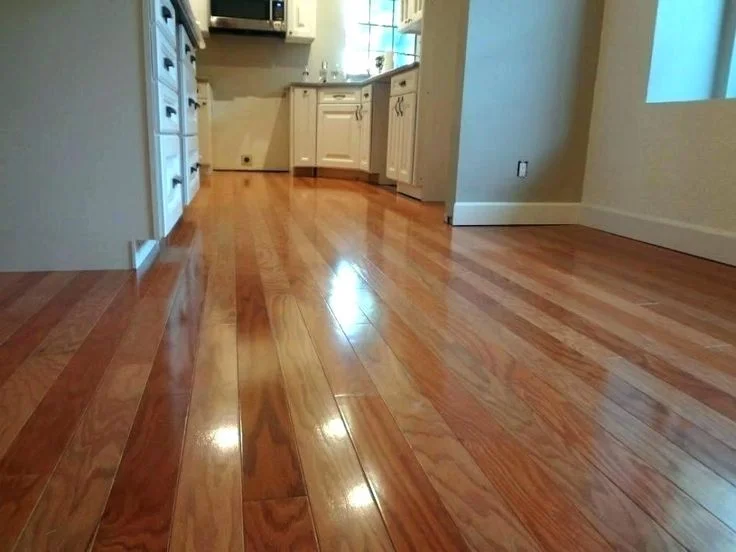
Hardwood vs. laminate vs. tile vs. vinyl: what each surface can and cannot handle
Hardwood usually needs a wood-safe cleaner with minimal residue and very little water. Laminate tends to prefer gentle, well-wrung cleaning because too much moisture can damage the edges and core.
Tile, especially porcelain, can handle more water than wood, but grout and sealers may not. Vinyl is durable in many homes, yet it can haze if the cleaner leaves behind a film or if a shine product builds up over time.
If you are unsure about a product, check the floor manufacturer’s care guidance first. That matters even more for engineered wood and specialty finishes, where warranty concerns may apply.
How harsh ingredients, wax buildup, and residue create a cloudy finish
Strong degreasers, bleach-based mixes, and homemade solutions with the wrong ratio can strip or dull the surface over time. Even if the floor looks clean right after mopping, a thin residue can dry into a cloudy film.
Wax buildup is another issue. Wax or “shine” products can make a floor look bright at first, then progressively hazier as layers stack up and trap dust. If you have already noticed sticky or cloudy buildup, it may help to review why floors stay sticky after mopping before adding another product layer.
Do not assume more cleaner means more shine. Overusing soap, polish, or vinegar can leave residue, damage sensitive finishes, or make the floor look even duller once it dries.
Mistake #2: Over-Wetting Floors During Mopping
Too much water is a shine killer, especially on wood-based floors and laminate. Even when the surface does not warp immediately, repeated over-wetting can weaken edges, cloud the finish, and leave streaks behind.
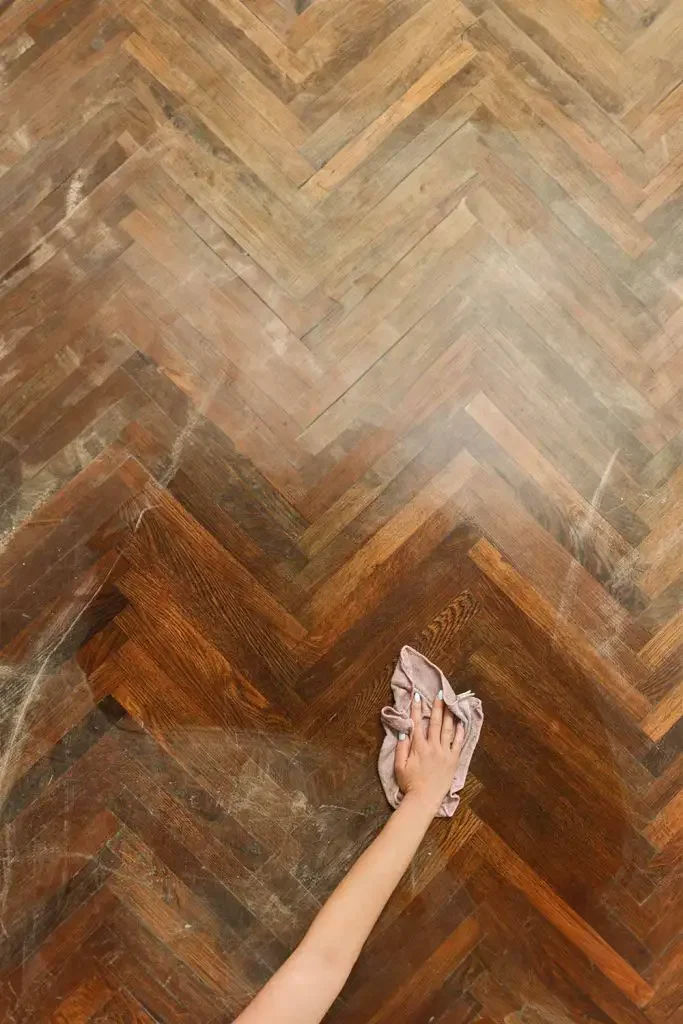
Why excess water dulls wood, lifts laminate edges, and leaves streaks on sealed surfaces
Wood can absorb moisture through seams and micro-gaps, which may swell boards or disturb the finish. Laminate is even more sensitive at the edges, where water can seep in and cause lifting or a rough, swollen look.
On sealed tile, vinyl, or stone, excess water often leaves mineral spots or streaks as it dries. That can make a floor appear dull even when it is technically clean.
Practical example: the “shiny when wet, dull when dry” problem
This is a classic sign of over-wetting or residue. A floor may look glossy right after mopping because the water temporarily fills scratches and evens out the surface, but once it dries, the real finish shows again.
If the floor dries dull every time, the issue may be technique, product buildup, or wear. For drying help, see how to dry a floor after mopping so moisture does not linger longer than necessary.
Wring out the mop until it is damp, not dripping. Work in smaller sections so water does not sit on the floor long enough to soak in or streak.
Mistake #3: Skipping Dust Removal Before Wet Cleaning
Mopping without removing dust first is like polishing a car before rinsing off grit. Fine debris gets dragged across the floor, and that can leave tiny scratches that reduce reflectivity. [Source: Family Handyman]
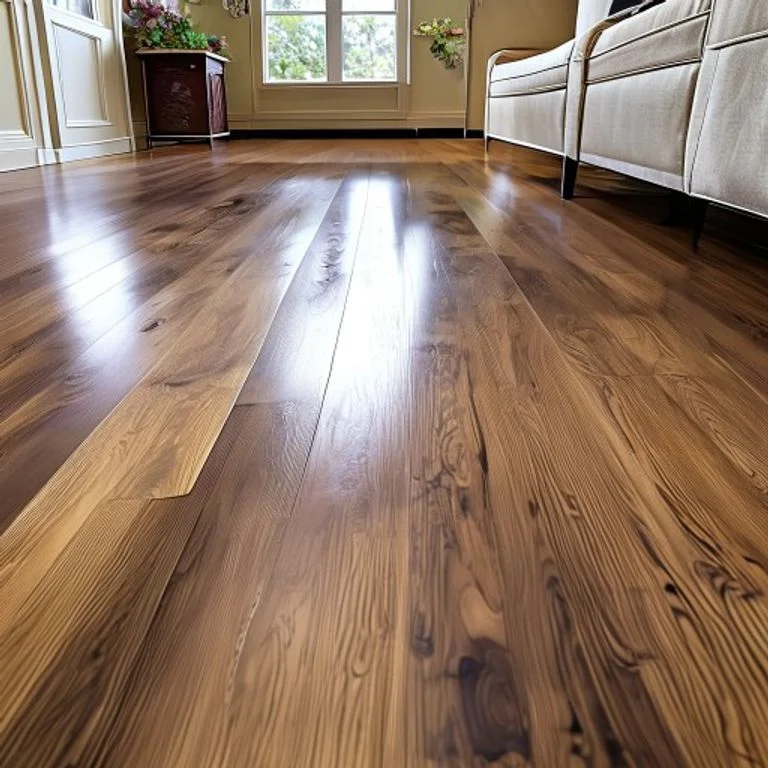
How grit, sand, and pet hair scratch the finish and reduce reflectivity
Sand, dirt, and pet hair are especially tough on high-traffic floors. Even small particles can act like sandpaper under a mop head, dulling the finish little by little.
In entryways and hallways, this effect shows up quickly because debris is tracked in repeatedly. The floor may still be clean-looking from a distance, but it loses that crisp, light-reflective appearance.
Best pre-mop routine for high-traffic rooms and entryways
Start with a dry dust mop, vacuum with a hard-floor setting, or sweep with a soft-bristle broom. Focus on corners, under furniture edges, and the first few feet inside doors where grit collects fastest.
- Remove loose dirt before any wet cleaning
- Pay extra attention to entryways and hallways
- Pick up pet hair and sand from edges and corners
- Use a clean dust mop or vacuum attachment for hard floors
If you want a more structured routine for busy rooms, FloorsMop’s daily floor cleaning guide can help you keep debris from turning into finish wear.
Mistake #4: Using Dirty Mop Heads, Pads, or Buckets
A dirty mop does not clean very well, even if it smells fresh or looks damp. It often spreads old grime, cloudy water, and residue back onto the floor, which creates a hazy finish instead of a bright one.
How spreading old grime makes floors look hazy instead of clean
When a mop head is loaded with old soil, it can smear dirt into a thin layer rather than lift it away. This is especially noticeable on darker floors, glossy tile, and smooth vinyl, where streaks show quickly.
A dirty bucket can cause the same problem. If the rinse water is already cloudy, the next pass may redeposit fine particles and leave the floor looking flat.
When microfiber helps—and when it needs washing or replacing
Microfiber is useful because it can grab fine dust and light soil well, but it is not magic. Once the fibers are clogged with cleaner residue or grease, the pad loses performance and may start smearing instead of lifting.
Wash microfiber according to the care label, and replace it when it stays matted, rough, or permanently stained. If your floors feel sticky after mopping, the issue may be tied to product choice as well as the mop itself.
- Routine cleaning with a clean microfiber pad
- Dusting light debris before wet mopping
- Quick refreshes in low-residue maintenance routines
- Overloaded mop heads
- Cloudy rinse water
- Old pads that no longer release dirt well
Mistake #5: Applying Too Much Product or the Wrong Shine Booster
Many people try to “bring back” shine with polish, soap, or quick-shine sprays. That can work in some situations, but too much product often leaves a film that makes the floor look cloudy instead of glossy.
Residue from polish, soap, and “quick shine” sprays on tile, vinyl, and hardwood
Soap residue is a common culprit on sealed floors. It can attract dirt, which makes the surface look dull faster after cleaning.
Polishes and shine boosters may also create layers that do not match the original finish. On hardwood, that can be risky if the floor is not meant for topical coatings. On vinyl and tile, repeated use may leave a slippery or streaky appearance.
If you are comparing product types, our mopping with vinegar guide and laundry detergent on floors article explain why common household shortcuts are not always floor-safe.
Cost comparison: cheap residue-heavy products vs. proper floor-safe maintenance
Low-cost shine products can seem economical, but if they create buildup, you may spend more time stripping residue later. That can mean extra labor, extra cleaner refills, and sometimes professional help if the buildup becomes stubborn.
A floor-safe neutral cleaner and a washable mop pad often cost less over time than repeated shine boosters that leave residue and require rework.
The better long-term value is usually simple maintenance: the right cleaner, the right dilution, and enough rinsing or pad changes to avoid film. If you are trying to compare approaches, a floor cleaning cost calculator can help you think through recurring supply use, not just the sticker price.
Mistake #6: Ignoring Floor Finish Damage, Wear, or Sealant Failure
Sometimes dullness is not a cleaning problem at all. If the finish is worn down, scratched, or failing, no routine mop will restore the original shine by itself.
How dullness can signal worn polyurethane, failed grout sealer, or scratched vinyl wear layers
On hardwood, worn polyurethane can make traffic paths look flat or gray even after cleaning. On tile, a failed grout sealer may let grime settle into the joints, which visually drags down the whole floor. [Source: Home Depot Guide]
Vinyl can lose shine when the wear layer is scratched or abraded. Once that top layer is damaged, the floor may look permanently dull in the same spots, especially near chairs, sinks, and entry points.
Signs the issue is maintenance-related versus a deeper flooring problem
If the dullness changes after cleaning, it is often residue or technique-related. If the same spots stay dull, look scratched, or show no improvement with proper cleaning, the finish may be compromised.
Recurring dull patches, cloudy areas that never rinse away, or visible wear lines are all clues that the issue goes beyond mopping. In those cases, the best fix may be resealing, refinishing, or another repair rather than more cleaner.
| Method / Product | Best For | Be Careful With |
|---|---|---|
| Neutral floor cleaner | Routine maintenance on many sealed floors | Still needs correct dilution and a clean mop |
| Shine booster or polish | Some compatible floors with light cosmetic dullness | Can create buildup, haze, or slipperiness |
| Refinishing or resealing | Worn finishes, failing sealant, or deep dull spots | Usually not a DIY quick fix for every surface |
When to Call a Flooring Professional Instead of DIY Cleaning
DIY cleaning is great for residue, dust, and routine dullness. But some problems are beyond what a mop can safely solve, and pushing harder can make the floor look worse or cause more damage.
Situations involving deep scratches, water damage, etching, cloudy buildup, or recurring dull spots
Call a professional if the floor has deep scratches, soft spots, cupping, swelling, or signs of water damage. You should also get help if stone is etched, grout is failing, or cloudy buildup keeps returning after proper cleaning.
Expensive surfaces and warranty-sensitive floors deserve extra caution. If the manufacturer’s care instructions are unclear, professional guidance can prevent a costly mistake.
What a pro can assess: refinishing, resealing, deep stripping, or replacement options
A flooring professional can help determine whether the surface needs refinishing, resealing, deep stripping, or full replacement. That assessment matters because the right fix depends on the material, the finish, and how far the wear has progressed.
If you are unsure whether the issue is cosmetic or structural, it is better to ask before using another strong cleaner or shine product. That way, you protect the floor instead of chasing a temporary gloss.
Final Recap: The Fastest Way to Restore Shine Without Repeating Dull Floors Mistakes
The fastest path to better shine is usually simpler than people expect: remove dust first, use the right cleaner for the floor type, avoid excess water, and keep mop tools clean. That combination solves many dull floors mistakes without adding residue or stress to the finish.
Simple floor-type-safe routine for 2025 homeowners and renters
For most homes, a safe routine starts with dry debris removal, then a lightly damp mop using a floor-appropriate cleaner. Follow with good drying time, and only use shine products if your flooring manufacturer says they are compatible.
Key takeaways for preventing haze, streaks, and long-term finish damage
Most dullness comes from preventable habits, not bad luck. Once you stop the cycle of residue, over-wetting, and dirty tools, floors usually look clearer and stay brighter longer.
If the shine still does not return, treat that as a clue, not a failure. The floor may need deeper repair, and that is when professional assessment becomes the smartest next step.
Frequently Asked Questions
Dullness after mopping usually comes from residue, too much water, or dirty mop tools. It can also mean the finish is worn and cleaning alone cannot restore the shine.
Yes. Harsh ingredients, wax buildup, and soap residue can leave a cloudy film on many floor types.
If the floor improves after proper cleaning, it was likely buildup or technique. If the same spots stay dull or scratched, the finish may be damaged.
Too much water is especially risky for hardwood and laminate. Tile and vinyl tolerate more moisture, but excess water can still leave streaks or spotting.
Microfiber can help lift dust and light soil, but only if the pad is clean. A dirty microfiber pad can smear grime and leave the floor hazy.
Call a professional if you see deep scratches, water damage, etching, recurring cloudy spots, or signs of finish failure. Those issues may need refinishing, resealing, or another repair.
