
Water Broom Guide for Easy Cleaning and Better Results

A water broom is a useful tool for rinsing loose dirt and debris from patios, driveways, and garage floors. It works best on durable surfaces and is less suitable for deep stains, fragile coatings, or unstable flooring.
A water broom can make outdoor floor cleaning faster, easier, and more even when you want to rinse away loose dirt without dragging out heavy equipment. In this water broom guide, Emma Whitmore explains where it works well, where to be cautious, and how to get better results on patios, driveways, and garage floors.
- Best use: Wide, even rinsing on hard outdoor surfaces.
- Surface match: Concrete works best; delicate finishes need caution.
- Technique: Sweep first and use slow, overlapping passes.
- Limits: Not a replacement for deep stain removal or pressure washing.
- Value: Choose durable fittings and easy hose compatibility for long-term use.
What a Water Broom Is and Why It Helps With Outdoor Floor Cleaning
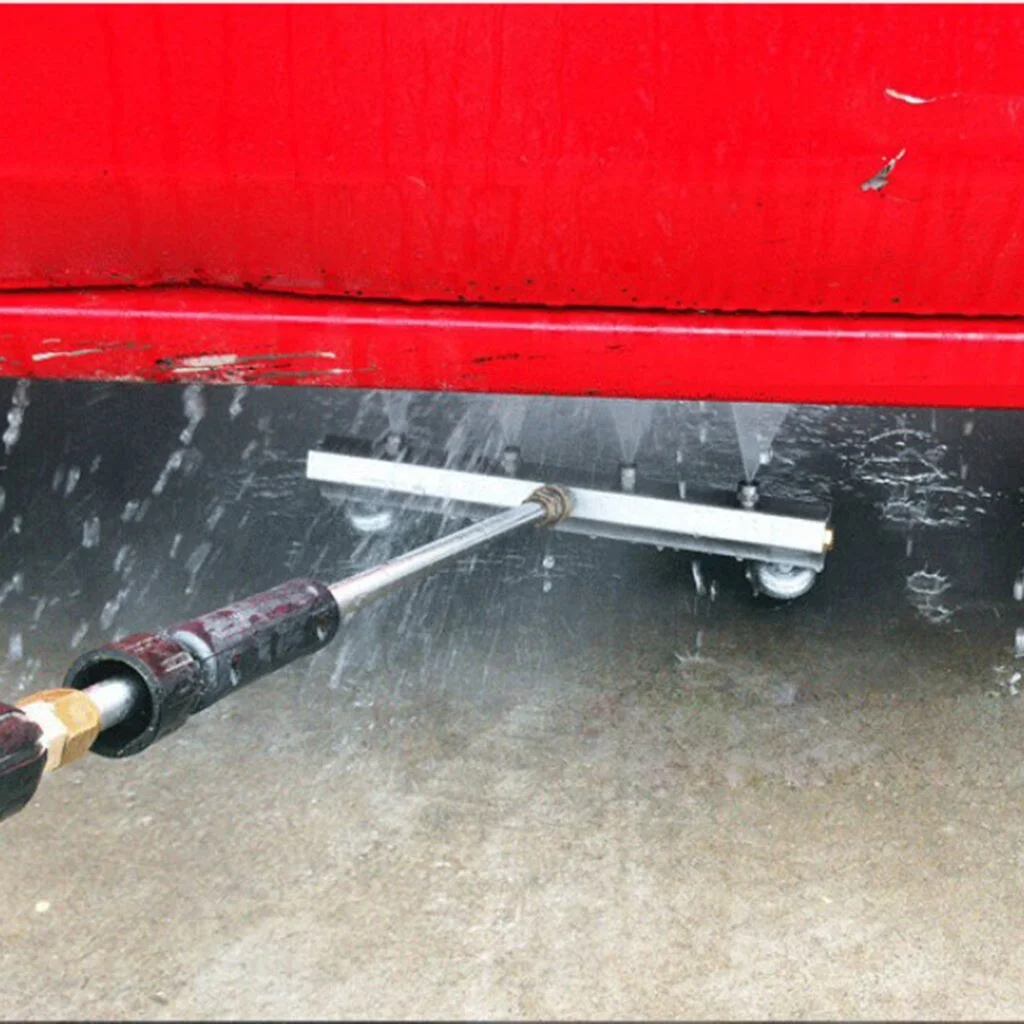
A water broom is a wide spray attachment that connects to a garden hose and spreads water across a larger area than a standard nozzle. It is designed for rinsing debris, not for deep stripping or high-pressure cleaning, so it works best as a practical cleanup tool for everyday outdoor messes.
For many homeowners, that wide spray pattern is the main advantage. Instead of chasing dirt with a narrow stream, you can move debris toward a drain, curb, or open edge more efficiently. If you are comparing it with other cleaning methods, it may also help to read about streaky floors and how uneven rinsing can leave residue behind.
How a water broom works on patios, driveways, and garage floors
The attachment uses multiple nozzles or spray openings to fan out water across the floor surface. That wider coverage helps push light mud, pollen, dust, and loose grit in a more controlled path than a single hose stream.
On patios and garage floors, the goal is usually to loosen surface debris first, then guide it away with steady passes. On driveways, it can help rinse dirt toward the street or a drainage area, though heavy buildup may still need sweeping first.
Who searches for a water broom guide and what they want to accomplish
People usually search for a water broom guide when they want a simpler way to clean outdoor concrete, pavers, or garage slabs without a pressure washer. They often want to save time, reduce scrubbing, and avoid creating splashback or streaks.
Others are trying to figure out whether the tool is safe for a specific surface. That is a smart question, because the right cleaning method depends on finish, sealant, and how much wear the floor already has.
Best Surfaces for a Water Broom: Compatibility by Floor Type
Water brooms are useful on many hard outdoor surfaces, but compatibility matters. The safest choice depends on how porous, sealed, textured, or delicate the floor is.
When a surface is expensive, newly sealed, or already damaged, test a small area first and check the product or flooring guidance before cleaning widely.
Concrete and broom-finished slabs
Plain concrete is one of the best matches for a water broom, especially if it has a broom finish that gives the water and debris a bit of traction. Garage floors and utility slabs often benefit from this kind of broad rinse because the surface is durable and easy to direct runoff across.
Even so, older concrete may have weak spots, hairline cracks, or patchwork repairs. A gentle approach is still better than blasting the same area repeatedly.
Stamped concrete, pavers, and sealed stone
Stamped concrete and pavers can often be cleaned with a water broom, but the finish and joint condition matter. A sealed surface may shed water more easily, while unsealed pavers may hold dirt in the joints and need more than a rinse.
Sealed stone can also vary a lot. Some stones tolerate a light rinse well, while others show residue or dullness if runoff is not managed carefully. If you are already dealing with cloudy-looking residue after cleaning, a related cloudy floors guide can help you think through finish-related issues.
Decks, painted surfaces, and other areas where caution is needed
Wood decks, painted concrete, coated garage floors, and decorative finishes require more caution. A water broom may still be usable in some cases, but the risk of lifting paint, forcing water into seams, or leaving uneven drying marks is higher.
If the surface is soft, peeling, or already compromised, a wide rinse can make the problem more visible. In those cases, it is better to use the mildest effective method or ask a flooring professional if the finish is worth saving.
How to Use a Water Broom for Better Cleaning Results
Good results depend less on force and more on setup, direction, and pace. A water broom works best when you treat it like a rinse-and-guide tool rather than a deep scrubber.
- Clear loose objects and debris first
- Check hose fit and water flow
- Plan where runoff will go
- Use overlapping passes
- Rinse the tool after use
Setup steps: hose connection, water pressure, and spray pattern
Attach the water broom securely to a compatible hose and check for leaks before starting. A loose connection can weaken the spray and waste water.
Use enough pressure to move debris, but not so much that the spray scatters dirt or creates unnecessary splash. If the spray is uneven, adjust the hose connection or water flow before cleaning the full area.
Confirm that the fan pattern covers the width you expect and that the water moves toward a safe drainage area. This helps prevent puddles and keeps dirt from settling back onto the floor.
Best cleaning motions for wide outdoor spaces
Use slow, overlapping passes instead of fast sweeping motions. That helps the water broom cover the surface evenly and reduces the chance of leaving dry strips or dirty lines behind.
Work from the farthest point toward the exit or drain so you are not walking through the cleaned area. On larger patios or driveways, divide the space into sections and finish one section at a time.
For the cleanest result, lightly pre-wet very dusty areas before your main pass. That can help keep fine particles from blowing or scattering. [Source: Healthline]
Practical examples: rinsing mud, pollen, algae, and loose debris
For dried mud, a water broom works best after the top layer has been loosened or swept away. It can then help move the remaining film off the surface without aggressive scrubbing.
Pollen and dust usually rinse off quickly, which makes the tool useful for seasonal cleanups. Algae is trickier, though, because slick growth often clings to the surface and may need a cleaner or more targeted treatment before rinsing.
Loose leaves, grass bits, and sand are also good candidates for a water broom. If the mess is mostly dry debris, you may get better results by sweeping first and then using the water broom for the final rinse.
Choosing the Right Water Broom for Your Space in 2025
The best water broom is the one that matches your space, your hose setup, and the type of cleaning you do most often. Bigger is not always better if the tool becomes hard to steer or store.
Width, nozzle count, and maneuverability
A wider model can cover more ground quickly, which is helpful for driveways and large patios. Smaller models are often easier to control in tight garage spaces, around corners, or near planters and walls.
Nozzle count matters because it affects how evenly the water spreads. More nozzles do not automatically mean better cleaning, but they can improve coverage if the spray remains balanced.
Material quality, durability, and hose compatibility
Look for sturdy construction, especially at the connection points and nozzle housing. Outdoor tools often wear out at the fittings first, so a solid connection can matter as much as the spray pattern itself.
Hose compatibility is another practical detail. If the connection is awkward or needs extra adapters, the tool may be less convenient to use regularly, which lowers its long-term value.
Water broom vs. pressure washer attachment vs. traditional hose nozzle
| Method / Product | Best For | Be Careful With |
|---|---|---|
| Water broom | Wide rinsing of patios, driveways, and garage floors | Deep stains, delicate coatings, and poor drainage |
| Pressure washer attachment | Heavier buildup and more targeted cleaning | Etching, surface wear, and fragile sealants |
| Traditional hose nozzle | Small areas and light spot rinsing | Slow cleanup on large spaces and uneven coverage |
A water broom sits between a simple hose nozzle and a more aggressive pressure washer attachment. That makes it appealing for routine outdoor cleanup, but it is not the right tool for every mess or every finish.
Common Mistakes That Reduce Cleaning Performance
Most water broom problems come from using the wrong amount of force or skipping prep work. A few small changes can make the tool perform much better.
Using too much pressure on delicate surfaces
More pressure is not always better. On soft coatings, aging sealants, or decorative finishes, too much force can create wear marks or push water where it should not go.
If the surface starts to look patchy, dull, or rough after cleaning, stop and reassess. That may be a sign the tool is too aggressive for the finish.
Do not use a water broom like a pressure washer on fragile or decorative surfaces. High force can damage sealants, open joints, or leave permanent marks.
Skipping pre-sweeping or ignoring heavy buildup
A water broom is not designed to handle thick layers of leaves, packed dirt, or sticky grime by itself. If you skip pre-sweeping, the tool may simply push larger debris around instead of removing it.
For best results, remove the obvious buildup first. Then use the water broom to finish the job and carry away the remaining film.
Uneven passes that leave streaks, puddles, or residue
Uneven motion is one of the biggest reasons people end up with streaks. If you move too quickly, some areas get more water than others and the dirt can settle in bands.
Watch the runoff as you work. If puddles form, adjust your direction or clean in smaller sections so the water has a clear path out.
If you are trying to fix visible lines or leftover residue after outdoor cleaning, a related streaky floors mistakes article can help you spot common technique issues.
When a Water Broom Is Not Enough: Signs You Should Call a Flooring Professional
Some outdoor surfaces need more than routine rinsing. If the problem goes beyond loose dirt, a professional opinion can save time and prevent further damage.
Deep staining, surface etching, or damaged sealants
If stains have soaked in, the surface has been etched, or the sealer looks worn away, a water broom will not restore the finish. In those cases, the issue may need stain treatment, resealing, or refinishing advice.
This is especially important for decorative concrete or expensive stone, where the wrong cleaning approach can make the appearance worse rather than better. [Source: Family Handyman]
Loose pavers, cracked concrete, or unstable outdoor flooring
When pavers shift underfoot or concrete has visible cracking, cleaning should not be the first priority. Water can get into weak areas and worsen movement, especially if runoff is poorly controlled.
If the floor feels unstable, ask a flooring or hardscape professional to assess the structure before using any broad-rinse cleaning method.
Specialty surfaces that need expert assessment before cleaning
Some outdoor surfaces have coatings, textures, or warranty conditions that make compatibility hard to judge at a glance. That includes specialty stone, resurfaced concrete, and custom decorative finishes.
When in doubt, a professional can help you decide whether a water broom is safe, whether a milder method is better, or whether the surface needs repair first.
Cost, Value, and Maintenance Tips for Long-Term Use
Water brooms are usually chosen for convenience and repeat use, so value depends on how often you clean and how well the tool holds up over time. A lower upfront price is not always the best deal if the fittings wear out quickly.
Prices vary by width, build quality, and nozzle design. Long-term value often comes from reliable hose connections, easy rinsing, and parts that do not clog quickly.
Typical price range and what affects cost
Cost can vary widely by brand, materials, and size, so it is better to compare features than chase the cheapest option. Wider models, sturdier housing, and better connectors often cost more, but they may also feel easier to use.
If you plan to clean large outdoor areas often, a more durable model may be worth the extra expense. For occasional use, a simpler version may be enough.
Cleaning, storage, and nozzle care to extend lifespan
Rinse the water broom after each use so grit does not dry inside the nozzles. Letting sediment sit inside the spray openings can reduce coverage and cause uneven flow later.
Store it in a dry place out of direct sun if possible. Heat and weather exposure can shorten the life of plastic parts and hose seals.
How to get better value from a water broom over time
Use it as part of a simple outdoor cleaning routine rather than waiting for a major buildup. Regular light rinsing is easier on the tool and often keeps surfaces looking better with less effort.
It also helps to pair the water broom with basic sweeping and spot treatment. That way you are using the tool where it adds the most value instead of asking it to do everything.
Final Recap: Is a Water Broom Worth It for Your Outdoor Cleaning Routine?
For many homeowners and property managers, a water broom is worth considering because it makes wide-area rinsing simpler and more controlled. It is especially useful when you want a practical middle ground between a hose nozzle and a stronger cleaning attachment.
Best-use summary for homeowners and property managers
It works best on concrete, garage floors, patios, and other hard surfaces where loose dirt and seasonal grime are the main problem. It is less useful for deep stains, unstable flooring, or delicate finishes that need a gentler approach.
Quick decision guide based on surface type, mess level, and budget
If your surface is durable, your mess is mostly loose debris, and you want faster rinsing, a water broom is a smart fit. If the floor is fragile, heavily stained, or structurally compromised, it is better to slow down and ask a professional before cleaning.
Frequently Asked Questions
A water broom is used to rinse loose dirt, pollen, mud, and debris from wide outdoor surfaces. It works well on patios, driveways, and garage floors when you want even coverage without heavy pressure.
Not usually. A water broom is better for routine rinsing and lighter cleanup, while a pressure washer is more effective for heavy buildup and stubborn stains.
Often yes, but it depends on the finish, sealant, and joint condition. Test a small area first and be cautious if the surface is delicate or already damaged.
Yes, sweeping first usually improves results. Removing large debris helps the water broom focus on fine dirt and residue instead of pushing bigger pieces around.
Streaks and puddles usually come from uneven passes, too much water, or poor drainage. Slower overlapping strokes and better runoff planning usually help.
Ask a professional if you see deep stains, etching, loose pavers, cracked concrete, or a finish that may be damaged by water. Expert advice is also wise for specialty surfaces or warranty-sensitive materials.
