
Cloudy Floors Guide to Clearer Shine and Easy Fixes

Cloudy floors usually come from residue, moisture, or finish damage, and the right fix depends on the floor type. Start with gentle, compatible cleaning methods and call a professional if the haze looks permanent or keeps returning. Related: hazy floor cleaning. Related: floor residue removal. Related: dull floor shine. Related: cloudy hardwood floors.
Cloudy floors usually mean there is a film, residue, or finish problem that is blocking the natural shine. The good news is that many hazy floors can be cleared with the right floor-type-safe cleaning method, but some cases need repair instead of more scrubbing.
- Identify first: Wood, vinyl, tile, laminate, and stone need different care.
- Start gentle: Dry dusting and microfiber cleaning fix many haze problems.
- Avoid buildup: Too much soap, polish, or moisture often causes cloudiness.
- Test safely: Spot-test before treating the whole floor.
- Know limits: Persistent haze may need professional inspection or refinishing.
What Cloudy Floors Mean and Why the Finish Looks Dull
Cloudiness is not always the same as simple dirt. A floor can look dull because light is scattering off soap residue, moisture streaks, wax buildup, or a damaged finish layer. Related: cloudy floors.
If the haze changes when you wipe it with a dry microfiber cloth, that often points to surface film. If the dullness stays put, the issue may be deeper, such as etching, finish wear, or water damage. For a broader maintenance routine, see FloorsMop’s daily floor cleaning guide for habits that help prevent buildup.
Common signs of cloudiness versus normal wear
Normal wear usually shows up as gradual dulling in traffic lanes, small scuffs, or areas that lose shine evenly over time. Cloudiness often looks patchy, streaky, milky, or smeared, especially after mopping.
Another clue is touch. If the floor feels sticky, filmy, or slightly tacky, residue is more likely than true wear. If the surface feels smooth but still looks hazy, the issue may be in the finish itself.
How residue, moisture, and finish damage create a hazy layer
Too much cleaner can leave a thin coating behind, and that coating dries into a cloudy film. Moisture can also leave mineral marks or trap dirt under a damp layer, especially on floors that dry slowly.
Finish damage works differently. On wood and some specialty surfaces, the protective layer can become scratched, worn, or chemically dulled, which makes the floor look flat even after cleaning.
Identify Your Floor Type Before You Try Any Fix
Before you reach for vinegar, polish, or a stronger cleaner, identify the floor material and finish. The same method can improve one surface and damage another, so compatibility matters more than speed.
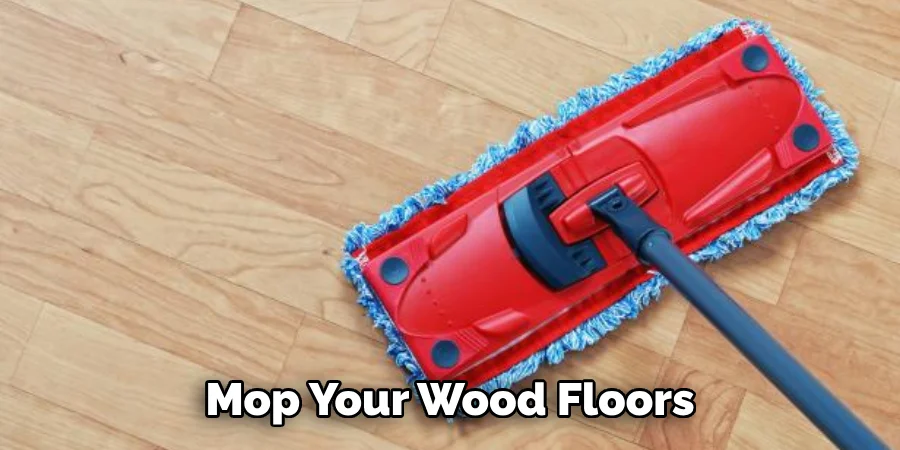
Hardwood and engineered wood: finish-sensitive problems
Sealed hardwood and engineered wood are especially sensitive to excess water and harsh cleaners. Cloudiness here often comes from residue on the finish, not from the wood itself, but worn finish can also look hazy.
If the floor has a polyurethane-style seal, a gentle cleaning approach may help. If the surface is waxed, oiled, or factory-finished with a special coating, the safest fix can vary, and it is worth checking the manufacturer guidance or asking a flooring professional when the finish type is unclear.
Vinyl, laminate, tile, and stone: what cloudiness usually means on each surface
On luxury vinyl plank and sheet vinyl, cloudy floors often point to cleaner buildup, dulling polish, or a film left from mopping. Laminate can show similar residue, but it is less forgiving of standing moisture.
Ceramic tile and porcelain usually cloud up from soap film, especially in kitchens and bathrooms. Natural stone is different again: haze may come from residue, but it can also come from etching or sealer issues, which may need a more careful approach.
Why the wrong cleaner can make the haze worse
Strong all-purpose cleaners, waxes, and shine products can leave layers behind if they are not meant for your floor. Even a cleaner that looks effective at first can dry into a dull film if it is too concentrated.
For wood, acidic or overly wet methods can damage the finish. For stone, acidic products can etch the surface. If you are unsure, it is safer to start with the mildest compatible option and test first.
Fast Ways to Clear Cloudy Floors at Home
Many cloudy floors can be improved quickly by removing the film instead of adding more product. The goal is to strip away residue gently, then let the floor dry fully so the shine can return.
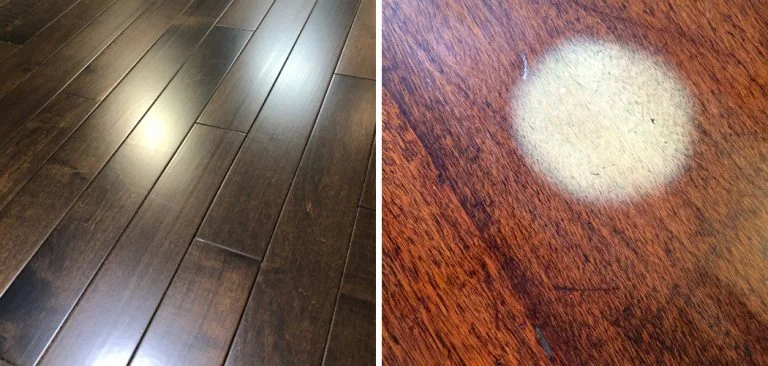
Dry dusting and microfiber mopping to remove film buildup
Start by dry dusting or vacuuming to remove grit. Fine debris can smear into the haze and make the floor look worse once it gets wet.
Next, use a clean microfiber mop to lift the film. Microfiber is useful because it grabs residue instead of pushing it around, especially on vinyl, laminate, sealed wood, and tile.
Change the mop pad as soon as it starts leaving streaks. A dirty pad can re-deposit the same film you are trying to remove.
Cleaning with the right dilution for safe shine restoration
Use only the amount of cleaner recommended for the floor type. More soap does not clean better; it often leaves more residue and makes cloudy floors harder to fix.
If you are using a concentrated cleaner, mix it carefully and avoid “extra strength” habits unless the product label specifically allows it. A light, even pass is usually better than a wet, soapy one. If you want a deeper explanation of how buildup happens, FloorsMop’s article on why floor feels sticky after mopping can help connect the dots.
Spot-testing a small area before treating the whole floor
Always test a small hidden section first, especially on hardwood, laminate, stone, or any floor with an unknown finish. Wait for the area to dry so you can see the real result, not just the wet shine.
If the test spot turns dull, leaves a white mark, or feels tacky, stop there. That is a sign the product or method may not be compatible.
Practical example: fixing cloudy kitchen traffic lanes or bathroom residue
Kitchen traffic lanes often cloud up from cooking oils, food splatter, and repeated mopping with too much cleaner. A dry dusting followed by a lightly damp microfiber mop can remove the film without flooding the floor.
Bathroom residue is often from soap, body products, and hard-water deposits. On tile or porcelain, a compatible cleaner and a rinse pass may help, but on stone you should be more cautious and avoid anything acidic unless the stone care instructions clearly allow it. [Source: EPA]
Common Cleaning Mistakes That Leave Floors Hazy
Cloudy floors often come from well-intended cleaning habits that leave behind more than they remove. If haze keeps returning, the problem may be in the routine rather than the floor itself.
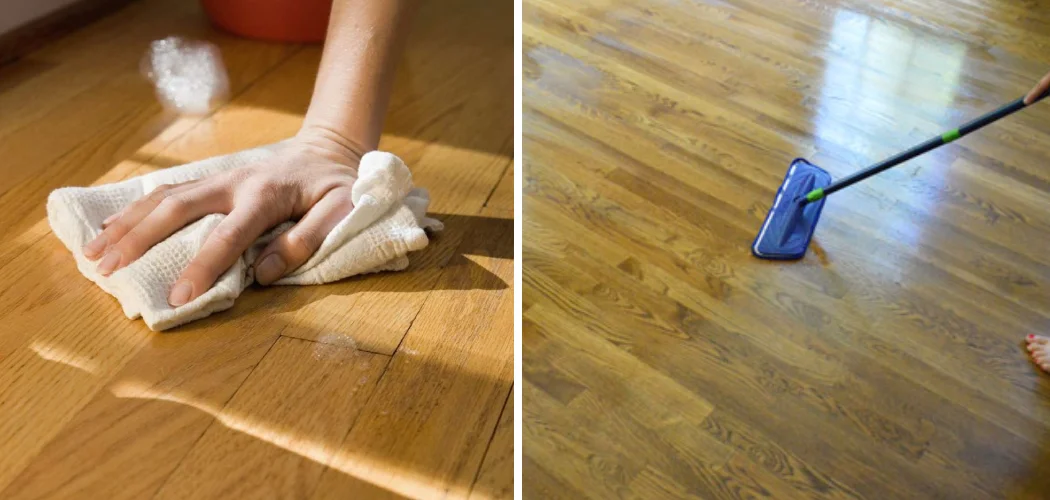
Using too much soap, polish, or all-purpose cleaner
Heavy product use is one of the most common reasons floors look dull after cleaning. Soap, polish, and multipurpose sprays can all leave a coating if they are overused or not meant for the surface.
This is especially true when people try to “restore shine” by adding more product. In many cases, the shine comes back only after the excess layer is removed.
Skipping rinse steps and leaving sticky residue behind
Some cleaners are designed to be left on the floor, but many are not. If the label recommends a rinse or a clean-water follow-up, skipping that step can leave a sticky haze.
This is one reason a floor can look cloudy immediately after mopping and then attract dust even faster. The residue acts like a magnet for fine dirt.
Overwetting wood, laminate, or grout lines
Too much water can swell laminate edges, dull wood finishes, and soak into grout lines. Even when the surface dries, the floor may still look blotchy or uneven.
Use a damp, not dripping, mop and wring it out often. If you are unsure about moisture limits, it helps to review a floor-specific method such as FloorsMop’s how to mop a floor properly guide before trying again.
Mixing products that dull or damage the finish
Never mix cleaners unless the label says it is safe. Some combinations can leave streaks, create a film, or damage the protective finish.
Bleach, ammonia, vinegar, polish, and specialty cleaners can all cause problems when used on the wrong surface or combined with something else already on the floor.
Floor-Type Compatibility: What Works and What to Avoid
The safest cloudy floor fix depends on the floor material, the finish, and whether the problem is residue or actual damage. A method that works well on tile may be too harsh for wood or laminate.
Safe cloudy floor fixes for sealed hardwood and engineered wood
For sealed wood, a dry microfiber pad and a lightly damp wood-safe cleaner are usually the safest starting point. Keep water use minimal and dry the floor right away.
Do not use abrasive pads, heavy polish buildup, or steam unless the manufacturer specifically allows it. If the finish is failing or the floor has deep wear, cleaning alone will not restore the shine.
Best approaches for luxury vinyl plank and sheet vinyl
Vinyl often responds well to a gentle, residue-free cleaner and a microfiber mop. If the floor has a cloudy film from polish or soap, a careful rinse-style cleaning may help more than a stronger product.
Be careful with heat and harsh solvents. Steam can be risky on some vinyl floors, and it is wise to check product guidance before using it on any resilient surface.
When ceramic tile, porcelain, or stone needs a different method
Ceramic tile and porcelain usually handle more cleaning options than wood, but grout can hold onto residue and make the whole floor look hazy. A tile-safe cleaner and a clean-water rinse can often improve the appearance.
Stone needs the most caution. Marble, travertine, slate, and similar surfaces can react badly to acidic or abrasive cleaners, so when in doubt, use a stone-safe product or ask a professional.
Why steam, abrasives, and vinegar are not universal solutions
Steam may be useful on some hard surfaces, but it can damage wood, loosen some adhesives, and create moisture problems in laminate or vinyl. Abrasives can scratch finishes and make cloudiness look worse.
Vinegar is not a one-size-fits-all answer either. It may help with some film on certain tile floors, but it can damage stone and may not be suitable for many finishes. For vinyl-specific concerns, FloorsMop’s steam mop and vinyl floors article is a helpful compatibility check.
- Light residue on sealed floors
- Microfiber cleaning on most surfaces
- Careful spot-testing before full treatment
- Steam on sensitive floors
- Acids on stone
- Abrasives on finished wood
When Cloudiness Is a Bigger Problem Than Dirt
Sometimes cloudy floors are a warning sign, not just a cleaning issue. If the haze keeps returning after proper cleaning, the problem may be buildup, finish failure, or even damage inside the material.
Signs of wax buildup, finish failure, water damage, or etching
Wax buildup often looks uneven and can become tacky or yellowed over time. Finish failure may show as dull patches that do not improve after cleaning, while water damage can cause swelling, whitening, or warped edges.
Etching is different from residue. It usually looks like a permanent dull mark or cloudy spot that does not wipe away because the surface itself has been altered.
How to tell if the haze is on the surface or inside the material
Try a dry microfiber cloth first. If the cloudiness lifts or changes, the problem is probably on the surface. If nothing changes, the issue may be in the finish or the material itself. [Source: Britannica]
Look at the floor from different angles and in natural light. Surface film often streaks; deeper damage tends to stay fixed in one spot or spread in a pattern tied to wear, spills, or moisture.
When a flooring professional should inspect, strip, refinish, or repair
Ask a professional if the floor is expensive, antique, recently installed, or still under warranty. Professional help is also smart when you suspect wax buildup, water intrusion, stone etching, or a finish that needs stripping or refinishing.
If a cleaner makes the haze worse, stop using it and get advice before trying another product. Repeated trial-and-error can turn a manageable issue into a costly repair.
Cost, Time, and Results: DIY Fixes vs Professional Help
Most DIY cloudy floor fixes are low-cost because they rely on basic tools you may already have. The bigger question is not price alone, but whether the floor needs cleaning, restoration, or repair.
Low-cost home treatment options and what they can realistically solve
A microfiber mop, a vacuum or dust mop, and a compatible cleaner can solve many residue-based haze problems. These methods are best for surface film, light buildup, and routine maintenance issues.
They are less effective when the finish is worn, the floor has been etched, or moisture has already damaged the material. In those cases, cleaning may improve the appearance only slightly.
Typical professional service scenarios for severe haze or damaged finishes
Professionals may strip wax, deep-clean grout, refinish wood, or repair damaged stone and tile depending on the cause. That kind of service is more likely when cloudiness is widespread, stubborn, or tied to finish failure.
If you are comparing options, FloorsMop’s floor cleaning cost calculator can help you think through the value of cleaning versus more involved work.
DIY fixes are usually cheapest when the haze is only residue, while professional refinishing or repair makes more sense when the finish or material is damaged.
How to decide whether cleaning, refinishing, or replacement makes sense
If the haze improves after a careful test clean, stick with a better routine and stop adding new products. If the floor still looks dull after proper cleaning, the finish may need restoration.
Replacement is usually the last option, but it can make sense when the surface is badly damaged, structurally compromised, or too worn to refinish safely.
Final Recap: The Best Way to Bring Back a Clearer Shine
The simplest cloudy floors guide is this: identify the floor type, remove residue gently, and avoid products that are not made for that surface. A careful, compatible cleaning method is usually the fastest path to a clearer shine.
Quick decision guide for choosing the right fix by floor type
For sealed hardwood and engineered wood, start with dry dusting and a wood-safe cleaner used sparingly. For vinyl and laminate, use a lightly damp microfiber mop and avoid excess moisture.
For tile and porcelain, a residue-removing clean and rinse may help. For stone, use only stone-safe products and get expert help if the haze might be etching or sealer-related.
Prevention tips to keep cloudy floors from returning
Use less cleaner than you think you need, rinse when the label calls for it, and dry the floor well after mopping. Regular dust removal also keeps grit from mixing with residue and creating a dull film.
If cloudy floors keep coming back, review your cleaning routine before trying stronger products. Sometimes the real fix is simply changing the mop method, the dilution, or the product choice.
Frequently Asked Questions
Cloudy floors after mopping usually come from soap residue, too much cleaner, or water not drying fully. On some floors, the haze can also come from finish damage or mineral deposits.
Vinegar may help with some residue on certain tile floors, but it is not safe for every surface. Avoid it on natural stone and be cautious with finished wood, laminate, and any floor with an unknown coating.
Try wiping a small area with a dry microfiber cloth. If the haze changes or lifts, it is likely surface residue; if it stays the same, the floor may have finish damage or etching.
Steam is not safe for all floors. It can be risky for wood, laminate, and some vinyl floors, so check the manufacturer guidance before using it.
The cleaner may be leaving a film behind, or the floor may need a rinse step. If proper cleaning does not help, the finish may be worn, waxed, or damaged.
Call a professional if the haze may be etching, water damage, wax buildup, or finish failure. It is also wise to get help for expensive floors, warranty concerns, or when a test cleaning makes the problem worse.
