
Why Apartment Checklist Leaves Floors Sticky and How to Fix It

Apartment floors usually turn sticky because of cleaning residue, too much product, or poor rinsing. The fix is to clean with the right dilution, rinse if needed, and dry the floor fully.
If you’re wondering why apartment checklist leaves floors sticky, the short answer is usually residue, not dirt alone. In apartments, repeated “quick clean” habits, the wrong product dilution, and missed rinse steps often leave a tacky film behind.
- Residue is common: Soap, disinfectant, and shine products can leave a tacky film.
- Floor type matters: Tile, vinyl, laminate, and hardwood all need different moisture levels.
- Rinse helps: A clean water pass often removes leftover cleaner buildup.
- Less is better: Too much product or too-wet mopping can make stickiness worse.
- Call a pro if needed: Persistent tackiness may point to finish or moisture damage.
Why Apartment Checklist Leaves Floors Sticky: What’s Really Going On
Apartment cleaning checklists are built for speed: sweep, mop, disinfect, move on. That works for visible dust, but sticky floors usually happen when something remains on the surface after cleaning.
The issue is often a thin layer of soap, disinfectant, wax, or all-purpose cleaner that never gets fully removed. On small apartment floors, that residue can build up faster because the same high-traffic areas get cleaned again and again.
Residue from soap, disinfectants, and “quick clean” products
Many apartment renters use products that promise shine, sanitizing, or one-step cleaning. The problem is that some of these formulas leave behind surfactants or polishing agents, especially if they are mixed too strong or not rinsed.
Even a cleaner that works well on paper can feel sticky if too much is used. This is one reason a floor may look clean but still grab dust, hair, or bare feet.
Why apartment move-out and move-in checklists often miss the real cause
Move-out and move-in checklists usually focus on appearance: no stains, no debris, no obvious damage. They do not always catch residue from prior cleaning, especially on glossy tile, vinyl, or laminate.
If the floor was cleaned repeatedly before inspection, the surface may have a film that is hard to see but easy to feel. That is why a floor can pass a visual check and still feel tacky after the final mop.
User intent: fixing a sticky floor fast without making it worse
If you need a fast fix, the safest approach is to identify the residue type before adding more cleaner. Adding stronger product on top of leftover film often makes the problem worse, not better.
For a broader overview of the same issue, see why floors stay sticky after mopping and compare that with what is happening in your apartment.
How to Identify the Type of Stickiness on Your Apartment Floor
Not every sticky floor has the same cause. A floor that feels slightly tacky after cleaning is different from a floor that feels greasy, gummy, or uneven in certain spots.
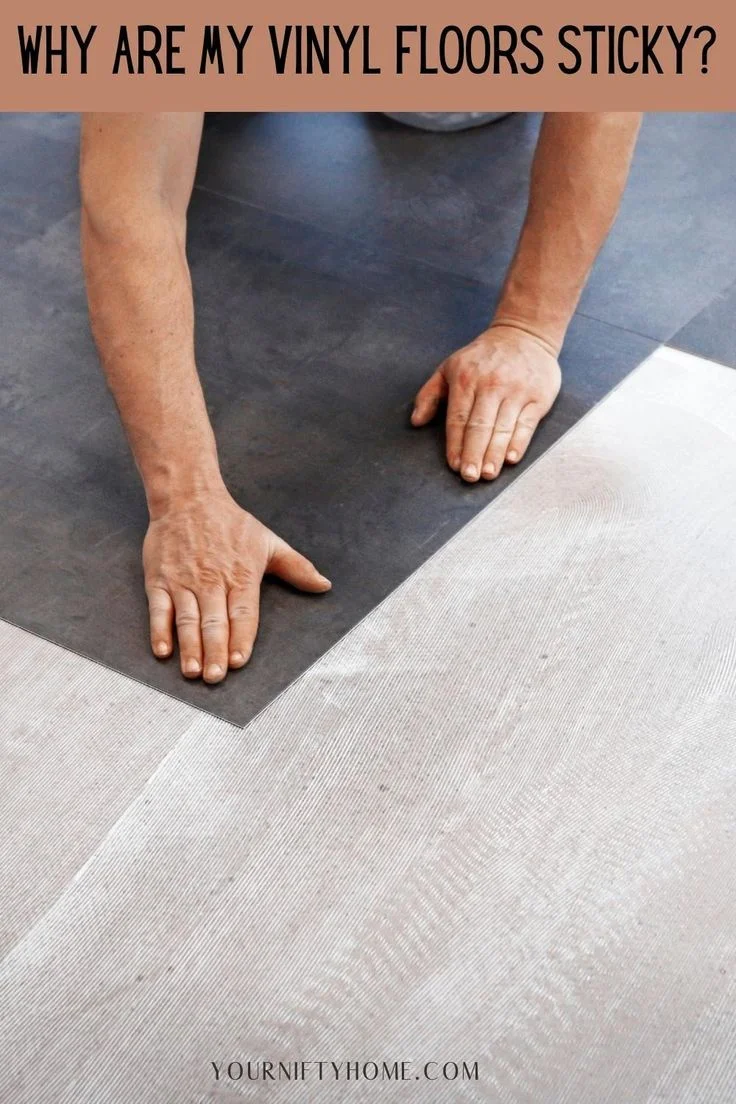
Knowing the difference helps you choose the right fix and avoid damaging the finish.
Sticky from cleaning residue vs. sticky from spills, grease, or grime
Cleaning residue usually feels like a thin film across the surface. It may smear when wiped with a damp cloth and can leave streaks even after the floor looks dry.
Spill-related stickiness is often localized. Kitchen grease, sugary drink spills, pet mess, and tracked-in grime usually create heavier patches that need spot treatment before general mopping.
Signs the problem is isolated to high-traffic zones, kitchens, or entryways
If the stickiness is strongest near the entry, around the sink, or in front of the stove, the cause is often tracked dirt or grease buildup. Hallways and paths between rooms can also collect residue faster because they get cleaned often but not always rinsed well.
In those areas, a floor may feel sticky only after shoes, pet paws, or humidity react with the leftover film. That is common in small apartments where traffic is concentrated in a few narrow zones.
When the floor finish itself may be failing or damaged
If the floor still feels tacky after proper cleaning and rinsing, the finish may be worn, soft, or breaking down. This is more likely on older hardwood, damaged vinyl, or laminate that has taken on moisture over time.
In that case, cleaning alone may not solve it. You may need a flooring professional to check whether the finish, adhesive, or subfloor is involved.
Sticky does not always mean dirty. Sometimes it means the floor has a residue layer that needs removal, not more cleaner.
Floor-Type Compatibility: What Works on Tile, Vinyl, Laminate, Hardwood, and LVP
Apartment floors vary a lot, and the wrong method can create the same sticky feeling you were trying to remove. The safest fix depends on the floor type, the finish, and how much moisture the surface can handle.

Ceramic and porcelain tile: grout haze, soap film, and mop-water issues
Tile is durable, but it can still feel sticky when soap film or hard-water residue dries on the surface. Grout can also hold onto cleaner, which makes the surrounding tile seem tacky even when the tile itself is fine.
If you are cleaning porcelain, a method designed for the surface can help reduce film buildup. For more detail, FloorsMop also covers how to mop porcelain tile floors without leaving residue behind.
Luxury vinyl plank and sheet vinyl: avoiding dulling residue and over-wetting
Luxury vinyl plank and sheet vinyl often show residue quickly because the surface is smooth and low-absorption. Too much cleaner can leave a dull, tacky layer that attracts dust.
Over-wetting is another issue. Water can seep into seams or edges and make the floor feel sticky or soft, especially if the mop is too wet or the room has poor airflow.
Laminate: why excess moisture and harsh cleaners create tacky spots
Laminate is especially sensitive to moisture and strong cleaners. Excess water can affect the top layer and make certain spots feel sticky, rough, or swollen.
Harsh products can also leave a film that does not rinse away easily. If you are unsure about steam or moisture on this surface, review guidance like can you use a steam mop on laminate floors before trying a stronger method.
Hardwood: finish-safe cleaning and why “squeaky clean” can still feel sticky
Hardwood can feel sticky when the finish has cleaner residue on top of it. That is especially common if the floor was sprayed heavily or mopped with a product meant for shine rather than simple cleaning.
Even when hardwood looks polished, it should not feel grabby underfoot. If you need a broader floor-care reference, see how often to mop hardwood floors so you do not overclean and build up residue.
How to match the right cleaner, mop, and water temperature to each floor
In general, use the mildest cleaner that gets the job done, the least amount of water the floor can handle, and a clean mop head. Hot water may help dissolve grease on some surfaces, but it is not always better for every floor or product.
Cleaning Tip
When in doubt, start with a small test area using a diluted cleaner and a nearly dry mop. If the floor feels less tacky after drying, you are moving in the right direction.
- Tile and vinyl floors that need a light residue-free clean
- Laminate and hardwood floors that need minimal moisture
- Small apartments where quick drying matters
- Strong shine products on smooth floors
- Excess water on laminate and wood
- Steam on surfaces not approved for it
Common Apartment Cleaning Mistakes That Leave Floors Sticky
Sticky floors are often the result of good intentions and the wrong technique. A lot of apartment cleaning mistakes are subtle, so the floor looks clean until you step on it barefoot.
Using too much cleaner or mixing products
More cleaner does not mean cleaner floors. In fact, too much product can leave behind a film that is harder to remove than the original dirt.
Mixing products is another problem. Some combinations can leave residue, reduce performance, or create a surface that feels slippery at first and sticky later.
Not rinsing after detergent-based mopping
Detergent-based cleaners often need a rinse pass, especially on tile, vinyl, or floors that were cleaned repeatedly. If the cleaner is left to dry on the surface, it can form a tacky layer.
This is one of the most common reasons a floor feels worse after mopping than before.
Dirty mop heads, reused buckets, and spreading residue around
A dirty mop head does not just move dirt; it can spread old cleaner across the room. The same goes for a reused bucket that still contains cloudy water or leftover product.
If you are not cleaning the mop itself, you may be reapplying the same residue every time you mop. That is why mop maintenance matters as much as the floor-cleaning product.
Cleaning with hard water, cold water, or the wrong microfiber pad
Hard water can leave mineral deposits that feel chalky or sticky once dry. Cold water may also make some cleaners less effective, which can leave behind partially dissolved residue.
The wrong microfiber pad can make things worse if it is too aggressive for the finish or too thin to pick up film. Matching the pad to the floor matters more than many renters expect.
Overusing “shine” sprays, waxes, and all-purpose disinfectants
Shine sprays and wax-like products can make floors look polished, but they may also leave buildup. That buildup often shows up as tackiness in bright light or near traffic lanes.
All-purpose disinfectants can also leave residue if they are not meant to be used as a no-rinse floor cleaner. If you want a cleaner that is easier to control, read about using floor cleaner with a regular mop and adjust carefully for your surface.
Do not keep layering stronger cleaner over a sticky floor. That usually traps more residue and can make the finish harder to restore.
How to Fix Sticky Apartment Floors Step by Step
The goal is to remove residue, not just cover it up. A careful reset cleaning usually works better than repeated mopping with more product.
Sweep or vacuum first so dust, crumbs, and pet hair are not dragged into a paste. This matters even more in small apartments where debris collects along baseboards and under furniture.
Use a properly diluted cleaner, then follow with a second pass using clean water if the surface allows it. A rinse pass is often what removes the sticky layer left by detergent or disinfectant.
Use a targeted cleaner for the problem area instead of scrubbing the entire apartment again. Kitchen floors often need grease removal, while entryways may need extra attention for tracked dirt and salt.
Open windows if possible, run a fan, and avoid walking on the floor until it is fully dry. Proper drying helps prevent fresh dust from sticking to the remaining film.
Practical example: fixing a sticky LVP kitchen floor after repeated mopping
Say a kitchen LVP floor feels tacky after several rounds of cleaning. That often means the cleaner was used too heavily, the mop was too wet, or grease was never fully lifted before the final pass.
A better fix is to dry-sweep first, mop with a diluted cleaner, then do a very light rinse with clean water and dry the floor quickly. If the tackiness remains only near the stove or sink, the issue may be grease buildup rather than general residue.
- Sweep or vacuum first
- Use a diluted cleaner only
- Rinse if the product requires it
- Change dirty mop water often
- Dry the floor fully before use
Preventing Sticky Floors in Small Apartments and Shared Spaces
Prevention is easier than stripping residue later. In apartments, the same few pathways get used constantly, so a simple routine is usually enough if it is consistent.
Weekly cleaning routine for busy renters and roommates
A realistic routine usually includes dry debris removal several times a week and a light wet clean when needed. Shared apartments often benefit from a “little and often” approach instead of one heavy weekend cleaning session.
If roommates or guests are tracking in dirt, focus on the entry and kitchen first. Those zones are the most likely to develop sticky buildup.
Best mop choices for apartment living: spray mop, flat mop, or spin mop
Spray mops are convenient for small spaces, but they can encourage overuse of cleaner if you keep spraying without rinsing. Flat mops are often good for controlled moisture and even coverage.
Spin mops can work well too, especially if you want more control over water content. The best choice depends on floor type, storage space, and how often you plan to clean.
How much cleaner to use for different floor sizes and layouts
Small apartments do not need a heavy dose of cleaner. In many cases, a lightly damp mop with a properly diluted solution is enough for routine maintenance.
Large open layouts may need more refilling and more frequent pad changes, but not necessarily more product concentration. More liquid is not the same as better cleaning.
Simple habits that reduce buildup in entryways, kitchens, and pet areas
Use mats at the entry, wipe spills quickly, and keep pet paws clean after wet weather. These habits reduce the amount of grime that reaches the floor in the first place.
Also, wash or replace mop pads regularly. If you want a cleaner mop system overall, FloorsMop has a helpful guide on cleaning a mop head without a washing machine.
When to Ask a Flooring Professional Instead of DIY Cleaning
Most sticky-floor problems can be improved with better cleaning technique. But there are times when the issue is deeper than residue and should be checked by a flooring professional.
Persistent tackiness after proper cleaning and rinsing
If you have already cleaned, rinsed, dried, and spot-treated the floor and it still feels sticky, the problem may not be surface dirt. At that point, continuing to scrub can risk damage without solving the cause.
Signs of finish failure, adhesive bleed-through, or subfloor moisture
Watch for soft spots, bubbling, uneven shine, discoloration, or areas that feel tacky only after humidity changes. Those signs can point to finish failure, adhesive issues, or moisture under the floor.
That is especially important in rentals, where hidden damage can affect your security deposit or lead to a bigger repair issue later.
When professional refinishing, stripping, or deep restoration may be needed
Some floors need stripping, refinishing, or a restoration process that goes beyond normal cleaning. This is more likely on older hardwood, heavily coated surfaces, or floors with years of layered product buildup.
If you are unsure whether a cleaner is compatible with your finish, a professional assessment is safer than guessing.
Cost comparison: DIY supplies vs. professional floor assessment or repair
DIY cleaning is usually the lower-cost first step because it mainly involves cleaner, pads, and a mop system you may already own. But repeated trial-and-error can waste supplies and still leave the floor sticky.
Cost Note
If the floor needs stripping, repair, or moisture diagnosis, a professional visit may save money by preventing finish damage and repeated product purchases.
Final Recap: The Fastest Way to Stop Sticky Floors and Keep Them Clean
Sticky apartment floors usually come from residue, not just dirt. The fastest fix is to remove dry debris, clean with the right dilution, rinse if needed, and dry the surface completely.
Key takeaways for renters, move-out cleaning, and everyday maintenance
For renters, move-out cleaning, and shared apartments, the best strategy is simple: use less product, change dirty water often, and match the method to the floor type. Tile, vinyl, laminate, and hardwood all react differently to moisture and cleaner buildup.
Floor-safe habits that prevent residue buildup long term
Keep mop heads clean, avoid mixing products, and do not rely on shine sprays for regular maintenance. Small habits like entry mats, quick spill cleanup, and controlled moisture can prevent most sticky-floor problems before they start.
Closing note from Emma Whitmore on choosing smarter cleaning methods in 2025
As Emma Whitmore, I’d keep this simple: the cleaner-looking floor is not always the cleaner floor. In 2025, smarter floor care means using fewer shortcuts, more floor-specific methods, and a little more attention to what the surface is actually telling you.
🎥 Related Video: Use These Tools to Dust Your Home the Right Way | Day 17 Spring Cleaning Spree 2024 #cleaning #howto
📺 Clean That Up
Welcome to Week Four of the Spring Cleaning Spree 2024! This week we are going to be starting in our living room by dusting all …
Frequently Asked Questions
Sticky floors usually happen when cleaner, disinfectant, or soap residue is left behind. Too much product, dirty mop water, or skipping a rinse can make the surface tacky.
Sweep first, then mop with a properly diluted cleaner and follow with a clean rinse pass if the floor type allows it. Dry the surface fully so residue does not attract dust again.
Yes, using too much cleaner is one of the most common causes of stickiness. Extra product can dry into a film that feels tacky or leaves streaks.
Kitchens collect grease, spills, and foot traffic, so residue builds up faster there. Entryways and pet areas can also get sticky because they trap dirt and moisture.
Sometimes, but not always. If the floor stays sticky after proper cleaning and rinsing, the finish, adhesive, or subfloor moisture may need professional attention.
Laminate, hardwood, and luxury vinyl plank can show residue quickly if too much moisture or cleaner is used. Tile is more durable, but it can still feel sticky from soap film or grout buildup.
