Deck Floor Guide for Choosing the Best Outdoor Surface

The best deck floor depends on your climate, traffic level, and how much cleaning you want to do. Wood offers classic appeal, while composite, PVC, and stone can reduce some maintenance if you match the material to the space.
If you are comparing a deck floor guide for a new outdoor space or trying to clean the one you already have, the best choice depends on more than looks. Climate, traffic, slip resistance, and how much upkeep you want all matter before you buy, seal, or scrub.
- Material fit: Match the deck surface to weather, shade, and use.
- Cleaning safety: Use the gentlest method that still removes grime.
- Slip control: Texture helps traction but can trap dirt and moisture.
- Cost reality: Include sealing, repairs, and replacement in total ownership cost.
- Pro help: Ask for expert advice if you see rot, soft spots, or finish failure.
What a Deck Floor Guide Should Help You Decide Before You Buy or Clean
A good deck floor guide should make the decision easier, not just list materials. For most homeowners, the real question is how a surface will perform through rain, sun, spills, pollen, and regular foot traffic.
That is why it helps to think about both purchase-time decisions and cleaning-time decisions together. The same material that looks beautiful on day one may need more maintenance, or more careful cleaning, than you expected.
Matching deck surface choice to climate, foot traffic, and maintenance goals
Hot, sunny climates can fade some boards faster and make certain surfaces uncomfortable underfoot. Wet or shaded areas often need extra attention because moisture can encourage algae, mildew, and slippery buildup.
Foot traffic matters too. A quiet seating area has different needs than a deck used for grilling, pets, kids, or frequent entertaining. If your goal is low maintenance, it usually makes sense to prioritize surfaces that clean with simple rinsing and gentle scrubbing.
How homeowner intent changes the right recommendation: durability, appearance, safety, or easy cleaning
Some people want the most natural look, while others care most about durability or easy cleanup. There is no single best deck floor for every home, because the right answer depends on what you value most.
If safety is the priority, traction and drainage become more important than color. If appearance matters most, you may accept more upkeep, as long as you understand the cleaning routine that comes with it.
Before choosing a cleaner, identify the exact deck material and finish. A product that works well on one surface can leave residue, dullness, or damage on another.
Deck Floor Material Types and Which Outdoor Conditions They Handle Best
Different deck surfaces handle weather and cleaning in different ways. The material itself, plus any coating, texture, or sealant, can change how often you need to clean and how careful you need to be.
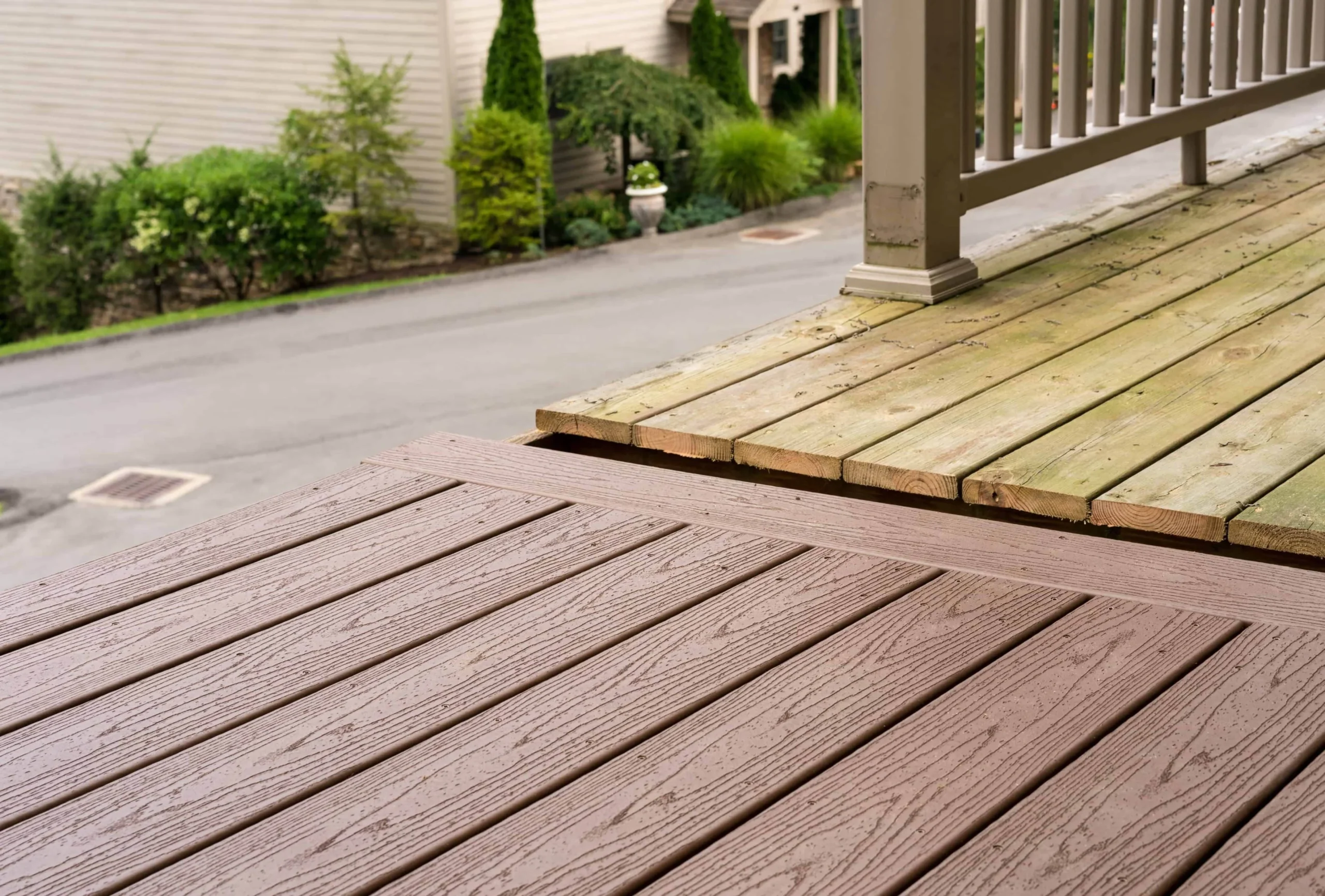
Wood decking: cedar, redwood, and pressure-treated lumber compatibility with cleaning routines
Wood decks have a classic look and can be refreshed with sanding, staining, or sealing when needed. Cedar and redwood often have a more natural appearance, while pressure-treated lumber is widely used for its practicality and availability.
Wood is usually more sensitive to moisture, strong chemicals, and aggressive washing than synthetic options. Gentle sweeping, mild soap, and periodic sealing are often the safest starting points, though the exact routine depends on the wood species and finish.
Composite decking: stain resistance, mildew concerns, and low-maintenance appeal
Composite decking is popular because it often resists many common stains better than bare wood. It also appeals to homeowners who want less sanding, staining, or sealing over time.
That said, composite is not maintenance-free. Dirt can settle into surface texture, and mildew can still appear in damp or shaded areas, especially if debris is allowed to sit too long.
PVC and vinyl deck boards: moisture resistance and heat-related considerations
PVC and vinyl deck boards are often chosen for strong moisture resistance and simple cleaning. They can be a good fit in wet climates or around spaces that see frequent splashing.
One thing to watch is heat. Some lighter synthetic boards are easier to walk on in the sun than darker ones, but surface temperature varies by color, location, and product design, so it is worth checking manufacturer guidance before buying.
Stone, concrete, and tile patio surfaces used as deck-adjacent flooring options
Many outdoor living spaces use stone, concrete, or tile near the deck rather than on it. These surfaces can look polished and hold up well in the right setting, but they often have different cleaning needs than wood or composite.
Porous stone and textured concrete may stain more easily than sealed surfaces, while tile can be durable but sensitive to grout care. If your outdoor area mixes materials, it helps to clean each one separately instead of using the same method everywhere.
How to Compare Deck Surfaces for Cleaning, Slip Resistance, and Longevity
When comparing deck floor options, look beyond the label and think about how the surface behaves in real use. A material that is easy to install is not always easy to keep clean.
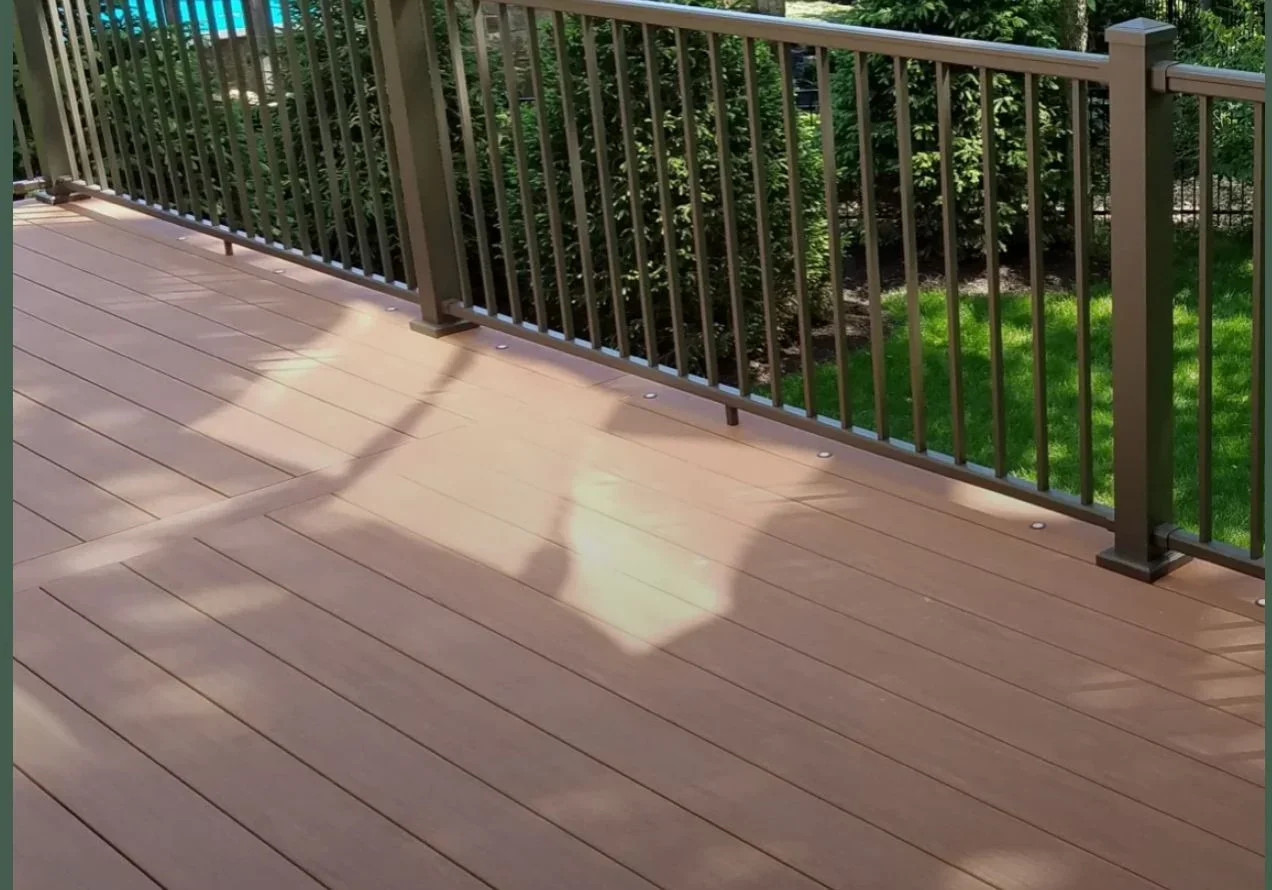
Surface texture and how it affects dirt buildup, algae, and traction
Grooved or heavily textured boards can improve traction, but they may also trap dirt, pollen, and organic debris. Smooth surfaces are usually easier to sweep, though they may show scratches or wet footprints more easily.
Algae and mildew tend to appear faster where moisture lingers and airflow is limited. If your deck sits under trees or stays damp after rain, texture and drainage matter as much as style.
Porosity, sealing needs, and stain penetration
Porous materials absorb spills more readily, so stains can set in faster if cleanup is delayed. This is especially important for wood, unsealed concrete, and some natural stone surfaces.
Sealing can help, but sealants are not permanent. They wear over time, and the right maintenance schedule depends on exposure, product type, and how much the deck is used.
UV exposure, fading, warping, and seasonal wear in 2025 outdoor spaces
Outdoor surfaces still face the same basic issues in 2025: sun, moisture, temperature swings, and seasonal debris. UV exposure can fade color, dry out wood, and make some finishes look uneven over time.
In colder or wetter regions, freeze-thaw cycles and repeated wet-dry changes can stress materials further. Even durable surfaces may show wear if drainage is poor or furniture traps moisture in one spot. [Source: CDC]
For outdoor surfaces, longevity often depends as much on drainage and airflow as on the material itself. A well-chosen deck floor can still fail early if water sits under planters, mats, or furniture.
Best Cleaning Methods for Each Deck Floor Type
The safest cleaning method is usually the one that removes dirt without stripping finish or forcing water into the wrong places. A light routine done regularly is often better than a harsh deep clean done too late.
Safe sweeping, rinsing, and spot-cleaning routines for wood decks
For wood, start with dry debris removal. Sweeping or using a leaf blower can help prevent grit from grinding into the surface during wet cleaning.
Then use a mild cleaner and a soft brush for spot treatment. Rinse gently, and avoid soaking the boards longer than needed, especially if the wood is older or the finish is already worn.
Composite deck cleaning: soap-and-water care, soft brushes, and stain removal
Composite decks often respond well to soap and water, plus a soft-bristle brush for textured areas. This approach is usually enough for everyday dirt, pollen, and light grime.
For tougher spots, check whether the stain is organic, greasy, or rust-related before choosing a remover. A product that works on one stain type may not help another, and some spot treatments can affect the board finish if left on too long.
Cleaning PVC, concrete, tile, and stone without damaging the finish
PVC and vinyl boards usually tolerate simple washing, but still benefit from non-abrasive tools. For concrete, tile, and stone, it is important to match the cleaner to the surface and any grout or sealer present.
Acidic cleaners can be risky on some natural stones, and harsh scrubbing may dull a coated finish. If you are unsure, test in a small hidden area first and wait for it to dry before cleaning the full surface.
When pressure washing helps and when it causes permanent surface damage
Pressure washing can help remove built-up grime, but it is not the right choice for every deck floor. Too much pressure can raise wood grain, strip coatings, force water into seams, or leave visible etching.
If you use a pressure washer, keep the setting conservative and follow the material guidance closely. When a deck already has loose boards, soft spots, or failing finish, pressure washing can make the problem worse instead of better.
Do not treat every outdoor surface like sealed concrete. Bleach, strong acids, and high-pressure spray can permanently damage wood, composite, stone, grout, or protective coatings.
Common Deck Floor Cleaning Mistakes That Shorten Surface Life
Many deck problems start with well-intended cleaning habits. The wrong product or method can shorten the life of the surface even when the deck looks clean at first.
Using harsh bleach, abrasive pads, or acidic cleaners on the wrong material
Bleach may seem like a quick fix for mildew, but it can discolor or weaken some finishes and can be too aggressive for certain materials. Abrasive pads can also leave scratches or remove protective layers.
Acidic cleaners are especially risky on stone, grout, and some coated surfaces. If you are trying a new product, read the label carefully and avoid assuming that outdoor use means universal compatibility.
Scrubbing too aggressively on grooved or coated boards
Grooved boards and coated surfaces often need a gentler hand than smooth concrete. Heavy scrubbing can wear down texture, alter sheen, or leave uneven marks that are hard to reverse.
It is usually better to let the cleaner do more of the work. Give it time to loosen dirt, then use a soft brush instead of forcing the stain off with pressure.
Ignoring drainage, trapped debris, and moisture under furniture or planters
Leaves, dirt, and wet debris can hold moisture against the surface. Furniture legs, planters, and outdoor rugs can trap dampness and create spots where mildew or discoloration develops faster.
Move items occasionally, lift mats to dry, and clear drainage paths after storms. These small habits often do more for deck life than occasional heavy cleaning.
Cleaning too late after spills, mildew growth, or seasonal pollen buildup
Spills are easier to remove before they sink in or dry sticky. The same is true for pollen, which can turn into a slippery film if it is left through a wet spell.
Mildew is also easier to manage early. Once growth becomes embedded or staining deepens, you may need stronger treatment, and there is no guarantee the surface will return to its original look.
Cost and Maintenance Comparison of Popular Deck Floor Options
Cost is not only about what you pay upfront. Cleaning time, sealing, repairs, and replacement cycles all affect the real long-term value of a deck floor.
Upfront cost versus long-term cleaning and repair expenses
Lower upfront cost can be appealing, especially for large outdoor areas. But a cheaper material may require more frequent staining, sealing, or repairs, which adds up over time. [Source: Wikipedia]
More expensive materials may reduce some maintenance tasks, but they still need routine cleaning and occasional care. The right choice depends on whether you want to save now or simplify upkeep later.
Budget-friendly wood versus mid-range composite versus premium PVC or stone
Wood is often the budget-friendly starting point, especially when appearance matters and you are comfortable with ongoing care. Composite sits in the middle for many homeowners because it balances convenience with a polished look.
PVC and stone are often viewed as premium options, though the total cost can vary widely by product and installation. Premium does not automatically mean easier cleaning, so it is worth comparing maintenance expectations as carefully as the purchase price.
How sealing, staining, and replacement cycles affect total ownership cost
Wood usually needs the most attention over time because sealing and staining are part of its upkeep in many settings. Composite and PVC may avoid those steps, but they can still need specialty cleaners or occasional repairs.
If a surface has a shorter replacement cycle, the lower upfront price may not be the best value. Long-term ownership cost is often about how often you will clean, protect, and eventually replace the material.
When comparing deck flooring, include cleaner refills, sealers, brushes, replacement pads, and repair time in the total. The cheapest surface to buy is not always the least expensive to maintain.
When to Ask a Flooring Professional About Your Deck Surface
Some deck issues go beyond routine cleaning. If the surface may have structural damage or hidden moisture, a professional opinion can save time and reduce risk.
Signs of structural damage, soft spots, rot, or hidden moisture issues
If boards feel soft, shift underfoot, or show signs of rot, cleaning alone will not fix the problem. Hidden moisture can also create damage under the surface before it becomes obvious on top.
In those cases, it is smart to stop aggressive cleaning and have the deck inspected. Safety should come before appearance, especially on elevated or heavily used outdoor spaces.
Persistent mold, deep staining, or finish failure that DIY cleaning cannot fix
Some discoloration is more than surface dirt. If mold keeps returning, stains remain after repeated gentle cleaning, or the finish is peeling or failing, the issue may be deeper than routine maintenance.
A pro may be able to tell whether the surface needs restoration, refinishing, or replacement. That is especially helpful when you are trying to protect an expensive material or preserve a warranty.
Choosing a pro before major refinishing, resurfacing, or material replacement
Before sanding, recoating, resurfacing, or replacing a deck floor, it helps to confirm that the base structure is sound. A new surface on top of a failing substructure is rarely a good long-term fix.
Professional guidance is also useful when the deck combines multiple materials, such as wood with stone or tile accents. Different surfaces may need different products, drying times, and protection methods.
Final Recap: Choosing the Best Outdoor Surface for Your Deck and Cleaning Routine
The best deck floor is the one that fits your climate, your use pattern, and the amount of care you are willing to give it. A surface that looks great but is hard to clean may become frustrating fast, while a practical option can stay attractive with the right routine.
If you want a simple deck floor guide to remember, start with safety, then cleaning, then cost. That order helps you choose a surface that works in real life, not just in a showroom.
Simple decision checklist for balancing appearance, safety, maintenance, and budget
- Match the surface to your climate and shade level.
- Check traction if the deck gets wet often.
- Confirm what cleaners are safe for the material and finish.
- Plan for sealing, staining, or specialty care if needed.
- Think about drainage, furniture placement, and debris buildup.
Quick takeaway on selecting a deck floor that fits real-world outdoor living in 2025
In 2025, the smartest deck choice is still the one that balances durability, appearance, and easy cleaning with honest maintenance expectations. If you choose carefully now, your outdoor surface will be easier to care for for years to come.
Frequently Asked Questions
Composite and PVC decks are often easier to clean because they usually need only mild soap, water, and a soft brush. The best choice still depends on the finish, texture, and how much dirt or mildew your space collects.
No, pressure washing is not safe for every deck surface. It can damage wood grain, coatings, grout, stone, or seams if the pressure is too high or the nozzle is too close.
Light sweeping and debris removal should be done regularly, especially after storms or heavy pollen. Deeper cleaning depends on use, shade, and material, but waiting until grime builds up usually makes the job harder.
Composite is usually lower maintenance than wood, but it still needs regular cleaning. Dirt, mildew, and stains can still appear, especially in damp or shaded areas.
Start with sweeping, then use a mild cleaner, soft brush, and gentle rinsing. Avoid harsh bleach, abrasive pads, and aggressive washing unless the product label and deck manufacturer specifically allow it.
Call a professional if you notice soft spots, rot, movement, hidden moisture, or damage that keeps returning after cleaning. It is also wise to get help before major refinishing or replacement decisions.