
Porch Floor vs Outdoor Concrete Which Is Better

Outdoor concrete is usually easier to clean and maintain, while porch floors often offer more comfort and style but need gentler care. The better choice depends on your surface type, finish, and how much maintenance you want to do.
When you compare porch floor vs outdoor concrete, the better choice depends less on looks and more on how you plan to clean, maintain, and use the space. Some porch floors are easier on your feet and more forgiving for gentle cleaning, while outdoor concrete usually tolerates tougher scrubbing but can be vulnerable to coatings and decorative finishes.
This guide breaks down the practical differences so you can choose the safest cleaning method, avoid surface damage, and keep curb appeal looking consistent through the seasons. If you want a broader routine for exterior surfaces, FloorsMop also covers daily floor cleaning basics and other simple maintenance habits that help prevent buildup before it becomes a bigger job.
- Cleaning ease: Plain concrete is usually the lowest-maintenance option.
- Surface sensitivity: Painted, sealed, wood, and stamped finishes need gentler cleaning.
- Best method: Match water, pressure, and chemicals to the exact material.
- Common risk: Too much moisture can damage wood and some coatings.
- Professional help: Call for cracks, soft spots, sealer failure, or deep staining.
Porch Floor vs Outdoor Concrete: What Homeowners Need to Know in 2025
Why this comparison matters for porch maintenance and curb appeal
Porch floors and outdoor concrete may both sit outside, but they age differently and respond differently to water, cleaners, and scrubbing. A covered porch often collects pollen, dust, and tracked-in debris, while concrete tends to show mud, oil, rust, and weather staining more clearly.
That matters because the wrong cleaning method can dull paint, raise wood grain, strip sealers, or leave concrete patchy. For many homeowners, the goal is not just a clean surface, but one that still looks even, safe, and well-kept after cleaning.
Who this guide is for: homeowners, renters, and DIY cleaners
This article is for anyone cleaning a front porch, back entry, patio landing, or small outdoor sitting area. It is also useful for renters who need to protect a surface they do not own, and for DIY cleaners who want to avoid overdoing pressure, chemicals, or water.
If you are unsure whether a surface is sealed, painted, or decorative, it is safer to treat it as delicate first. That approach reduces the chance of damage and gives you room to test a small area before cleaning the entire space.
Porch Floor vs Outdoor Concrete: Key Differences in Material, Finish, and Durability
Common porch floor types: wood, composite, tile, painted surfaces, and sealed systems
Porch floors can be made from wood planks, composite decking, tile, painted subfloors, or sealed systems designed for exterior use. Each one behaves differently under moisture, and each one has its own tolerance for scrubbing and cleaners.

Wood can look beautiful but needs the most caution with water. Composite is often easier to rinse, though strong solvents can still discolor it. Tile may handle water well, but grout lines can trap dirt. Painted and sealed porch floors usually need the gentlest approach because aggressive cleaning can wear down the finish.
Common outdoor concrete surfaces: broom-finished, stamped, stained, sealed, and exposed aggregate
Outdoor concrete is not one uniform surface. Broom-finished concrete is usually plain and practical, stamped concrete adds texture and pattern, stained concrete adds color, sealed concrete has a protective layer, and exposed aggregate shows stone for a decorative effect.
These finishes change how the surface absorbs water and how much friction it has during cleaning. A plain broom finish is often the most forgiving, while stamped or sealed concrete can be more sensitive to pressure, acids, or harsh degreasers.
How texture, porosity, and coating affect cleaning results
Texture determines how easily dirt clings to the surface. Porosity affects how quickly spills soak in, and coatings affect whether cleaners sit on top or break through the finish. That is why the same soap-and-water mix can work well on one surface and cause streaking or residue on another.
Always identify the surface first if you can. A quick check for paint, sealer, grout, or wood grain can save you from using the wrong cleaner or too much water.
If you are dealing with a surface that already looks cloudy, streaked, or dull after cleaning, the issue may be residue or finish wear rather than dirt. In those cases, a guide like streaky floors cleanup tips can help you narrow down the cause before you try another product.
Cleaning Compatibility: Which Surface Handles Water, Chemicals, and Scrubbing Better?
Best cleaning approaches for porch floors by material type
Wood porch floors usually do best with dry debris removal, lightly damp mopping, and quick drying. Composite can often handle mild soap and soft brushing, but it should still be rinsed carefully to avoid residue. Tile can tolerate more moisture, though the grout may need targeted attention.
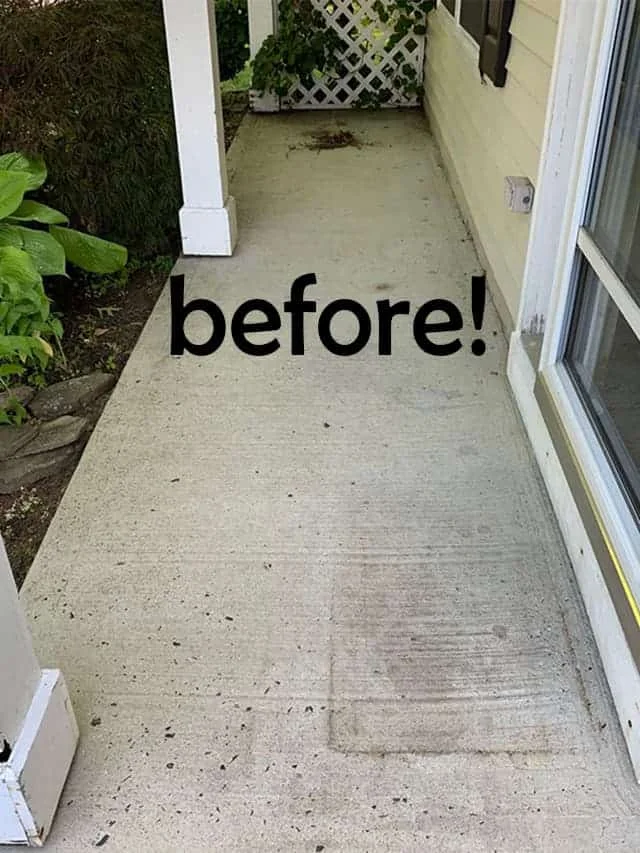
Painted porch floors and sealed systems are the most likely to show wear from strong chemicals or abrasive pads. For those surfaces, a neutral cleaner and a soft mop or microfiber pad are usually safer than anything gritty or highly alkaline.
Best cleaning approaches for outdoor concrete by finish
Broom-finished concrete can usually handle a wider range of cleaning tools, including deck brushes and moderate rinsing. Stamped, stained, or sealed concrete needs more restraint because the finish may be decorative as well as protective.
For concrete, start with sweeping or dry dust removal, then use a mild cleaner matched to the stain type. If you need more guidance on concrete-specific care, FloorsMop’s article on mopping concrete floors safely is a useful companion read for deciding when wet cleaning makes sense.
What pressure washing, mopping, and soft washing can safely do on each surface
Pressure washing can be effective on some outdoor concrete, but it is not automatically the best choice. Too much pressure can etch the surface, lift sealers, or leave visible wand marks, especially on decorative concrete. On porch floors, pressure washing is often too aggressive for wood, paint, and some composites. [Source: Healthline]
Mopping is usually better for covered porch floors and lightly soiled sealed surfaces. Soft washing, which relies on lower pressure and the right cleaner, is often the safer middle ground when you want to remove grime without blasting the finish.
- Porch floors with paint, sealers, or delicate finishes
- Outdoor concrete with light to moderate dirt
- Routine maintenance and spot cleaning
- High pressure on stamped or sealed concrete
- Standing water on wood porch floors
- Harsh degreasers on composite or painted surfaces
Practical Examples: Choosing the Right Cleaning Method for Real-Life Messes
Pollen, mud, and leaf stains on a covered porch floor
Pollen and dust on a covered porch are usually best handled with sweeping or vacuuming first, followed by a lightly damp mop. Mud should dry before removal so you can lift the debris without smearing it into seams or grain.
Leaf stains can linger on painted or porous porch surfaces, so test a mild cleaner in a small area before scrubbing the whole floor. If the porch is wood, avoid soaking the boards, because repeated wetting can lead to swelling or finish breakdown over time.
For dry porch debris, remove as much as possible before adding water. That small step often prevents muddy streaks and reduces how much cleaner you need.
Oil, rust, mildew, and tire marks on outdoor concrete
Outdoor concrete usually handles tougher messes better than porch flooring, but the stain type still matters. Oil often needs a degreasing cleaner, rust may need a product meant for mineral stains, mildew responds best to proper cleaning and drying, and tire marks may need repeated gentle scrubbing rather than one harsh pass.
Do not assume one strong cleaner will solve every stain. Some products can lighten the stain but also bleach the surrounding finish or leave the concrete looking uneven, especially if the surface is sealed or colored.
Seasonal cleaning scenarios for spring, summer, and winter prep
Spring cleaning often means pollen, winter residue, and early mildew. Summer brings dust, foot traffic, and more tracked-in grass or soil. Winter prep is about removing organic debris, checking drainage, and making sure water will not sit on the surface and freeze.
For outdoor spaces that get slippery during wet weather, safety matters as much as appearance. If you are also dealing with slick entry areas, FloorsMop’s slippery floors cleaning mistakes guide can help you avoid common habits that make surfaces more hazardous after cleaning.
Common Cleaning Mistakes That Damage Porch Floors and Outdoor Concrete
Using harsh chemicals on painted, sealed, or composite porch floors
Bleach-heavy or highly caustic cleaners can fade paint, weaken sealers, or leave composite looking blotchy. These surfaces often need gentler formulas, especially if the finish is older or already worn in high-traffic spots.
Over-wetting wood, forcing water into cracks, and creating rot risk
Wood porch floors can be damaged by too much standing water, especially around joints, edges, and fasteners. Water that sits in cracks or under loose boards can contribute to swelling, soft spots, and rot risk over time.
Do not flood a wood porch or let water sit in seams. Even if the floor looks clean right away, trapped moisture can create long-term damage that is harder to see at first.
Using too much pressure on concrete sealers, stamped finishes, or decorative coatings
Concrete can look tough, but decorative finishes are often more delicate than plain slab concrete. Excess pressure may remove sealer unevenly, dull the color, or leave a patchwork appearance that is difficult to fix without resealing.
Ignoring drainage, runoff, and slip hazards during cleaning
Cleaning should not create a new safety problem. If runoff pools on the porch or patio, it can leave a slippery film or carry dirt back onto the surface once it dries.
Good drainage and controlled rinsing matter just as much as the cleaner you choose. If a surface stays wet for a long time after washing, it may need better slope management, more drying time, or a different cleaning method altogether.
Cost, Maintenance, and Long-Term Value: Porch Floor vs Outdoor Concrete
Short-term cleaning costs, tools, and products to expect
Porch floor cleaning often costs less when you stick to basic tools like a broom, microfiber mop, bucket, and mild cleaner. Outdoor concrete may require a stronger brush, stain-specific products, or a pressure washer rental for heavier buildup, depending on the finish and the mess.
Long-term value usually comes from choosing the gentlest method that still works. A cheaper harsh cleaner can become expensive if it damages paint, sealer, or decorative concrete and forces early repair. [Source: CDC]
Ongoing maintenance differences over time
Porch floors often need more finish awareness. You may have to watch for peeling paint, worn sealant, loose boards, or grout issues. Outdoor concrete usually needs less structural attention, but it may need periodic stain treatment, sealing, or crack monitoring.
In practical terms, concrete is often easier to keep looking clean on a day-to-day basis, but decorative concrete can be costly to restore if the finish is damaged. Porch floors may take more routine care, yet they can offer a warmer and more comfortable feel underfoot.
Which surface is usually easier and cheaper to keep looking clean
For simple maintenance, broom-finished concrete is usually the easiest surface to clean and keep presentable. It is generally more forgiving of dirt, rinsing, and scrubbing than painted porch flooring or delicate decorative finishes.
That said, the cheapest surface to maintain is the one that matches your habits. If you prefer light cleaning and a softer look, a well-finished porch floor may be easier to live with than decorative concrete that demands careful product choices.
When to Call a Flooring Professional Instead of Cleaning It Yourself
Signs of coating failure, deep staining, or structural moisture problems
If a porch floor is peeling, bubbling, soft, or showing dark moisture patches, cleaning alone may not solve the issue. The same is true for concrete with deep rust bleeding, widespread sealer failure, or stains that return quickly after washing.
When cracked concrete, soft wood, or loose tiles need expert repair
Cracks, movement, soft spots, and loose tiles can point to a repair issue rather than a cleaning issue. Scrubbing harder will not fix the underlying problem, and it may make the damage more visible.
Situations where professional assessment protects the finish and safety
If the surface is expensive, recently installed, under warranty, or part of a larger drainage problem, it is smart to ask a professional before trying a stronger cleaner or pressure wash. That is especially important when you are unsure whether the finish is sealed, painted, or decorative.
Professionals can also help when you need stain removal without changing the appearance of the surface. In those cases, the goal is not just a cleaner floor, but the right cleaning plan for the material.
Final Recap: Which Is Better for Cleaning and Everyday Outdoor Use?
Best choice for low-maintenance cleaning
For low-maintenance cleaning, outdoor concrete is usually the easier option, especially if it has a simple broom finish and a durable sealer. It generally handles dirt, rinsing, and scrubbing better than many porch floor materials.
Best choice for appearance, comfort, and surface versatility
For comfort and design flexibility, porch floors often win. Wood, tile, composite, and painted systems can create a more finished look and feel, but they usually require more careful cleaning and more attention to moisture and finish condition.
Quick takeaway for homeowners deciding between porch floor and outdoor concrete
If your priority is easy cleaning, plain outdoor concrete is usually the safer bet. If your priority is style, comfort, and a more tailored entryway look, a porch floor may be worth the extra maintenance as long as you clean it with the right method.
Frequently Asked Questions
It depends on the material and finish. Plain concrete is usually easier to maintain, while porch floors can be easier to spot-clean if they are sealed and kept dry.
Not always. Many concrete surfaces can handle moderate pressure, but wood, painted floors, stamped finishes, and some sealers can be damaged by strong spraying.
A mild, pH-neutral cleaner is usually the safest starting point. Always test a small hidden area first because older paint or sealers may react differently.
Streaks can come from residue, uneven rinsing, or wear in the sealer. If the surface still looks dull after drying, the issue may be the finish rather than the dirt.
Use a cleaner suited to the surface and keep the area well-rinsed and dry afterward. Avoid soaking wood or using harsh chemicals that can damage paint, composite, or sealers.
Call a professional if you see peeling coatings, soft wood, cracked concrete, deep staining, or drainage problems. Professional assessment is also wise for expensive or warranty-covered surfaces.
