
Beginner Guide to Balcony Floor for a Stylish Space

A beginner-friendly balcony floor should be chosen for weather, drainage, and how much maintenance you want to handle. The safest cleaning approach is usually gentle sweeping, mild washing, and careful drying based on the exact floor material.
A balcony floor has to do more than look good. It also needs to handle dust, weather, foot traffic, and safe cleaning without becoming slippery or damaged.
This beginner guide to balcony floor care will help you choose a surface that fits your space, clean it the right way, and avoid mistakes that shorten its life. For broader outdoor surface planning, you may also find FloorsMop’s balcony floor guide useful as a companion read.
- Choose by use: Match the floor to climate, traffic, and maintenance tolerance.
- Clean gently: Use the mildest method that safely removes dirt and stains.
- Dry fully: Prevent slips, mildew, and trapped moisture after washing.
- Watch for damage: Cracks, lifting, and recurring dampness need attention.
- Style stays easier: A clean, simple floor makes small balconies look polished.
Beginner Guide to Balcony Floor: What Makes a Stylish, Safe Outdoor Space in 2025
A stylish balcony starts with a floor that looks intentional, feels comfortable underfoot, and is easy to keep clean. Safety matters too, especially on small balconies where wet surfaces, loose mats, or poor drainage can create slip risks.
In 2025, the best balcony flooring choices tend to balance appearance, maintenance, and weather resistance. That balance matters even more in apartments and condos, where you may need renter-friendly options or surfaces that protect the original slab underneath.
Before buying any cleaner or accessory, check whether your balcony floor is sealed, painted, tiled, composite, or removable. The right cleaning method depends on the surface, not just the dirt.
Choosing the Right Balcony Floor for Your Space and Lifestyle
The right balcony floor depends on how you use the space. A coffee nook, plant corner, pet zone, or small dining area all create different cleaning and durability needs.
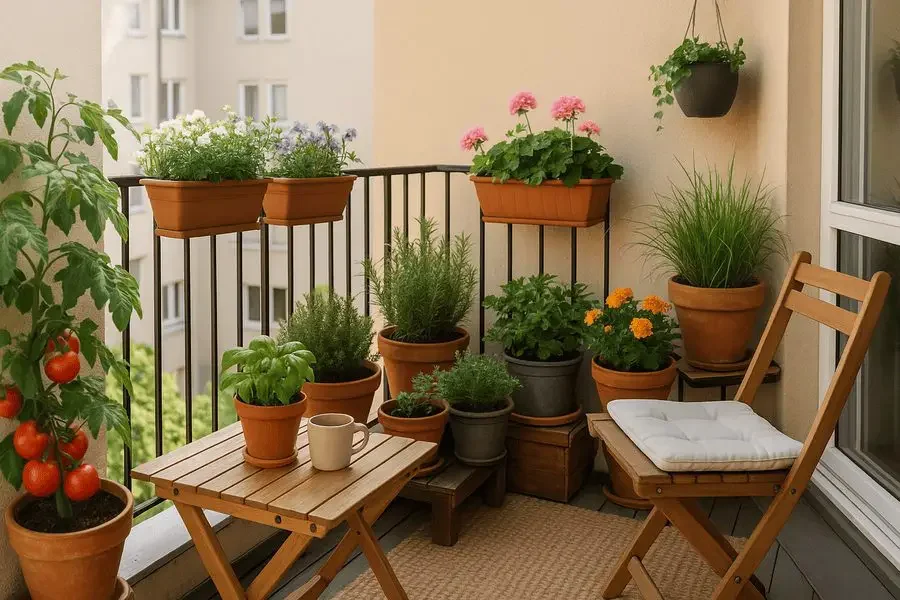
If you want a surface that feels polished but stays practical, think about maintenance first and style second. That order usually saves time and reduces damage later.
Best balcony floor types for apartments, condos, and small patios
For apartments and condos, common choices include porcelain tile, composite deck tiles, sealed concrete, interlocking outdoor tiles, and removable mats. These options are popular because they can be easier to clean than raw, porous surfaces.
Small patios often benefit from lighter colors or modular flooring that can be replaced in sections if one area wears faster than the rest. If you are comparing surface options, FloorsMop’s patio tiles vs balcony floor guide can help you think through the trade-offs.
How climate, sun exposure, and drainage affect material choice
Sun exposure can fade some finishes, dry out certain coatings, and make darker floors hotter underfoot. In wet or humid climates, drainage becomes even more important because standing water can lead to mildew, staining, or surface movement.
If your balcony gets frequent rain or morning dew, choose materials that dry quickly and avoid floor setups that trap water underneath. That is especially important with mats, deck tiles, and anything installed over an existing waterproof membrane.
Matching balcony flooring with your design style and maintenance tolerance
Minimalist spaces often look best with smooth tile, concrete, or neutral-toned composite planks. Cozy balconies may work better with wood-look finishes, layered rugs, or removable outdoor tiles that soften the space visually.
Be honest about your maintenance tolerance. If you want a floor that only needs light sweeping and occasional washing, avoid highly textured surfaces and porous materials that hold dirt in grooves.
Some balcony finishes look easy to maintain but become difficult once dust, pollen, and grime settle into texture or grout. Texture can improve traction, but it often increases cleaning effort.
Floor-Type Compatibility: How to Clean Different Balcony Surfaces Correctly
Cleaning a balcony floor correctly depends on what it is made of. The wrong product or tool can dull finishes, loosen grout, swell wood, or leave residue that attracts more dirt.
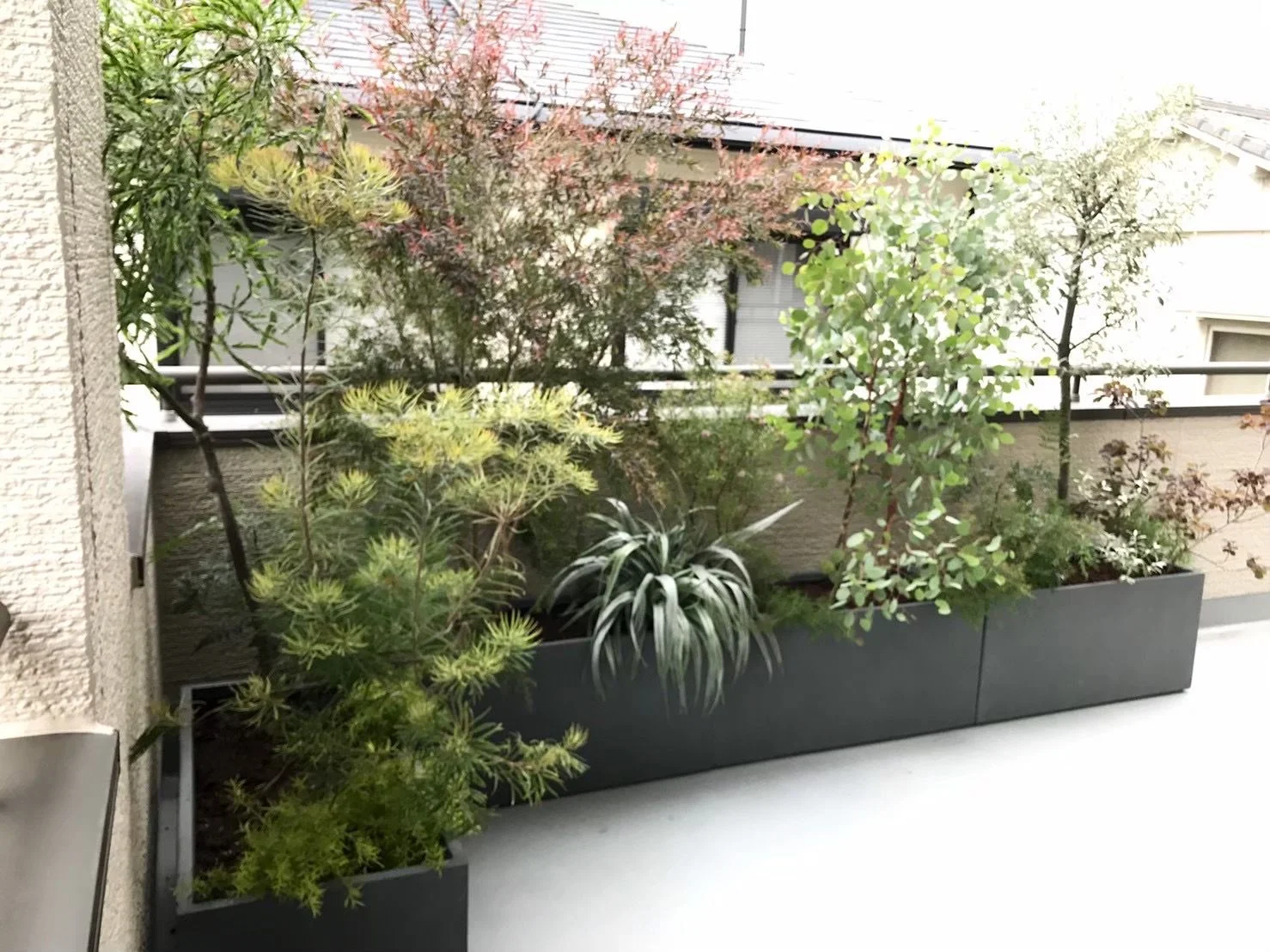
If you are not sure which surface you have, start with the gentlest method: dry debris removal, a damp mop or cloth, and a cleaner labeled safe for that material.
Tile and porcelain balcony floors
Porcelain tile is usually one of the easiest balcony surfaces to clean because it resists moisture well. Glazed tile often handles regular sweeping and mild soap-based washing, though grout lines may still need more attention.
A soft brush or microfiber mop works well for grit and dust. Avoid overly acidic or abrasive cleaners unless the manufacturer specifically allows them, since they can affect grout or dull some finishes over time.
Wood, composite, and deck-style balcony floors
Wood balcony floors need the most care because excess water, harsh scrubbing, and strong chemicals can cause swelling, fading, or finish breakdown. Composite decking is usually more forgiving, but it can still stain or discolor if residue sits too long.
Use light cleaning solutions, soft brushes, and controlled moisture. If the surface is deck-style, a helpful reference is FloorsMop’s deck floor guide for outdoor surface cleaning, which covers common outdoor deck-care concerns.
Concrete, stone, and painted balcony floors
Concrete is durable, but it can still stain if spills are left to sit. Stone may be strong yet porous, which means it can absorb moisture or cleaning products depending on the finish.
Painted balcony floors need extra caution because aggressive scrubbing can remove coating or create patchy wear. Test any cleaner in a small hidden area first, especially if the floor has an older sealant or decorative finish. [Source: EPA]
Interlocking balcony tiles, mats, and removable flooring systems
Interlocking tiles and removable flooring systems are popular for renters because they can be lifted for cleaning or replacement. The downside is that dirt, moisture, and mildew can collect underneath if the pieces are not removed and checked regularly.
Wash both the top surface and the underside when needed, then let everything dry fully before reinstalling. This is one of the easiest ways to prevent trapped moisture and odor.
Do not trap wet debris under modular flooring, outdoor mats, or planters. Hidden moisture can lead to mildew, staining, and long-term surface damage.
Step-by-Step Balcony Floor Cleaning Routine for Beginners
A simple routine is usually enough to keep a balcony floor looking clean. The goal is to remove grit before it scratches the surface and to wash only as much as the material safely allows.
Daily and weekly debris removal for dust, pollen, and grit
Start with dry cleaning. Sweep, vacuum with an outdoor-safe attachment, or use a dust mop to remove leaves, pollen, and gritty debris that can scratch the floor.
For busy balconies, a quick daily pass may be enough, while a more thorough weekly clean helps manage buildup. FloorsMop’s daily floor cleaning guide is a useful companion if you want a simple habit-based routine.
- Sweep or vacuum loose grit
- Check corners and under furniture
- Remove leaves and plant debris
- Spot-clean visible stains
- Let the floor dry fully
Safe washing methods for stubborn dirt, bird droppings, and stains
Use a mild cleaner suited to the floor type and apply it with a damp mop, microfiber cloth, or soft brush. For stubborn dirt, let the cleaner sit briefly if the product directions allow, then wipe rather than scrub hard.
Bird droppings and sticky spots should be cleaned as soon as possible, since they can stain or etch certain finishes. If you need a more structured routine, FloorsMop’s balcony floor cleaning checklist can help you stay organized.
Drying tips to prevent slips, mildew, and water pooling
After washing, remove standing water with a dry mop, towel, or squeegee where appropriate. Good airflow helps the floor dry faster, which is especially important for wood, composite, and removable systems.
If water keeps pooling in the same area, the issue may be drainage rather than cleaning. In that case, it is worth checking the slope, the drain opening, or the condition of the balcony surface.
Using the right cleaner and drying method usually costs less over time than replacing warped boards, stained grout, or damaged modular tiles. Small maintenance habits protect both appearance and long-term value.
Common Balcony Floor Cleaning Mistakes That Can Damage Surfaces
Many balcony floor problems come from cleaning too aggressively, too often, or with the wrong product. A careful routine is usually safer and more effective than a heavy-handed one.
Using harsh chemicals, abrasive tools, or too much water
Bleach-heavy products, gritty powders, steel wool, and stiff scrapers can damage finishes or leave scratches. Too much water can also seep into seams, under tiles, or into wood grain.
When in doubt, use the mildest cleaner that gets the job done. If a stain does not respond, it is usually better to try a safer second pass than to jump straight to a stronger chemical.
Ignoring drainage, grout lines, and hidden moisture buildup
Drainage issues are easy to overlook because the floor may look clean on top while moisture lingers below. Grout lines, corners, and the underside of removable tiles can hold dirt and water longer than the main surface.
That hidden buildup can create odors, mildew, or discoloration. If you notice recurring damp spots, inspect the area instead of only cleaning the visible top layer.
Cleaning mistakes that shorten the life of wood, composite, or coated floors
Wood and coated surfaces are especially sensitive to repeated soaking, strong degreasers, and harsh scrubbing. Composite floors can also lose their finish or develop a dull look if cleaned with the wrong products over time.
If you are caring for a more specialized surface, it may help to review a broader outdoor surface resource such as FloorsMop’s outdoor concrete guide for durable stylish spaces before deciding on a routine.
Do not assume every outdoor floor can handle the same cleaner. A product that works on concrete may be too harsh for wood, painted coatings, or sealed decorative tile.
Practical Balcony Styling Examples: Clean Floor Ideas for a Cozy, Modern Look
A clean balcony floor makes styling easier because furniture, rugs, and plants stand out more clearly. Even a very small space can feel intentional when the floor is neat and easy to maintain.
Small balcony setup with compact furniture and easy-clean flooring
For a small balcony, choose compact furniture with raised legs so you can sweep underneath it easily. Pair that with a floor that does not trap debris, such as smooth tile, sealed concrete, or low-profile composite decking. [Source: Healthline]
Simple styling often works best: one chair set, one small table, and a few planters. The less clutter you have on the floor, the easier it is to keep the space clean.
Renter-friendly balcony floor upgrades that are removable
Renters often need upgrades that improve the look of the balcony without permanently altering it. Interlocking tiles, outdoor mats, and removable deck systems can create a finished look while still being reversible.
Just remember that removable systems need occasional lifting and cleaning underneath. If you prefer a low-effort setup, choose pieces that dry quickly and can be moved without much hassle.
Family-friendly and pet-friendly balcony floor maintenance examples
Family and pet use usually means more crumbs, paw prints, and tracked-in dirt. In those cases, a floor with a forgiving finish and a simple cleaning routine is often better than a delicate decorative surface.
For pet owners, it helps to keep towels near the balcony door and to clean spills quickly. If you are also managing indoor messes from pets, FloorsMop’s beginner guide to pet home checklist may support your overall cleaning routine.
When to Ask a Flooring Professional for Balcony Floor Problems
Not every balcony issue can be solved with routine cleaning. Some problems point to damage, installation issues, or waterproofing concerns that need a professional opinion.
Signs of cracking, lifting, mold, structural damage, or waterproofing failure
Watch for cracked tiles, loose boards, soft spots, persistent mold, bubbling paint, or water that keeps appearing after the floor has dried. These can indicate deeper problems beneath the visible surface.
If the balcony is part of a larger building system, waterproofing concerns are especially important. Cleaning alone will not fix a floor that is moving, separating, or holding moisture underneath.
When cleaning is no longer enough and replacement may be needed
If stains keep returning, the finish is breaking down, or the floor feels unsafe underfoot, replacement may be the better long-term choice. That is especially true for older surfaces with repeated water damage or failing coatings.
When the floor is expensive, structurally integrated, or still under warranty, ask a professional before making major changes. A small consultation can prevent a much larger repair later.
Balcony Floor Costs, Care Trade-Offs, and Final Recap for Beginners
Balcony flooring choices usually come down to cost, upkeep, and appearance. The cheapest option is not always the easiest to live with, and the most attractive option is not always the most practical.
Comparing low-maintenance vs. premium balcony flooring options
Low-maintenance options often include sealed concrete, porcelain tile, and some composite surfaces. These can be easier to clean and may fit busy households better, though they still need routine care.
Premium finishes may offer a more refined look or more comfort, but they often require more careful cleaning and more attention to moisture, fading, or surface wear. If you want a simple cleaning baseline, the weekly mopping guide can help translate that into a manageable habit.
Key takeaways for keeping a balcony floor stylish, clean, and long-lasting
The best balcony floor is the one that fits your climate, your building rules, and your willingness to maintain it. Start with gentle cleaning, protect drainage, and choose materials that match your real-life routine.
With the right setup, a balcony can stay both stylish and safe without becoming a maintenance burden. A little planning now usually means less scrubbing, less damage, and a better-looking outdoor space later.
Frequently Asked Questions
Porcelain tile, sealed concrete, and some composite surfaces are usually among the easiest to clean. They handle dust and light washing well, though grout, seams, or texture may still need attention.
A quick sweep or vacuum often works well daily or every few days, depending on weather and foot traffic. A deeper wash is usually enough weekly or as needed for stains and buildup.
Sometimes, but only if the surface and building rules allow it. Pressure can damage grout, coatings, wood, and waterproofing, so it is best to check compatibility first.
A mild, pH-balanced cleaner is often the safest starting point for many balcony surfaces. Always confirm the product is suitable for your exact flooring type before using it.
Remove dust, algae, and residue regularly, and dry the surface after washing. Good drainage and the right floor finish also help reduce slip risk.
Replacement may be needed if the floor is cracked, lifting, holding moisture, or showing repeated damage. If cleaning no longer improves the look or safety, ask a professional to assess it.
