Beginner Guide to Outdoor Mop for Easy Cleaning Tips

An outdoor mop works best when matched to your surface, with lighter water use for decks and more durable tools for concrete or pavers. The easiest beginner approach is to sweep first, use a compatible cleaner, and rinse or dry the floor carefully.
If you are new to outdoor floor care, the easiest way to think about an outdoor mop is this: it is built to handle more grit, more water, and more varied surfaces than an indoor mop. The right choice can make patio, deck, balcony, and driveway cleanup feel much faster and less frustrating.
- Choose by surface: Concrete, deck, tile, and balcony floors need different mop styles.
- Prep first: Sweeping and spot-treating prevent streaks and scratches.
- Use less water: Especially important on wood, composite, and sealed finishes.
- Keep it simple: Mild, compatible cleaners are often enough for routine outdoor cleaning.
- Know the limits: Deep stains, loose grout, or finish damage may need a professional.
What a Beginner Needs to Know About an Outdoor Mop
An outdoor mop is not just a bigger version of the one you use inside. It usually needs to deal with dust, mud, pollen, leaves, and rougher flooring textures, all while being easy to rinse and reuse.
If you want a broader overview of the category, this outdoor mop guide is a helpful companion read. For beginners, the main goal is not perfection; it is finding a tool that matches your floor type and the kind of mess you clean most often.
How an outdoor mop differs from indoor mops
Indoor mops are often designed for smooth floors and lighter debris. Outdoor mops usually need tougher fibers, stronger wringing, or wider heads that can move across rough concrete, textured tile, or damp porch surfaces.
They also need to be easier to rinse. Outdoor dirt can cling to the mop head, so a design that sheds debris well is often more useful than one that only looks soft or absorbent.
What users are really looking for: faster patio, deck, and driveway cleanup
Most beginners are not trying to deep-clean an entire exterior space every week. They want a faster way to remove visible dirt, keep entry areas from tracking grime indoors, and freshen up spaces before guests arrive.
That is why the best outdoor mop is usually the one that makes quick work of your most common mess, whether that is pollen on a covered porch or muddy footprints near the back door.
Best Outdoor Mop Types for Common Cleaning Jobs
There is no single mop style that works equally well on every outdoor surface. Choosing by job first, then by surface, helps you avoid damage and get better results with less effort.
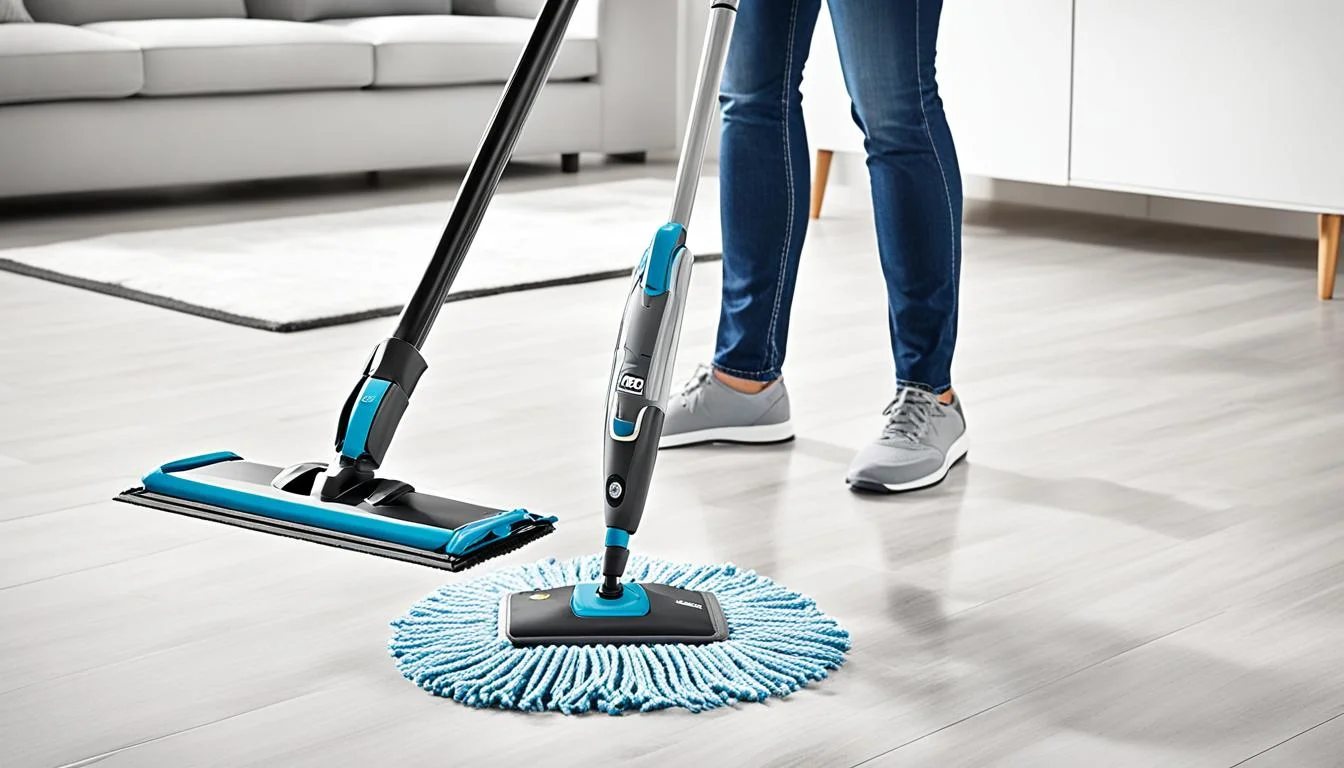
String mops for large patios and rough surfaces
String mops are useful when you need coverage and flexibility. Their strands can reach into textured concrete, uneven pavers, and larger patio areas where a flat pad would miss debris.
They are especially practical when you need to rinse away loose dirt after sweeping. The downside is that they can hold a lot of water, so they are not always the best match for wood or other moisture-sensitive surfaces.
Flat mops for smooth tile, sealed concrete, and balcony floors
Flat mops work well on smoother outdoor surfaces where you want control and a lighter touch. They are often a good fit for sealed concrete, balcony floors, and outdoor tile with a fairly even finish.
Because the pad stays close to the floor, you can usually clean with less water and fewer streaks. That makes flat mops a strong beginner option for smaller spaces and routine maintenance.
Scrub mops for mud, algae, and stuck-on debris
Scrub mops are designed for messes that need a little more agitation. If your patio gets muddy after rain or your shaded area develops slippery buildup, a scrub-style mop can help loosen the residue before you rinse it away.
Be careful with aggressive scrubbing on delicate finishes. A strong pad can help remove grime, but it can also leave visible wear if the surface is soft, painted, or already damaged.
Push mops and sponge mops for quick rinse-and-go cleaning
Push mops and sponge mops are often chosen for speed. They can be handy for quick rinsing, light cleanup, or moving water off a porch after a storm.
They are not always the best for heavy dirt or textured surfaces, but they can be useful if your main goal is to clear surface water and freshen a space without a long cleaning routine.
| Method / Product | Best For | Be Careful With |
|---|---|---|
| String mop | Large patios, rough concrete, uneven pavers | Too much water on wood or composite |
| Flat mop | Sealed concrete, balcony floors, smooth tile | Deep grooves and heavy mud buildup |
| Scrub mop | Algae, stuck-on dirt, muddy areas | Soft paint, worn sealers, delicate stone |
| Push or sponge mop | Quick rinse-and-go cleanup | Heavy debris and gritty surfaces |
Floor-Type Compatibility: Choosing the Right Mop for Your Surface
Surface compatibility matters more outdoors than many beginners expect. A mop that works beautifully on one floor can streak, swell, scratch, or leave residue on another.

Concrete and stamped concrete
Concrete is usually one of the easiest outdoor surfaces to mop, especially when it is sealed. A string mop or scrub mop often works well because concrete can handle more water and more agitation than many other materials.
Stamped concrete needs a little more caution if it has a decorative sealer. Use a cleaner that is compatible with the finish, and avoid harsh scrubbing that could dull the surface over time.
For more surface-specific guidance, the outdoor concrete guide can help you think through durability and maintenance. If you are comparing methods, this outdoor concrete vs outdoor mop comparison may also be useful.
Wood decks and composite decking
Decking needs a gentler approach. A flat mop with a lightly damp pad is often safer than a soaking-wet string mop, especially on wood that can swell or finish that can wear unevenly.
Composite decking is usually more forgiving than natural wood, but it still should not be over-saturated. If you want a deeper look at deck care, the deck floor guide is a practical place to start.
Outdoor tile, stone, and pavers
Outdoor tile can often be cleaned with a flat mop or a soft scrub mop, depending on how textured the surface is. Pavers and natural stone may need more attention to joints, grooves, and uneven areas where dirt collects.
If your surface has wide grout lines or a rough finish, a string mop may move debris better than a flat pad. Still, it is important to rinse thoroughly so residue does not settle into the joints.
Painted or sealed surfaces and what to avoid
Painted porches, sealed patios, and decorative finishes need the most caution. Strong chemicals, abrasive pads, and heavy water use can cause streaking, dulling, or premature wear.
Do not assume every outdoor floor can handle the same cleaner or the same amount of scrubbing. Always check the finish first, especially on painted, sealed, or specialty surfaces.
Step-by-Step Beginner Cleaning Method for Outdoor Floors
A simple routine is usually the best routine. The goal is to remove loose debris first, then mop in a way that lifts dirt instead of pushing it around.
Pre-sweep, rinse, and spot-treat before mopping
Start by removing leaves, grit, and any larger debris. If you skip this step, the mop can drag dirt across the floor and create streaks or scratches. [Source: Wikipedia]
Next, rinse the area lightly if the surface and weather allow it. For stuck-on spots, pre-treat with a cleaner that is safe for the floor type before you bring in the mop.
- Sweep or blow off loose debris
- Check the floor for stains or slippery spots
- Spot-treat problem areas first
- Prepare a bucket or spray solution
Mixing the right cleaning solution in 2025
In 2025, the safest beginner approach is still the simplest one: use a cleaner that is labeled for your floor type, and avoid mixing products unless the label clearly says it is safe. More soap does not mean better cleaning, and too much can leave a film.
For many outdoor floors, warm water and a mild, compatible cleaner are enough for routine cleaning. If you are dealing with mildew, grease, or heavy staining, check whether the product is meant for that specific problem before using it.
Mix less cleaner than you think you need at first. You can always repeat a light cleaning, but too much solution can leave streaks and require extra rinsing.
Recommended mopping pattern for patios and porches
Work from the farthest point back toward your exit so you do not step on already-cleaned areas. Use overlapping strokes and rinse the mop head often so you are lifting dirt instead of spreading it around.
On larger patios, it helps to clean in sections. That makes the job feel more manageable and prevents cleaner from drying before you can rinse it properly.
Move toward the exit so you do not walk across wet flooring.
Keep strokes even so dirt is lifted, not pushed into corners.
Dirty water can create streaks and leave residue behind.
Drying, rinsing, and finishing touches for a polished result
After mopping, rinse the area if the cleaner requires it. Then let the floor dry fully before placing furniture back or allowing regular foot traffic.
A final dry pass with a clean mop head, towel, or squeegee can improve the finish on smoother surfaces. This is especially helpful on tile, sealed concrete, and balcony floors where standing water is easy to spot.
Common Outdoor Mopping Mistakes That Cause Damage or Streaks
Most beginner mistakes come from using too much water, too much cleaner, or the wrong mop head for the surface. These errors are easy to make, but also easy to avoid once you know what to watch for.
Using too much water on wood and composite decks
Wood decks can absorb moisture, and even composite decking can be affected by standing water if it is not managed well. A soaking mop may seem thorough, but it can leave the floor wet too long or contribute to finish issues.
Use a damp mop instead of a dripping one, and wring thoroughly between passes.
Choosing harsh chemicals for stone or sealed finishes
Natural stone, decorative sealer, and painted finishes can react badly to acidic or abrasive cleaners. Even if a product removes dirt quickly, it may also dull the surface or weaken the protective layer.
If you are unsure, test a small hidden area first or choose a gentler cleaner made for the exact material.
Ignoring grit, leaves, and mildew before mopping
Mopping over debris is one of the fastest ways to create scratches and muddy streaks. Leaves can smear, grit can grind into the surface, and mildew can spread if it is not addressed before you mop.
For slippery buildup, it is often better to pre-clean the area and then mop as a finishing step.
Using the same mop head for every outdoor surface
A mop head that works on rough concrete may not be right for a balcony floor or painted porch. Using the same head everywhere can transfer grit, discoloration, or residue from one surface to another.
It is smart to keep one mop head for rough outdoor surfaces and another for smoother or more delicate areas. That small habit can reduce scratches and keep finishes looking cleaner.
Practical Examples: Matching the Mop to Real Outdoor Cleaning Scenarios
Real-world cleaning jobs are usually the best way to decide what kind of outdoor mop you need. These examples can help you narrow it down without overbuying.
Weekend patio cleanup after a storm
After rain, a patio often has mud, leaf bits, and puddled dirt. A string mop or scrub mop is usually the most practical choice because it can handle heavier debris and rinse away residue more effectively.
If the floor is sealed concrete or textured tile, a quick pre-rinse followed by a mop pass can be enough for a fresh look.
Removing pollen and dust from a covered porch
For lighter seasonal buildup, a flat mop is often easier and faster. It can pick up dust without oversaturating the floor, which is useful when the porch is covered and does not need a heavy rinse.
This is a good example of where a lighter tool can be better than a tougher one.
Cleaning muddy footprints near a pool area
Poolside floors often need a mop that can lift dirt without leaving too much water behind. A scrub mop may help with stuck-on footprints, but the best option depends on the surface finish and slip resistance. [Source: EPA]
If the area is textured or frequently wet, choose a tool that rinses clean quickly and does not leave a slippery film.
Freshening up balcony floors in a small-space setting
Balconies usually benefit from compact, low-water cleaning. A flat mop is often the easiest beginner choice because it is manageable in tight spaces and less likely to leave excess moisture.
If your balcony surface is delicate or part of a building with specific care rules, check those requirements before using any cleaner or heavy-duty tool.
Cost, Durability, and Value: What Beginners Should Expect in 2025
Outdoor mops come in a wide range of materials and designs, so value matters more than price alone. A cheaper mop can work fine for light use, while a sturdier one may save time if you clean often.
Budget vs. mid-range vs. premium outdoor mop options
Budget options are usually best if you only need occasional cleanup and simple maintenance. Mid-range models may offer better wringing, stronger handles, or more durable pads, which can make a noticeable difference for frequent use.
Premium options may be worth considering if you need replaceable parts, better ergonomics, or a design suited to a specific floor type. Still, expensive does not always mean better for your surface.
Replacement pads, mop heads, and long-term maintenance costs
Replacement pads and mop heads can matter as much as the initial purchase. If the pads wear out quickly or are hard to find, the mop may become inconvenient sooner than expected.
Look for a design that is easy to rinse, dry, and store. That helps reduce odor, mildew, and premature wear.
For beginners, the best value is often a mop with affordable replacement heads and simple maintenance. A slightly better-built handle or pad system can cost more upfront but may last longer if you clean outdoors regularly.
What features are worth paying for as a beginner
Beginner-friendly features usually include easy wringing, washable pads, a handle that feels stable, and a head that matches your main surface. If you clean multiple outdoor areas, versatility is useful, but only if the mop still performs well on your most common floor.
Paying extra for specialized features makes sense when your surface demands it. For example, a delicate deck may benefit from a gentler flat mop, while a rough patio may need a more durable scrub style.
When to Clean Yourself and When to Ask a Flooring Professional
Many outdoor cleaning jobs are safe for a beginner, but not all of them should be handled the same way. If the surface is expensive, damaged, or unusually delicate, caution matters more than speed.
Signs of deep staining, loose grout, or surface wear
If stains do not lift with normal cleaning, or if you notice loose grout, peeling sealant, soft spots, or visible wear, the issue may be beyond routine mopping. In those cases, repeated DIY cleaning can make the problem harder to fix.
That is a good time to pause and assess whether the floor needs repair or a different treatment approach.
When pressure washing or specialty treatment may be safer
Pressure washing can help with some outdoor floors, but it is not automatically the better choice. On wood, aging concrete, or fragile stone, too much pressure can cause damage or remove protective finishes.
If a surface needs chemical treatment, restoration, or a specialized tool, it is often safer to consult someone who works with that flooring material regularly.
How to avoid making permanent damage on delicate outdoor flooring
Always start with the least aggressive method that still gets the job done. Use a small test area, keep water use controlled, and stop if the surface starts to dull, streak, or shed finish.
If you are uncertain about warranty coverage, finish compatibility, or a high-value surface, ask a flooring professional before trying a stronger cleaner or machine.
Final Recap: The Easiest Outdoor Mop Approach for Beginners
The simplest beginner method is to match the mop to the floor, remove loose debris first, and use the least aggressive cleaner that still works. That approach prevents most streaks, scratches, and water-related mistakes.
Simple takeaways for choosing, using, and maintaining the right mop
Choose string mops for rough, larger areas, flat mops for smoother surfaces, and scrub mops for stuck-on grime. Keep water use light on wood and composite, and be extra careful with stone, paint, and sealed finishes.
Best next step for keeping outdoor floors cleaner with less effort
If you want the easiest path forward, start with one mop that matches your most common outdoor surface and build from there. For many beginners, that means a light, rinseable tool, a gentle cleaner, and a simple routine you can repeat after storms or heavy foot traffic.
Frequently Asked Questions
A flat mop is often the easiest starting point for smooth patios, balconies, and sealed concrete. For rougher surfaces, a string mop or scrub mop may work better.
You can sometimes use one for very light cleanup, but indoor mops are usually not built for rough debris or outdoor grime. An outdoor mop is usually easier to rinse and more durable.
Use as little water as needed to lift dirt and avoid standing moisture. Keep decks, composite flooring, and painted surfaces only lightly damp unless the floor care instructions say otherwise.
The safest choice is usually a cleaner made for your exact floor type. Mild, compatible cleaners are often best for routine cleaning, especially on sealed or delicate finishes.
That depends on weather, foot traffic, and the surface material. Many people do light cleanup as needed and deeper mopping after storms, pollen buildup, or visible dirt.
Ask a professional if you see deep staining, loose grout, peeling sealant, or damage that does not improve with normal cleaning. It is also smart to get help for expensive or delicate surfaces when you are unsure about compatibility.