
Beginner Guide to Water Broom for Easy Cleaning

A water broom is a simple hose-powered tool for rinsing outdoor floors like patios, driveways, and garages. It works best on durable surfaces and is easiest to use when you clear debris first and manage runoff carefully.
If you want a simple way to rinse patios, driveways, and garage floors without a lot of scrubbing, a water broom can be a very beginner-friendly tool. This water broom guide will help you understand what it does, where it works best, and how to use it safely on common outdoor surfaces.
- Easy rinse tool: Good for light outdoor cleaning on wide flat surfaces.
- Surface-first approach: Check finish and drainage before you start.
- Prep matters: Sweep up loose debris to improve results.
- Not for every floor: Avoid risky finishes, loose coatings, and soft materials.
What a Water Broom Is and Why Beginners Use It for Outdoor Cleaning
A water broom is a hose-powered cleaning tool with multiple spray openings that fan water across a surface. Instead of blasting one narrow stream, it spreads rinse water in a wider path, which makes it easier to move dirt, dust, and light debris toward a drain or edge.
For beginners, the appeal is simplicity. You connect it to a garden hose, turn on the water, and sweep the tool across the floor much like a broom. It is a practical middle ground between hand rinsing and heavier equipment.
How a water broom works with a garden hose
Most water brooms attach directly to a standard garden hose connection. Water flows through the bar or nozzle head and exits through several spray points, creating a broad rinsing pattern.
The pressure still depends on your hose and water supply, so it is not the same as a pressure washer. That is often a good thing for beginners, because it lowers the risk of damaging a surface while still making cleanup faster than a bucket and mop approach.
Why it is easier than a standard spray nozzle or push broom
A regular spray nozzle can rinse, but it usually covers only a small area at a time. A push broom can move dry debris, but it does not help much once dust or mud is stuck to the floor.
A water broom combines both ideas: it helps loosen grime and move it along in one pass. That can save time on large flat areas, especially when you want a cleaner result without repeated hand rinsing.
Best beginner use cases: patios, driveways, garages, and walkways
Water brooms are most useful on wide, open surfaces where water can flow away easily. Patios, driveways, garage floors, and walkways are all common beginner use cases.
They are especially handy after dry weather, light rain, yard work, or a quick weekend project. For more surface-specific planning, the outdoor concrete cleaning checklist can help you think through prep and rinse order before you start.
How to Choose the Right Water Broom for Your Surface and Cleaning Goals
Not every water broom is built the same, and the best choice depends on your floor type and how dirty the area usually gets. A simple model may be enough for dust and pollen, while a sturdier design may be better for heavier outdoor messes.
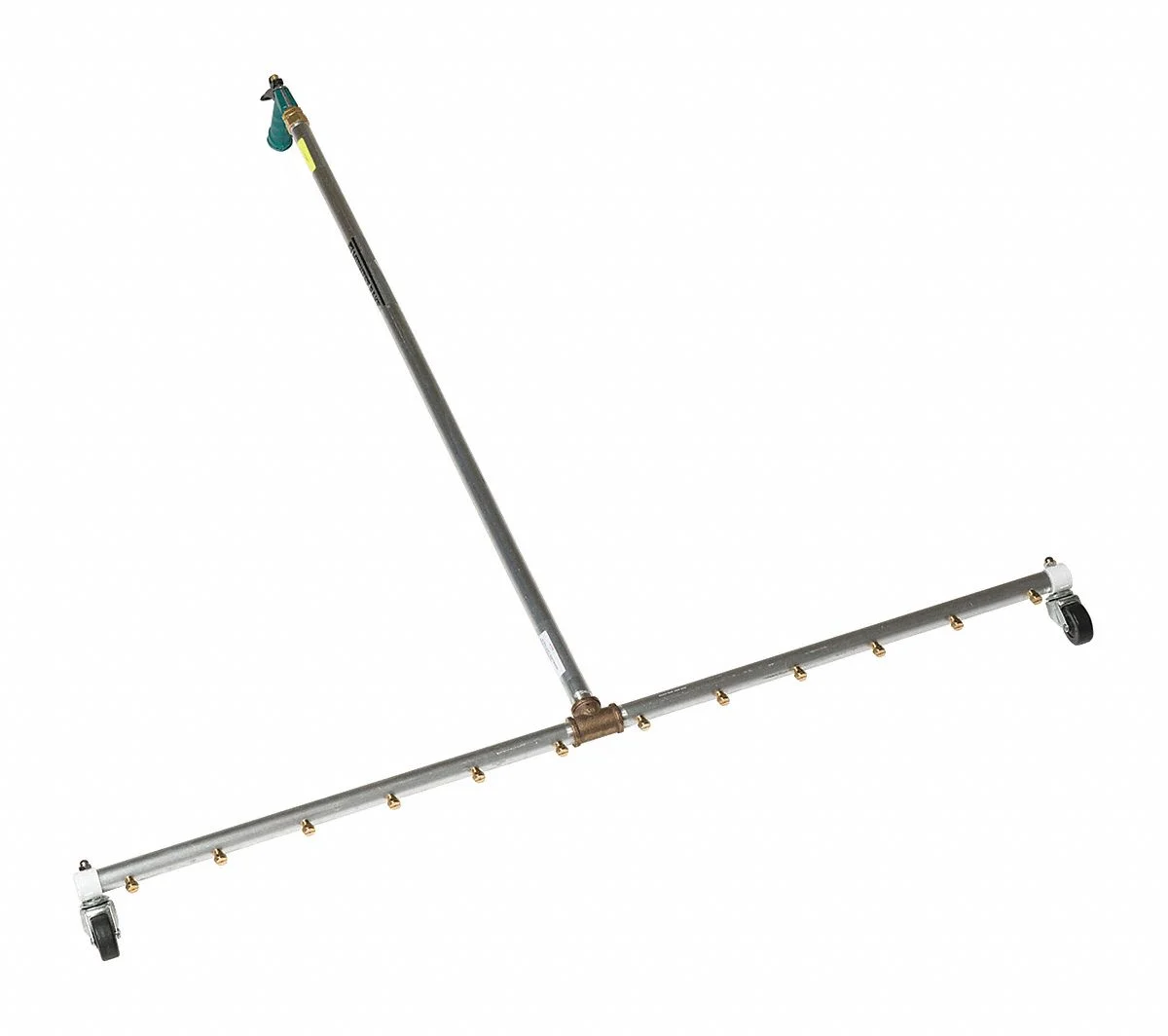
Spray width, nozzle count, and hose connection basics
Spray width affects how much ground you cover with each pass. Wider coverage can be helpful on a driveway or large patio, while a narrower tool may feel easier to control in tighter spaces.
Nozzle count also matters because it influences how evenly water spreads. More nozzles do not automatically mean better cleaning, but they can help create a smoother rinse pattern if the tool is well made. Always check that the hose connection matches your setup before buying.
Material matters: plastic, aluminum, and heavy-duty options
Plastic water brooms are often lighter and easier to handle, which can be a good fit for first-time users. Aluminum or other metal-bodied options may feel sturdier and hold up better to frequent use, though they can cost more.
Heavy-duty models are worth considering if you expect regular use on larger outdoor areas or more stubborn messes. The right choice depends on how often you clean and whether portability or durability matters more to you.
Matching the tool to light dust, mud, pollen, or leaf debris
For light dust and pollen, a basic water broom usually works well because the goal is mostly to rinse and gather fine debris. For muddy footprints or leaf fragments, look for a model that gives you a wider, more even flow so the debris moves along instead of settling back down.
If your outdoor cleanup often includes a mix of dirt and plant matter, pairing a water broom with a pre-sweep can make the job easier. A outdoor mop guide may also help if you want a more hands-on method for smaller spaces.
Floor and Surface Compatibility: Where a Water Broom Works Best
Surface compatibility matters more than most beginners expect. A tool that feels gentle on one floor can still be too much for a delicate finish, so it is worth checking the material before you begin.
Safe for concrete, sealed pavers, tile patios, and garage floors
Water brooms are usually a good match for durable surfaces like concrete, sealed pavers, tile patios, and many garage floors. These surfaces can generally handle a broad rinse as long as the water can drain properly.
Even on safe surfaces, it is smart to test a small area first if the floor is newly sealed or you are unsure how it will react. If the area is a patio, a patio tiles cleaning checklist can be useful for planning a safe order of work.
When to use caution on stamped concrete, painted surfaces, and older sealants
Stamped concrete and painted floors can look durable, but their finishes may be more sensitive than plain concrete. Older sealants may also react unpredictably if they are worn, uneven, or starting to fail.
Use a lighter touch, lower water flow if possible, and keep the tool moving. If the finish is expensive or the coating is in unknown condition, it is wise to ask a flooring professional before using a new cleaning method.
Surfaces to avoid or test first: soft stone, loose grout, unsealed wood, and damaged coatings
Soft stone can be etched or worn by repeated rinsing, loose grout can erode, and unsealed wood can absorb too much moisture. Damaged coatings are also risky because water may slip underneath and worsen peeling.
When in doubt, test first in a small hidden area and wait for it to dry fully. If you see flaking, soft spots, or unusual color change, stop and get professional advice before continuing.
Step-by-Step Beginner Guide to Using a Water Broom Correctly
The best results come from a simple routine: clear the area, set up the hose, sweep in even passes, and manage runoff as you go. Taking a few extra minutes up front can prevent streaks and puddles later.
- Remove loose debris before rinsing
- Check that the hose connection is secure
- Confirm where water will flow
- Work in overlapping passes
- Dry slippery areas after cleaning
Pre-rinse, debris removal, and setting up the hose
Start by picking up larger debris such as twigs, stones, or clumps of leaves. A water broom is better at rinsing residue than lifting heavy objects, so pre-cleaning saves time and reduces clogs around drains.
Connect the hose firmly and turn on the water before you begin sweeping. A quick test spray helps you confirm that the flow is even and that the tool is working as expected. [Source: WebMD]
Remove loose debris so the water broom can focus on dust, mud, and fine grime instead of pushing larger pieces around.
Turn on the hose and make sure the spray is even across the broom head before you start cleaning the full area.
Work from one end to the other in overlapping passes so dirt moves steadily toward the edge or drain.
Proper sweeping pattern for even cleaning and water coverage
Use slow, overlapping strokes rather than fast swipes. That helps keep the water coverage even and reduces the chance of leaving dirty streaks behind.
Think of it like mowing a lawn in rows. Each pass should slightly overlap the last one so no narrow strip of grime gets missed.
Rinsing edges, corners, and problem spots without leaving streaks
Edges and corners often hold more dirt because water does not move through them as easily. You may need to angle the broom or finish those areas by hand with a smaller rinse tool.
For sticky spots, let the water sit briefly and then sweep again. Avoid scrubbing aggressively on sensitive finishes, especially if you are unsure how the surface was sealed.
Drying tips to reduce slip risk and water spots
After rinsing, guide water away from walk paths and entry points. A squeegee, towel, or dry push broom can help remove leftover puddles from smoother floors.
Drying matters for safety and appearance. It reduces slip risk on garage floors and helps prevent visible water spots on tile or sealed surfaces.
Practical Cleaning Examples for Common Outdoor Messes
Water brooms are best when the mess is spread out but not deeply embedded. They shine in everyday cleanup jobs where you want a quick refresh rather than a full restoration.
Removing dust and pollen from a patio after dry weather
Dust and pollen are among the easiest jobs for a water broom. A light rinse can clear the film that settles on patios after a stretch of dry weather.
If the patio is a regular trouble spot, it may help to combine this tool with a seasonal plan. A seasonal patio cleaning vs deck floor article can help you compare cleanup needs across different outdoor spaces.
Cleaning muddy footprints and runoff after rain
Mud is easier to manage when it is still fresh. A water broom can help move muddy footprints and runoff toward a drain before they dry and harden.
If the area gets tracked in often, check whether the slope sends water in the right direction. Otherwise, you may end up pushing muddy water back into the same spot.
Washing away grass clippings, leaves, and light grime from a driveway
Driveways often collect a mix of grass clippings, leaf bits, and fine grime. A water broom can rinse that material into a pile or toward a curb for easier cleanup.
For heavier yard debris, sweep first and rinse second. That order keeps the surface cleaner and prevents clumps from spreading across the driveway.
Quick cleanup for garage floors after weekend projects or car drips
Garage floors often need quick cleanup after small projects, tire marks, or light drips. A water broom can be useful for rinsing out dust and fresh residue without dragging in a lot of extra effort.
Still, garage floors vary a lot in coating and drainage. If the floor is painted or sealed, use caution and avoid soaking any area where the coating already looks worn.
Common Mistakes Beginners Make with a Water Broom
Most beginner mistakes are easy to avoid once you know what to watch for. The biggest issues usually involve too much water, poor prep, or the wrong expectations for the tool.
Using too much water pressure on delicate surfaces
More pressure is not always better. On delicate or coated surfaces, too much force can wear down the finish or drive water into weak spots.
If you are unsure, begin with a gentler flow and inspect the result after a small test area. When a floor has an unknown finish, ask a professional before increasing pressure.
Skipping debris pickup before rinsing
It is tempting to jump straight into rinsing, but larger debris can block drainage and leave streaks behind. Loose leaves, stones, and twigs should come off the floor first.
This small step improves both cleaning and safety. It also keeps you from pushing solid debris into corners where it becomes harder to remove later.
Forgetting to check drainage, slope, and runoff direction
A water broom only works well if the water has somewhere to go. If the area is flat, poorly sloped, or blocked by edges, you may create puddles instead of a clean finish.
Before you start, look at where the water will travel. This is especially important near garage thresholds, doorways, and decorative borders. [Source: Home Depot Guide]
Expecting it to replace deep scrubbing on stained or neglected floors
A water broom is a rinse tool, not a stain remover for every situation. Deep oil spots, old mildew stains, and neglected buildup may still need scrubbing or a specialty cleaner.
If a surface has been dirty for a long time, a rinse alone may only improve the top layer. That is normal, and it does not mean the tool is failing.
When a Water Broom Is Not Enough: Signs You Should Call a Flooring Professional
Some floor problems go beyond routine cleaning. If the issue looks structural, finish-related, or potentially damaging, professional guidance is the safer choice.
Deep staining, efflorescence, cracks, or loose surface material
Deep stains may be embedded below the surface, and efflorescence can point to moisture movement through concrete or masonry. Cracks and loose material are also signs that cleaning alone will not solve the problem.
In those cases, a flooring professional can help identify whether the issue is cosmetic, moisture-related, or a sign of surface deterioration.
Sealed floors with peeling coatings or unknown finishes
If a sealed floor is peeling, bubbling, or flaking, water may make the problem worse. Unknown finishes are also risky because you cannot predict how they will react to rinsing.
When the coating matters to the appearance or warranty of the floor, it is worth asking before you clean. That is especially true for decorative patios, garage coatings, and specialty finishes.
Situations involving mold, structural damage, or recurring drainage problems
Mold, soft subfloors, or recurring standing water are not simple cleaning issues. They may indicate a moisture problem that needs repair rather than more rinsing.
If the same area keeps pooling water, a professional can help you understand whether the slope, drain, or surface needs correction. That is safer than repeatedly trying to wash the symptom away.
Water Broom Cost, Value, and Final Buying Advice for 2025
For many homeowners, the value of a water broom comes from convenience. It is usually an affordable way to make outdoor floor care faster, especially if you already have a hose and basic cleanup tools.
Typical price range and what affects cost
Prices vary by build quality, spray width, materials, and brand. A simple plastic model will usually cost less than a heavy-duty version with stronger construction or more specialized features.
Long-term value also depends on how often you use it. If you clean patios or driveways regularly, a sturdier model may be worth the extra cost because it is likely to last longer.
When comparing value, look beyond the purchase price and consider durability, hose-fit convenience, and whether the tool matches the size of your outdoor space.
Water broom vs. pressure washer vs. traditional mop for outdoor floors
A water broom is best for light to moderate rinsing when you want simple setup and less risk. A pressure washer is stronger, but it may be too aggressive for some surfaces and usually takes more care.
A traditional mop can work on small outdoor areas, but it is slower and less practical for large patios or driveways. The right choice depends on surface type, soil level, and how much control you want over the rinse.
| Method / Product | Best For | Be Careful With |
|---|---|---|
| Water broom | Quick rinsing of patios, driveways, garages, and walkways | Delicate finishes, poor drainage, unknown sealants |
| Pressure washer | Heavier buildup and more stubborn outdoor grime | Soft stone, loose coatings, surface damage |
| Traditional mop | Small outdoor areas and controlled spot cleaning | Large surfaces and heavy debris |
Best value features for first-time buyers
First-time buyers usually benefit most from a stable hose connection, even spray coverage, and a width that matches the size of the surface. Lightweight handling is also helpful if you plan to use the tool often.
If you want a broader outdoor cleaning routine, compare it with related surface-care resources like the outdoor concrete guide and the where should mop water be disposed article for better cleanup planning.
Final recap: who should buy one and what to remember before first use
A water broom is a smart buy if you want an easier way to rinse large outdoor floors without heavy scrubbing. It is especially useful for beginners who clean concrete, sealed pavers, tile patios, or garage floors and want a simple hose-based tool.
Before first use, check the surface finish, clear loose debris, and make sure runoff has a safe path. If the floor is delicate, damaged, or expensive to repair, ask a professional before you test a new cleaning method.
Frequently Asked Questions
A water broom is used to rinse outdoor floors like patios, driveways, walkways, and garage floors. It spreads water across a wider area than a regular hose nozzle, making light cleaning faster.
It depends on the job. A water broom is gentler and easier for light rinsing, while a pressure washer is better for heavier buildup but can be too strong for some surfaces.
Yes, water brooms are often a good fit for concrete. Still, it is smart to test a small area first if the concrete is stamped, sealed, or in poor condition.
Yes, removing loose debris first usually gives better results. It helps prevent clogs, streaks, and debris from getting pushed into corners or drains.
It can help with light dirt, dust, mud, and fresh grime, but it is not a full stain-removal tool. Deep stains often need scrubbing or a cleaner designed for that surface.
Ask a professional if the floor has peeling sealant, unknown coatings, cracks, mold, or recurring drainage problems. Professional advice is also wise for expensive or delicate surfaces.
