How to Maintain Streaky Floors

To maintain streaky floors, use the correct cleaner dilution, a clean microfiber mop, and a two-step mopping method: clean the floor, then rinse lightly or buff with fresh water if residue remains. Keep the floor only damp, not wet, and wash or refresh mop pads often so you are not spreading grime back across the surface.
If your floors keep looking streaky after you mop, the issue is usually not the floor itself. It is more often a mix of residue, excess water, the wrong pad, or a cleaner that is not matched to the surface. The good news is that streaky floors are usually fixable with a simpler routine, not a stronger one.
Before you start changing products, it helps to understand the pattern behind the problem. If you want a deeper breakdown of the common causes, check our streaky floors guide for the underlying reasons streaks keep showing up.
Two buckets
pH-safe cleaner
Warm water
Dry microfiber cloths
Soft broom or vacuum
Distilled water
Spray bottle
Warning: Some cleaners can leave a film, dull a finish, or react badly with certain floors. Always match the product to the floor type and follow the dilution directions on the label rather than guessing.
Why Floors Turn Streaky After Mopping
Streaks usually show up when the cleaning process leaves something behind instead of removing it. That “something” can be soap film, mineral residue, or even mop fibers pushing dirty water around rather than lifting it away.
- Soap residue left behind by using too much cleaner
- Dirty mop pads that spread grime instead of lifting it
- Hard water minerals drying into visible marks
- Wrong cleaner for the floor finish, especially on wood, vinyl, or laminate
- Excess moisture that dries unevenly and leaves a haze
- Reusing dirty water during the same cleaning session
Note: If the streaks appear in the same places every time, the cause may be buildup in high-traffic paths, not a bad mop session. Those areas usually need a more careful pre-cleaning step before wet mopping.
Step-by-Step: How to Maintain Streaky Floors
-
1. Remove dry debris before mopping
- Sweep, vacuum, or dust mop first so grit does not smear across the surface.
- Pay extra attention to corners, baseboards, and high-traffic paths where buildup collects.
-
2. Choose the correct cleaner for your floor type
- Use a floor-safe formula made for hardwood, vinyl, tile, laminate, or sealed concrete.
- Avoid harsh products that can leave a film or react badly with the finish.
-
3. Mix the cleaner at the recommended dilution
- Follow the label exactly because too much product is one of the biggest causes of streaks.
- If your tap water is very hard, consider using distilled water to reduce mineral marks.
-
4. Mop in small sections
- Work in manageable zones so the cleaner does not dry before you can wipe it evenly.
- Use overlapping strokes and avoid soaking the same area repeatedly.
-
5. Rinse or refresh the mop pad often
- Swap out dirty water and rinse the pad as soon as it starts looking gray or sticky.
- A clean mop pad helps prevent streaks from being spread back onto the floor.
-
6. Dry the floor properly
- Use a dry microfiber cloth or towel to buff problem areas after mopping.
- Improve airflow with fans or open windows so the finish dries evenly.
- If drying is a recurring issue, see our how to dry a floor after mopping guide for faster, cleaner results.
-
7. Inspect for residue after the floor is fully dry
- Check the floor from different angles in natural light to spot streaks early.
- If a haze remains, repeat with a cleaner pad and less product rather than adding more soap.
Pro Tip: If you are not sure whether the problem is cleaner residue or water marks, do a small test section with only a lightly damp microfiber pad. If that area dries clearer, the original mix was probably too strong or too wet.

Visual guide about How to Maintain Streaky Floors
Image source: microfiberwholesale.com
Maintenance Routine to Keep Streaks from Coming Back
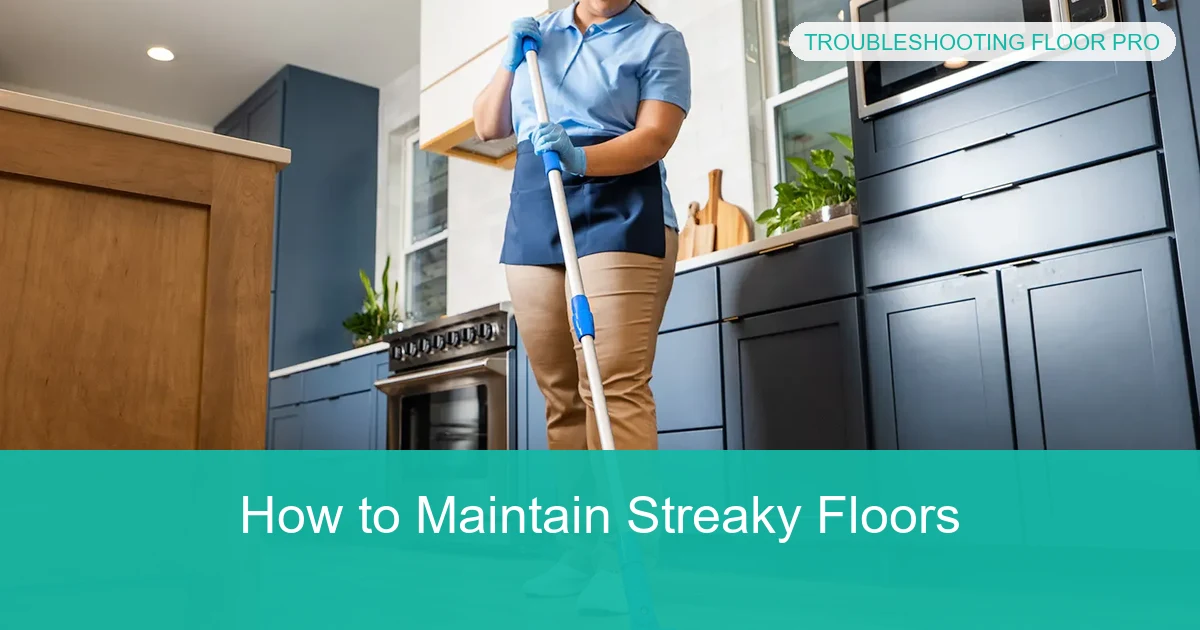
The easiest way to prevent streaks is to keep buildup from getting ahead of you. A light, regular routine is usually more effective than occasional heavy cleaning, especially in kitchens, entryways, and bathrooms where residue accumulates quickly.
Visual guide about How to Maintain Streaky Floors
Image source: i.shgcdn.com
- Dust mop or vacuum regularly to reduce grime buildup.
- Use a light cleaning solution instead of heavy-duty soap for routine maintenance.
- Wash mop pads after every use and replace worn ones.
- Keep a separate cleaning method for kitchens, bathrooms, and entryways where residue builds faster.
- If you want a broader routine that supports cleaner results, review the daily floor cleaning guide for a consistent upkeep plan.
Common Mistakes That Make Streaky Floors Worse
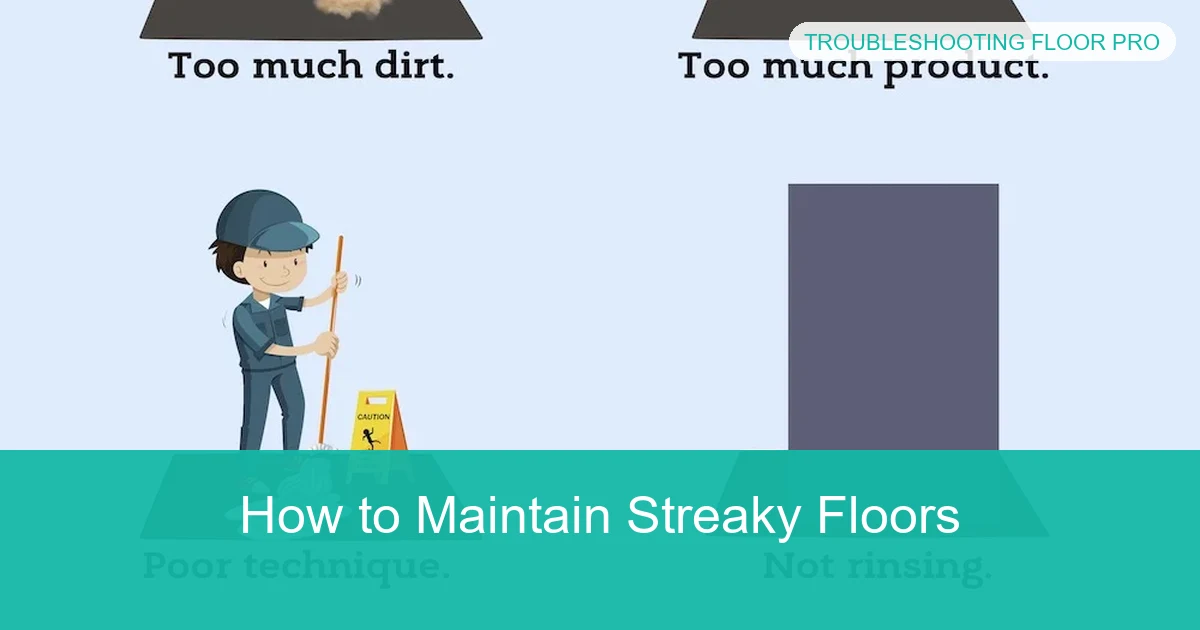
Most streak problems get worse when the solution is to “clean harder” instead of “clean smarter.” In practice, that usually means more soap, more water, or more scrubbing than the floor actually needs.
Visual guide about How to Maintain Streaky Floors
Image source: housewifehowtos.com
- Using too much cleaner or adding extra “for a stronger clean”
- Mopping with a dirty or overly wet mop pad
- Skipping the dry-debris step before wet mopping
- Using vinegar or homemade mixes on floors that do not tolerate them well
- Cleaning with the wrong tool, such as a string mop that leaves too much water behind
- Buffing streaks with a dirty cloth, which can spread residue instead of removing it
- For a deeper look at avoidable errors, pair this guide with our streaky floors mistakes article.
Warning: Homemade cleaners can be unpredictable on modern finishes. What seems “gentle” in one home can still leave haze, dullness, or stickiness on another floor type.
Troubleshooting Streaks by Floor Type
Different floors show streaks for different reasons, so the fix should match the material. A method that works on tile may be too wet for hardwood, while a formula that looks fine on vinyl may leave haze on laminate.
| Floor type | Common streak cause | Best adjustment |
|---|---|---|
| Hardwood | Excess moisture or film from the wrong cleaner | Use minimal moisture and a wood-safe cleaner only |
| Vinyl and laminate | Too much cleaner or incomplete drying | Use a damp mop and dry lightly after cleaning |
| Tile and grout | Soap residue in textured surfaces | Rinse more carefully and change water often |
| Concrete | Uneven absorption on unsealed or poorly sealed slab | Confirm the floor is sealed before liquid cleaning |
Hardwood floors
- Use minimal moisture and a wood-safe cleaner only.
- Streaks often come from excess water or a product that leaves a dull film.
Vinyl and laminate floors
- Use a damp mop, not a soaking-wet one.
- Residue is common when too much cleaner is used or the floor is not dried fully.
Tile and grout areas
- Streaks may be caused by soap residue sitting on the tile surface or in grout lines.
- Rinse more carefully and change water more often in textured areas.
Concrete floors
- Make sure the slab is sealed before using liquid cleaners.
- Unsealed or poorly sealed concrete can absorb product unevenly and look streaky.
How to Fix Specific Streak Problems
If the floor looks cloudy after drying
- Use less cleaner and make a second pass with a clean damp pad.
- Check whether hard water or product buildup is causing the haze.
If streaks appear only in high-traffic areas
- Pre-clean those zones more thoroughly before mopping.
- Use a separate pad for the dirtiest sections.
If streaks return right after every cleaning
- Switch to a milder formula and verify the dilution ratio.
- Consider whether your mop material is spreading residue instead of lifting it.
- For related shine issues that can look similar, see our streaky floors cleaner shine article.
Quick Recap: Remove dry dirt first, use the right cleaner at the right dilution, mop in small sections, rinse the pad often, and dry the floor well. If streaks still show up, the problem is usually residue, hard water, or the mop itself.
When to Get Extra Help
If you have tried the cleaner at the proper dilution, changed mop pads, and reduced moisture but the floor still looks streaky, the issue may be more specific than routine maintenance can solve. In that case, the finish may be worn, the floor may have buildup from older products, or the surface may need a deeper strip-and-refresh approach depending on the material.
It is also worth slowing down if the floor feels sticky, slippery, or cloudy after cleaning. Those symptoms can point to the same residue problem, but they may need a different fix depending on the floor and the product used. For a broader troubleshooting path, you can also compare your situation with our cloudy floors guide when the problem looks more like haze than visible streak lines.
Conclusion
- Maintaining streaky floors is mostly about preventing residue, controlling moisture, and using the right mop-and-cleaner combination.
- Once you clean with the correct dilution, rinse your tools often, and dry the surface properly, streaks become much easier to avoid.
- For long-term success, keep your routine simple, consistent, and matched to your floor type.
- Most streaks come from residue, dirty mop pads, or too much cleaner.
- Dry debris first so grit does not smear into the finish.
- Use the right cleaner for hardwood, vinyl, laminate, tile, or concrete.
- Work in small sections and change water before it gets dirty.
- Dry the floor properly to prevent haze, especially in hard-water homes.
Frequently Asked Questions About How to Maintain Streaky Floors
Most streaks come from residue, dirty mop pads, too much cleaner, or water that dries unevenly. If the same pattern keeps coming back, the mop method is usually the first thing to adjust.
Only if your floor type allows it. Some finishes react badly to vinegar and can become dull, cloudy, or even more streaky.
Wash them after each cleaning session, especially if you cleaned a kitchen, bathroom, or entryway. Replace them when they stop absorbing well or start pushing water around.
Yes, especially in homes with hard water that leaves mineral marks behind. It is a simple swap that can reduce haze on floors that are otherwise clean.
Lightly buff the area with a clean dry microfiber cloth and use less cleaner on the next pass. If the streaks are widespread, do a fresh pass with a clean damp pad instead of adding more soap.
Yes. A mop pad that is dirty, worn out, or too wet can leave marks even when the cleaner itself is fine. The tool matters as much as the product.
Residue usually feels slightly sticky or hazy, while hard water often leaves mineral-like marks that show up after drying. A test pass with distilled water can help you tell the difference.