
7 Sticky Floors Mistakes That Ruin Your Clean Home

Sticky floors usually come from cleaner residue, dirty mop water, too much moisture, or the wrong product for the floor type. Fixing the routine and drying the floor properly usually solves the problem faster than scrubbing harder. Related: sticky floor after mopping. Related: floor residue. Related: mop residue. Related: floor cleaning mistakes.
Sticky floors are one of those cleaning problems that can make an otherwise tidy home feel off. In many cases, the issue is not dirt alone, but residue, moisture, or the wrong products building up over time.
- Less is better: Too much cleaner often leaves a film.
- Clean tools matter: Dirty water and mop heads spread grime.
- Floor type matters: Use products made for the surface.
- Rinse when needed: Leftover product can cause tackiness.
- Moisture is a factor: Wet floors can stay sticky longer.
What “Sticky Floors” Usually Mean in 2025: Residue, Humidity, or Product Buildup
When a floor feels tacky after cleaning, the surface is usually holding onto something. That “something” may be detergent film, leftover rinse water, cooking grease, spilled sugar, or even humidity that keeps the floor from drying cleanly. Related: sticky floors.
In newer homes, sticky floors can also happen when modern floor finishes, low-sheen coatings, or water-resistant surfaces react badly to the wrong cleaner. The fix starts with identifying the cause before scrubbing harder.
If a floor looks clean but feels sticky, test a small area with plain water and a microfiber cloth before using more product. That helps you tell residue from deeper damage.
Mistake #1: Using Too Much Cleaner and Leaving a Film Behind
More cleaner does not usually mean a cleaner floor. In fact, excess product is one of the most common sticky floors mistakes because it can dry into a thin film that attracts dust and foot traffic grime.
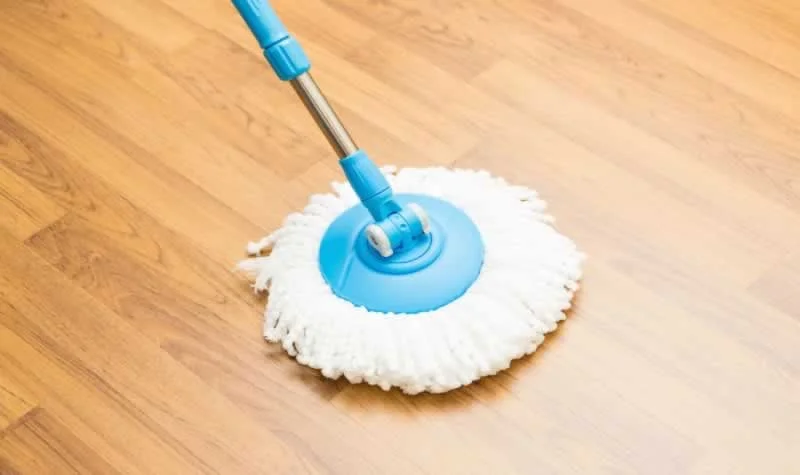
How detergent residue turns clean-looking floors sticky
Many cleaners are meant to be diluted. When too much concentrate is mixed into the water, or when spray-and-mop products are layered on heavily, the floor may look bright at first but feel slightly tacky once it dries.
That residue can also trap fine dirt. So instead of removing buildup, the cleaner creates a surface that collects more buildup the next day.
Which floor types are most affected: tile, laminate, vinyl, and sealed hardwood
Tile can show residue in grout lines and on glossy surfaces. Laminate and vinyl often feel sticky faster because excess liquid and cleaner can sit on top of the wear layer.
Sealed hardwood can also be affected, especially if the finish is older or worn. If you are unsure whether a product is safe for your surface, check the manufacturer guidance or ask a flooring professional before repeating the same routine.
Do not keep adding more cleaner to fix a sticky floor. If the first layer left film behind, extra product usually makes the problem worse.
Mistake #2: Mopping with Dirty Water or a Contaminated Mop Head
A mop that looks clean may still carry grease, dust, food particles, or old cleaner residue. Once that grime goes back onto the floor, the surface can feel dull, tacky, or uneven.
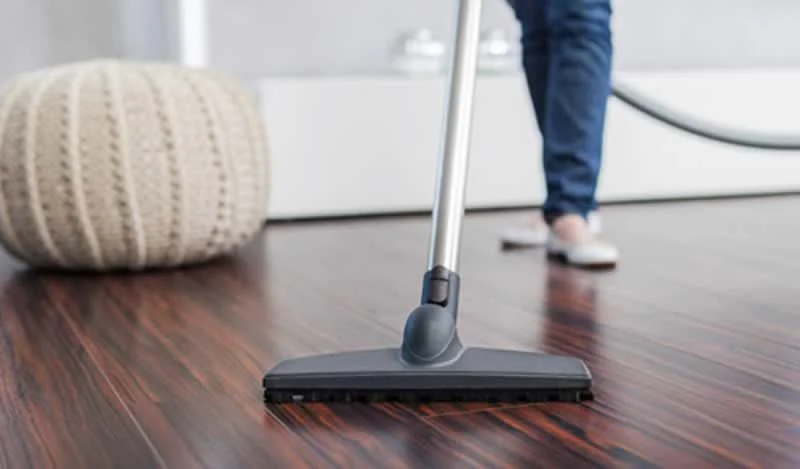
Why reusing mop water spreads grime instead of removing it
Once mop water turns cloudy, it is no longer lifting soil effectively. Reusing it can spread kitchen grease, tracked-in dirt, and sticky residue from one area to another.
This is especially noticeable on light-colored tile or vinyl, where the floor may look streaked after mopping even though you “cleaned” it.
Practical example: the “cleaning” routine that makes kitchen floors tacky
A common routine is to dip the mop into one bucket for the whole kitchen, wring it only once or twice, and keep going. That can leave a thin layer of dirty water behind, especially near the stove, sink, and trash area.
If your kitchen floor keeps turning sticky after mopping, it may help to refresh the water more often, wash the mop head thoroughly, and follow a proper floor mopping routine instead of rushing through the job.
Microfiber mop heads usually rinse cleaner than string mops, but only if they are washed well between uses. A dirty pad can undo the results of an otherwise careful cleaning.
Mistake #3: Choosing the Wrong Cleaner for Your Floor Type
Not every cleaner works on every surface. Some floors are sensitive to acidity, alkalinity, oils, waxes, or heavy surfactants, and the wrong formula can leave them sticky or hazy.
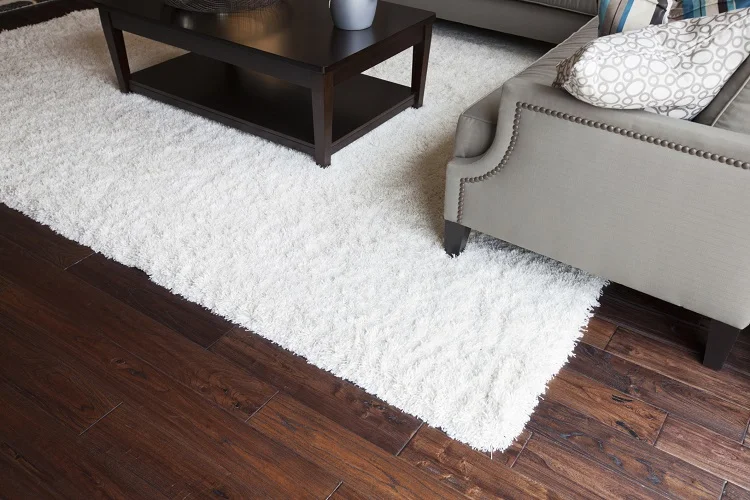
pH-sensitive floors and why all-purpose solutions can backfire
Stone, sealed concrete, hardwood, and some specialty finishes can react poorly to generic all-purpose cleaners. Even when a product is labeled “safe for most floors,” that does not guarantee it will suit your exact finish or installation.
Vinegar, bleach, and strong degreasers can also be risky on certain surfaces. If a floor is expensive, newly installed, or under warranty, it is worth checking compatibility first.
Floor-type compatibility guide: hardwood, LVP, ceramic tile, stone, and sealed concrete
Hardwood usually needs a wood-safe cleaner with minimal moisture. LVP often tolerates gentle, residue-free cleaners, but harsh products or excess water can still leave it tacky. [Source: Family Handyman]
Ceramic tile is more forgiving, though grout may hold residue. Stone and sealed concrete are more variable, so product choice matters more. If you want a deeper comparison for specific surfaces, see our guides on mopping porcelain tile floors and mopping concrete floors.
| Method / Product | Best For | Be Careful With |
|---|---|---|
| Wood-safe floor cleaner | Sealed hardwood, engineered wood | Overwetting and strong degreasers |
| Neutral cleaner | Ceramic tile, many LVP floors | Residue if mixed too strong |
| Stone-safe cleaner | Stone and sealed stone-look floors | Acidic ingredients and vinegar |
Mistake #4: Skipping the Rinse Step After Deep Cleaning
Deep cleaning is supposed to remove buildup, but if the floor is never rinsed, the loosened soil and leftover product can dry right back onto the surface. That is one reason a floor can feel sticky even after a long cleaning session.
When rinse water matters more than extra scrubbing
On floors with heavy buildup, a second pass using clean water or a lightly damp microfiber pad can make a bigger difference than scrubbing harder. The goal is to lift away the loosened residue, not just move it around.
This is especially useful after using stronger cleaners, degreasers, or homemade mixes that may leave a visible or invisible film.
Common signs that leftover product is the real cause of stickiness
If the floor feels tacky only after cleaning, if footprints show up quickly, or if the shine looks cloudy, leftover cleaner is a likely suspect. Another clue is a floor that feels better right after rinsing but sticky again once more product is added.
For more on this issue, our article on why a floor is sticky after mopping explains the most common residue patterns.
- Use the right dilution for the cleaner
- Rinse with clean water if the product requires it
- Change water when it turns cloudy
- Dry the floor promptly after rinsing
Mistake #5: Ignoring Spills, Cooking Grease, and Everyday Build-Up
Not every sticky floor problem comes from mopping. In busy homes, small spills and daily traffic can create a recurring layer of grime that feels like residue even when the floor has been cleaned recently.
High-traffic problem zones: kitchens, entryways, pet areas, and dining spaces
Kitchens collect grease, food drips, and splatter. Entryways bring in soil, salt, and moisture. Pet areas can hold paw residue, and dining spaces often trap sugary spills and crumbs near chair legs.
These zones usually need more frequent spot cleaning than the rest of the home, especially if the floor has a finish that shows buildup easily.
How sugar, grease, and tracked-in residue create recurring sticky spots
Sugar-based spills dry into a tacky layer that grabs dust. Grease spreads underfoot and can resist plain water. Even tracked-in residue from shoes can mix with mop solution and create a dull film.
If you notice the same spots turning sticky again and again, the issue may be maintenance, not the mop itself. A more targeted routine often works better than one big weekly cleaning. You may also find it helpful to review daily floor cleaning mistakes if your routine seems to be creating more work instead of less.
Mistake #6: Overwetting Floors and Letting Moisture Linger
Too much water can be as problematic as too much cleaner. Some floors develop a sticky or draggy feeling when moisture sits on the surface too long or gets into seams and edges.
Why excess water can worsen stickiness on laminate, wood, and vinyl
Laminate and wood can swell or react at the seams if they stay wet, which may make the surface feel uneven or tacky. Vinyl can also hold moisture on top of the wear layer, especially if the mop is too wet.
Even if the floor is not visibly damaged, lingering dampness can trap dust and make the surface feel “unclean” once it dries.
Drying mistakes that trap grime and leave floors tacky
Leaving puddles, mopping in sections without drying, or closing the room before airflow can finish the job all make stickiness more likely. The same goes for using a soaked mop and then walking across the floor before it dries.
If moisture is a recurring issue, it may help to pair cleaning with faster drying methods. For practical drying advice, see how to dry a floor after mopping.
- Lightly damp microfiber mops
- Quick-dry cleaning in humid rooms
- Soaking laminate, wood, or vinyl
- Letting water pool near seams or edges
Mistake #7: Using the Wrong Tools, Pads, or DIY Mixes
The tool matters as much as the cleaner. A harsh pad, steam mop, or homemade mix can leave behind residue, damage the finish, or create a sticky surface that is hard to correct later.
When steam mops, abrasive pads, vinegar, or dish soap do more harm than good
Steam mops can be too aggressive for some vinyl, laminate, and wood floors. Abrasive pads may scratch a finish, which then holds more grime and feels dirty faster. [Source: Mayo Clinic]
Vinegar is often suggested online, but it is not a universal solution. Dish soap can also leave a film if too much is used, especially on larger floors or when the rinse step is skipped.
If you are considering a DIY approach, compare it with a floor-specific cleaner first. Our guides on mopping floors with vinegar and using laundry detergent on floors explain where these shortcuts can go wrong.
Cost comparison: cheap DIY fixes versus safer floor-specific products
DIY mixes can seem cheaper at first, but a bad mix may lead to extra rinsing, repeat cleaning, or finish repair later. A floor-specific product may cost more upfront, yet it can reduce residue problems and protect the surface better over time.
Cost Note
When a cleaner is inexpensive but keeps leaving film, the true cost is the extra time, water, and repeat mopping it creates. A safer product can be better value if it prevents damage and saves re-cleaning.
When Sticky Floors Signal a Bigger Problem and It’s Time to Call a Flooring Professional
Sometimes sticky floors are not a cleaning mistake at all. If the problem keeps returning after you change products and methods, there may be a flooring issue underneath the surface.
Damage warning signs: finish failure, grout issues, adhesive problems, and subfloor moisture
Watch for peeling finish, cloudy patches that do not wash off, cracked grout, soft spots, lifted planks, or a floor that feels damp from below. Those signs can point to finish failure, moisture intrusion, adhesive breakdown, or subfloor trouble.
At that point, more scrubbing is not the answer. It is better to stop using random cleaners and get a more careful diagnosis.
What a flooring pro can diagnose that routine cleaning cannot
A flooring professional can help identify whether the problem is surface residue, worn finish, failed sealant, or a structural moisture issue. That matters because each problem needs a different fix.
If the floor is expensive, newly installed, or still under warranty, professional advice can help you avoid making the damage worse while trying to clean it.
Final Recap: The Fastest Way to Stop Sticky Floors and Keep Them Clean
Most sticky floors mistakes come down to too much product, dirty tools, the wrong cleaner, or too much moisture. Once you reduce residue and match the method to the floor type, the tacky feeling usually improves quickly.
Emma Whitmore’s practical checklist for preventing residue, buildup, and repeat stickiness
If your floor still feels sticky after you correct the routine, the issue may be damage, moisture, or a finish problem. In that case, it is smart to pause and get help before the surface gets harder to restore.
Frequently Asked Questions
The most common causes are too much cleaner, dirty mop water, or leftover product that was not rinsed away. Sticky floors can also happen when moisture lingers or the wrong cleaner is used for the floor type.
Yes. Many cleaners are concentrated, so using too much can leave a film that feels tacky once it dries. That residue can also attract dust and make the floor look dirty again sooner.
Often, yes, especially if the cleaner label recommends it or if the floor tends to hold residue. A clean-water rinse can remove loosened grime and leftover product that might otherwise dry sticky.
No, not for all floors. Vinegar and dish soap can leave residue or cause compatibility issues on some finishes, stone surfaces, and wood-look floors, so it is best to check the floor type first.
Kitchens collect grease, sugar, and tracked-in dirt, so they often need more frequent spot cleaning. If the floor stays sticky, the problem may be buildup from cooking residue or a mop routine that spreads grime.
Call a professional if the stickiness keeps returning after you change cleaners and cleaning methods, or if you see peeling finish, lifted planks, cracked grout, or moisture damage. Those signs can point to a surface or subfloor issue, not just a cleaning problem.
