
Dull Floors Guide to Restore Shine and Bring Back Glow

Dull floors usually improve when you remove residue, clean with the right product, and dry the surface well. If the finish is worn, etched, or moisture-damaged, home cleaning may not be enough and a professional may be needed. Related: restore floor shine. Related: dull floor cleaning. Related: floor residue removal. Related: hardwood floor dullness. Related: tile floor haze.
Dull floors usually do not mean your floor is ruined. In many homes, the problem is a mix of residue, wear, and the wrong cleaning habits, and that makes this dull floors guide useful for figuring out what can be restored safely.
Emma Whitmore explains how to identify the cause, choose the right method for your floor type, and bring back shine without making the surface look cloudier or more damaged.
- Identify first: Buildup, wear, and damage need different fixes.
- Match the floor: Hardwood, tile, vinyl, laminate, and stone all need different care.
- Clean in stages: Dry debris removal comes before any liquid treatment.
- Avoid common mistakes: Too much cleaner, wrong shine products, and excess water can worsen dullness.
- Know the limit: Worn finish, etching, or moisture issues often need professional help.
What Causes Dull Floors and How to Identify the Problem
Floors lose shine for different reasons, and the fix depends on which one you are dealing with. A surface that looks flat from buildup needs a different approach than a floor with scratches, finish loss, or moisture damage.
Wear, residue, and moisture: the most common reasons floors lose shine
Traffic wear is one of the biggest causes. Shoes, chair legs, and repeated cleaning slowly dull the top layer, especially in hallways, kitchens, and living rooms.
Residue is another common reason. Soap, polish, hard water, and too much cleaner can leave a film that scatters light instead of reflecting it. Moisture can also cloud certain finishes or leave mineral marks behind.
If you are already dealing with sticky buildup, it may help to read FloorsMop’s guide to sticky floors after mopping before adding more product.
Quick visual checks to tell dullness from scratches, etching, or damage
Start by looking at the floor in natural light. If the surface looks hazy but feels smooth, the issue is often residue. If you can see fine lines or worn traffic paths, the finish may be thinning.
Try a simple touch test. A dull floor that still feels even is usually more repairable at home than one with rough spots, pitting, or areas that look lighter than the rest.
Check one small section first. A test spot helps you see whether the floor responds to cleaning or needs a more careful restoration plan.
Floor Type Compatibility: Which Surfaces This Dull Floors Guide Applies To
Not every floor can be restored the same way. The safest method depends on the material, the finish, and whether the shine comes from a coating, polish, or the surface itself.
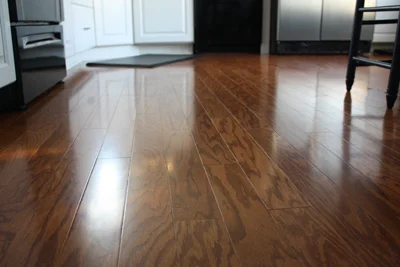
Hardwood and engineered wood: finish loss, buildup, and safe restoration limits
Hardwood and engineered wood often look dull because the finish has worn down or because cleaner residue is sitting on top of it. Light buildup can sometimes be removed safely, but deep scratches or worn finish usually need refinishing.
Be careful with water, steam, wax, and strong cleaners. Wood can swell, streak, or lose more finish if it is over-wet or treated with the wrong product. If you are unsure about the floor’s coating, check the manufacturer guidance before trying anything aggressive.
For more wood-specific cleaning guidance, see FloorsMop’s hardwood floor mopping guide.
Tile, laminate, vinyl, and stone: what can be revived and what cannot
Tile and porcelain often respond well to deep cleaning because the shine problem is usually film on the surface or haze in the grout. Laminate and vinyl can also improve if the dullness comes from residue, but they are less forgiving of excess water and harsh chemicals.
Natural stone is different. Some stone surfaces can be revived, but others may be etched, sealed, or sensitive to acidic products. If the shine loss is caused by etching or seal failure, cleaning alone will not fully restore it.
Stone, laminate, and luxury vinyl can all look dull for different reasons. Always match the method to the finish, not just the room type.
Why the wrong shine product can make some floors look worse
Shine sprays, waxes, and polish products can help some surfaces but leave others cloudy or slippery. A product that is meant for sealed vinyl may leave hardwood streaky, while a wax made for one finish can build up on another.
That is why a dull floor can look worse after a quick fix. If the floor already has residue, adding more finish usually traps the problem instead of solving it.
Step-by-Step Methods to Restore Shine Without Damaging the Floor
The safest restoration process starts with removing loose dirt, then cleaning away buildup, and only then deciding whether a shine-boosting product is appropriate. Skipping the early steps often makes the floor look hazy again within a day or two.
Dry cleaning first: removing grit, dust, and film before any treatment
Dry cleaning matters because grit acts like sandpaper. If you mop over dust or debris, you can spread the film and scratch the surface at the same time.
- Sweep or dust mop the entire floor.
- Pick up crumbs and trapped dirt along edges.
- Vacuum grout lines, corners, and under furniture.
- Inspect for sticky spots before adding liquid cleaner.
Deep cleaning with the right solution for your floor finish
Use a cleaner that matches the floor type and the finish. A pH-neutral cleaner is often a safer starting point for many sealed floors, while wood needs a product made specifically for wood care.
Work in small sections and use only enough solution to clean, not soak. For a broader routine that supports shine over time, FloorsMop’s daily floor cleaning guide can help you keep buildup from returning too quickly.
How to lift buildup from polish, soap, or hard water residue
If the floor looks dull because of buildup, the goal is to remove the film without stripping the finish. That usually means a careful deep clean, a rinse step if the product allows it, and a microfiber pass to remove leftover moisture.
On tile and some sealed surfaces, hard water residue may need a second pass with a cleaner designed for mineral film. On wood or laminate, avoid soaking the floor in an attempt to remove haze. If the residue does not lift easily, the issue may be finish-related rather than just dirty. [Source: Mayo Clinic]
Safe shine-boosting techniques for each major floor type
For tile and porcelain, a thorough clean followed by a dry buff can bring back a surprising amount of shine. For vinyl, use only products labeled safe for the specific flooring type, and avoid over-applying anything glossy.
For hardwood, a dry buff or a manufacturer-approved restorer may help if the finish is intact. For laminate, focus on cleaning and drying rather than adding polish. For stone, use only stone-safe products and consider resealing if the surface has lost protection.
- Sealed tile and porcelain with film buildup
- Vinyl with light dullness from residue
- Wood floors with intact finish and minor haze
- Steam on wood, laminate, or delicate vinyl
- Wax on floors that are not designed for it
- Acidic cleaners on stone
Practical Examples: Restoring Dull Floors in Real Rooms
Room conditions matter as much as floor type. Grease, sunlight, humidity, and hard water all create different forms of dullness, so the solution should match the problem you actually see.
Kitchen floors dulled by cooking grease and cleaner residue
Kitchen floors often look flat because grease and aerosol cleaner residue mix together. The surface may feel slightly tacky, especially near the stove, sink, or trash area.
Start with dry debris removal, then use a cleaner suited to the floor finish. If the dullness is mostly on sealed tile or vinyl, a second pass with fresh water or a residue-free rinse can help. In kitchens, less product is usually better than more.
Living room hardwood that looks flat from traffic paths and sunlight
Traffic paths can wear down the finish in narrow lanes, especially where people walk the most. Sunlight can also fade or dry out the surface, making one area look more worn than the rest.
If the floor still feels smooth and the finish is intact, a careful cleaning and approved wood refresher may improve the look. If the dull strip remains visible after cleaning, the finish may be worn enough that refinishing is the real fix.
Bathroom tile with cloudy film from hard water and product buildup
Bathroom tile often turns cloudy because of hard water, soap, and repeated spray products. The tile may be clean but still look lifeless under the light.
Use a tile-safe cleaner that can break down film, then dry the surface well to avoid spots returning. If the grout is also discolored, the whole floor may need a deeper clean, not just a quick mop.
If you are planning a more thorough refresh, FloorsMop’s monthly deep cleaning guide can help you organize the work without missing key steps.
Common Cleaning Mistakes That Make Floors Look Even Duller
Many dull floors get worse because the cleaning routine adds more residue, more moisture, or the wrong finish product. Avoiding those mistakes is often the fastest way to improve the result.
Using too much cleaner or leaving streaks behind
More cleaner does not mean more shine. Too much product can dry into a streaky film that makes the floor look cloudy, especially on dark surfaces and glossy tile.
If you see streaks after mopping, the floor may need a rinse or a cleaner reset. A microfiber pad or dry towel pass can also help remove leftover film before it hardens.
Applying wax, polish, or vinegar to the wrong surface
Wax and polish can be useful on some floors, but they can create buildup on others. Vinegar is also risky on many surfaces, especially stone and some finishes, because it can dull or damage the protective layer.
Vinegar floor cleaning is a common search topic, but it is not a universal answer for shine loss. When in doubt, choose a product made for the exact floor material.
Do not use an old “one-size-fits-all” shine product on a floor you have not identified. The wrong formula can leave a permanent haze or make the surface slippery.
Skipping rinse steps and trapping residue in the finish
Some cleaners are meant to be removed after loosening dirt, while others are leave-on formulas. If you skip the rinse step when one is needed, residue stays behind and the dullness returns quickly.
This is especially common after repeated weekly cleaning. A better routine is to use the right amount of cleaner, then dry the floor fully so leftover film does not settle back onto the surface.
Over-wetting wood or laminate during restoration attempts
Wood and laminate do not like excess water. Even if the floor does not warp right away, repeated over-wetting can cloud the finish, weaken edges, or cause swelling later.
For these floors, use a lightly damp mop and work in small sections. If the floor is already damaged by moisture, more cleaning will not restore the shine.
When Shine Can Be Restored at Home vs. When a Professional Is Needed
Some dull floors are simple cleaning problems. Others are finish problems, moisture problems, or damage problems that need a more specialized repair.
Signs the problem is surface-level and DIY-friendly
DIY restoration is usually reasonable when the floor is dull but smooth, the haze seems even, and the finish still looks intact. If the change happened gradually and there is no swelling, cracking, or pitting, cleaning may solve most of it. [Source: Home Depot Guide]
Surface film, light soap residue, and mild hard water haze are often manageable at home with the right cleaner and a gentle approach.
Damage clues that point to worn finish, etching, or subfloor issues
If the floor has gray traffic lanes, bare-looking patches, rough spots, or a matte area that does not improve after cleaning, the finish may be worn through. On stone, dull spots that do not respond to cleaning may be etching rather than dirt.
Soft spots, raised boards, or recurring cloudiness after drying can point to moisture under the surface. Those are not normal cleaning issues and should be checked carefully.
When to call a flooring professional for refinishing, resealing, or repair
Call a professional when the floor is expensive, the finish type is unclear, or the dullness may involve structural or moisture damage. This is especially important for natural stone, historic wood, and floors under warranty.
If you suspect the finish has worn out, a pro can advise whether refinishing, resealing, or spot repair is the right next step. That is often safer than trying multiple DIY products and making the surface harder to restore.
Cost, Time, and Product Comparison for Dull Floor Restoration in 2025
The cost of fixing dull floors depends on whether you are doing a light clean, a residue removal, or a full restoration. Product choice and floor type matter more than the room size alone.
Budget-friendly cleaning supplies vs. specialty restoration products
Basic supplies like a dust mop, microfiber pads, and a floor-safe cleaner are usually the cheapest way to start. They solve many dullness problems caused by dirt and residue.
Specialty restorers, stone-safe cleaners, wood refreshers, and mineral removers cost more, but they may save time if the problem is specific. A product only makes sense if it matches the floor and the issue.
Expected time investment for quick refreshes versus deeper restoration
A quick refresh may take less than an hour for a small room, especially if the dullness is only surface film. Deeper cleaning, drying time, and test spots add more time, especially on larger or more delicate floors.
If you are working on multiple rooms, it helps to pace the job so the floor can dry fully between steps. Rushing often leaves streaks and makes the result look worse.
DIY restoration costs compared with professional service pricing
DIY is usually the lower-cost route when the issue is cleaning-related. The tradeoff is that you need to choose products carefully and accept that some damage cannot be polished away.
Professional service becomes more cost-effective when the floor needs refinishing, resealing, or repair. If you are comparing options, FloorsMop’s floor cleaning cost calculator can help you think through the scope before you commit.
Budget for more than one product only if the floor type truly needs it. In many cases, a proper cleaner, a microfiber pad, and time are enough to bring back much of the shine.
Final Recap: The Fastest Way to Bring Back Glow Safely
The fastest safe fix is usually simple: remove dry debris, clean with the right product, rinse or wipe away residue, and dry the floor completely. If the surface still looks dull after that, the issue may be finish wear rather than dirt.
Key takeaways by floor type and problem severity
Tile and porcelain often recover well from buildup. Vinyl and laminate can improve if the problem is residue, but they dislike excess water and harsh products. Hardwood may need only a gentle refresh, or it may need refinishing if the finish is worn. Stone should always be treated with stone-safe products and extra caution.
Simple maintenance habits to keep floors from turning dull again
Use less cleaner, dry the floor after mopping, and avoid layering shine products unless the floor is designed for them. Regular dust removal also matters because grit and film build up faster when they are left in place.
If you keep a simple routine and match the product to the floor, dullness is much easier to prevent than to fix later.
Frequently Asked Questions
Dullness after mopping usually comes from residue, not dirt. Too much cleaner, skipped rinse steps, or hard water film can leave a cloudy finish behind.
Sometimes, yes, if the dullness is caused by surface buildup. If the finish is worn through or the wood is damaged, home cleaning will not fully restore the shine.
Start by removing dust and buildup with a tile-safe cleaner. Dry the floor well afterward, since leftover moisture and film can make tile look cloudy again.
Vinegar is not safe for every floor type. It can damage stone and may dull some finishes, so it is better to use a cleaner made for the exact surface.
If the floor has worn finish, etching, swelling, soft spots, or damage that does not improve after cleaning, a professional should inspect it. Expensive or warranty-covered floors are also good candidates for expert help.
Dust or sweep regularly, use the correct cleaner in the right amount, and dry the floor after mopping. Avoid product buildup by not overusing polish or shine boosters.
