
Slippery Floors Guide to Safer Homes and Workplaces

Slippery floors are usually caused by moisture, residue, worn finishes, or the wrong cleaner for the surface. The safest fix is to identify the cause first, then use floor-compatible cleaning and traction improvements. Related: floor slip prevention. Related: slippery floor causes. Related: anti-slip cleaning. Related: floor residue buildup.
Slippery floors are more than a cleaning annoyance. In homes and workplaces, they can turn normal walking paths into fall risks, especially when moisture, residue, or worn finishes reduce traction.
This slippery floors guide explains what makes floors unsafe, how to identify the real cause, and which fixes make sense for different floor types. The goal is simple: improve grip without creating new damage, sticky buildup, or warranty problems.
- Find the cause: Moisture, buildup, and finish wear need different fixes.
- Match the floor: Tile, wood, vinyl, concrete, and stone all have different limits.
- Clean for grip: Use less product, less water, and better drying habits.
- Add support: Mats, runners, and spill control help in high-risk zones.
- Get help early: Repeating slip issues can signal finish failure or deeper damage.
Slippery Floors Guide: What Makes Floors Unsafe in Homes and Workplaces
A floor usually becomes slippery for one of two reasons: the surface is wet, or the surface has changed in a way that lowers traction. That change may come from cleaning residue, worn finishes, polishing products, or damage that makes the floor behave differently than it used to. Related: slippery floors.
In everyday settings, the problem often shows up where people walk the most. If you want a broader maintenance routine that supports traction, our daily floor cleaning guide can help you keep buildup from getting ahead of you.
Moisture, residue, and wear patterns that increase slip risk
Moisture is the most obvious cause, but residue is often the hidden one. Soap film, detergent, wax, polish, and disinfectant leftovers can leave a thin layer that feels clean yet reduces grip underfoot.
Wear patterns matter too. In busy pathways, the finish may become smoother over time, while edges, corners, and turning points collect grime that changes how the floor feels when you step on it.
High-traffic zones, entryways, kitchens, bathrooms, and commercial spaces
Entryways are risky because shoes bring in water, mud, and fine grit. Kitchens and bathrooms add splashes, steam, and frequent wipe-downs, which can leave floors damp or coated with cleaner if the routine is too heavy-handed.
Commercial spaces face a different challenge: more foot traffic, more cleaning cycles, and more chances for residue to build up in the same routes. In these areas, slip prevention usually depends on both the floor finish and the cleaning method.
How to Identify the Real Cause of a Slippery Floor
Before choosing a fix, it helps to narrow down whether the issue is buildup, surface damage, or environmental conditions. Different causes need different solutions, and the wrong one can make the floor even harder to maintain.
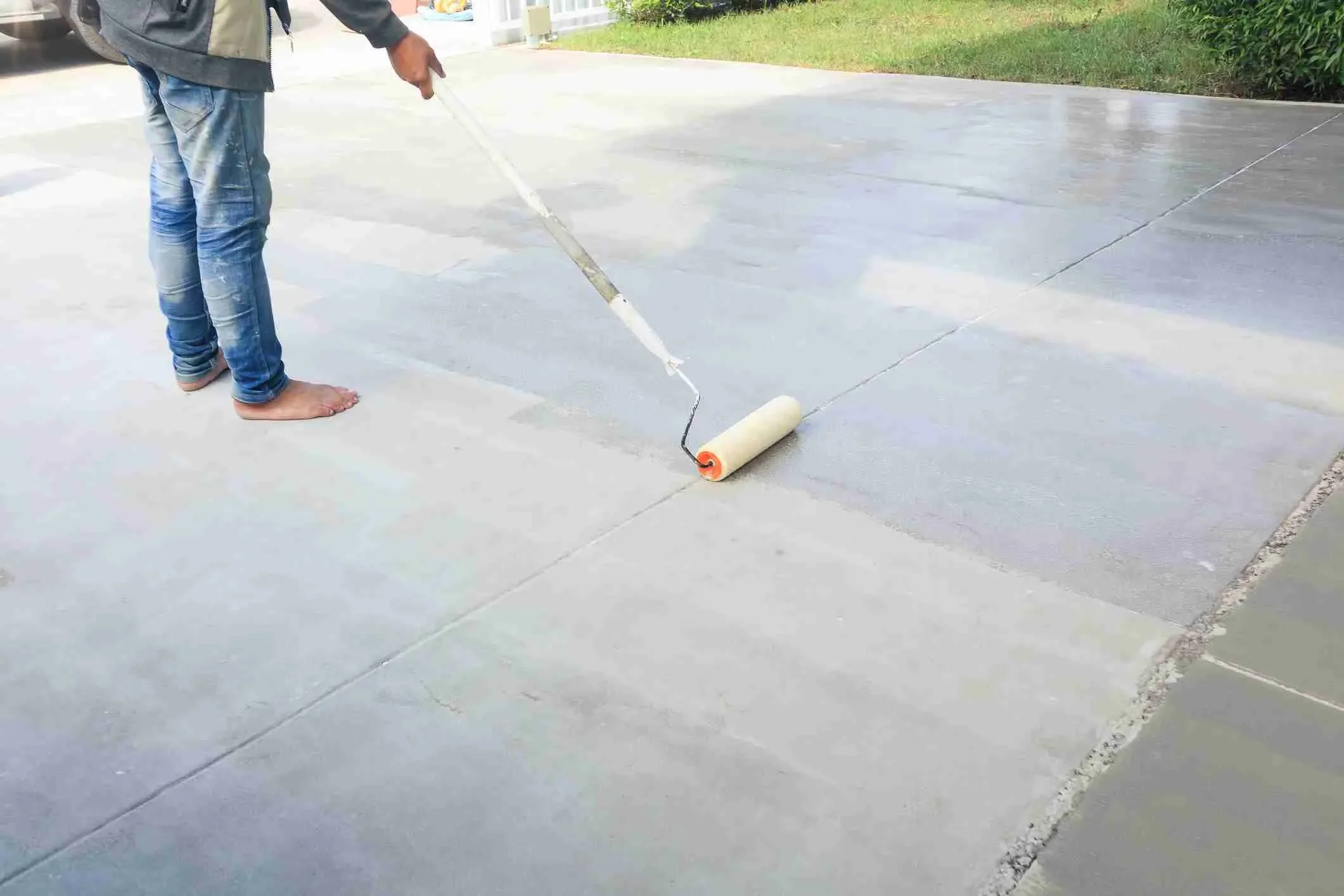
Cleaning product buildup, wax overuse, and detergent film
If a floor looks dull but feels slick, product buildup is a strong possibility. This is common when polish, wax, all-purpose cleaner, or detergent is used too often, too heavily, or without enough rinsing.
Some floors also react badly to repeated shine products. They may look glossy at first, but the finish can become uneven, tacky, or slippery once layers start stacking up.
Surface damage, polishing issues, and finish breakdown
When traction changes after years of use, the issue may be the surface itself. Scratches, worn coatings, breakdown of sealers, or over-polishing can alter how shoes contact the floor.
On some materials, a finish that once helped with grip may now be thinning or patchy. In that case, cleaning alone will not fully solve the problem, because the floor may need refinishing or professional evaluation.
Environmental factors: humidity, spills, weather, and footwear
Humidity can keep floors from drying quickly, especially in bathrooms, laundry rooms, and basements. Spills and tracked-in rain add obvious moisture, but even light condensation can create a slick feel on certain surfaces.
Footwear matters too. Smooth soles, worn tread, and work shoes with embedded oils or dust can reduce traction, especially on polished tile or sealed concrete. If the floor only feels slippery with certain shoes, the issue may be partly environmental rather than structural.
Floor-Type Compatibility: Which Surfaces Need Different Fixes
Not every floor should be treated the same way. What improves safety on one surface can damage another, so floor type and finish always matter when choosing a cleaner, treatment, or traction aid.
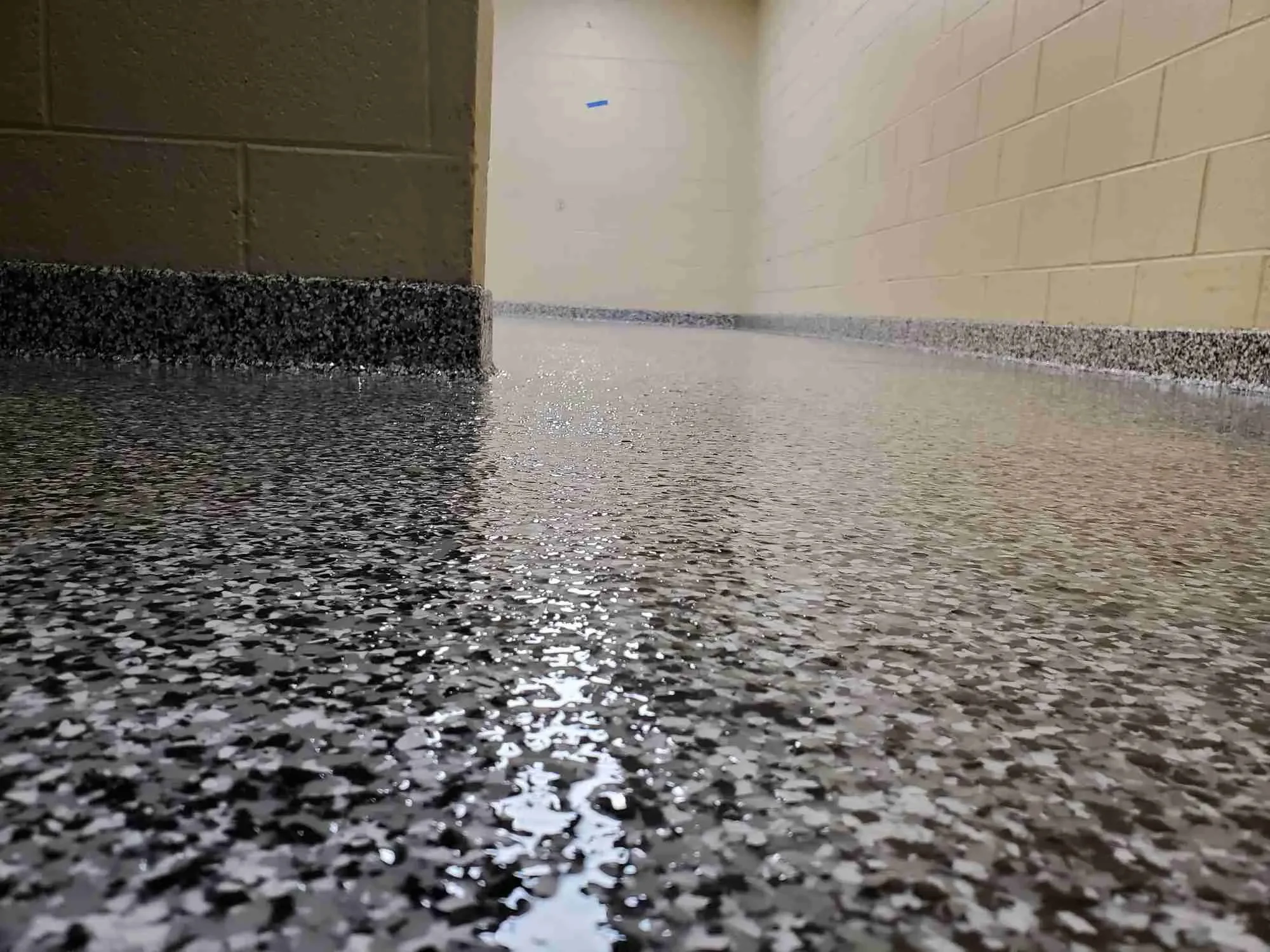
Tile and grout: glazed ceramic, porcelain, and textured tile considerations
Glazed ceramic and porcelain can handle many routine cleaners, but very glossy finishes may feel slick when they are wet or coated with residue. Textured tile usually offers better traction, though grout lines can trap dirt and make the floor feel uneven if they are neglected.
For tile, the main goal is usually residue control rather than aggressive polishing. If you are working with porcelain specifically, it can help to follow a method designed for that surface, such as mopping porcelain floors with the right amount of moisture and cleaner.
Hardwood and engineered wood: finish safety, moisture limits, and traction
Wood floors rely heavily on the condition of the finish. If the coating is worn, glossy in some spots, or softened by too much water, traction can change quickly and the surface may become more vulnerable to damage.
Both hardwood and engineered wood should be cleaned with care, because excess moisture can create long-term problems beyond slipperiness. If the floor is wood-based, a routine like how often you should mop hardwood floors can help you avoid over-wetting and over-cleaning.
Vinyl, laminate, and LVT: what to avoid and what to use instead
Vinyl, laminate, and LVT often need low-moisture cleaning and residue-free products. Steam, heavy waxes, and oily shine treatments can create safety and compatibility issues, especially if the floor manufacturer warns against them.
These floors usually do best with light cleaning, a well-wrung mop, and a cleaner that leaves no film. If you are unsure about steam on vinyl, it is safer to check first rather than assume it is harmless.
Concrete, stone, and commercial flooring: sealed vs. unsealed surfaces
Concrete and stone can be highly slip-resistant or surprisingly slick, depending on texture, sealer, and wear. Sealed concrete may become slippery if the coating is too smooth or if cleaning residue accumulates, while unsealed concrete may feel grippier but can stain more easily.
Natural stone has its own limits. Some stones react poorly to acidic cleaners, and some sealed surfaces lose traction when coatings are worn unevenly. If you maintain stone, a method tailored to that material is usually safer than a general-purpose routine.
Practical Ways to Improve Traction Without Damaging the Floor
The safest fixes are usually the ones that reduce residue, manage moisture, and improve walking surfaces without changing the floor in a way that causes new problems. Start with cleaning habits, then add traction aids where needed. [Source: Britannica]

Correct cleaning routines for safer everyday grip
Use the least amount of water needed to remove dirt. Floors should be damp-cleaned, not soaked, and then allowed to dry fully before regular foot traffic resumes.
If a floor is already sticky or slick after cleaning, it is often worth revisiting the routine before buying a treatment. A better basic method may solve the problem faster than a stronger product.
When traction feels off, test a small area with a cleaner-free rinse or a very light damp mop pass. If the floor feels less slippery after drying, residue was likely part of the problem.
Using pH-appropriate cleaners and residue-free mopping methods
Cleaner choice matters because different floors tolerate different formulas. A pH-appropriate cleaner helps reduce the risk of dulling, etching, or leaving behind a film that changes the floor’s grip.
Residue-free mopping also matters. That usually means measuring product carefully, changing dirty water, and avoiding the habit of “just adding a little more” cleaner to make the floor look shinier.
Do not assume stronger cleaner means safer flooring. Extra soap, extra disinfectant, or extra shine product can leave a slick film that makes the floor more dangerous.
Entry mats, anti-slip runners, and targeted spill control
Entry mats are one of the simplest ways to reduce tracked-in water and grit. In kitchens, bathrooms, and work areas, runners or absorbent mats can help where spills are likely and foot traffic is constant.
Targeted spill control is just as important. Wiping up water near sinks, refrigerators, tubs, and doors immediately can prevent repeated slick spots from forming in the same locations.
When non-slip coatings, treatments, or floor mats make sense
Non-slip coatings and treatments can help on some floors, but they are not universal fixes. Their success depends on the floor material, finish condition, and whether the product is designed for that exact surface.
Floor mats are often a lower-risk first step because they can improve traction without altering the floor itself. They make the most sense in problem zones rather than across every room.
If you are considering a coating or treatment, check compatibility with the floor finish first. A product that helps one tile or concrete surface may haze, stain, or void guidance on another.
Common Cleaning Mistakes That Make Floors More Slippery
Many slippery floor problems come from well-intentioned cleaning habits. The issue is not always dirt; sometimes it is what remains after the cleaning is done.
Overusing polish, wax, or “shine” products
Polish and wax can make some floors look better, but too much can create a glossy layer that reduces traction. This is especially risky in homes with kids, older adults, or anyone who moves quickly between rooms.
On commercial floors, repeated shine products can also make maintenance harder by trapping dirt and forcing more frequent stripping or deep cleaning later.
Leaving soap, cleaner, or disinfectant residue behind
Residue is one of the most common reasons a floor feels slippery after cleaning. It can happen when too much product is used, when the mop water is not changed often enough, or when the floor is not rinsed as needed.
If a floor looks clean but feels tacky or slick when dry, residue should be high on the suspect list. That is especially true after disinfecting or heavy-duty cleaning.
Using the wrong mop, too much water, or dirty microfiber pads
A mop that holds too much liquid can leave the floor wet longer than necessary. Dirty microfiber pads can also spread oily grime around instead of removing it, which can create a slippery film.
For more on technique, see how to mop a floor properly, especially if you are trying to reduce streaking and leftover cleaner.
Ignoring buildup in corners, grout lines, and textured surfaces
Build-up often hides where cleaning is easiest to overlook. Corners, baseboards, grout lines, and textured tile can collect residue that later gets spread into the walking path.
That is one reason a floor can seem fine in the center but still feel unsafe near edges or transitions. A more careful cleaning pass in those spots can make the whole area feel more stable.
Cost and Solution Comparison: Quick Fixes vs. Long-Term Safety Improvements
There is no single best fix for every slippery floor. The right choice depends on how severe the problem is, how expensive the surface is to repair, and whether the slip risk is occasional or constant.
| Method / Product | Best For | Be Careful With |
|---|---|---|
| Cleaning changes | Residue, soap film, and light moisture issues | May not solve worn finish or surface damage |
| Entry mats and runners | Entryways, kitchens, bathrooms, and spill zones | Can bunch up or slide if not secured |
| Professional deep cleaning | Built-up grime, old cleaner layers, and sticky floors | Results vary by floor type and finish |
| Anti-slip treatments | Some tile, stone, and commercial surfaces | Must match the exact flooring material |
| Refinishing or replacement | Worn, failing, or repeatedly unsafe floors | Higher disruption and more planning required |
Low-cost options: cleaning changes, mats, and traction aids
Low-cost fixes are often the best place to start because they address the most common causes. Better rinsing, less product, dry entry mats, and targeted spill cleanup can improve traction without changing the floor itself.
These options are also easy to adjust if the problem turns out to be seasonal, room-specific, or caused by a temporary cleaning habit. [Source: EPA]
Mid-range options: professional deep cleaning and anti-slip treatments
Mid-range solutions make sense when buildup has become stubborn or when the floor needs more than a routine mop. A professional deep clean may remove layers that regular cleaning keeps spreading around.
Anti-slip treatments can also help, but they should be selected carefully. Their effectiveness depends on the product, the floor finish, and how the surface is used day to day.
Higher-cost options: refinishing, resurfacing, or floor replacement
If the finish is worn through, the sealer is failing, or the surface itself is no longer safe, more involved repair may be the only lasting answer. Refinishing or resurfacing can restore traction in some cases, but not every floor can be safely treated this way.
Replacement is usually the last resort, but it may be the most practical choice for floors with repeated slip issues, structural damage, or compatibility problems that keep returning.
Cheaper fixes are often best for residue and moisture problems, while damaged finishes or failing coatings may justify a bigger repair. The right choice depends on whether the floor is actually dirty, worn, or simply mismatched with the cleaning method.
Choosing the right solution based on risk, floor type, and budget
Start with the least invasive fix that fits the floor type. If the problem improves after cleaning changes and spill control, you may not need coatings or refinishing at all.
If the floor remains slippery after careful cleaning, the risk level and surface condition should guide the next step. In high-traffic homes and workplaces, it is usually better to invest in the most durable safe option rather than keep repeating temporary fixes.
When to Ask a Flooring Professional for Help
Some slippery floor problems are straightforward, but others point to deeper issues. A flooring professional can help when the surface, finish, or substrate may be failing and cleaning alone is no longer enough.
Signs the floor finish, seal, or substrate may be failing
Watch for patchy shine, peeling sealer, soft spots, discoloration, or areas that feel slippery even after residue is removed. These are signs the problem may be structural or finish-related rather than just a cleaning issue.
If the floor changes texture from one area to another, that can also suggest uneven wear or damage underneath the surface.
Slip issues that return after cleaning or temporary treatment
If the same area becomes slippery again soon after cleaning, the source may be embedded buildup, moisture intrusion, or an incompatible product that keeps leaving residue behind. Temporary fixes that only work for a day or two usually mean the root cause has not been addressed.
That is a good point to pause and reassess rather than layering on more cleaner, more polish, or more treatment.
Commercial liability concerns, accessibility needs, and safety standards
In workplaces, recurring slip risk can affect liability, accessibility, and daily operations. If employees, customers, or visitors are exposed to the hazard, the response should be more structured than a simple household cleaning adjustment.
That is especially true in areas used by people with mobility aids, limited balance, or heavy foot traffic. When safety standards or warranty concerns apply, professional guidance is often the safest next step.
Final Recap: A Safer Slippery Floors Guide for 2025
The best slippery floors guide is the one that starts with the cause, not the symptom. Moisture, residue, worn finishes, and floor-type mismatch are the most common reasons floors lose traction in homes and workplaces.
Once you know the cause, the fix becomes much clearer: clean with the right product, use less water, add mats where needed, and avoid treatments that do not match the surface. If the floor still feels unsafe after that, it is time to look at finish failure or ask for professional help.
Key takeaways for preventing slips in homes and workplaces
Keep floors dry as often as possible, especially in entryways, kitchens, bathrooms, and busy commercial paths. Use cleaners that match the floor type and avoid layering on products that leave a film.
Best next steps for maintaining traction across different floor types
Check whether the problem is buildup, moisture, or wear. Then choose the least invasive fix that fits your floor, and move to deeper solutions only if the slip risk keeps returning.
Frequently Asked Questions
Floors often feel slippery after cleaning because of soap film, detergent residue, wax buildup, or too much product left behind. In some cases, the floor is simply still damp and needs more drying time.
The safest first step is to reduce residue by using less cleaner, rinsing if needed, and drying the floor fully. Mats, runners, and better spill control can also improve traction without changing the floor surface.
Yes, too much polish or wax can create a glossy layer that reduces traction. This is more likely when products are applied repeatedly without proper removal of old buildup.
No, steam mops are not safe for every floor type. They can be risky for some wood, laminate, and vinyl floors, so it is best to check the manufacturer guidance first.
Uneven shine, patchy wear, peeling sealer, or slipperiness that remains after careful cleaning can point to finish problems. If the issue keeps returning, the surface may need professional evaluation.
Call a flooring professional if the finish seems to be failing, the floor stays slippery after cleaning, or the surface is expensive or sensitive. Commercial spaces and accessibility-related safety concerns also justify professional help.
