
Can You Use Cloudy Floors for a Cleaner Home Today

Yes, you can clean many cloudy floors safely if the haze is from residue, film, or mineral buildup. If the cloudiness is caused by etching, worn finish, or moisture damage, cleaning alone will not fully fix it. Related: floor haze. Related: floor residue. Related: streaky floors. Related: dull floors.
If you are asking can you use cloudy floors to help create a cleaner home, the short answer is yes only if the cloudiness is residue or surface buildup. If the haze is caused by damage, moisture issues, or finish failure, cleaning alone may not fix it and could make it worse.
- Most common cause: Cloudiness is often cleaner residue or hard-water film.
- Best first move: Dry-clean first, then use a floor-safe pH-balanced cleaner.
- Biggest risk: Too much water, soap, or abrasive scrubbing can worsen haze.
- Know the limit: Permanent dullness may mean finish damage or etching.
- When to call help: Return haze, warped boards, or stone damage deserve professional advice.
Can You Use Cloudy Floors for a Cleaner Home Today? Understanding the Real Problem
Cloudy floors are usually a symptom, not a floor type. In many homes, that dull, milky look comes from leftover cleaner, hard-water spots, or a worn finish that no longer reflects light evenly.
That matters because the right fix depends on what is actually causing the cloudiness. A sealed tile floor with soap film needs a very different approach than a hardwood floor with a damaged topcoat. Related: cloudy floors.
If your goal is a cleaner home, the safest first step is to identify whether the haze is on the surface or built into the finish. That distinction will tell you whether a simple reset cleaning is enough or whether you need a deeper repair plan.
What “Cloudy Floors” Usually Means in 2025: Residue, Etching, or Finish Damage
In everyday floor care, “cloudy” usually means the floor looks dull, streaky, hazy, or slightly white after cleaning. The most common causes are residue, mineral deposits, or actual surface damage.
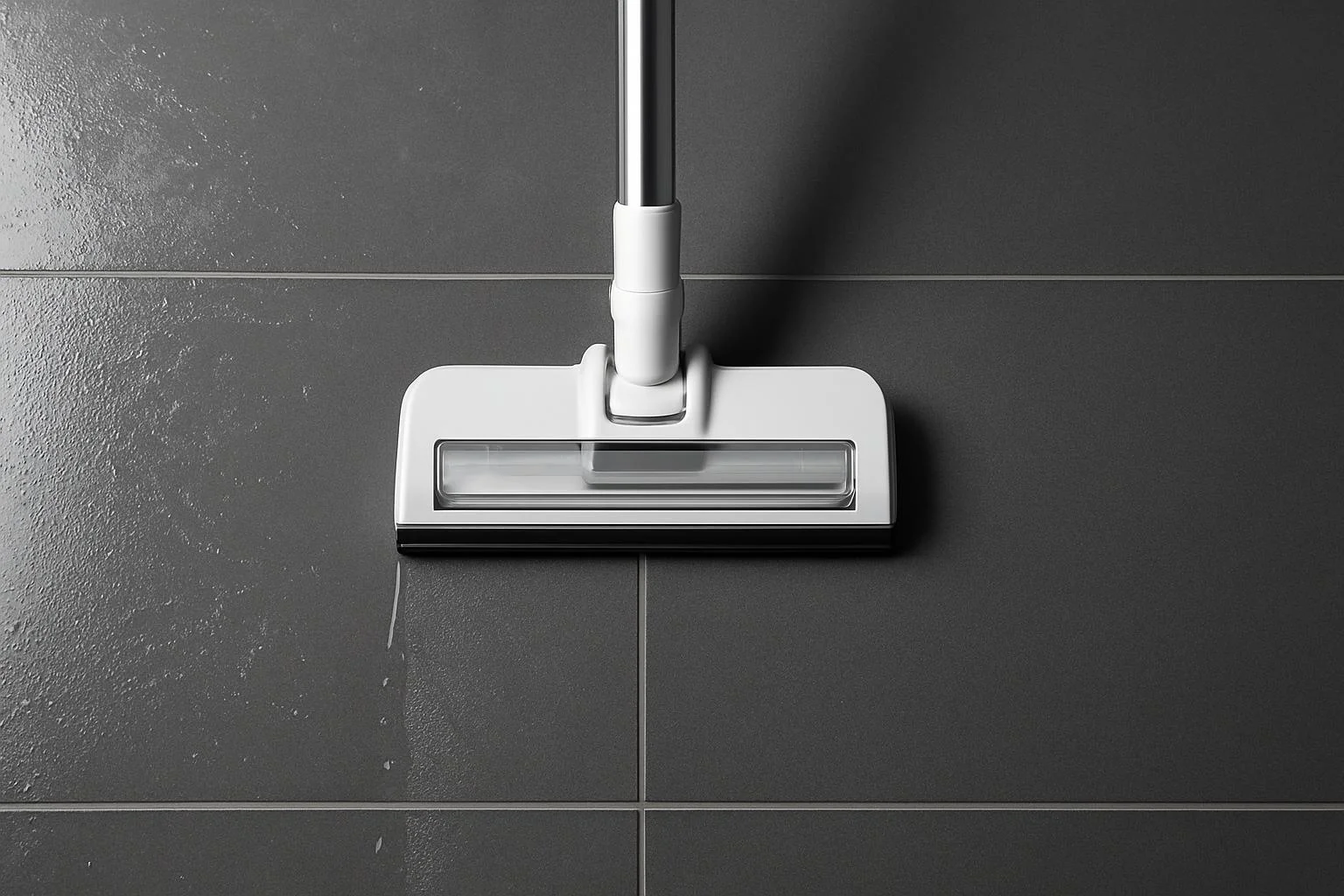
Soap film and cleaner buildup on sealed floors
Too much cleaner, too little rinsing, or repeated use of a product that leaves behind a coating can create a cloudy film. This is common on tile, vinyl, laminate, and some sealed wood floors.
The floor may feel slightly tacky or look worse in bright light. If that sounds familiar, the problem is often buildup rather than damage.
Mineral deposits from hard water and mopping mistakes
Hard water can leave faint white spots or streaks after mopping, especially when the floor air-dries slowly. Overwetting the floor or using a dirty mop can spread minerals around instead of removing them.
These marks often show up most clearly on dark floors, glossy tile, and bathroom surfaces. A controlled-moisture cleaning method usually works better than a heavy mop-and-bucket approach.
Etching, haze, and worn finish on hardwood, laminate, and tile
Sometimes cloudiness is not dirt at all. Acidic products, abrasive pads, or repeated wear can dull the finish, scratch the surface, or etch certain materials like stone and polished tile.
When the surface itself is damaged, cleaning can improve the look a little, but it will not restore the original shine. In those cases, the floor may need refinishing, polishing, or professional restoration.
Floor-Type Compatibility: Where Cloudy Floors Can Be Cleaned Safely and Where Caution Matters
Not every cloudy floor should be treated the same way. The safest method depends on the material, the finish, and how much moisture the floor can handle.
Hardwood and engineered wood: when cloudiness is surface residue vs. finish failure
On hardwood, a cloudy look may come from cleaner residue, waxy buildup, or a worn finish. If the floor is sealed and the cloudiness is light, a damp microfiber mop and a wood-safe cleaner may help.
But if the wood looks gray, uneven, or permanently dull in traffic lanes, the finish may be failing. That is especially important for engineered wood, where excess water and harsh cleaning can create long-term problems.
For more guidance on care frequency, see how often to mop hardwood floors and avoid overcleaning a surface that only needs light maintenance.
Luxury vinyl plank and laminate: avoiding moisture and abrasive cleaners
Luxury vinyl plank and laminate can look cloudy when soap residue, microfiber lint, or streaky cleaner dries on top. These floors usually respond best to a small amount of pH-balanced cleaner and very little water.
The main risk is soaking seams or using products that leave a film. Steam, abrasive pads, and heavy waxy sprays can also create more haze than they remove.
If you are unsure about heat and moisture, it helps to review steam mop safety for laminate floors before trying a faster fix.
Ceramic, porcelain, and natural stone: haze removal without damaging grout or sealers
Tile can usually handle more cleaning than wood, but it still needs the right approach. Cloudiness on ceramic or porcelain often comes from residue, while natural stone may also be reacting to acidic products or worn sealer.
Grout can trap cleaner and dirt, which makes the whole floor look dull even when the tile itself is fine. On stone, avoid anything that could etch the surface or strip protective sealer.
If you need a more detailed tile routine, mopping porcelain tile floors correctly can help you avoid common haze-causing mistakes.
How to Clean Cloudy Floors the Right Way Without Making the Haze Worse
The goal is to remove residue without leaving behind more of it. That usually means starting dry, using the right cleaner, and keeping moisture under control.
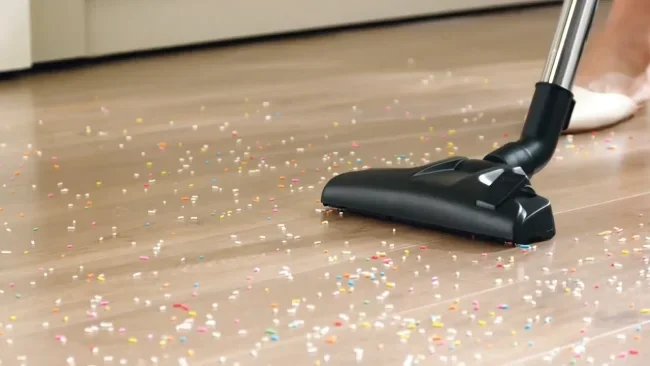
Dry removal first: vacuuming, dust mopping, and debris control
Before using any liquid, remove grit, dust, and loose debris. A vacuum with a hard-floor setting or a microfiber dust mop reduces the chance of dragging residue around and creating new streaks.
This step matters more than many people think. If dirt stays on the floor, the mop water can turn it into a thin film that dries cloudy. [Source: CDC]
Choosing the right pH-balanced cleaner for your floor type
Use a cleaner matched to the floor material whenever possible. A pH-balanced formula is usually a safer starting point for sealed floors than vinegar, bleach, or heavy all-purpose sprays.
For wood, vinyl, and laminate, less is often better. For tile, the cleaner still needs to be compatible with grout and any sealer on the surface.
Use only the amount of cleaner the label recommends, then see whether the floor dries clear before adding more product.
Spot-testing, microfiber technique, and controlled moisture use
Always test a small hidden area first, especially on wood, stone, or older floors. A microfiber mop is usually a better choice than a soaking wet string mop because it spreads less water and leaves fewer streaks.
Work in small sections, wring the mop well, and switch out dirty water quickly. If the floor still looks cloudy after drying, the issue may be buildup that needs a second pass or a different cleaner.
Vacuum or dust mop first so grit does not smear across the surface.
Apply a floor-safe formula with a microfiber mop, not a soaking one.
Let the floor dry fully, then check for streaks, spots, or tacky residue.
Practical examples: cloudy kitchen tile, dull bathroom vinyl, streaked hardwood hallway
A cloudy kitchen tile floor is often caused by cooking residue and cleaner buildup. A controlled rinse with a tile-safe cleaner may restore the shine without scrubbing grout too aggressively.
A dull bathroom vinyl floor is often linked to soap overspray, body care products, or excess water. A damp microfiber pass and a residue-free cleaner usually work better than a stronger formula.
A streaked hardwood hallway may point to finish wear or too much product. If the streaks remain after a careful cleaning, the issue may be more about the coating than the dirt.
Common Cleaning Mistakes That Create or Worsen Cloudiness
Many cloudy floors start with well-meant cleaning habits. The wrong product or too much water can leave the floor looking worse than before you started.
Using too much soap, vinegar, or all-purpose spray
More cleaner does not mean a cleaner floor. Soap can leave a film, vinegar can be too harsh for some finishes, and all-purpose sprays may not rinse clean on flooring surfaces.
If cloudiness appears soon after cleaning, product buildup is one of the first things to suspect. A simpler formula often works better than a stronger one.
Overwetting floors and leaving behind streaks or mineral spots
Excess water can carry minerals, dirt, and cleaner residue into seams or grout lines. When that moisture dries unevenly, it often leaves streaks, spots, or a hazy cast.
This is one reason many homeowners get better results with a lightly damp mop and a good drying routine. For more on that, see how to dry a floor after mopping.
Mixing incompatible products or using abrasive pads
Combining cleaners can create residue, weaken performance, or damage the finish. Abrasive pads can also scratch glossy surfaces and make the haze look permanent.
When in doubt, keep the routine simple and avoid “extra strength” scrubbing unless the flooring maker says it is safe.
Ignoring manufacturer care instructions and finish-specific limits
Floor care instructions are not just fine print. They often explain which cleaners, mop types, and moisture levels are acceptable for that exact surface.
Skipping those directions can void a warranty or shorten the life of the finish. That is especially important for expensive wood, stone, and specialty vinyl products.
Do not use vinegar, bleach, or abrasive scrub pads on a floor unless the manufacturer specifically says they are safe for that surface.
When Cloudy Floors Need a Deeper Fix or a Flooring Professional
Some cloudy floors can be corrected with a better cleaning method. Others are signaling damage that cleaning cannot fully reverse. [Source: Healthline]
Signs the finish is damaged, not just dirty
If the floor stays dull in the same places no matter how carefully you clean, the finish may be worn out. Other signs include uneven shine, patchy color, fine scratches, or a rough feel underfoot.
That kind of cloudiness often behaves differently from residue. It may improve slightly with cleaning but will not fully disappear.
When haze returns after every cleaning
If the same cloudy look comes back quickly, there may be a buildup problem, a moisture issue, or a product compatibility issue. Repeating the same method usually repeats the same result.
At that point, it helps to simplify the routine and review whether the wrong cleaner or mop is being used.
Cases involving stone etching, scratched coatings, or warped boards
Natural stone can etch when exposed to acidic products, and that damage can look like permanent cloudiness. Scratched coatings on vinyl or laminate can also reflect light unevenly and mimic haze.
Warped boards, soft spots, or swelling usually point to moisture damage rather than a cleaning problem. Those situations need a careful inspection before more water is added.
What a flooring professional can do that DIY cleaning cannot
A flooring professional can identify whether the issue is residue, finish failure, or structural damage. They may also have access to restoration methods that are not practical or safe for regular home use.
For expensive materials, warranty-covered floors, or damage that keeps spreading, professional advice is often the smartest next step.
- Light residue on sealed tile, vinyl, or laminate
- Cloudiness that appears after mopping
- Floors that can handle a small amount of moisture
- Natural stone, unsealed wood, and damaged finishes
- Repeated haze that returns after cleaning
- Any floor with swelling, deep scratches, or etching
Cost, Time, and DIY vs. Professional Cleaning: What Makes Sense in 2025
For many cloudy floors, the cheapest fix is also the best one: a better cleaner, a microfiber mop, and a more careful technique. That makes sense when the problem is residue or light buildup.
Typical low-cost DIY supplies versus professional restoration services
DIY usually means buying a floor-safe cleaner, replacement mop pads, and maybe a better dust mop or vacuum attachment. Those supplies can handle many routine cloudiness problems at a relatively low cost.
Professional restoration becomes more appealing when the floor needs polishing, recoating, deep haze removal, or damage assessment. The exact cost depends on material, room size, and how severe the problem is.
A simple cleaner swap is usually the lowest-cost option. Restoration work can make sense for premium floors, but it is worth comparing the price to the floor’s age, value, and condition.
When a quick cleaner swap is enough and when restoration is worth it
If the cloudiness started after a product change, a quick switch back to a residue-free cleaner may solve it. If the floor has been cloudy for months, or the shine is uneven even after careful cleaning, restoration may be the better investment.
When you are weighing the options, a practical floor cleaning cost calculator can help you think through the value of DIY versus professional help. It is especially useful if you are comparing several rooms or different floor types.
Final Recap: The Smartest Way to Handle Cloudy Floors for a Cleaner Home
So, can you use cloudy floors for a cleaner home today? Yes, if the cloudiness is just residue, film, or mineral buildup that can be cleaned safely.
If the haze is actually damage, overcleaning will not help and may make the floor look worse. Start with the gentlest effective method, match the cleaner to the floor type, and ask a professional when the finish, sealer, or structure may be compromised.
Frequently Asked Questions
Yes, if the cloudiness is caused by residue, soap film, or mineral buildup. If the finish is damaged or etched, cleaning may only improve the look slightly.
A pH-balanced cleaner made for your floor type is usually the safest choice. Avoid using too much soap or harsh products that can leave a film.
Cloudiness after mopping often comes from too much cleaner, dirty mop water, or hard-water residue. Overwetting the floor can also leave streaks and spots.
Sometimes, but not always. Cloudiness can be residue on sealed wood, yet permanent dullness may mean the finish is worn or damaged.
Vinegar can help in some situations, but it is not safe for every floor type and may harm stone or some finishes. Check the manufacturer guidance before using it.
Call a professional if the haze keeps returning, the floor is etched or scratched, or boards are swelling or warping. Professional help is also smart for expensive or warranty-covered floors.
