
Pet Home Checklist vs Weekly Mopping Which Works Best

The smarter choice for most pet homes is a checklist for daily prevention plus weekly mopping for surface cleanup. If you must choose one, the checklist usually does more to control fur, odors, and mess buildup.
When pet hair, paw prints, litter scatter, and occasional spills all show up in the same week, the real question is not whether your floors need attention. It is whether a pet home checklist or weekly mopping will actually keep your home cleaner, safer, and easier to maintain.
In most pet homes, these methods do different jobs. A checklist helps you stay ahead of messes; weekly mopping helps remove the dirt that has already settled on the floor.
- Prevention wins: A checklist stops buildup before it spreads.
- Mopping has limits: It refreshes floors but does not solve shedding or odors alone.
- Floor type matters: Wood, vinyl, tile, and carpet all need different care.
- Combine methods: Most pet homes get the best results from both routines.
- Ask for help: Damage, warping, or deep odor may need a flooring professional.
Pet Home Checklist vs Weekly Mopping: What This Comparison Really Means
The phrase pet home checklist vs weekly mopping sounds like a direct either-or choice, but it is really a comparison between prevention and surface cleaning. A checklist is a routine of small tasks that reduce buildup before it spreads. Weekly mopping is a floor-focused reset that clears tracked-in grime and light residue.
For pet households, that distinction matters. A floor can look clean after mopping and still collect fur in corners, dander along baseboards, or odor near feeding and litter areas if the rest of the routine is inconsistent.
Why pet households need more than a standard cleaning routine
Pets create messes in layers. Hair lands daily, paws track in grit, bowls splash, and accidents can soak into rugs or seams before anyone notices. A standard once-a-week clean may handle visible dirt, but it often misses the smaller buildup that becomes harder to remove later.
That is why many homes do better with a pet-specific routine. It does not have to be complicated, but it should account for the places pets actually use most: entryways, feeding spots, litter zones, sleeping areas, and the paths between them. For broader floor care habits, a weekly mopping guide can help you see where mopping fits inside a larger plan.
What readers want to know before choosing a method
Most people want to know which method saves time, which one protects floors better, and which one keeps pet odors under control. The honest answer depends on your floor type, number of pets, and how quickly messes build up in your home.
If you want the simplest rule, use the checklist to prevent buildup and weekly mopping to remove what still remains. If your home has heavy shedding, accidents, or allergy concerns, the checklist usually matters more than mopping alone.
How a Pet Home Checklist Works in Real Life
A pet home checklist is not just a to-do list. It is a repeatable system that breaks pet cleanup into small, manageable actions so dirt does not spread from one room to the next. That makes it useful for busy households, multi-pet homes, and anyone trying to reduce floor wear over time.
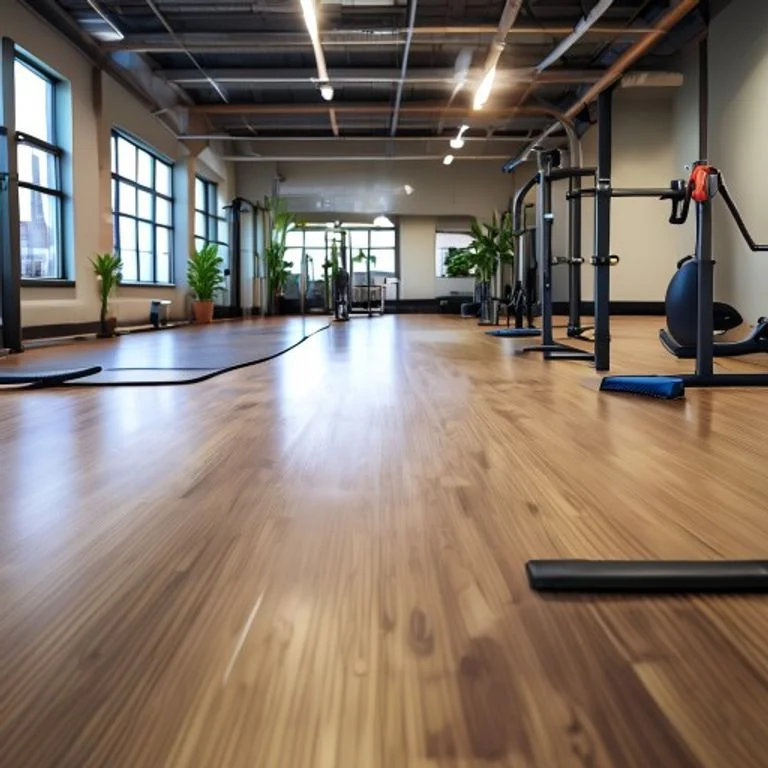
The biggest advantage is consistency. Instead of waiting until floors look visibly dirty, you handle the mess before it becomes sticky, smelly, or embedded in texture and grout lines.
Daily fur, paw-print, and litter-control tasks
Daily tasks are usually short, but they make a big difference. Typical items include sweeping or vacuuming pet hair, wiping paw prints near doors, checking under food bowls, and scooping litter or cleaning around litter mats.
These steps help stop debris from moving into the rest of the home. They also reduce the chance that wet paw prints dry into streaks, or that litter dust and crumbs get ground into floors.
- Vacuum or sweep high-shed areas
- Wipe entryway paw prints
- Clean around food and water bowls
- Scoop litter and shake out mats
- Check corners, vents, and baseboards for fur buildup
Room-by-room checklist priorities for high-traffic pet zones
Not every room needs the same attention. Entryways usually need grit control, feeding areas need splash cleanup, and sleeping spots need fur removal. Bathrooms or litter zones may need odor checks and more frequent surface wiping.
For mixed-floor homes, this room-by-room approach is especially helpful. It lets you focus effort where pets actually spend time instead of treating every floor the same. If you also struggle with buildup around mopping, it may help to review common weekly mopping mistakes that can leave residue behind.
Keep a small pet-cleanup kit in the rooms you use most. A handheld vacuum, microfiber cloths, and a safe floor cleaner can save time between full cleanings.
Best for owners who need prevention, not just cleanup
A checklist works best for owners who want fewer emergency cleanups and less floor damage over time. It is especially useful if your pets shed heavily, track in dirt often, or have habits that create repeated messes in the same spots.
It is also the better choice when you care about prevention. Mopping can make a floor look fresh, but it cannot stop fur from collecting in corners or prevent spills from becoming stains if they are left too long.
What Weekly Mopping Actually Solves in Pet Homes
Weekly mopping is still valuable in pet homes because it removes the fine dirt and residue that sweeping alone can leave behind. It is the step that restores a cleaner floor surface after a week of paws, crumbs, and tracked-in debris.
Used correctly, mopping can make a noticeable difference in how a room feels. Used carelessly, though, it can leave floors sticky, too wet, or exposed to moisture damage.
How mopping handles tracked dirt, saliva, and minor spills
Mopping is good at lifting the film that forms from paw traffic, food splashes, light saliva marks, and small spills near bowls or crates. It can also help remove dust that clings to the floor after sweeping.
This is where mopping earns its place in the routine. It refreshes the surface and can improve appearance, especially on hard flooring that shows paw prints or dried droplets easily.
Where weekly mopping falls short with shedding, dander, and odors
Weekly mopping does not replace daily pet cleanup. It will not pull hair out of carpet edges, remove all dander from textured surfaces, or solve odors that have already soaked into padding, grout, or unfinished seams.
It can also miss the source of the problem if the home has a lot of pet traffic between cleanings. In that case, the floor may look better after mopping but still feel dusty or smell stale by midweek.
Do not rely on mopping alone for pet homes with heavy shedding or frequent accidents. If debris is left in place, mopping can spread residue instead of removing it.
Ideal use cases for maintaining a cleaner floor surface
Weekly mopping works best as a maintenance step rather than a rescue step. It is ideal for homes with one or two well-managed pets, sealed hard floors, and a daily routine that already keeps debris under control.
If your floors are mostly clean between moppings, the weekly wash helps maintain that condition. If not, you will usually get better results by improving the checklist first and then mopping on schedule.
Floor-Type Compatibility: Which Method Is Safest for Your Floors
Floor type matters as much as pet behavior. Some surfaces tolerate frequent damp cleaning well, while others can warp, dull, or trap moisture if they are over-cleaned or cleaned with the wrong product.
Before choosing a method, think about finish, seams, grout, and how much water the floor can safely handle. When in doubt, check the manufacturer’s care guidance or ask a flooring professional, especially for expensive or warranty-covered floors.
Hardwood and engineered wood: moisture risks and finish protection
Hardwood and engineered wood need careful moisture control. A checklist often helps more here because it reduces the need for repeated wet cleaning, and spot-cleaning is usually safer than frequent soaking.
If you do mop, use a barely damp microfiber mop and a wood-safe cleaner. Too much water can dull the finish, seep into seams, or cause swelling over time, especially in high-traffic pet areas.
Tile, grout, and sealed stone: where mopping performs best
Tile and properly sealed stone are among the best surfaces for weekly mopping. These floors handle damp cleaning better and usually benefit from regular removal of tracked dirt and pet residue.
Grout is the main weak point. It can hold stains and odors if spills are not cleaned quickly, so a checklist still matters for spot treatment and edge cleaning between full mops.
LVP, laminate, and vinyl: what pet owners should avoid
LVP, laminate, and vinyl can be practical pet-friendly floors, but they still need the right cleaning approach. Excess water, harsh chemicals, and abrasive pads can leave them cloudy, warped, or slippery.
For these floors, a checklist helps reduce the need for aggressive mopping. If you mop, keep the pad lightly damp and use a cleaner that is approved for the specific floor type. For more detail on that choice, see steam mops and vinyl floors before using heat or moisture-heavy methods.
Carpeted areas, rugs, and mixed-floor homes: why a checklist matters more
In homes with carpet or area rugs, mopping only solves part of the problem. Hair, dander, tracked dirt, and litter dust often settle into soft surfaces where a mop cannot reach.
That is why a checklist usually matters more in mixed-floor homes. It can include vacuuming, shaking out rugs, spot-treating accidents, and managing the transitions between hard and soft flooring.
Pet Household Scenarios: Which Approach Fits Your Routine
The best method depends on how your home actually functions. A quiet home with one short-haired pet is very different from a busy household with two dogs, a cat, and kids running in and out all day.
Rather than choosing one method forever, it helps to match the routine to the situation. Most pet homes need both, but in different amounts.
Multi-pet homes with heavy shedding
Multi-pet homes usually benefit most from a checklist-first routine. Heavy shedding adds up fast, and once fur gets into corners, vents, or rug edges, weekly mopping alone will not keep up.
In these homes, daily vacuuming or sweeping, quick litter or bowl cleanup, and periodic mopping create a more realistic system than relying on a single weekly reset.
Homes with puppies, kittens, or senior pets
Young pets and senior pets often create more frequent messes. Puppies and kittens may have accidents, while senior pets may have mobility issues that lead to spills, tracking, or odor concerns near resting areas.
For these households, a checklist is usually the safer foundation because it helps you respond quickly. Weekly mopping can still support the routine, but it should not be the only cleanup method.
Busy families with limited cleaning time
If your schedule is packed, weekly mopping may feel like the easiest single task to keep floors looking decent. But if pet messes are building up between mops, the floor may never stay clean long enough for the effort to feel worthwhile.
A short checklist often saves time in the long run. Even five minutes a day spent on fur, bowls, and litter can reduce the need for longer cleanup sessions later. If time management is a challenge, the same logic behind a busy parents schedule can help you build a pet-friendly routine too.
Allergy-sensitive households and odor control needs
For allergy-sensitive homes, the checklist usually matters more than the mop. Dander, hair, and dust need frequent removal before they circulate through the house or settle into fabrics and corners.
Odor control also depends on fast response. Mopping can freshen a floor, but it will not fully address smells from litter, urine, or damp pet bedding if the source is not cleaned promptly.
Common Cleaning Mistakes Pet Owners Make
Pet homes often run into the same cleaning problems: too much water, the wrong products, and cleanup that starts too late. These mistakes can make floors look worse, not better, and can shorten the life of the surface.
Knowing what not to do is just as important as choosing the right method.
Over-wetting floors during mopping
Over-wetting is one of the most common issues in pet homes because people want to remove odor quickly. Unfortunately, excess water can seep into seams, leave streaks, or make floors slippery for pets.
Use as little liquid as possible while still cleaning effectively. If the floor stays wet for too long, the method is probably too damp for that surface.
Using the wrong cleaner for sealed or specialty floors
Not every cleaner is safe for every floor. Some products leave residue, some damage finish, and others can be too harsh for specialty coatings or sensitive materials.
When you are unsure, start with the floor manufacturer’s guidance or a small hidden test area. If the floor is expensive or unusual, ask a professional before using a new product.
Skipping pre-cleaning steps before mopping
Mopping over hair, crumbs, or litter dust usually just pushes the mess around. The floor may look streaky or sticky afterward because the mop picked up debris instead of a clean surface.
A quick pre-clean makes the mop more effective. Sweep, vacuum, or dry-dust first so the wet step can focus on residue rather than loose debris.
Letting pet messes sit too long between cleanups
The longer a pet mess sits, the more likely it is to stain, odorize, or sink into porous material. That is especially true for accidents on rugs, seams, grout, and unfinished edges.
Fast response is one of the biggest advantages of a checklist. It gives you a way to deal with small problems before they become floor-care problems.
Cost, Time, and Effort: Pet Home Checklist vs Weekly Mopping
Cost is not just about the cleaner you buy. It also includes tools, replacement pads, vacuum bags or filters, and the time spent repeating tasks that do not fully solve the problem.
In many pet homes, the cheaper routine is the one that prevents damage and reduces repeat work, not the one that looks simplest on paper.
Comparing supplies, labor, and maintenance costs
A checklist usually needs basic tools: a vacuum, microfiber cloths, a spot cleaner, and maybe a small caddy for pet areas. Weekly mopping adds a mop, bucket or spray system, floor cleaner, and replacement pads or heads.
Neither method is especially expensive on its own, but the wrong routine can create hidden costs. Too much moisture, residue, or delayed cleanup can lead to stains, odor absorption, or wear that is harder to fix later.
The best value usually comes from using the checklist to reduce mess before it spreads, then mopping only as often as your floor type and pet traffic really require.
Which method saves more time over a month
Weekly mopping may feel efficient because it is one scheduled task, but it often becomes more time-consuming if the floor is heavily soiled by the end of the week. Then the job takes longer, and the results may still be uneven.
A checklist spreads the work out. It can save time overall by preventing buildup, which means less scrubbing, fewer emergency cleanups, and faster mopping when you do it.
When combining both methods gives the best value
For most pet homes, the best value comes from combining the two. The checklist handles daily prevention, while weekly mopping handles the deeper floor refresh.
This combination is especially useful if you want floors to look clean without overworking them. It also reduces the chance of sticky residue, which is a common issue when mopping is used as the only maintenance step. If that sounds familiar, the article on why weekly mopping leaves floors sticky is worth a look.
When to Call a Flooring Professional and Final Takeaway
Some pet-floor problems are bigger than routine cleaning. If the surface is damaged, the odor has soaked in, or the floor reacts badly to water or cleaner, it may be time to stop experimenting and get professional guidance.
That is especially true when the flooring is costly, under warranty, or made from a material that needs careful product matching.
Signs of damage, staining, warping, or odor absorption
Watch for cupping, swelling, soft spots, cloudy finish, dark stains, or odors that return soon after cleaning. These signs can point to moisture damage, trapped residue, or contamination below the surface.
If the problem keeps coming back in the same place, the issue may be deeper than surface dirt. In that case, more mopping is not the answer.
When a pro cleaning or repair recommendation is worth it
Professional help can be worth it when the floor needs stain extraction, finish repair, odor treatment, or inspection for hidden damage. It is also a smart step when you are unsure whether a cleaner is safe for the material.
Ask a flooring professional if the surface is expensive, structurally sensitive, or still under warranty. That advice can prevent a small maintenance issue from becoming a costly repair.
Final recap: choosing the smarter routine for your pet home in 2025
In the pet home checklist vs weekly mopping comparison, the checklist usually wins for prevention, while weekly mopping wins for surface refresh. The smartest routine is often a combination: daily or near-daily pet control plus a careful weekly mop suited to your floor type.
If you want cleaner floors, fewer odors, and less wear, do not wait for mopping day to handle pet messes. Build the checklist first, then use mopping as the finishing step.
Frequently Asked Questions
A checklist is usually better for prevention because it reduces fur, litter scatter, and tracked dirt before they build up. Weekly mopping is still useful for surface cleaning, but it works best after daily pet mess control is already in place.
That depends on the floor type, pet traffic, and how quickly dirt builds up. Many homes do well with weekly mopping, but busy or multi-pet households may need spot cleaning more often.
It can help with light surface odor, but it will not fix smells that have soaked into rugs, grout, seams, or padding. Fast cleanup and regular pet-area maintenance usually matter more for odor control.
Use the right cleaner for your floor type and keep the mop only lightly damp. Too much water can damage wood, laminate, and some vinyl or LVP floors.
In most cases, yes. The checklist handles daily prevention, while weekly mopping helps remove residue and restore the floor surface.
Ask a professional if you see warping, staining, cloudy finish, recurring odor, or damage on an expensive or warranty-covered floor. A pro can help you avoid making the problem worse with the wrong cleaner or too much moisture.
