
Weekly Mopping Cleaning Checklist for a Spotless Home

A weekly mopping cleaning checklist helps you clean faster, prevent buildup, and protect different floor types from damage. The best routine uses the right mop, the right cleaner, and careful drying after each pass.
A weekly mopping cleaning checklist helps you keep floors looking fresh without turning floor care into a full-day project. Done well, it removes buildup before it becomes sticky, dull, or hard to lift later.
- Match the floor: Use gentler methods for wood, laminate, and specialty surfaces.
- Prep first: Sweep or vacuum before mopping to avoid streaks and scratches.
- Use less water: Damp mopping is safer than soaking most floors.
- Avoid residue: Too much cleaner can leave floors sticky or dull.
- Know when to escalate: Warping, haze, or deep damage may need professional help.
Why a Weekly Mopping Cleaning Checklist Matters for a Cleaner, Healthier Home
Weekly mopping is one of the simplest ways to stay ahead of everyday dirt, spills, and tracked-in grime. It supports a practical floor-care routine by breaking cleaning into manageable steps instead of waiting for floors to look visibly dirty.
For many homes, the goal is not heavy-duty scrubbing every week. It is consistent maintenance that protects finishes, improves appearance, and reduces the chance of residue building up in high-use areas.
How weekly mopping fits into a practical floor-care routine in 2025
In a modern routine, weekly mopping usually sits between daily spot care and deeper monthly cleaning. That balance matters because most homes now deal with mixed flooring, busy schedules, pets, and more indoor traffic than a floor can handle with dusting alone.
If you already use a daily floor cleaning guide for quick debris pickup, weekly mopping becomes the reset that keeps floors from feeling grimy. It is also easier to stay consistent when the process is short, predictable, and matched to the floor type.
What readers want from a weekly mopping cleaning checklist: speed, hygiene, and less buildup
Most people want a routine that is fast enough to repeat, but thorough enough to matter. That usually means a checklist that focuses on dirt removal, safe water use, and the right cleaner for the surface.
Readers also want fewer problems like streaks, sticky residue, and dull patches. A good weekly routine should leave floors clean without forcing you to mop twice or rework the same room again.
What Floors Can Be Mopped Weekly: Compatibility by Floor Type
Not every floor should be treated the same way. Weekly mopping works well on many common surfaces, but the amount of water, the cleaner, and the mop type all need to match the floor’s finish and sensitivity.
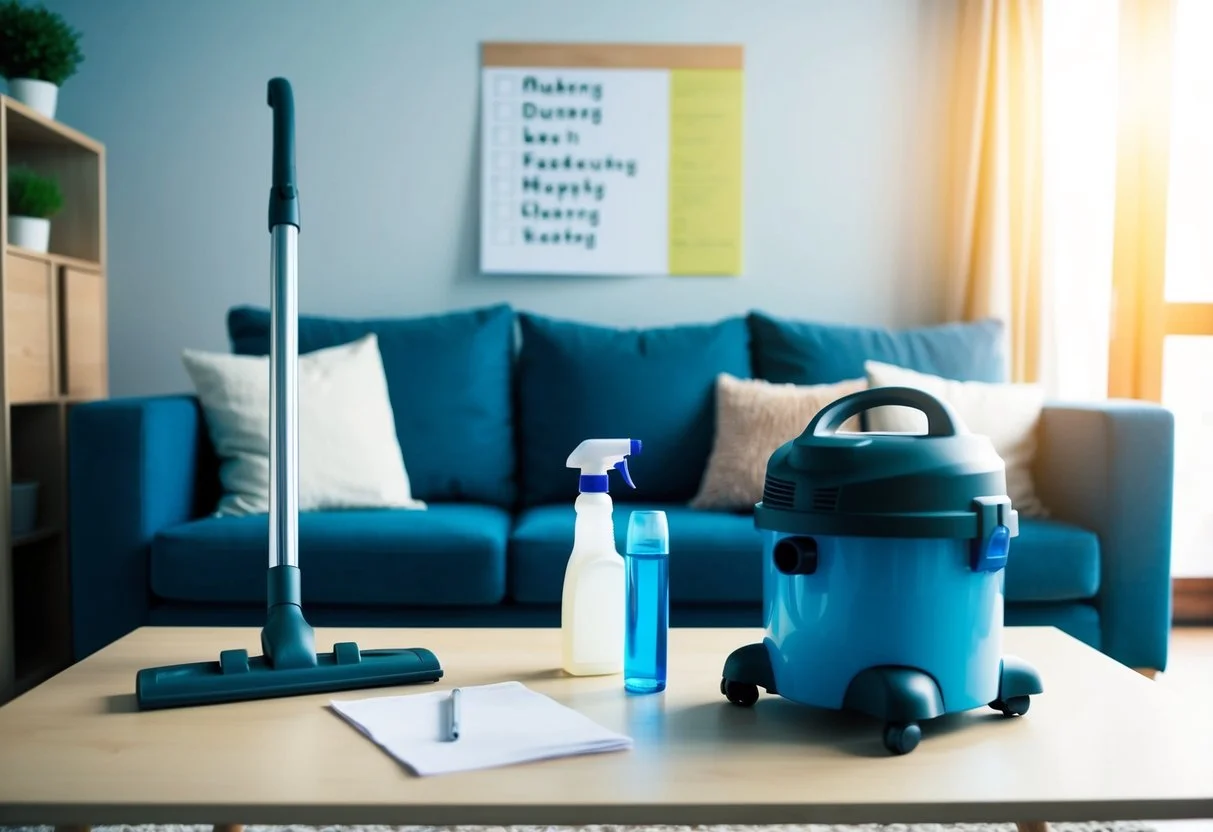
Best matches: tile, sealed hardwood, vinyl, laminate, luxury vinyl plank, and sealed concrete
Tile floors are usually a strong match for weekly mopping because they handle regular cleaning well, especially in kitchens and bathrooms. Sealed hardwood can also be mopped carefully, though it needs less water than tile or vinyl.
Vinyl, laminate, luxury vinyl plank, and sealed concrete can often be maintained with a light weekly mop. The key is using a damp mop instead of a soaking-wet one and choosing a cleaner that will not leave a film behind.
“Weekly moppable” does not mean “all methods are safe.” The same floor may tolerate a microfiber mop and pH-neutral cleaner, but react poorly to excess water, steam, or harsh degreasers.
Floors that need extra caution: natural stone, unsealed wood, waxed finishes, and specialty surfaces
Natural stone often needs more careful product selection because some cleaners can etch or dull the surface. Unsealed wood is even more sensitive, since moisture can seep in and cause swelling or long-term damage.
Waxed finishes and specialty surfaces may also react poorly to standard mop solutions. If you are unsure, treat the floor as delicate until you confirm the recommended care method.
How to check manufacturer guidance before you start
The safest first step is to check the flooring manufacturer’s care instructions. Look for guidance on water use, approved cleaners, and whether the surface should be damp-mopped, dry-mopped, or cleaned only with a specific formula.
If the instructions conflict with a general cleaning tip, the manufacturer guidance should win. That is especially important for warranty concerns, expensive flooring, or surfaces with a special finish.
Weekly Mopping Cleaning Checklist: Step-by-Step Home Routine
A weekly routine works best when it follows the same order every time. That reduces missed spots, prevents dirty water from spreading, and helps you clean faster as the habit becomes familiar.
Pre-mop prep: clear debris, dry dust, and spot-check sticky messes
Start by removing loose debris with a broom, dry mop, or vacuum. Mopping over crumbs, grit, and hair only pushes that debris around and can scratch certain finishes.
Next, look for sticky spills or dried-on messes and handle them before the full mop pass. A quick spot treatment often saves time later and helps the floor dry more evenly.
- Pick up loose items and rugs
- Sweep or vacuum the entire floor
- Pre-treat sticky spots and visible stains
- Set aside a dry towel for touch-ups
Choosing the right mop, bucket, and cleaning solution for the job
Microfiber flat mops are a strong all-purpose choice because they pick up fine dust and use less water. Spin mops can work well for larger homes, while spray mops are convenient for quick weekly maintenance.
Traditional string mops can still be useful, especially on durable floors, but they may hold more water than some surfaces should get. If you want a broader comparison, the right method often depends on the room, the finish, and how much residue your cleaner leaves behind.
| Method / Product | Best For | Be Careful With |
|---|---|---|
| Microfiber flat mop | Everyday weekly cleaning, low-water use | Very textured floors that trap debris |
| Spin mop | Larger areas, adjustable moisture control | Over-wetting wood or laminate |
| Spray mop | Quick touch-ups and small homes | Heavy soil that needs pre-cleaning |
| Traditional string mop | Durable tile and sealed concrete | Residue, excess water, and streaking |
Room-by-room mopping order to avoid spreading dirt
Clean the least dirty rooms first and the most contaminated areas last. In many homes, that means moving from living spaces to kitchens, then bathrooms, then entryways or mudrooms.
This order helps prevent dragging soil from one room into another. If you are building a broader routine, pairing this with a weekly mopping guide can make the process easier to repeat each week.
Proper mop technique for edges, corners, high-traffic paths, and under furniture
Work in small sections and overlap each pass slightly so you do not miss thin strips of dirt. Pay extra attention to edges, cabinet fronts, and corners, where buildup often hides.
High-traffic paths usually need slower, more deliberate passes because they collect the most soil. Under furniture, use a flat mop head or a careful hand technique if the space is accessible and safe to reach.
Rinse or refresh your mop head as soon as it starts looking gray. A clean mop head lifts dirt better and lowers the chance of spreading residue across the floor.
Drying and post-mop care to prevent streaks and slips
After mopping, let the floor dry fully before replacing rugs or walking heavily across it. Good airflow helps, and a dry microfiber towel can speed up drying in spots that stay damp.
If streaks appear, the issue is often too much cleaner, too much water, or a dirty mop head. For a more detailed follow-up, see this guide on how to dry a floor after mopping.
Room-Specific Weekly Mopping Examples for Real-Life Homes
Different rooms create different messes, so a weekly mopping checklist should flex a little from space to space. The goal is to clean efficiently without treating a kitchen like a bedroom or a bathroom like an office.
Kitchen floors: grease, crumbs, and food spills
Kitchens usually need the most attention because they collect crumbs, splashes, and light grease. A weekly mop works best after a full sweep or vacuum, especially around the stove, sink, and refrigerator.
If the floor feels tacky after cleaning, the problem may be leftover detergent or a cleaner that is too strong for the surface. Kitchens are also a good place to use a slightly more targeted cleaner, but only if the floor material can handle it.
Bathrooms: soap residue, moisture, and hygiene concerns
Bathrooms often need a gentle but thorough approach because they deal with soap film, moisture, and frequent foot traffic. Use minimal water around wood-look floors and dry the surface promptly after mopping.
For tile bathrooms, weekly mopping can help keep grout lines from looking dingy. Still, if grout is darkening, crumbling, or staying stained, that may require a deeper treatment rather than the weekly routine.
Entryways and mudrooms: grit, tracked-in soil, and outdoor debris
Entryways collect the roughest debris, including sand, grit, and bits of outdoor dirt. These areas benefit from a quick pre-clean and a careful mop pass that does not push grit into corners.
Because these rooms take such a beating, they are often the first place to show scratches or dullness. If you want to reduce buildup before it reaches the rest of the home, these zones deserve extra attention in the checklist.
Living rooms and hallways: dust, pet hair, and everyday foot traffic
Living rooms and hallways usually do not need heavy scrubbing, but they do collect fine dust, pet hair, and everyday foot traffic. A light weekly mop helps keep them looking fresh without overwetting the floor.
If pets spend time in these spaces, a microfiber mop can be especially helpful because it picks up hair and fine debris better than a damp string mop. For homes with more pet-related cleanup, the weekly mopping mistakes article can help you avoid some common missteps.
Common Weekly Mopping Mistakes That Leave Floors Dull or Damaged
Even a simple routine can go wrong if the method does not match the floor. Many dull floors are not dirty at all; they are coated with residue, moisture marks, or a cleaner that was not fully rinsed away.
Using too much water on sensitive flooring
Too much water is one of the fastest ways to create damage on wood, laminate, and some specialty surfaces. Excess moisture can seep into seams, soften edges, or leave the floor looking uneven.
When in doubt, wring the mop out more than you think you need. A damp mop is usually safer than a wet one for weekly maintenance.
Overdosing cleaner and leaving sticky residue
More cleaner does not mean a cleaner floor. In fact, too much product often leaves a film that catches dirt and makes the surface feel sticky after drying.
If your floors keep feeling tacky, the issue may be the formula, the dilution ratio, or both. This is one reason some homeowners end up searching for why floors stay sticky after cleaning instead of feeling refreshed.
Mopping without sweeping or vacuuming first
Skipping dry debris removal can scratch floors and turn dust into muddy streaks. It also makes the mop work harder than it should, which shortens the useful life of the mop head.
A quick sweep or vacuum is not an extra step to skip. It is part of the actual cleaning process.
Reusing dirty water across the whole home
Dirty water spreads grime instead of removing it. Once the bucket becomes cloudy or visibly dirty, the mop is no longer cleaning at its best.
This matters most in larger homes and high-traffic areas. If you want a cleaner result, refresh the water when it starts looking dirty rather than finishing the house with the same bucket.
Ignoring drying time and walking on damp floors too soon
Walking on damp floors can leave footprints, streaks, and slip risks. It can also transfer new dirt onto a floor that has not fully set or dried.
Give the surface time to dry, especially if you used more water than usual or cleaned in a room with limited airflow. If needed, open windows or use a fan to help the process along.
Do not use steam, soaking water, or harsh chemicals on surfaces that are not explicitly approved for them. If the finish is delicate or the warranty is unclear, stop and verify first.
Best Cleaning Solutions and Tools for Different Floor Types
The best weekly routine is not always the strongest one. In many cases, a gentle cleaner and the right mop do more for floor appearance than a heavy-duty product that leaves residue behind.
pH-neutral cleaners vs. stronger degreasers: when each makes sense
pH-neutral cleaners are usually the safer choice for routine weekly mopping because they are less likely to dull finishes or leave a film. They are especially useful for hardwood, laminate, luxury vinyl plank, and many sealed surfaces.
Stronger degreasers can make sense in kitchens or on tile with heavier buildup, but they should be used carefully and only when the surface can handle them. If you are comparing methods, this is where a guide to sticky floors after mopping can help you troubleshoot residue problems.
Microfiber flat mops, spin mops, spray mops, and traditional string mops compared
Microfiber flat mops are often the most balanced choice for weekly cleaning because they are efficient, low-water, and easy to control. Spray mops are convenient, but they may not be enough for heavy soil.
Spin mops give you more control over moisture, which can be helpful in mixed-floor homes. Traditional string mops are familiar and affordable, but they can be harder to manage when you need a very light damp clean.
- Low-water weekly cleaning
- Quick room-by-room maintenance
- Homes with mixed floor types
- Over-wetting wood and laminate
- Residue from strong cleaners
- Dirty mop heads and cloudy water
When homemade solutions are acceptable and when they are not
Some homemade solutions can work for simple maintenance, but they are not universally safe. A mixture that seems harmless on tile may be too acidic, too alkaline, or too wet for another floor type.
That is why homemade options should be used cautiously and only when you know the floor’s compatibility. If the finish is expensive, delicate, or under warranty, a manufacturer-approved cleaner is often the safer route.
Cost comparison: budget-friendly weekly routines vs. premium floor-care products
A budget-friendly routine usually relies on a reusable microfiber mop, a basic bucket, and a modest amount of approved cleaner. That can be enough for most weekly maintenance if the floor is not heavily soiled.
Premium products may offer convenience, better scent control, or specialty formulas for certain finishes. They are not always necessary, but they may be worth it if they help you stay consistent or protect a sensitive floor.
Long-term value often comes from reusable pads, a mop that fits your floor type, and using less cleaner rather than buying the strongest formula available.
When to Stop DIY and Call a Flooring Professional
Weekly mopping is meant for maintenance, not repair. If a floor keeps looking wrong after careful cleaning, the issue may be beyond routine care.
Signs of finish wear, warping, grout damage, or recurring haze
Finish wear can show up as dull lanes, patchy shine, or areas that never look fully clean. Warping, buckling, and soft spots are more serious and usually suggest moisture-related damage.
On tile, damaged grout or recurring haze may point to a product issue, a sealing problem, or a deeper cleaning need. These signs are worth addressing before they become permanent.
When deep stains, water damage, or uneven shine need expert help
Some stains do not respond to routine mopping because they have penetrated the surface or settled into the finish. Water damage can also create visible changes that no weekly routine can reverse.
If the shine looks uneven across the room, the cause may be wear, residue, or finish failure. A flooring professional can help identify whether the problem is cosmetic or structural.
Why professional advice matters for stone, hardwood, and specialty flooring
Stone, hardwood, and specialty floors can be expensive to replace or refinish, so guessing can be costly. Professional guidance matters when you are unsure about cleaners, moisture levels, sealing, or warranty-safe maintenance.
When in doubt, pause the DIY routine and ask for advice before trying a stronger product or a more aggressive method. That is often the safest way to protect both the floor and your budget.
Final Recap: Building a Simple Weekly Mopping Routine That Keeps Floors Spotless
A strong weekly mopping cleaning checklist is simple, repeatable, and matched to the floor under your feet. The best routine starts with dry debris removal, uses the right amount of water, and finishes with proper drying time.
Key takeaways for choosing the right method, avoiding mistakes, and protecting your floors
Choose a mop and cleaner that fit the floor type, not just the mess. Avoid common problems like over-wetting, residue buildup, and mopping before sweeping.
If you need more support, pairing this article with a broader weekly mopping guide cleaner home every week can help you keep the process consistent.
How to keep the checklist realistic, repeatable, and effective week after week
The best checklist is the one you will actually use every week. Keep it short, keep it practical, and adjust it for the rooms that get the most traffic.
With the right routine, weekly mopping becomes less of a chore and more of a steady habit that protects your floors over time.
Frequently Asked Questions
Use it once a week for most busy homes, then add spot cleaning as needed. High-traffic areas may need extra attention between full mops.
Many sealed hardwood floors can be mopped weekly with a lightly damp microfiber mop. Always use the manufacturer’s guidance and avoid excess water.
A microfiber flat mop is often the most versatile choice for weekly cleaning. It uses less water and works well on many common floor types.
Sticky floors are often caused by too much cleaner, dirty mop water, or residue left behind. Rinsing the mop and using less product usually helps.
Yes, always remove loose dirt first so you do not spread grit around the floor. Dry debris removal also helps prevent scratches and streaks.
Call a professional if you see warping, finish damage, recurring haze, deep stains, or water-related issues. It is also wise to ask for help with stone, hardwood, or specialty flooring if you are unsure about safe cleaning methods.
